Can You Jump A Lawn Mower Battery?
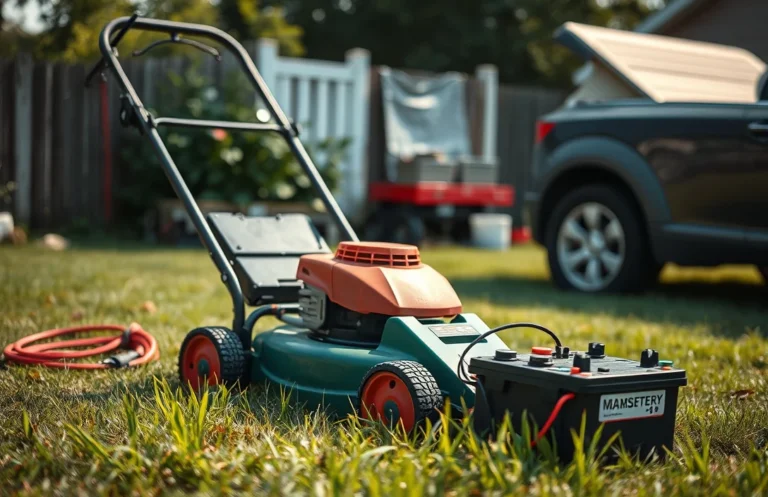
Yes. You can jump a lawn mower battery to start the engine, provided you match the battery type and follow safety steps. Most residential mowers use a 12V battery, and a proper jump with a 12V jumper pack or a second 12V battery can get you going. Skipping safety checks can lead to sparks or fires, especially with incorrect connections or a damaged battery.
Jumping a lawn mower battery works with a proper 12V jump pack or a second 12V battery, but only if you observe correct polarity, avoid damaged batteries, and use the right cables. Ensure you’re in a safe area, keeping sparks away from the fuel tank.
Key Takeaways
- Most mowers use 12V. A 12V jumper pack or second 12V battery usually cranks the engine.
- Polarity matters. Connect positive to positive and negative to a solid ground; reversing them can cause damage or sparks.
- Inspect before jumping. Look for swollen, cracked, or leaking batteries; do not jump if damaged.
- Use proper gear. Heavy-duty jumper cables or a purpose-built jump starter are best.
- Know when to stop. If you smell gas, see smoke, or hear venting, stop and assess for danger.
Jump-starting a lawn mower battery provides a surge of current to turn over a weak motor. It does not repair a dead cell or fix sulfation; it merely gives the starter motor energy to spin while the mower’s charging system works to restore the battery’s voltage. A jump start is a temporary solution. If the battery won’t hold a charge after the engine runs, the underlying issue remains: the battery may be worn out, sulfated, or the charging system may be failing. A jump start can help for a small job, but plan for a proper battery test and replacement if necessary.
What You Need to Know
Most lawn mowers use a 12V battery, but battery chemistry affects the jump process. Flooded lead-acid batteries vent hydrogen and can gas under load, so avoid jumping if the case is damaged, swollen, or leaking. Absorbent glass mat (AGM) and gel batteries are sealed and safer, but a mismatch with a charger or a weak BMS can still cause issues. Lithium-based packs with BMS (like LiFePO4) behave differently: the BMS can cut charging if the cell stack hits its limit, making a careless jump less likely to cause damage. Always connect to a compatible 12V source and never a higher-voltage system.
The mower’s electrical system and the battery’s state are crucial. A healthy battery accepts a surge; a deeply discharged or damaged battery may not respond well, even with a jump. If the battery is aging, consider testing or replacing it instead of relying on a jump as a long-term solution. A jump start should serve as a short-term aid, not a maintenance substitute.
How to Jump a Lawn Mower Battery Safely
Before starting, ensure the mower is off and the battery is accessible. Have heavy-duty jumper cables or a portable 12V jump starter ready, and work in a safe area away from fuel.
- Turn off the mower, remove the key, and engage the parking brake. Ensure no one steps on the pedal while connecting cables.
- Inspect the battery and cables for damage or corrosion. Replace or repair any faulty components before proceeding.
- Position the donor source (jump starter or another 12V battery) within reach, so cables can connect without tension.
- Connect the positive clamp to the mower battery’s positive terminal. Then connect the other positive clamp to the donor battery’s positive terminal.
- Connect the negative clamp to the donor battery’s negative terminal. Attach the remaining negative clamp to a solid metal ground on the mower (not to the battery terminal).
- Start the donor source if using a jump pack, then try to start the mower. If the engine doesn’t turn over in a few seconds, wait a minute and retry; avoid continuous cranking.
- When the engine starts, remove the cables in reverse order: negative from the ground, negative from the donor, positive from the mower, then positive from the donor.
- Let the mower run for several minutes to pull a charge through the system. If the battery won’t stay charged, replace it or run a full charge with a proper charger.
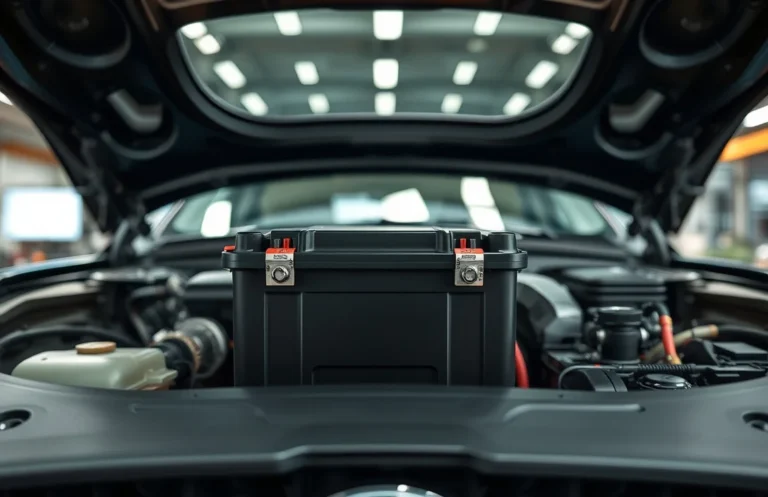
If using a car battery for the jump, keep the car’s engine off and avoid touching its other systems. A car battery can deliver much more current, which helps a stubborn mower, but it also raises the risk of sparks. Use a dedicated jump starter if possible, especially for small engines.
When Jumping Is Not Safe or Worth It
Jumping a lawn mower battery can fix a nonfunctional starter, but certain conditions make it a bad idea. Don’t jump if the battery is swollen, cracked, or leaking; a damaged battery can vent and pose a fire risk. If the mower shows electrical faults beyond the battery or if you notice corroded terminals, replace components instead of attempting a jump.
Never jump a battery near open fuel vapors. Gas fumes can ignite from sparks, and jumping can create sparks if polarity is wrong or connections slip. If you’re uncomfortable performing the steps or if the battery is very old, have a professional inspect the system.
Alternatives to Jumping
A jump start is a quick fix, not a cure. If the mower won’t hold a charge after the jump, use a smart 12V charger designed for lead-acid, AGM, or LiFePO4 batteries to restore stable voltage. Expect longer charging times for larger batteries or deeply discharged ones. If the battery’s capacity is gone, replace it. You can also tow the mower to a charger or service location for a proper charge and test.
For a dead battery you plan to use again, a proper charger is often the best option. A charger maintains voltage, conditions electrolyte, and tests for peak current. If the battery won’t take or hold a charge after attempts, replacement is the next step. Replacing the battery can be more cost-efficient than repeated jump attempts on an aging pack.
Choosing the Right Jump Starter or Charger
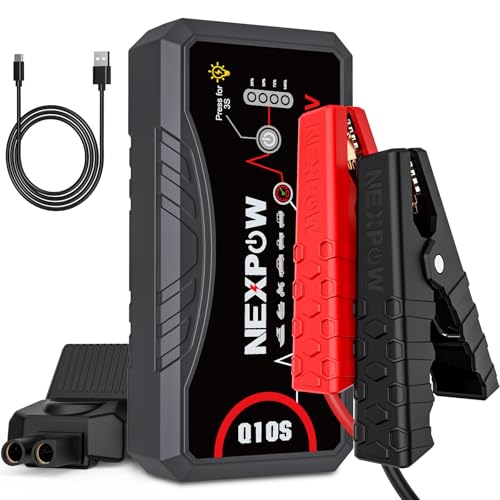
A portable 12V jump starter is the simplest choice for occasional needs. It’s compact, quick, and avoids tying into a car battery. A dedicated lawn mower charger or a universal smart charger provides long-term maintenance and proper conditioning. When deciding between options, consider your typical mowing frequency, the climate, and whether you want a device that also charges other 12V devices.
| Method | Pros | Cons |
|---|---|---|
| Portable 12V Jump Starter | Fast, built-in safety protections, no car required | Limited to 12V packs, needs charging after use |
| Car Battery with Cables | High current capability, widely available | Riskier, requires a second vehicle, potential damage if misused |
| Dedicated Lawn Tractor Charger | Designed for long-term maintenance, gentle charging profiles | Slower, not a jump-start device |
| Battery Replacement | Restores reliable cranking power | Upfront cost, downtime to replace |
Maintenance to Prevent Future Dead Batteries
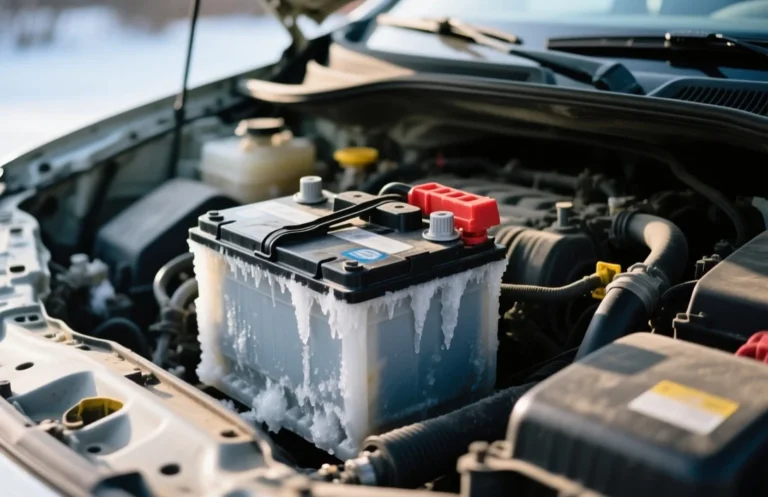
Keep the battery charged when the mower sits for long periods. In cold weather, a battery loses capacity; storing the mower with a trickle charge helps. Regularly clean the terminals to avoid corrosion, and inspect the battery for swelling, leaks, or unusual smells. If the mower cranks slowly or the headlights dim, test, recharge, or replace the battery.
Adopt a routine: test the battery every season, keep a dedicated 12V charger, and replace aging packs before they fail completely. Preventive maintenance reduces emergency jumps and keeps you mowing on schedule.
FAQ
Recommended Products


How do I know if my mower battery is the problem and not the starter?
If the engine doesn’t crank after a healthy charge and clean connections, the starter could be faulty. A voltage test across the battery should read near 12V when the engine is at rest; a consistent under-load drop indicates a problem. If you can start the mower with a jump pack but not after, the battery is likely weak or failing.
Is it safe to jump a lawn mower battery near a gas engine?
Yes, but only with proper precautions. Keep ignition off, avoid open flames, and work in a well-ventilated area. A swollen or leaking battery must not be jumped; replace it. Use protective gear, and avoid touching positive and negative clamps together.
Can you jump a lithium lawn mower battery?
Lithium packs with a healthy BMS can be jump-started, but many manufacturers discourage using a jump to start a LiFePO4 battery directly. Use a charger or a jump starter compatible with LiFePO4 chemistry. If the mower didn’t start after a brief jump, rely on a charger or test the BMS.
How long does a jump start take?
A quick jump can crank the engine within seconds. If the engine starts, keep it running for a few minutes to supply the charging system. If you need to attempt again after a pause, wait 30-60 seconds to prevent overheating.
Are jump-start packs expensive?
Most mid-range jump starters cost between $30 and $100, depending on capacity and features. A simple 12V charger is usually cheaper, while a high-capacity pack or a model designed for winter storage can cost more. For occasional use, a compact jump starter often offers the best value.
Jumping a lawn mower battery is a practical, often quick fix for a stubborn start, but it’s not a substitute for battery health. Use a 12V jump starter or a second 12V battery, connect with correct polarity, and avoid damaged packs. If the mower won’t sustain a charge or the battery looks bad, replace it and keep a charger handy for future maintenance. Start with a safe jump, test the system, and plan for a replacement if needed.

- 10 Best Battery For Generator Battery Safety System 2026 - October 12, 2026
- 10 Best Battery For Generator Battery Safety Option 2026 - October 12, 2026
- 10 Best Battery For Generator Battery Safety 2026 - October 12, 2026