Can You Fly With Aaa Batteries?
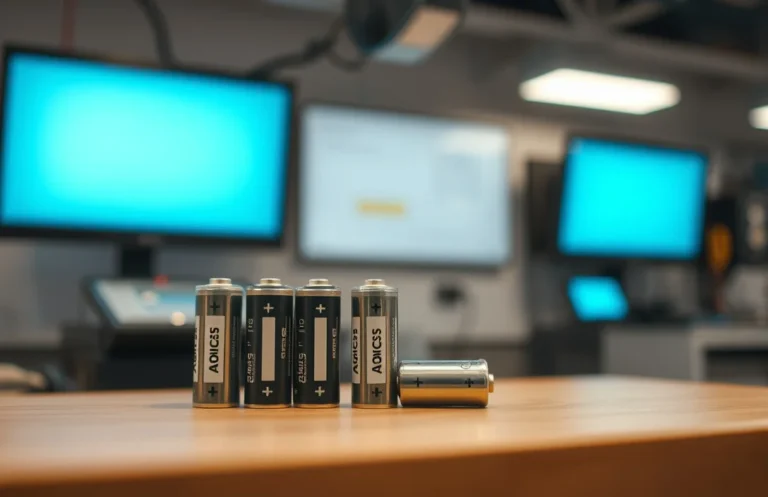
AAA batteries are permitted on planes, but the type and packaging dictate safety and limits. Alkaline and NiMH batteries are generally allowed in either bag with terminal protection. Spare lithium AAA cells should always be in carry-on and stored in a case. Typically, two spare lithium AAA batteries are allowed with airline approval.
Key Takeaways
- Carry-on preferred. Keep spare batteries in carry-on to simplify screening and reduce damage risk.
- Protect terminals. Cover exposed ends with tape or store in a case to prevent short circuits.
- Know the type. Alkaline and NiMH are usually allowed in either bag; spare lithium AAA cells belong in carry-on.
- Keep spares in case. Carry spare lithium AAA in a case; avoid loose batteries.
- Don’t mix chemistries. Separate alkaline from lithium to prevent short circuits.
- Inspect before travel. Discard or recycle damaged cells; travel with intact packs only.
AAA Batteries by Chemistry
Recommended Products


AAA alkaline cells, the standard dry battery found in remotes and small devices, can go in both carry-on and checked luggage if the ends are protected from metal contact. This prevents shorting against zippers, coins, or other metal objects in your bag.
Rechargeable NiMH AAA batteries are treated the same for security. Keep them in a protective case or with terminals covered to avoid shorting. Packing care is crucial, as chemistry is less important than how you pack them.
AAA lithium primary cells are non-rechargeable and labeled “lithium.” They are allowed but should be treated like other lithium batteries: store spares in a protective case and prefer carry-on for these. Some carriers may impose tighter checks, so plan accordingly.
Carry-on vs Checked for AAA Batteries
Recommended Products

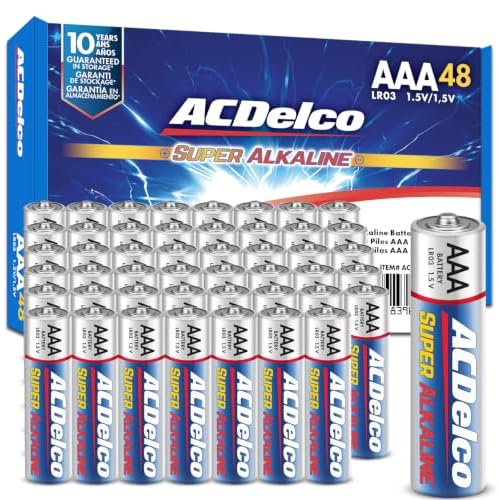
Carrying on spare batteries, especially lithium, is safer. If a device contains batteries, it can go in checked luggage, but this carries the risk of damage or activation. Keep spare batteries in carry-on in a protective case for easy access and inspection.
| Battery Situation | Carry-On | Checked Bag |
|---|---|---|
| AAA alkaline batteries in original pack | Allowed | Allowed |
| Loose AAA alkaline batteries | Allowed if protected | Allowed if protected |
| AAA rechargeable NiMH batteries in a case | Allowed | Allowed |
| Loose AAA rechargeable batteries | Allowed if terminals are covered | Allowed if terminals are covered |
| AAA batteries installed in a flashlight | Allowed | Allowed |
| AAA lithium batteries as spares | Usually better in carry-on | May face tighter limits |
What to Do With Devices that Use AAA Batteries?
Recommended Products
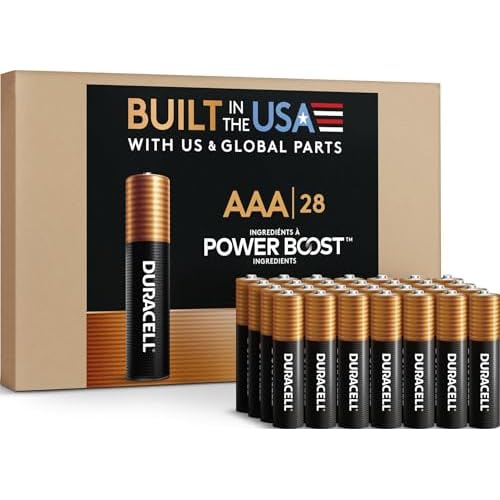

You have options for devices using AAA batteries. If the battery door secures easily, leave the batteries installed and pack the device in either carry-on or checked luggage. For small devices that might turn on, remove the batteries and store them separately in a protected case within carry-on.
Devices with removable AAA cells should go in a dedicated pocket or pouch of your carry-on bag. This reduces the chance of accidental activation during security screening or travel. For devices that are difficult to disassemble, keep them powered off and use a protective battery cover when available.
Packing Routine You Can Use
Recommended Products
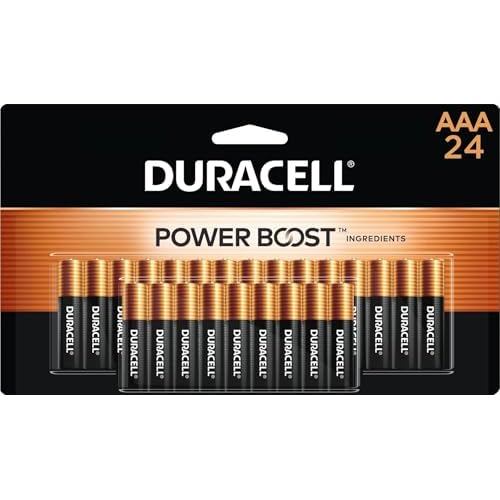

1) Identify each battery type you’re bringing.
2) Decide carry-on versus checked for each based on risk and accessibility.
3) Place all spare batteries in a protective case or original packaging.
4) Cover or tape terminals to prevent short circuits.
5) Keep batteries installed in devices only if the device is in a protective, non-activating state.
6) Store new batteries in original packaging whenever possible.
7) Re-check airline and TSA guidelines for limits on the number of spares.
Devices and Battery Safety in Travel
Keep spare batteries in a dedicated, protected case, especially lithium ones. Always turn off devices with installed batteries when possible, and prevent battery terminals from touching metal objects during transit. If you travel with many devices, a small travel case for batteries can streamline screening.
For example, a remote using AAA alkaline cells can be stored in your checked bag with the battery inside if it’s secured. A flashlight should remain in carry-on with its cap on and battery terminals insulated when loose to prevent accidental activation during travel.
What Airlines and TSA Rules Mean in Practice
Recommended Products

TSA’s guidance applies to AAA sizes: protect terminals and ensure batteries cannot spark or heat. The final decision rests with the TSA officer at the checkpoint. The FAA emphasizes protecting against short circuits and heat buildup, particularly for spare lithium cells. In the U.S., the rule is to carry common dry batteries in either bag with terminal protection.
If packing spares, carry-on is generally safer for lithium AAA cells, making them accessible for inspection and reducing the risk of damage during baggage handling. Alkaline and NiMH batteries are usually fine in both bags when packed correctly.
Common Mistakes to Avoid
- Packing loose batteries without a protective case or terminal coverage invites short circuits and damage.
- Mixing lithium with non-lithium batteries in the same bag can lead to cross-contamination and accidental activation.
- Forgetting to power down devices can drain batteries or generate heat.
- Ignoring damaged batteries; they should be recycled or disposed of before travel to prevent leaks or fires.
- Assuming all airline rules are the same; verify specifics for spare lithium and overall counts with your airline before flying.
FAQ
Are AAA batteries allowed in carry-on?
Yes. AAA alkaline and NiMH batteries are generally allowed in carry-on baggage when terminals are protected. Spare lithium AAA cells are allowed in carry-on with protective packaging; some airlines limit spares, commonly to two, with proper safety measures. Always pack to prevent shorting or activation.
Should I pack spare AAA batteries in carry-on or checked bags?
Carry-on is safer for spares because you can protect the terminals and prevent devices from turning on. If a device has installed batteries, it may go in checked luggage, but spare batteries should stay in carry-on whenever possible.
Can I put AAA batteries in a checked bag?
Alkaline AAA batteries are allowed in checked bags if terminals are protected. NiMH rechargeable AAA batteries are also allowed, provided terminals are covered. Spare lithium AAA batteries should preferably stay in carry-on due to stricter handling.
What about lithium AAA batteries?
Spare lithium AAA cells are allowed in carry-on in a protective case. Airlines may allow up to two spares with approval; avoid loose lithium spares in checked baggage. Batteries installed in devices are generally permitted in either bag, but keep devices off and secured.
What should I do if I have many devices with batteries?
Use a dedicated battery case, separate chemistries, and keep spares in carry-on. Pack new batteries in their original packaging when possible, and avoid traveling with damaged or leaking cells. If unsure about a battery, recycle it before your trip.
Verdict and Next
When flying with AAA batteries, plan according to type, packaging, and bag choice. Keep alkaline and NiMH spares in carry-on in a protective case, tuck lithium spares in carry-on, and never mix chemistries in one bag. Establish a reliable packing routine to ensure you don’t miss a step. If traveling with multiple devices, consider a compact battery case and a labeled checklist to stay compliant on every trip.

- 10 Best Battery For Generator Battery Safety System 2026 - October 12, 2026
- 10 Best Battery For Generator Battery Safety Option 2026 - October 12, 2026
- 10 Best Battery For Generator Battery Safety 2026 - October 12, 2026