Does Putting Batteries In Freezer Recharge Them?
The short answer is no. Freezing a battery does not restore its charge and often inflicts lasting damage to its chemistry and capacity. The myth of revival persists, but any gain after thawing is unreliable and potentially unsafe. If a battery seems dead, proper charging or safe replacement is the way to go, not a cold experiment.
Freezing a battery isn’t a legitimate recharge method. Even if a battery shows a momentary voltage after thawing, it doesn’t translate into usable capacity. Store batteries between 0 and 25°C and use the right charger for your chemistry to avoid permanent damage and unpredictable behavior.
Key Takeaways
- No recharge from freezing. Freezing does not restore capacity, and any apparent gain is unreliable.
- Temporary thaw gains. A brief voltage bump after thawing isn’t a real recharge and fades quickly.
- Temperature matters. Store batteries between 0-25°C to minimize damage and life loss.
- Use the right charger. Match charging voltage and current to the battery chemistry to stay safe.
- Chemistry differences. Li-ion, NiMH, NiCd, and lead-acid react differently to cold and freezing.
- Avoid freezing entirely. If a battery is dead, follow proven steps to recover or replace instead.
What actually happens when you freeze a battery
Recommended Products

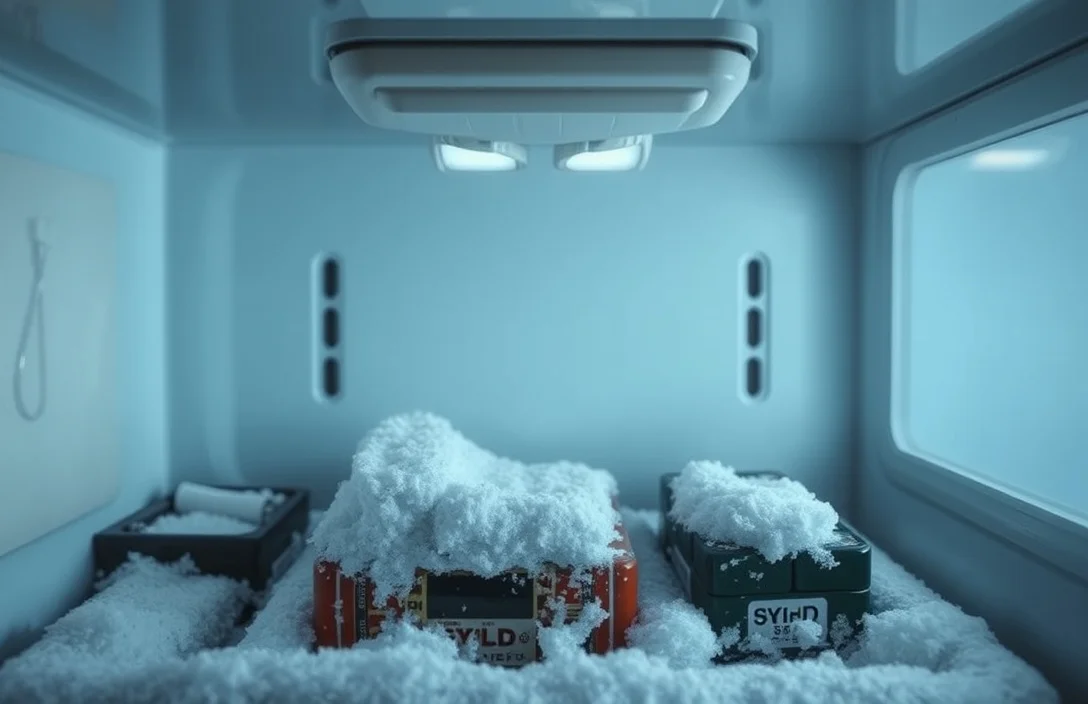
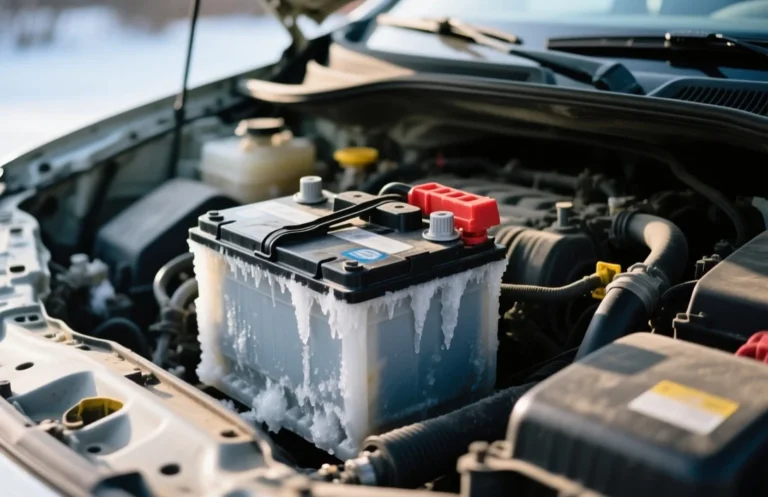
When the temperature drops below the freezing point of the electrolyte, the liquid inside can freeze or become highly viscous. Ice crystals disrupt the internal channels that move ions, and expansion can damage separators and plates. Upon thawing, uneven electrolyte distribution increases internal resistance and reduces usable capacity. Typically, the result is a damaged cell that performs worse than before.
Different chemistries respond distinctly, but the core issue remains: cold slows chemical reactions, and freezing introduces mechanical stress. Lithium-ion packs rely on precise voltages managed by a battery management system (BMS). If freezing damages cells, the BMS may limit charging, further decreasing usable capacity. Lead-acid cells can crack and leak acid if ice forms; NiMH and NiCd may experience electrolyte movement and microstructural stress. Freezing a battery shifts the balance toward irreversible loss rather than recovery.
The notion that a frozen battery “comes back to life” is appealing but misleading. A battery damaged by freezing usually won’t regain meaningful capacity after thawing. A momentary voltage reading may look promising, but it doesn’t guarantee reliable energy delivery. Treat a dead battery as a failure that requires proper troubleshooting or replacement, not a freezer hack.
Battery chemistry and freezing viability
Chemistry dictates how a battery handles cold and is key to the freezing myth. Lithium-ion cells best tolerate moderate temperatures and are most likely to trigger overcharge or thermal protection if cold-damaged. Nickel-based chemistries (NiMH and NiCd) are more cold-tolerant but still don’t recharge reliably after freezing. Lead-acid cells are particularly prone to fracture and sulfate formation when the electrolyte freezes.
Here’s a practical snapshot for evaluating a damaged pack:
- Li-ion: Freezing does not recharge; BMS protection and internal damage can permanently lower capacity.
- NiMH: Freezing is harmful; potential but unreliable revival is not a legitimate recharge path.
- NiCd: Freezing can cause damage; not a reliable recharge method.
- Lead-acid: Freezing can crack plates and spill acid; never rely on freezing to restore service.
Table: freezing viability by chemistry
| Battery chemistry | Can freezing recharge? | Best storage temp | Notable risk if frozen |
|---|---|---|---|
| Li-ion | No; charging after freeze is unsafe | 0-25°C; store at 40-60% SOC for long life | Thermal/chemical damage; BMS trips; capacity loss |
| NiMH | No; rare to gain reliable recharge | 0-25°C | Electrolyte changes; reduced capacity |
| NiCd | No; not a true recharge method | 0-25°C | Gas buildup; cell damage |
| Lead-acid | No; freezing damages plates | 0-25°C; keep charged to avoid sulfation | Plate fracture; acid leakage; permanent sulfation |
Safe handling and charging basics
If a battery feels dead or sluggish, use a safe, chemistry-appropriate charger. Know the cell count and full-charge voltage for your pack, and never exceed manufacturer specifications. A stressed or damaged cell can vent, smoke, or, in rare cases, catch fire, especially with Li-ion or lead-acid chemistries. Inspect the pack for swelling, leaking, or unusual warmth before charging. If you see any of these signs, stop and dispose of the pack properly.
Take a patient approach. Use a charger designed for your battery type and stage of life. A slow, steady charge at the recommended current is far safer than a high-current rush. If a pack won’t charge after several hours on a proper charger, it’s usually time for replacement, which is often more cost-effective than chasing a fragile revival.
Storage guidelines to extend life
Storage conditions significantly impact battery life. Temperature, humidity, and state of charge during storage affect capacity retention and cycle life. A cool, dry corner of the house usually suffices. Avoid places that swing from freezing to heat, like car trunks in summer or uninsulated basements in winter.
Practical steps to take now:
Recommended Products
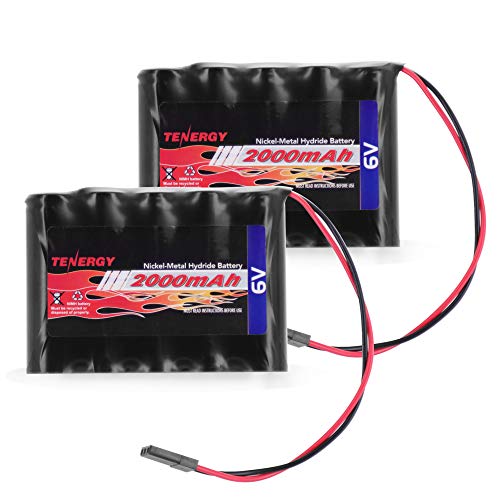

- Store packs at 0-25°C in a stable environment.
- Keep Li-ion and NiMH around 40-60% SOC for long-term retention.
- For lead-acid, aim for about 50% SOC to reduce sulfation and plate corrosion.
- Avoid repeated charging and discharging cycles during storage; short, shallow cycles are best if you need to exercise the pack.
- Protect against humidity and dust; seal loose packs in approved cases or original packaging designed for transport.
For travelers and homeowners, choose the right place to store batteries, maintain a moderate SOC, and resist the urge to freeze anything as a gimmick to “revive” energy. Proper storage pays dividends in longevity and safety.
Myths vs. reality
Myth: Freezing a dead battery will magically bring it back to life.
Reality: It won’t recharge. It risks permanent damage and sudden failure during use.
Myth: A thawed battery will behave like a new one.
Reality: Thawing may release some stress but does not restore chemistry or capacity; performance remains compromised.
Myth: All batteries tolerate freezing equally.
Reality: Different chemistries react differently, but none benefit from freezing as a recharge method; Li-ion, NiMH, NiCd, and lead-acid all suffer.
Myth: If a pack rattles and swells, you can fix it by freezing and charging slowly.
Reality: Swelling or leakage is a safety red flag; do not attempt to revive or charge a damaged pack.
Myth: Freezer storage is ever recommended for energy storage.
Reality: Only controlled, purpose-built storage in specific environments is appropriate; freezing is not a standard practice for recharging or routine life extension.

Helpful pick
NOCO GENIUS1: 1A 6V/12V Smart Battery Charger – Automatic Maintainer, Trickle Charger & Desulfator with Overcharge Protection & Temperature Compensation – for Lead-Acid & Lithium Batteries
The NOCO GENIUS1 is ideal for maintaining lead-acid and lithium batteries at optimal temperatures.
Practical steps for homeowners and travelers
Recommended Products


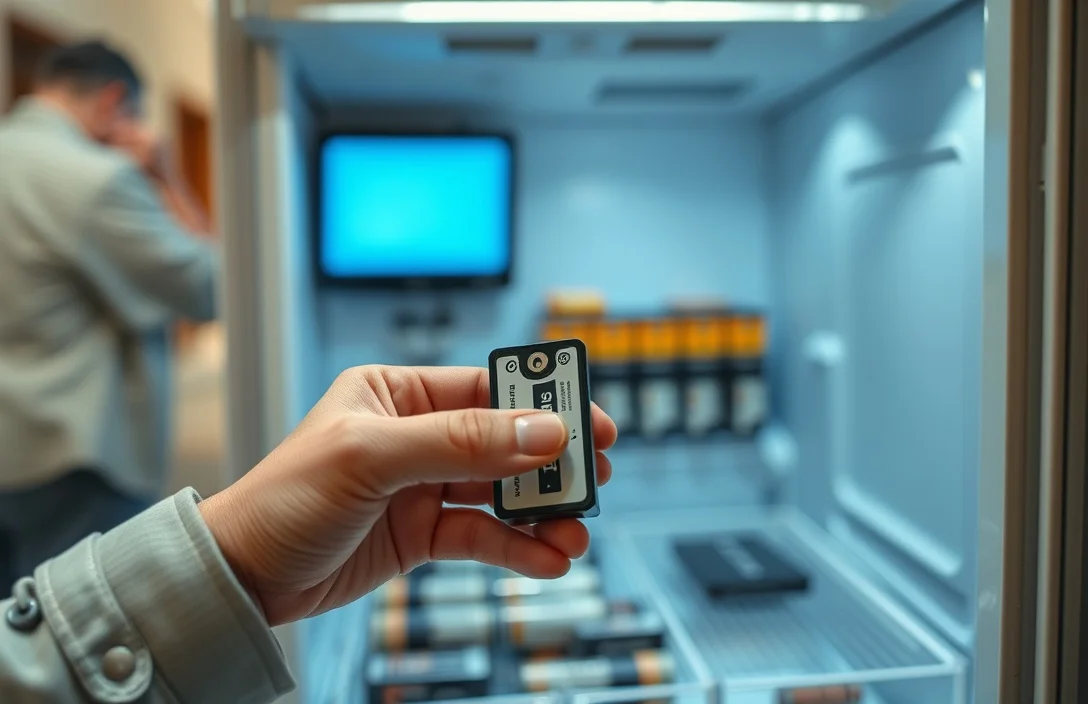
Everyday users benefit from safe storage, correct chargers, and timely replacements. If you’re facing a dead pack, don’t look for a freezer fix. Instead, pursue a manufacturer-approved conditioning routine or replace the pack with one that meets your device’s requirements. Use a quality charger, monitor for heat, and never leave charging batteries unattended.
Travelers should check airline rules and local regulations. Carry batteries in carry-on baggage where permitted, and use protective cases to prevent short circuits. Keep spares at moderate temperatures, away from direct sunlight, and avoid freezing them, except for long-term, manufacturer-recommended storage. The right preparation beats a risky freezer experiment every time.
Bottom line: don’t rely on the freezer to recharge batteries. Use the correct charger for the chemistry, store at moderate temperatures, and replace aged packs when needed. If a battery won’t charge after following these steps, seek safe disposal and replacement.
FAQ
Q1: Does freezing a battery ever revive a dead cell?
Answer: Freezing does not recharge a battery. Any revival is often unreliable, and long-term capacity remains diminished. Keep temperatures at 0-25°C and use the proper charger for your chemistry.
Q2: Is it safe to store batteries in the freezer to extend life?
Answer: No. Freezer storage can permanently damage cells and increase the risk of venting or leakage. Use a cool, dry place and aim for a stable ambient temperature.
Helpful pick
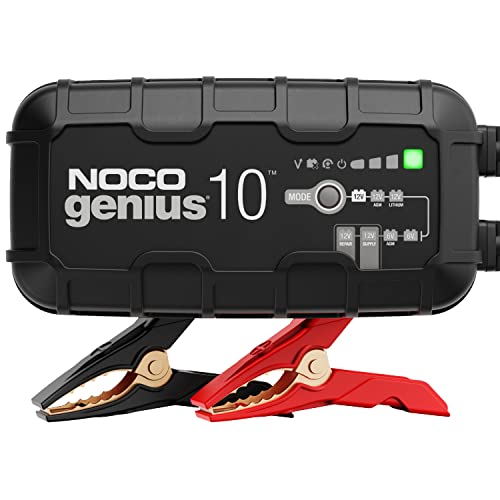
NOCO GENIUS10: 10A 6V/12V Smart Battery Charger – Automatic Maintainer, Trickle Charger & Desulfator with Overcharge Protection & Temperature Compensation – for Lead-Acid & Lithium Batteries
This smart battery charger provides automatic maintenance and desulfation, ensuring timely replacements and optimal battery performance.
What should I do if my battery won’t charge?
Recommended Products

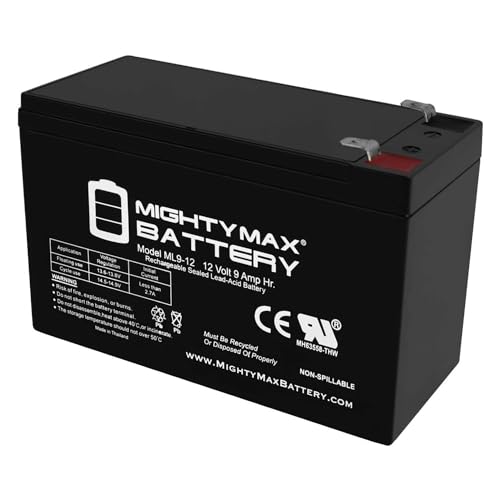
Answer: Start with the correct charger specified by the manufacturer, check for swelling or heat, and avoid forcing a charge. If problems persist, replace the pack rather than attempting risky conditioning.
Q4: Do older NiMH or NiCd batteries respond differently to cold than Li-ion?
Answer: Yes. All can suffer from cold exposure, but none should be treated as a viable recharge method. NiMH and NiCd are more tolerant of cold than Li-ion, yet freezing remains a poor revival option.
Q5: Are there legitimate reasons to freeze a battery?
Answer: The only legitimate reason is rare, controlled storage to slow chemical reactions in specific contexts. It is not a method to recharge or recover capacity and is generally discouraged for consumer batteries.
Essential Tools for Battery Care and Maintenance

Schumacher Electric Wheeled Manual 10A Car Battery Charger and 250A Engine Starter, 2-in-1 Solution, 50A Boost, for 6V/12V Power Sport, Automotive, and Marine Batteries, SC1445
The Schumacher Electric Wheeled Manual Charger provides a reliable way to recharge car batteries effectively, eliminating the need for questionable methods like freezing.

E-FAST 25A Smart Car Battery Charger, 12V/24V Automatic Automotive Battery Maintainer & Desulfator with 200s Booster Mode – Adjustable Amp Trickle Charger for Lead-Acid, AGM, Gel, LiFePO4
The E-FAST 25A Smart Car Battery Charger offers an automatic solution for maintaining and recharging batteries, ensuring optimal performance without the risks of unconventional methods.
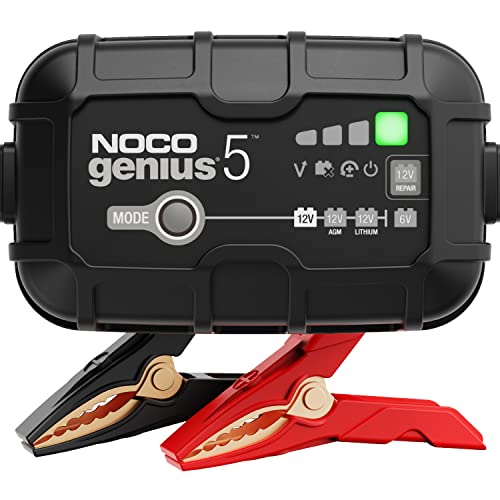
NOCO GENIUS5: 5A 6V/12V Smart Battery Charger – Automatic Maintainer, Trickle Charger & Desulfator with Overcharge Protection & Temperature Compensation – for Lead-Acid & Lithium Batteries
The NOCO GENIUS5 Smart Battery Charger safely maintains and recharges batteries, providing a dependable alternative to freezing batteries for recharging.
Frequently Asked Questions
Recommended Products
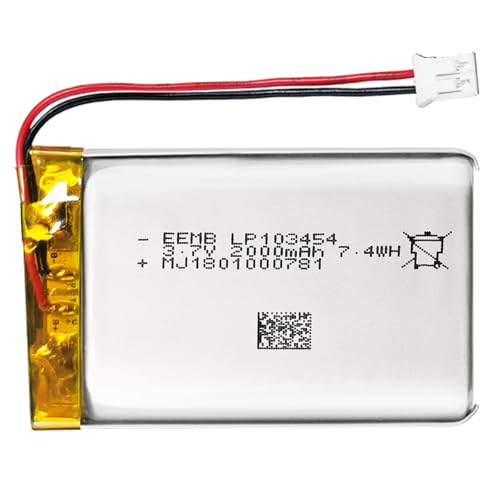

1. Can I recharge my batteries by putting them in the freezer?
No, putting batteries in the freezer does not recharge them. This method is a myth and can actually cause permanent damage to the battery’s chemistry and capacity.
2. What happens to a battery’s chemistry when it freezes?
When a battery freezes, the electrolyte can become viscous or freeze solid, disrupting ion movement and damaging internal components. This mechanical stress leads to increased internal resistance and reduced usable capacity.
3. Is there any benefit to putting dead batteries in the freezer?
There is no reliable benefit to freezing dead batteries. Any temporary voltage gain after thawing is not indicative of a true recharge and will not provide usable energy.
4. What should I do if my battery seems dead?
If your battery appears dead, the best course of action is to use a proper charger designed for its chemistry or replace it. Avoid freezing as a method of revival, as it can lead to further damage.
5. Are some battery types more affected by freezing than others?
Yes, different battery chemistries react differently to freezing. For example, lead-acid batteries are particularly prone to cracking and leaking, while lithium-ion batteries may suffer from capacity loss due to internal damage.

- 10 Best Battery For Generator Battery Safety System 2026 - October 12, 2026
- 10 Best Battery For Generator Battery Safety Option 2026 - October 12, 2026
- 10 Best Battery For Generator Battery Safety 2026 - October 12, 2026