Does Putting A Car Battery On Concrete Drain It?
Short answer: no. does putting a car battery on concrete drain it? Not by itself. A battery loses charge mainly to self-discharge, parasitic loads, or leaks, and these aren’t driven by the surface it sits on. In normal conditions, a battery on a dry concrete floor ages like it would anywhere else. The real concerns are moisture, heat buildup, or a failing charging system, not the concrete.
Concrete on the floor does not pull charge from a healthy battery. The claim that concrete drains power comes from old myths about damp floors and porous cases, not from how modern batteries work. Modern cases are sealed and insulated, so the surface beneath matters little. If a battery suddenly dies overnight, the cause is almost always something else – a parasitic draw, a faulty charger, or a defective cell.
Key Takeaways
- Concrete does not drain. A dry, nonconductive concrete surface won’t pull current from a battery; drains come from moisture, leaks, or parasitic draws.
- Parasitic loads matter. A constant draw from the vehicle’s electronics can drop a healthy battery even on concrete.
- Temperature matters. Self-discharge and performance shift with heat or cold, not the concrete surface.
- Chemistry matters. Flooded lead-acid, AGM, and Li-ion behave differently under storage and standby loads.
- Smart storage helps. Place on a rubber mat, disconnect if stored long, and test voltage every few weeks.
Does concrete drain a battery? Myth vs Reality?
Recommended Products


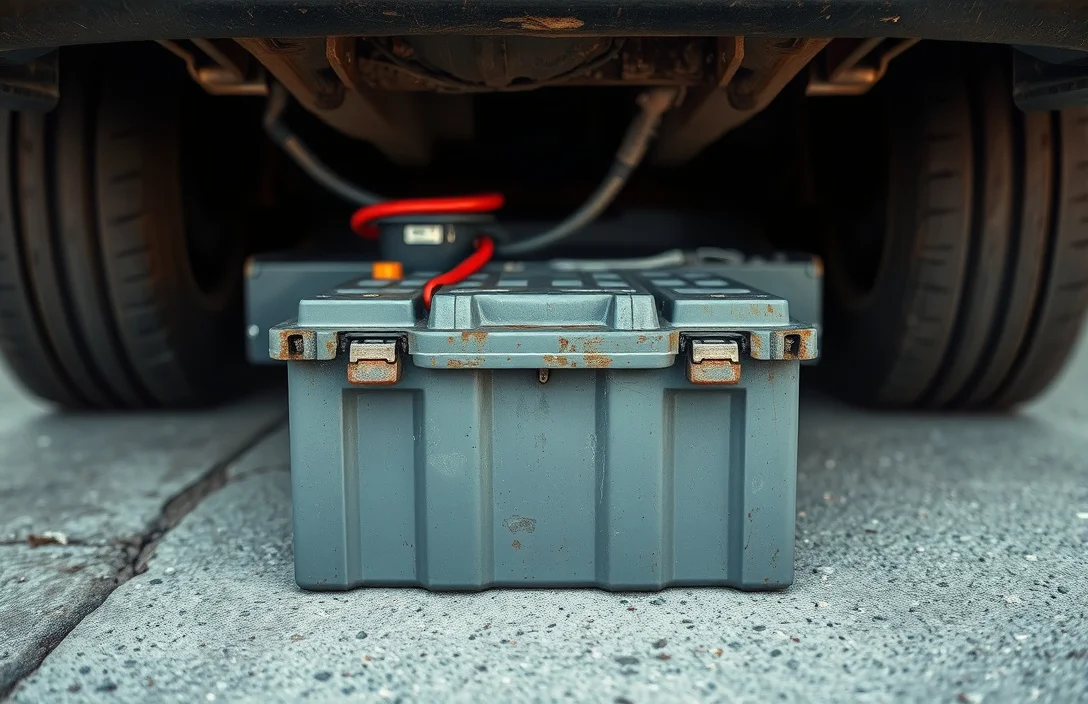
Two short paragraphs cover the core question. The myth hinges on old, damp-floor lore. In today’s cars and batteries, the floor surface has no direct path to suck charge away. A battery sits on concrete the same way it sits on wood or a rubber mat, as long as the surface is dry and nonconductive. The few ways a concrete floor could indirectly contribute to drainage are via moisture wicking into metal parts or accelerating heat loss due to cold floors, but these effects are small and not the same as a drain.
Reality checks in once you separate surface from system. A battery’s charge vanishes due to parasitic loads (things that stay on when the car is off), aging chemistry, or a faulty charger that overworks or undercharges the pack. If you notice rapid loss without obvious reason, inspect the vehicle’s electronics, wiring, and charging system first. The concrete underfoot is not the culprit; it’s a potential stage for heat or moisture management, not a charge sink.
Myth vs Reality
| Myth | Reality |
|---|---|
| Does concrete drain a battery just by sitting on it? | No. The surface does not pull current from a healthy battery. |
| Does damp concrete cause current leakage? | Only if it creates a conductive path to metal parts; otherwise, not a battery killer. |
| Is temperature on the floor the real issue? | Temperature changes affect capacity and self-discharge, but the concrete itself isn’t a drain. |
In practice, then, proper storage and routine checks matter far more than any supposed “concrete drain” effect. If your battery is healthy, a dry concrete floor poses no unique risk. If you’re storing long term, you should still control humidity and temperature and use a charger or maintainer to hold the charge.
What actually drains a car battery
Recommended Products


Parasitic loads top the list. That includes interior lights, trunk lights, onboard computers, and accessories that remain active after the ignition is off. A quick check with a multimeter can reveal a small ongoing draw; even a fraction of an amp can accumulate over days. A batttery that’s healthy will still discharge a bit over weeks if there’s a consistent draw.
Aging and sulfation also reduce a battery’s effective capacity. When plates degrade or sulfation builds up, the battery cannot hold voltage as well as when it was new. A faulty alternator or a charger that overcharges or undercharges can place stress on the cells, accelerating wear and reducing usable life. In both cases, the issue isn’t the concrete; it’s the electrical system and the chemistry inside the case.
Another common culprit is leakage or a physical fault. Cracked or damaged seals, spilled electrolyte in flooded designs, or corroded terminals create scenarios where the battery seems to drain. Dirt and corrosion on terminals add resistance and can mimic a discharge. Clean, tight connections matter, and a corroded negative terminal can look like the battery is losing charge when really the circuit isn’t complete.
In practice, most “drain” events come from the car’s own systems and wiring. When you’re parked for a while, monitor the clock, security system, and any aftermarket electronics. If you see a steep voltage drop after a few days, you’re looking at a parasitic or a charging-system problem, not the floor. The concrete is irrelevant to the actual charge path.
what really matters
Recommended Products


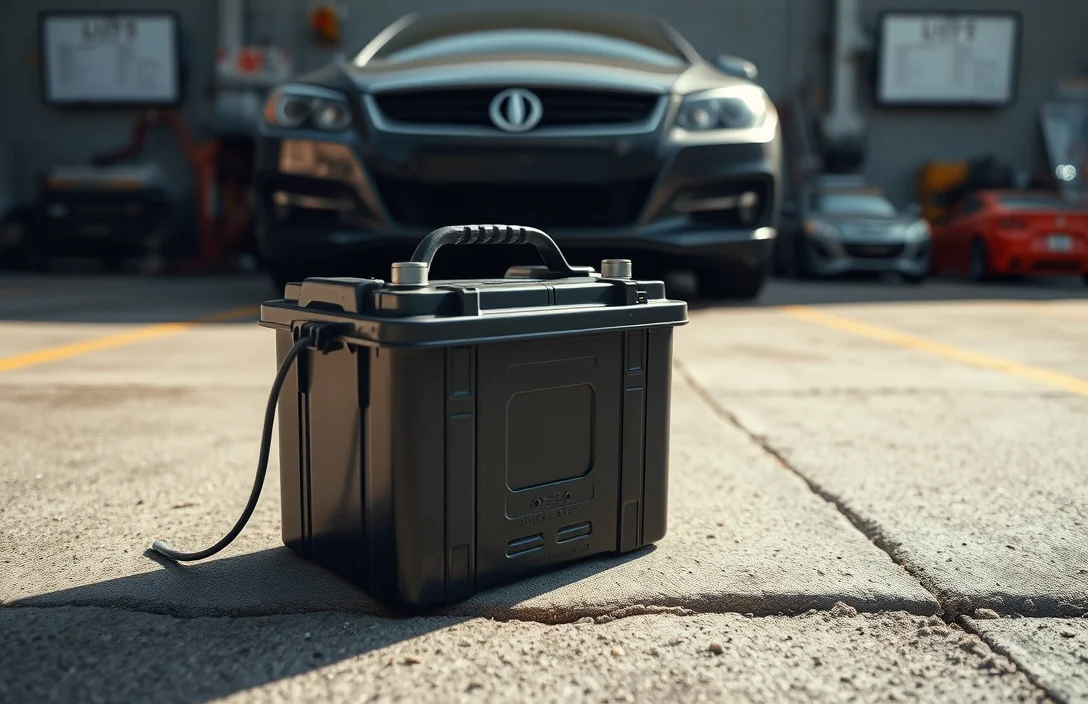
Moisture around terminals matters more than the surface. If the floor is damp and that moisture reaches metal mounts or clamps, corrosion can accelerate. Corroded clamps introduce resistance, making a battery look weaker than it is. Keep terminals clean and dry, and always cover the battery with a nonconductive barrier if possible. In a workshop or garage, a rubber mat or a piece of plywood under the battery helps isolate it from moisture and cold transfer.
Temperature swings drive performance. Cold floors slow chemical reactions inside the battery, reducing a battery’s starting power. Heat increases chemical activity and can accelerate self-discharge, especially in sealed packs with venting. Neither scenario is a direct result of sitting on concrete; it’s the ambient temperature, and in the case of lithium packs, the thermal management and BMS protection that matter most.
When you’re diagnosing battery woes, separate surface effects from electrical ones. If a battery tests badly after a spell on a cold or hot concrete, your root cause is likely chemistry, aging, or charging irregularities – not the presence of concrete. A good rule of thumb: protect the battery from extreme temperatures, keep it dry, and monitor both voltage and health indicators over time.
how self-discharge differs
Recommended Products

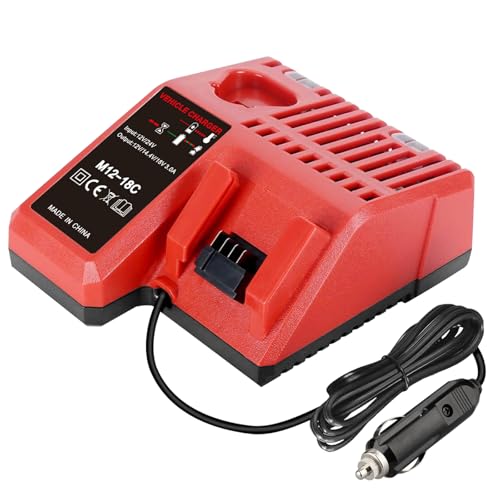
Different chemistries behave differently in storage. Flooded lead-acid cells self-discharge at a higher rate than sealed variants, especially when temperatures rise. AGM (absorbed glass mat) batteries reduce gas emission and tend to hold charge a bit longer in storage. Li-ion packs rely on a battery management system (BMS) to control charging and discharging; if the BMS is healthy, overcharging or deep discharge can be avoided, which influences how the battery behaves in a stored state.
Self-discharge is a property of the chemistry, not the floor. Temperature amplifies or dampens this, so ambient conditions matter. In general, you’ll want to minimize long-term exposure to heat and maintain a reasonable resting voltage. For Li-ion, avoid deep discharge to keep the BMS happy, while lead-acid variants tolerate deeper discharge better but should be recharged regularly to prevent sulfation.
Self-discharge norms (rough guide)
| Chemistry | Typical monthly self-discharge at 25C | Notes |
|---|---|---|
| Lead-acid (flooded) | 3-5% | Needs venting; water loss on overcharge can occur in poor designs. |
| AGM | 3-5% | Sealed, lower water loss, good for storage. |
| Gel | 2-4% | Stable, but charging needs to follow gel-specific curves. |
| Li-ion (with BMS) | 2-3% | BMS guards against deep discharge; avoid long-term full charge or full discharge. |
In short, the other factors – temperature, aging, and the conditioning of the electrical system – drive drain more than the concrete ever will. If you’re lining up a storage plan, match the chemistry to your usage and keep the battery in a stable, moderate environment.
Essential Tools for Battery Maintenance

NOCO GENIUS5: 5A 6V/12V Smart Battery Charger – Automatic Maintainer, Trickle Charger & Desulfator with Overcharge Protection & Temperature Compensation – for Lead-Acid & Lithium Batteries
The NOCO GENIUS5 charger helps maintain your car battery’s health on concrete surfaces by preventing self-discharge with its smart automatic maintenance features.

Battery Tender 3 AMP Battery Charger and Maintainer – Automotive Switchable 12V or 6V Smart Automatic for Cars SUVs and Trucks – Lead Acid, AGM, Gel, & Lithium Battery Charger – 022-0202-COS
Battery Tender’s 3 AMP charger ensures your battery stays charged and protected from draining, even when placed on concrete, by automatically adjusting the charge as needed.

1.75-Amp Car Battery Charger, 6V and 12V Smart Fully Automatic Battery Charger Maintainer, Trickle Charger, Battery Desulfator for Car, Lawn Mower, Motorcycle, Boat, Marine Lead Acid Batteries
The 1.75-Amp Car Battery Charger offers a reliable solution for maintaining battery charge levels on concrete, preventing potential drainage with its fully automatic trickle charging system.
Storage and testing in the real world
Recommended Products


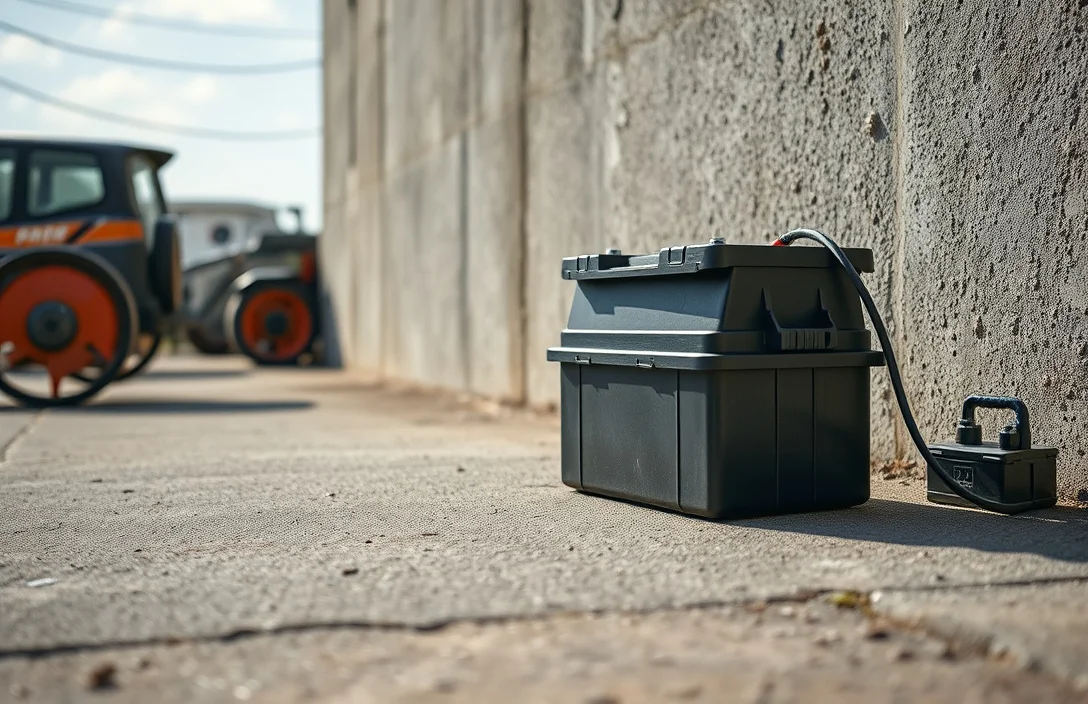
For everyday storage, keep batteries on a dry, nonconductive surface. A mat or a piece of wood between the battery and concrete minimizes thermal exchange with the floor and reduces moisture contact. If you expect long storage, attach a battery maintainer or trickle charger to hold a healthy resting voltage. This practice reduces the chance of sulfation and keeps the battery ready for action.
Testing voltage regularly is straightforward and enlightening. Resting voltage is a good proxy for state of charge. A 12.6V resting reading typically indicates a fully charged battery, while 12.4V signals some discharge, and 12.0V or lower often means it needs charging. If you’re seeing a rapid drop under no load, you likely have a parasitic draw or a failing component in the charging circuit. Keep a log of voltage readings to spot trends and catch problems early.
Checklist for safe storage and monitoring:
- Keep the floor dry and clean; wipe away any condensation or spills.
- Elevate the battery on a nonconductive pad or mat.
- Use a smart charger or maintainer for long storage periods.
- Inspect terminals for corrosion; clean and reseal as needed.
- Test resting voltage every 2-4 weeks during storage and document changes.
In practice, the best approach is to keep the battery in a moderate environment, limit parasitic draws, and test regularly. This combination matters far more than the surface the battery sits on.

Helpful pick
NOCO GENIUS1: 1A 6V/12V Smart Battery Charger – Automatic Maintainer, Trickle Charger & Desulfator with Overcharge Protection & Temperature Compensation – for Lead-Acid & Lithium Batteries
The NOCO GENIUS1 charger automatically maintains battery health, ideal for long storage periods.
Safety and common mistakes to avoid
Battery safety isn’t about the floor’s material; it’s about the chemistry and the environment. Always work in a well-ventilated area, keep flames away, and wear eye protection when dealing with exposed terminals or flooded designs. Ensure cables are in good condition and that clamps are tight but not over-tightened, which can damage terminals. If a battery is cracked or leaking, handle it as hazardous waste and replace it.
Common mistakes include leaving the battery in direct sunlight or in a space with temperatures above 120F (49C) or below 20F (-7C). Both extremes accelerate degradation and can trigger safety devices in Li-ion packs. Never attempt to jump-start a damaged battery. If you suspect terminal corrosion, clean with a solution of baking soda and water, dry thoroughly, and apply a protective terminal spray to prevent future corrosion.
Two practical behaviors for safe handling:
- Wear eye protection when cleaning terminals and never use metal tools on a live terminal.
- Store away from metal shelves or other conductive materials that could create a short if moisture is present.
💡 This automatic battery charger helps maintain battery health, ensuring safety when working with exposed terminals. MOTOPOWER MP00205A 12V 800mA Automatic Battery Charger, Maintainer, Trickle and Desulfator.
Verdict and practical next
The surface your car battery sits on does not drain it by itself. If you want to minimize drain in everyday life, focus on the electronics in the car, the charging system, and proper storage practices. Use a mat on the floor, keep the area dry, and check voltage with a multimeter every few weeks. For long-term storage, a maintainer is a smart investment, especially for lead-acid variants.
If you’re about to store a battery:
- Keep it away from extreme heat or cold.
- Use a cushioned, nonconductive base to reduce vibration and moisture transfer.
- Test resting voltage periodically to catch problems early.
The practical takeaway is simple: concrete isn’t the drain. Parasites, temperature, and battery chemistry are the real players. So plan around those factors, not the floor.
FAQ
Does a damp concrete floor increase the risk of draining a battery?
In most garages or workshops, damp concrete doesn’t actively drain a battery. The concern is corrosion or a conductive path created by moisture around terminals. If terminals are clean, dry, and tight, damp floors pose no immediate charge loss. Dampness can accelerate corrosion on metal parts, so keep terminals protected and dry.
How long can a battery sit on concrete before charging without harm?
A healthy battery can sit on concrete for days to weeks without issue, provided the area is dry and climate-controlled. The risk comes from parasitic drain or aging rather than the floor. If the car sits unused for long, monitor voltage and use a maintainer if needed.
Does temperature on concrete affect battery life?
Yes. Extreme heat or cold impacts how a battery holds a charge and its immediate output. The concrete floor can influence thermal exchange, but the effect is secondary to ambient temperature and the battery’s chemistry. Protect batteries from sustained temperature swings.
Should I store a battery on a mat to protect from concrete?
Yes. A rubber or plywood mat reduces heat loss and moisture transfer, protecting the case and terminals. It’s a simple, practical step that helps prolong life, especially in damp or cold environments and during long storage.
Are lithium batteries safer on concrete than lead-acid?
Lithium packs with a healthy BMS are less prone to unsafe charging conditions, but the same rules apply: avoid deep discharge and use proper charging. On concrete, the risk of drain remains negligible; the bigger concern is thermal management and the charger’s compatibility with the pack. Proper charging and BMS protection are the keys.

- 10 Best Battery For Generator Battery Safety System 2026 - October 12, 2026
- 10 Best Battery For Generator Battery Safety Option 2026 - October 12, 2026
- 10 Best Battery For Generator Battery Safety 2026 - October 12, 2026