Do Batteries Expire If Not Used?
Batteries lose usable capacity even when they sit idle, so yes, they can expire without ever being used. The pace and shape of aging depend on chemistry, temperature, and how long they sit on the shelf. A basic rule: the longer a pack sits – and the warmer the storage – the more capacity you’ll lose. The key is to manage storage conditions and pick the right type for long-term stash.
Stored batteries age regardless of use. Do batteries expire if not used? Yes, but the effect is mostly about self-discharge and slow chemical changes rather than a single moment of obsolescence. Understanding how storage time, temperature, and chemistry interact helps you decide which batteries to stock, how to store them, and when to rotate spares.
Key Takeaways
- Shelf life varies by chemistry. Unopened alkaline batteries often list 5-10 years; Li-ion packs commonly show 2-3 years in storage.
- Cool, dry storage helps. Target cool, dry environments around 15-20C when possible to slow aging.
- Don’t rely on a full charge for storage. Some chemistries tolerate storage at a nominal state of charge better than others.
- Test before reuse. If a stored battery shows low voltage, replace or recondition per maker guidelines.
- Inspect for damage. Swelling, corrosion, or leakage means the battery should be retired and disposed of safely.
Do batteries degrade when they sit unused?
Recommended Products

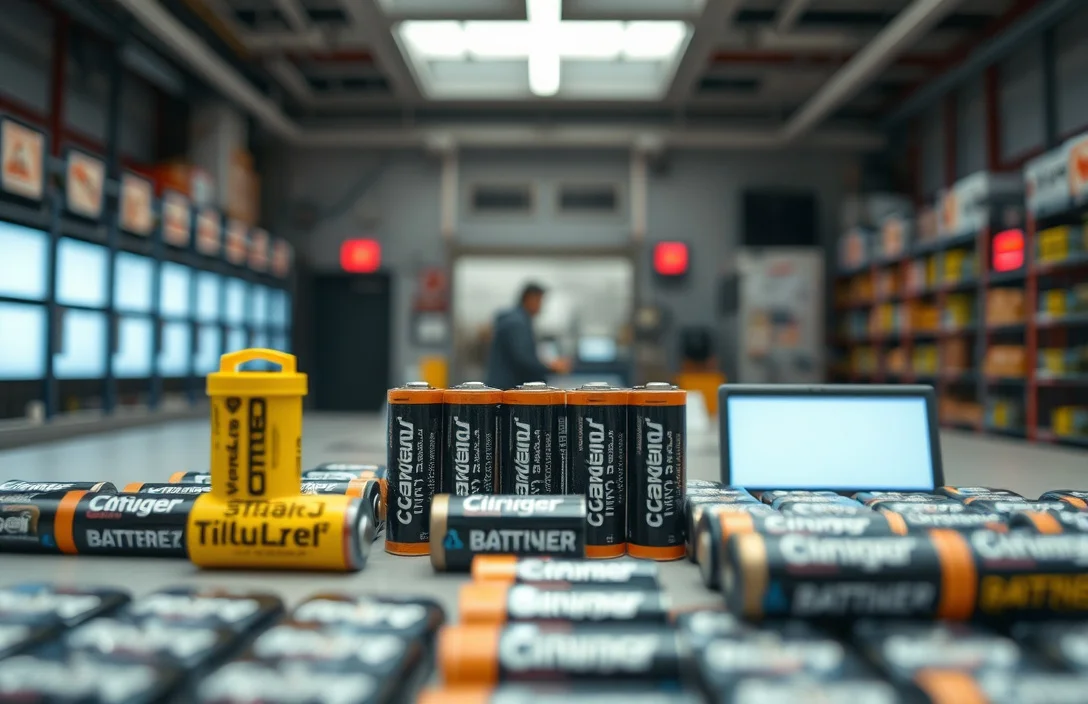
Batteries age even without being drawn down by a device. The electrochemical reactions inside proceed slowly, so capacity falls and self-discharge trims remaining energy. The timing and severity depend on what chemistry the cell uses and how it’s stored. In practice, you’ll notice the effect as a gradual drift in voltage and a shorter usable window after you put the battery into service again.
For example, a pack that isn’t used for years will not be magically preserved at its label capacity. Some chemistries are more forgiving than others, and some storage methods blunt the aging curve. You can mitigate this by choosing appropriate storage conditions and buying spares with a clear sense of how long you expect them to sit idle.
In practice, every battery type ages on the shelf, but the rate is not the same across chemistries. The day you pull a stored cell from a box, you may find it still holds a charge, or you may discover it shows a reduced voltage and needs reconditioning or replacement.
How different chemistries age in storage
Recommended Products
Different chemistries respond to idle storage in distinct ways. Alkaline cells, rechargeable NiMH, lithium-based chemistries, and lead-acid packs all have their own aging profiles. The practical takeaway is simple: pick the chemistry that matches your storage horizon and intended use.
Two broad patterns emerge. First, non-rechargeable chemistries (like alkaline) generally sit with minimal risk of swelling or dangerous behavior if kept dry and cool, but they do lose capacity slowly over years. Second, rechargeable chemistries (NiMH, Li-ion, LiFePO4) are more sensitive to long idle periods if left in a deeply discharged state or exposed to heat; their self-discharge and potential for reduced capacity when re-used increases with storage time.
Table: Chemistry at a glance (storage-oriented view)
- Alkaline: Typically non-rechargeable; long shelf life when unopened; best kept dry.
- Lithium-ion (Li-ion): Rechargeable; better at holding charge over time than some alternatives; vulnerable to deep discharge if stored improperly.
- Nickel-metal hydride (NiMH): Rechargeable; self-discharge can be noticeable over months; benefits from being kept at moderate state of charge.
- Lithium iron phosphate (LiFePO4): Rechargeable; stable chemistry with good shelf life when stored correctly; BMS can limit aging effects in packs.
- Lead-acid (sealed or flooded): Rechargeable; self-discharge is real and increases with temperature; requires periodic top-up to avoid sulfation when stored long-term.
What this means in real life is simple: if you want batteries to be ready when you grab them, you pick the right chemistry for your expected idle period, and you store them at stable, cool temperatures. If you expect the stash to sit for years, alkaline or LiFePO4 options tend to be more forgiving, while Li-ion requires more careful conditioning.
In practice, the practical effect of aging shows up as lower voltage after a long idle, shorter run time per charge, and, in rechargeable types, higher self-discharge when you finally use them again. A careful balance of chemistry choice, storage temperature, and how you handle the charge state before storage determines how much the battery loses in the idle period.
Temperature, humidity, and time matter
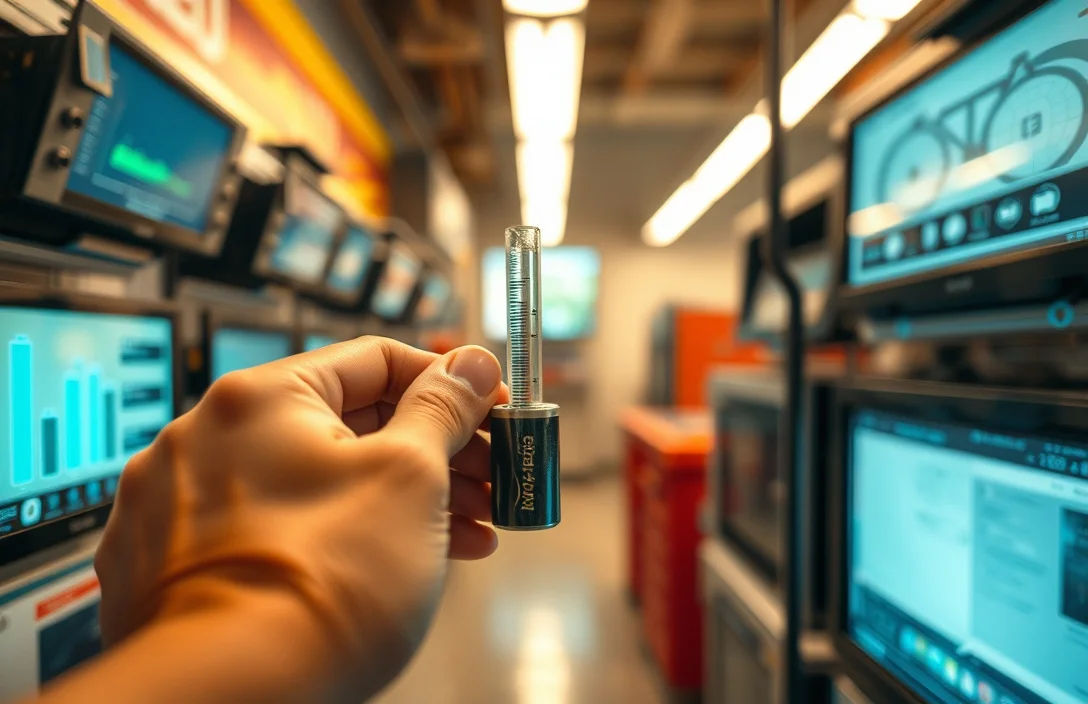
Storage temperature is the most controllable factor in preserving batteries. Heat accelerates chemical reactions inside cells, increasing self-discharge and the risk of leakage or swelling in some chemistries. Cold slows aging but can cause performance dips if a battery is used straight away after being cold. The ideal is a cool, dry place, away from direct sunlight and fluctuating temperatures.
Humidity adds another layer of risk. High humidity can promote corrosion at terminals and connectors, especially on outdoor or poorly sealed devices. Low humidity environments reduce corrosion but may not be practical in humid climates unless you use sealed storage containers. For most households, a closet with a stable temperature and a small desiccant pack inside plastic storage can help keep moisture at bay without cost or complication.
For long idle storage, time is your enemy or ally depending on chemistry. A few months of idle time in Li-ion packs might be fine, while the same window in a sealed lead-acid battery can lead to sulfation if not kept charged. Unopened alkaline cells usually tolerate longer idle times, but even they slowly drift in capacity and voltage as the years roll by. The practical approach is to treat storage time as a variable you control with temperature and packaging, not as an immutable fate.
For example, when you store a mixed batch of batteries in a cool cabinet, you’ll notice the ones in the Li-ion family retain more of their nominal voltage after several months than NiMH cells stored at the same ambient conditions. That difference comes down to chemistry and how each type handles idle charge.
Storage guidelines by battery type
Alkaline (non-rechargeable): Keep in a cool, dry place; avoid freezing and high heat. Do not leave in devices that draw current when idle for long periods. If you expect extended storage, label and rotate spares so you don’t lose track of shelf life.
Li-ion and LiFePO4 (rechargeable): Store at a modest charge state if possible, and keep away from heat. Use a dedicated storage container or case to minimize physical damage and moisture exposure. For long shelf life, consider a cooler environment and periodic checks to prevent deep discharge.
NiMH (rechargeable): Best stored with a light to moderate charge to limit self-discharge. If you won’t use them for a while, recharge them every few months to maintain capacity, and keep them in a dry place away from heat.
Lead-acid (sealed and flooded): Store in a charged state, in a ventilated area with minimal heat. Check electrolyte levels if applicable and top up as needed. Avoid freezing temperatures that can cause permanent damage.
In practice, follow the manufacturer’s storage guidance for the specific chemistry in your batteries. A practical rule: keep the storage area clean, cool, dry, and stable; avoid temperature spikes; and label batteries with purchase or manufacture dates to guide rotation. The goal is to keep aging slow and predictable, not to chase perfect capacity years later.

Helpful pick
GlossyEnd Set of 4 – Two AA and Two AAA Battery Storage Box, Battery Storage Case Holder with Tester, Clear. Each Case Stores 48 Batteries
This battery storage case helps keep your batteries organized and easily accessible, ensuring proper storage guidelines are followed.
Essential Tools for Battery Storage and Maintenance
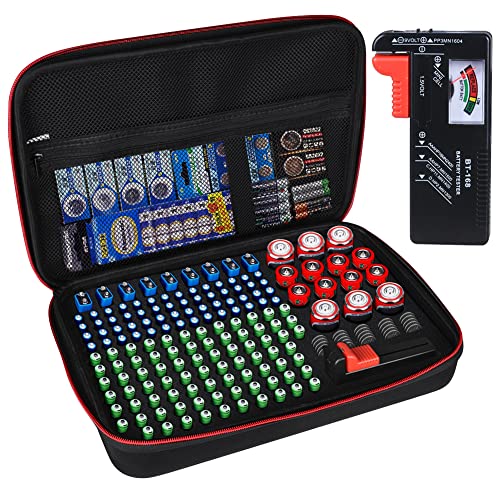
Battery Organizer Storage Box with Tester, Battery Vault Case Fireproof Waterproof Explosionproof Holder Box with Tester BT-168 Checker Carrying Case Container Bag Fit for 200+ Batteries AA AAA C D 9V
The Battery Organizer Storage Box with Tester keeps your batteries safe and organized, helping you monitor their condition and expiration when not in use.
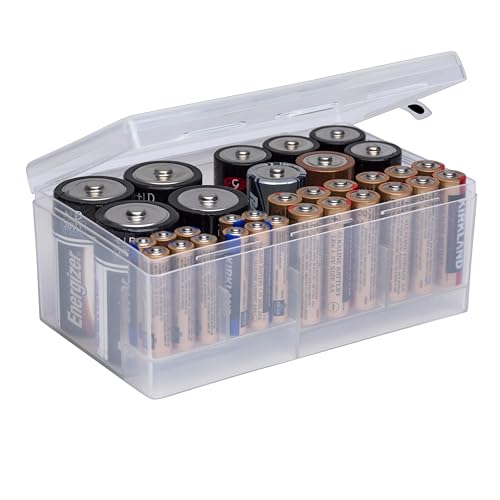
Dial Industries Battery Storage Organizer Case, 12 AAA, 12 AA, 6 C, 4 D
Dial Industries Battery Storage Organizer Case provides a structured way to store various battery sizes, ensuring you can easily check for expiration dates.

Zeee Fireproof Explosionproof Large Capacity Battery Storage Guard Pouch for Lipo Charge & Storage (8.46 x 6.5 x 5.71 in)
Zeee Fireproof Explosionproof Battery Storage Guard Pouch offers secure storage for your batteries, protecting them from damage and helping you keep track of their lifespan.
How to test stored batteries before reuse
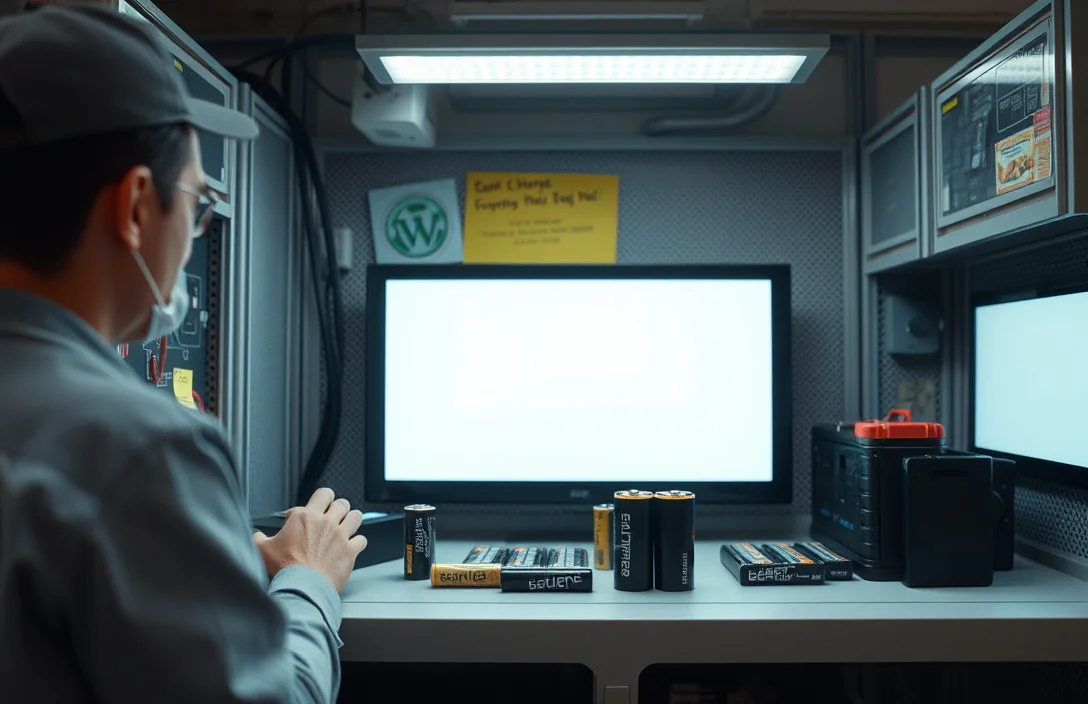
Testing ensures you don’t put a decrepit cell back into service. A simple voltage check with a digital multimeter can reveal whether a battery still holds a reasonable charge. Compare the measured voltage to the nominal value for the chemistry. If the reading is far below spec, replace or recharge according to the maker’s guidance. For rechargeable packs, a controlled load test or a professional battery tester can give a clearer picture of health.
Visual inspection matters too. Look for swelling, corrosion, or leaks at terminals and around the enclosure. Any sign of damage means disposal, not reuse. For devices that use multiple cells, uneven voltages across cells can indicate weak or failed cells – these require replacement of the pack or cell group. When in doubt, consult the device or battery manufacturer’s testing procedure and safety precautions.
In practice, regularly scheduled checks beat surprise failure. Create a simple rotation plan: every 6-12 months, pull out stored spares, test them, and repackage as needed. If a battery fails basic voltage tests after this quick check, it’s safer to retire it than risk leakage or device damage.
Practical storage plan you can start today
- Keep a dedicated, cool space for batteries. A small cabinet or bin with a lid and a thermometer helps you keep temperatures stable.
- Separate chemistries. Do not mix coins, AA, AAA, and car batteries in the same container; use labeled bags or dividers.
- Maintain a minimal but not zero charge for rechargeable packs. For Li-ion and LiFePO4, store with a protective charge in line with manufacturer guidance.
- Use desiccants and airtight containers to reduce humidity and condensation at the terminals.
- Rotate spares on a regular schedule. Check voltage, recondition or replace as needed, and re-seal for future storage.
- Inspect annually for signs of damage. Replace any battery showing swelling, corrosion, or leakage.
Quick-start
- Identify the chemistry of each battery.
- Determine expected idle time until use.
- Set storage temperature targets near 15-20C.
- Create a labeling and rotation system.
- Add a quarterly test routine for voltage and physical integrity.

Helpful pick
BTSKY 1 Pack Clear Acrylic Battery Storage Organizer for AA, AAA, 9V, C Batteries, 4-Drawer Storage Box Battery Holder Organizer for Common Types Batteries, Household Container(Batteries Not Included)
This battery storage organizer keeps your batteries separated and organized, making it easy to find the right type.
When to replace versus reuse and how to dispose
If a stored battery begins to show swelling, leakage, or corrosion, dispose of it safely according to local guidelines. Do not attempt to recharge or recondition a damaged cell. For rechargeable packs, a healthy voltage reading alone is not enough; you should test under load to confirm capacity. When in doubt, treat a borderline battery as a candidate for replacement rather than risking device damage or safety hazards.
If you expect to use batteries sporadically, build a rotation schedule aligned with the expected device usage. Having a predictable cadence reduces the chance that you end up with a batch of dead or unreliable cells. Disposal should follow local recycling programs; many communities accept alkaline, NiMH, Li-ion, and lead-acid batteries at designated collection points.
FAQ
How long do batteries last when stored properly?
A: Shelf-life varies by chemistry, but unopened alkaline batteries often list 5-10 years, Li-ion storage commonly 2-3 years, and NiMH around 3-5 years, with temperature and humidity affecting outcomes.
Q: Should I refrigerate batteries to extend life?
A: Refrigeration can slow aging for some chemistries if the temperature stays above freezing and condensation is prevented. Always keep batteries in their original packaging or sealed containers to prevent moisture.
Q: Can a stored battery still be charged after a long idle period?
A: It depends on chemistry and the length of idle time. Some packs recover after a gentle recharge; others may show persistent voltage loss and require replacement.
What’s the safest way to store mixed batteries?
A: Keep different chemistries separate, use labeled containers, and avoid stacking or compressing packs. Temperature stability and dry conditions reduce risk of leakage.
What mistakes cause faster aging in storage?
A: Storing at high temperatures, discharging rechargeable packs too deeply, and leaving batteries in devices where they can slowly drain are common errors.
Practical verdict: do batteries expire if not used, yes, but you can control the rate by picking the right chemistry for your horizon, storing them cool and dry, and testing before reuse. If you want a reliable spare stash, plan for rotation every 6-12 months and retire any battery showing swelling, leakage, or low voltage. The key is to treat idle time as a factor you manage, not a certainty you accept.
If you’re stocking for devices used infrequently, start with a mix of alkaline spares for long idle periods and LiFePO4 or Li-ion packs for devices you rotate periodically. Keep them away from heat, and check voltage before putting them back into service. You’ll avoid surprise failures and keep your gear ready when you need it.

- 10 Best Battery For Generator Battery Safety System 2026 - October 12, 2026
- 10 Best Battery For Generator Battery Safety Option 2026 - October 12, 2026
- 10 Best Battery For Generator Battery Safety 2026 - October 12, 2026