Does A Car Warranty Cover Battery?
Battery coverage under a car warranty depends on your policy terms and vehicle type. Most new cars cover battery faults under the bumper-to-bumper warranty if the failure results from a defect, not from wear or neglect. Hybrid and electric vehicles usually come with a separate, longer-lasting battery guarantee. Always check the specific terms for your model to understand your coverage.
Battery coverage generally applies to defect-related failures within the warranty period. Wear, neglect, or improper maintenance typically voids coverage. Some vehicles include a dedicated battery warranty with distinct terms. To fully grasp your coverage, review both the bumper-to-bumper warranty and any separate battery warranty.
Key Takeaways
- Defect Coverage: Usually applies within 3 years or 36,000 miles for battery defects.
- Exclusions: Normal wear or improper maintenance are typically excluded from coverage.
- Dedicated Warranties: Many cars have a separate battery warranty, often lasting 3-5 years or 36-60k miles.
- Hybrid and EV Coverage: High-voltage batteries in hybrids and EVs often have warranties of 8-10 years.
- Read the Details: Consult the warranty booklet and ask your dealer about model-specific terms.
Understanding Battery Coverage
Recommended Products



Battery coverage consists of two main categories: defect coverage and wear coverage. If a battery fails due to a manufacturing defect within the warranty period, it’s usually covered under the bumper-to-bumper warranty. In contrast, normal wear, age-related capacity loss, or damage from improper maintenance is generally not covered.
Many automakers provide a separate battery warranty with its own conditions and duration. For hybrids and EVs, the high-voltage traction battery often has a longer warranty than the standard bumper-to-bumper coverage. Check both warranties to compare the terms and limits.
When Battery Coverage Applies
Recommended Products


Defect coverage addresses failures caused by manufacturing flaws rather than normal usage. Dealerships will inspect the battery to determine whether the issue qualifies as a defect under the warranty. If it does, you typically pay little to nothing for repairs or replacements, depending on your plan.
Wear coverage generally refers to aging, sulfation, or capacity loss due to regular use. This coverage is usually excluded unless your policy explicitly includes wear-related battery coverage. In rare instances, rapid degradation may be treated as a defect, but this depends on the specific terms and diagnosis.
Warranty Types and Durations
Recommended Products



Warranty terms differ by manufacturer, but the standard classifications are as follows:
| Warranty Type | Coverage Details | Typical Duration |
|---|---|---|
| Bumper-to-bumper (new car) | Battery defects covered; wear excluded. | 3 years / 36,000 miles |
| Battery-specific warranty | Battery defects covered under a separate term. | Conventional batteries: 3-5 years / 36-60k miles |
| Hybrid/EV high-voltage battery | Defects covered under a longer term. | 8-10 years / 100-150k miles |
The specifics can vary by manufacturer, so confirm the exact terms in your vehicle’s warranty booklet.
Special Considerations for Hybrids and EVs
Recommended Products
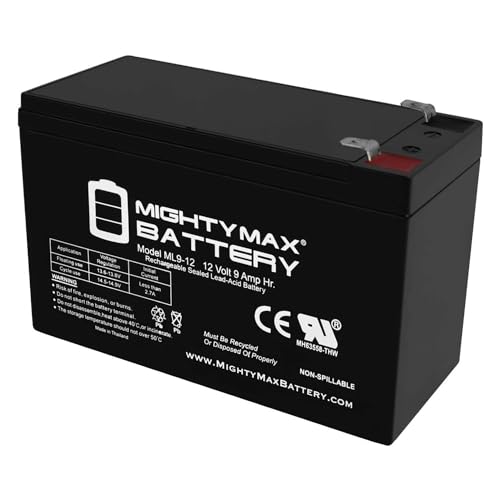

Hybrids and EVs use a high-voltage traction battery to power the drivetrain. This battery usually has its own warranty, separate from the standard vehicle warranty. Typically, the high-voltage battery warranty lasts longer and covers more potential issues than the bumper-to-bumper plan.
Most manufacturers offer these warranties for 8-10 years or 100-150k miles, depending on the brand. The exact coverage details and what constitutes a defect can vary, so pay close attention to model-specific terms.
Essential Tools for Battery Warranty Management
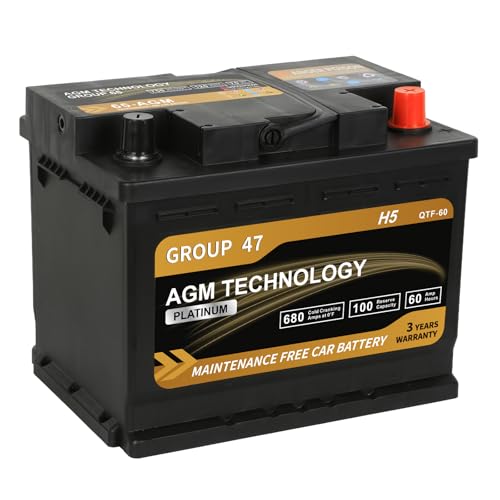
Daakmax Platinum AGM Car Battery Group Size 47 H5, 12V 60Ah, 680 CCA, 100 RC, Rechargeable Start-Stop Automotive Battery with 36-Month Warranty
The Daakmax Platinum AGM Car Battery comes with a 36-month warranty, providing peace of mind regarding battery coverage under your car’s warranty.

Weize Platinum AGM Battery BCI Group 49-12v 95ah H8 Size 49 Automotive Battery, 160RC, 900CCA, 36 Months Warranty, Dimensions 13.9″ L x 6.89″ W x 7.48″ H
With a 36-month warranty, the Weize Platinum AGM Battery ensures you have reliable battery support, which may align with your car warranty coverage.

Autocessking Group Size 65 Start and Stop AGM Automotive Car Battery, 12V 70Ah, 750 CCA, 120 RC, 36 Months Warranty
The Autocessking Group Size 65 battery includes a 36-month warranty, helping you understand potential coverage options for your vehicle’s battery under its warranty.
Factors That Void Coverage
Recommended Products



Improper maintenance and usage can void your warranty. Using the wrong charger, installing aftermarket parts, or neglecting battery cooling guidelines may jeopardize coverage. Accidents, neglect, or improper installation by unauthorized repair shops can also lead to coverage denial.
To protect your coverage:
- Keep maintenance logs and receipts for battery work.
- Use OEM or manufacturer-approved parts and chargers.
- Have repairs performed at authorized dealerships or certified shops.
- Document symptoms and timing of any battery issue with dates and mileages.
Taking these precautions can help clarify disputes over whether a fault is due to a defect or wear.
How to Check Coverage and File a Claim
Start by reviewing your warranty booklet and your vehicle identification number (VIN). The dealer can provide the exact terms specific to your car. If you suspect a defect, schedule a diagnosis with an authorized shop and prepare a clear symptom timeline, including any error codes.
Steps to file a claim:
- Gather warranty documents, VIN, and proof of purchase.
- Document the exact battery symptom (e.g., difficulty starting, voltage drop) and when it started.
- Contact the selling dealer or manufacturer customer service to initiate a claim.
- If the diagnosis confirms a defect, authorize repair or replacement under warranty terms.
Practical Checklist for Next
- If the battery failure is within the warranty term and due to a defect, contact the dealer immediately.
- If the failure is outside the term or clearly wear-related, consider goodwill options, extended warranties, or a paid repair estimate.
- Evaluate the total cost of a battery replacement against the value of extended coverage for your situation.
- Keep records and request a formal warranty decision in writing.
In summary, a battery failure caused by a defect during the warranty term is generally covered; wear, neglect, and post-term failures are usually not. Check with your dealer using your VIN to assess your options for repair under warranty or to explore alternatives.
FAQ
Does a car warranty cover a dead battery?
A dead battery may be covered if the failure is due to a manufacturing defect and occurs within the warranty term. Coverage typically excludes normal wear, improper maintenance, and damage from misuse. If diagnosed as a defect, repairs or replacements are usually provided at little or no cost.
How long does a typical car battery warranty last?
Warranty terms vary by manufacturer and battery type. A standard bumper-to-bumper warranty lasts about 3 years or 36,000 miles, while a separate battery warranty commonly covers 3-5 years or 36-60k miles. Hybrid and EV batteries often have warranties of 8-10 years or 100-150k miles.
Will a battery failure outside warranty be covered as a goodwill gesture?
Dealers may offer goodwill coverage, particularly if you are nearing the end of the warranty term or have a solid maintenance history. This is not guaranteed and depends on the brand, model, and dealer policy. Always request a formal written offer before agreeing to service.
Do hybrid and EV battery warranties differ from conventional cars?
Yes. High-voltage battery warranties for hybrids and EVs are usually longer and separate from standard bumper-to-bumper terms. Expect 8-10 years or 100-150k miles, with transferability conditions varying by manufacturer.
What steps should I take to file a claim?
Confirm the issue with an authorized shop, gather your VIN and warranty documents, document symptoms with dates and mileage, and contact the dealer or manufacturer to start the claim. If a defect is confirmed, the repair or replacement will proceed under warranty terms.

- 10 Best Battery For Generator Battery Safety 2026 - October 12, 2026
- 10 Best Battery For Generator Battery Rv Upgrade 2026 - October 12, 2026
- 10 Best Battery For Generator Battery Retrofit System 2026 - October 12, 2026