Does A Car Battery Fall Under Warranty?
A car battery warranty varies by seller, battery type, and the cause of failure. If you purchased an OEM battery or a retailer-brand battery with a defined defect window, you may receive a replacement or credit for a defect. Understanding the terms is essential to know who pays if the battery fails.
Warranty coverage depends on whether the battery is OEM or aftermarket and the retailer’s terms. Most defect coverage lasts 2 to 3 years, offering either a free replacement or prorated credit if the battery fails within that timeframe. Some brands provide longer terms for premium batteries.
Key Takeaways
- Common window. Most defect coverage lasts 2 to 3 years, with replacement or prorated credit for failures in that period.
- OEM vs aftermarket. OEM batteries usually align with vehicle warranties; retailer warranties vary from 1 to 4 years.
- Keep proof. Save the purchase receipt and installation date to file a warranty claim.
- What counts. Defects in materials or workmanship qualify; improper maintenance typically does not.
- How to claim. Contact the seller or manufacturer, and expect a battery test to determine coverage.
- Credit option. Some plans offer prorated credit toward a new battery if the failure occurs late in the term.
How Warranties Work for Car Batteries
Recommended Products


Warranty coverage kicks in when the battery fails due to a defect in materials or workmanship within the specified term. Failures after the defect window may still receive support, but typically as prorated credit rather than a full replacement. Understanding the exact terms at purchase is crucial.
The claim process usually starts with proof of purchase and installation date. A basic battery test helps determine if the failure falls under defect coverage. If it does, you’ll generally receive a new battery at no cost or a prorated credit toward a replacement if you’re beyond the initial window. If the test reveals wear, improper use, or other non-covered causes, the claim may be denied.
Map out your steps now: locate your warranty paperwork, note the battery part number, and save the installation date. This preparation makes the claim process smoother if the battery dies unexpectedly. Ensure the vehicle’s charging system works correctly, so a malfunctioning alternator or parasitic draw isn’t mistakenly blamed on the battery.
OEM vs Aftermarket Batteries and Warranty Terms
Recommended Products


OEM batteries often carry the vehicle manufacturer’s warranty structure, usually aligned with the car’s basic or powertrain coverage. If the battery fails while still covered, a dealer may replace it at no charge or reduce the out-of-pocket cost. The specifics depend on the make and model and the exact warranty language.
Aftermarket or retailer-brand batteries come with their own warranty terms, which can differ significantly between brands and stores. Some retailers offer longer replacement terms for premium or high-end batteries, while others stick to shorter windows with prorated credits after the first year or two. Read the fine print for what counts as a defect, what tests are required, and how replacements or credits are issued.
When shopping, do not assume the vehicle warranty automatically covers a new battery. Clarify whether the battery warranty is separate from the vehicle warranty and if coverage transfers if you sell the car or move it to a new owner. Most owners find clearer terms when purchasing an OEM replacement from a dealer rather than an off-brand battery.
What Counts as a Warranty Claim and What Doesn’t
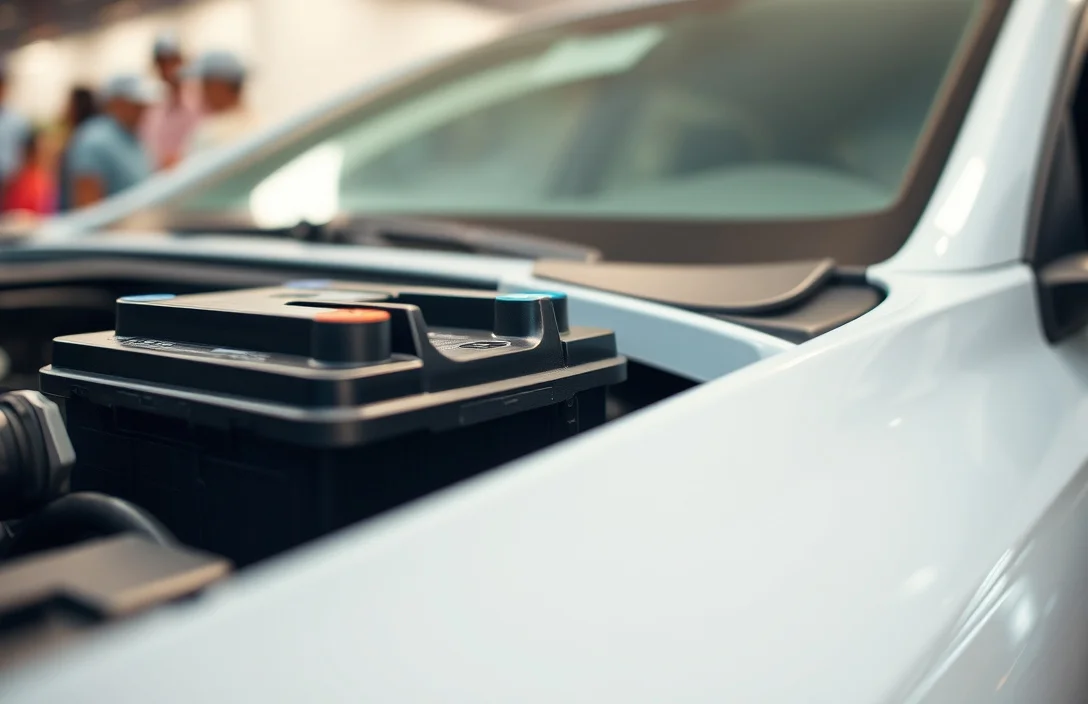
A valid claim hinges on a defect in materials or workmanship within the warranty window. If the battery simply wears out from age or if improper maintenance contributed to the failure, coverage may be limited or denied. Typically, a battery test verifies the root cause before any replacement is approved.
The test matters. A reliable shop or retailer typically performs a load test or measures cold-cranking amps and overall health to confirm whether defects are at fault. If the test identifies a manufacturing defect, you’re likely within coverage. If the issue stems from non-covered causes, such as deep discharge from leaving the lights on, the warranty may be void or prorated.
For filing a claim, gather your purchase receipt, the battery’s lot or serial number, and installation date. Clearly explain the failure circumstances and follow the retailer’s or manufacturer’s steps for testing and documentation. A straightforward case improves your chances of a smooth replacement or credit.
How to Check Your Coverage and Estimate Remaining Value
Start with the paperwork. The warranty card or retailer’s receipt lists terms, coverage window, and conditions. Some warranties are per-battery, others per-vehicle, and a few may require registration or activation after purchase. Knowing whether your coverage is transferable matters if you sell the car or move it to a new owner.
Next, call the seller or manufacturer with the battery’s part number, purchase date, and vehicle VIN. Ask for exact coverage terms, required tests, and whether a replacement or prorated credit applies if the battery fails within the window. If you’re outside the defect window or the battery shows wear, request an estimate of any prorated credit and the cost to replace with a similar battery.
You can often verify coverage by logging into the retailer’s account portal or the manufacturer’s support site to view warranty status. If online access isn’t available, a quick trip to the service desk or a call to customer support typically yields the same information. Having the car and battery ready speeds up the process.
Essential Tools for Managing Battery Warranties
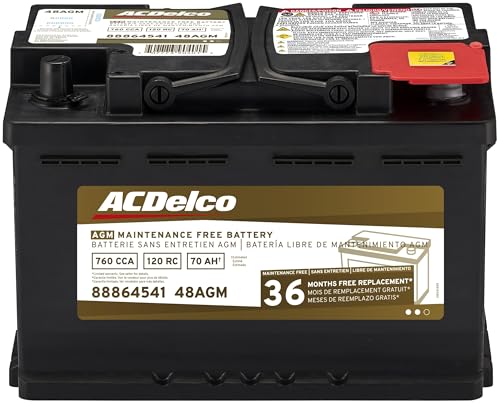
ACDelco Gold 48AGM (88864541) 36 Month Warranty AGM BCI Group 48 Battery
The ACDelco Gold 48AGM battery comes with a 36-month warranty, ensuring peace of mind regarding its performance and reliability.
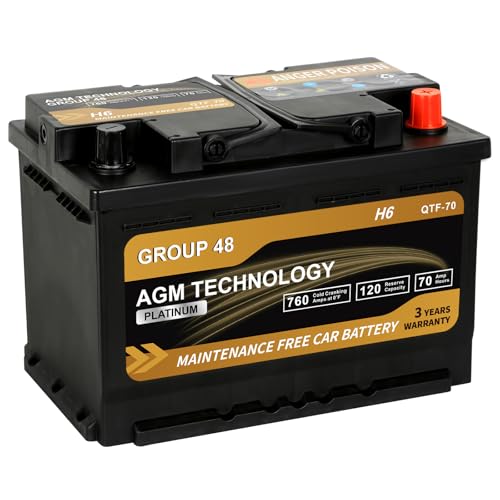
Daakmax Platinum AGM Car Battery Group Size 48 H6, 12V 70Ah, 760 CCA, 120 RC, Rechargeable Start-Stop Automotive Battery with 36-Month Warranty
Daakmax Platinum AGM Car Battery offers a 36-month warranty, providing assurance that your investment is protected against defects and performance issues.

ACDelco Gold 94RAGM (88864542) 36 Month Warranty AGM BCI Group 94R Battery
The ACDelco Gold 94RAGM battery includes a 36-month warranty, helping you understand your coverage options when considering battery reliability and longevity.
Common Reasons Warranties Get Denied and How to Avoid Them

Warranties are more likely to be denied when the failure stems from improper installation, using non-approved chargers, or environmental factors that accelerate wear. Corrosion from poor terminal maintenance or rust on the battery tray can undermine coverage if documentation shows neglect.
To avoid surprises, insist on professional installation from the start and use a replacement battery that matches your vehicle’s specifications. Keep the installation receipt, date, and exact battery model. Regular terminal cleaning and maintaining a clean, dry battery bay help prevent corrosion that complicates warranty claims.
You should not assume a claim is approved. Proactively verify the failure cause with a test, confirm warranty terms, and understand any required steps to file a claim. Clear communication with the seller up front reduces friction if something goes wrong later.
How to Maximize Warranty Value and Avoid Surprises
Treat the battery as a critical part of your car’s reliability. Have it installed by a professional, especially if your vehicle requires a specific battery type or size. Retain the original receipt and note the installation date; this documentation is crucial if the warranty comes into play.
Stay on top of maintenance and environmental factors. In cold climates, battery performance declines; keep the battery charged and consider regular checks during winter. If a replacement is needed, compare the warranty terms of OEM versus aftermarket options and weigh total cost of ownership, including potential prorated credits.
Set a calendar reminder to test the battery and charging system annually or after major service. If you notice slow cranking or dim lights, run a diagnostic sooner rather than later. Early detection can help preserve warranty eligibility and minimize roadside frustration.
Decision Guide: File a Claim or Buy a New Battery
If the battery fails within the defect window and a test supports a defect, file a claim for a replacement or credit. Near the end of the window, if the test shows wear, calculate whether the prorated credit plus the replacement cost is cheaper than buying new outright. When the cost gap is small, a new battery often makes sense to avoid repeated failures.
If uncertain, ask for a written estimate of the replacement cost with and without warranty coverage. Compare that to the prorated credit and any roadside assistance benefits. The decision often comes down to total out-of-pocket cost and the likelihood of a warranty denial based on the failure’s cause.
Warranty Options at a Glance
| Type | Typical Coverage Window | What Counts as Coverage | How to Claim |
|---|---|---|---|
| OEM battery | 2-3 years for defects; longer terms possible | Defects in materials or workmanship; wear not included | Visit dealer; provide receipt, battery model, VIN |
| Retailer-brand battery | 1-4 years; varies by retailer | Defects in manufacturing; wear and external damage may be excluded | Return to retailer with receipt and installation date |
| Premium aftermarket | 3-5 years; varies by brand | Defects in manufacturing; may require product registration | Contact manufacturer; provide proof of purchase and battery serial |
| Fleet or professional service | Varies by contract | Defects under service agreement; may include roadside benefits | Coordinate with fleet manager or service desk; follow test protocol |
The right choice depends on your car, its age, and how you use it. If you want peace of mind, pairing a replacement with a longer warranty from a reputable retailer or dealer is a smart approach, especially in climates that challenge battery performance.
Verify the warranty terms, ensure the claim’s basis with a test, and consider actual coverage and costs. If eligible, file promptly; if not, compare replacement costs and prorated credits to plan for the next battery cycle.
FAQ
How long should a typical car battery last under warranty?
Most warranties for defective batteries run 2-3 years. Actual replacement windows vary by maker and retailer, with some premium options offering longer terms. If the battery fails due to a defect within the window and passes the required tests, you typically receive a free replacement or prorated credit toward a new battery.
Is the car’s overall warranty likely to cover the battery?
Vehicle warranties sometimes cover defective batteries during the basic term. Many policies treat the battery as a wear item outside their scope, so coverage depends on the exact contract and whether the failure is deemed a defect. Check both the vehicle and battery terms to confirm.
What documentation do I need to file a battery warranty claim?
Keep the receipt, installation date, and battery model number. You’ll also want the vehicle VIN and any test results from the service provider. Having this information ready speeds up the claim and reduces the chance of denial due to missing paperwork.
How do I know if a failure is covered or excluded?
Coverage hinges on defect versus wear or improper use. If a defect is confirmed by testing and within the window, you’re likely covered. Failures from deep discharge, improper charging, or neglect typically fall outside coverage, depending on the policy.
Do used or remanufactured batteries have warranty protection?
Used or remanufactured batteries often carry shorter or no warranty. Always verify the terms with the seller before purchase, and confirm what happens if the battery fails soon after installation. Ask for a written note detailing coverage and exclusions.

- 10 Best Battery For Generator Battery Safety System 2026 - October 12, 2026
- 10 Best Battery For Generator Battery Safety Option 2026 - October 12, 2026
- 10 Best Battery For Generator Battery Safety 2026 - October 12, 2026