Do Bumper To Bumper Warranties Cover Batteries?
Do bumper-to-bumper warranties cover batteries? Not always. These warranties typically protect against defects in materials and workmanship across most major components for a fixed period, but batteries often have different terms. Coverage depends on the vehicle type and the specific warranty language. Gas-powered cars usually have standard defect coverage, while hybrids and EVs often include separate battery provisions. Always check the policy to confirm coverage.
Battery coverage is not universal. Whether a battery issue qualifies for coverage hinges on whether it’s a defect or normal wear, the vehicle type, and the warranty’s wording. Most gas-powered cars generally fall under typical defect coverage, but hybrids and EV batteries often come with separate or partial battery clauses. Verify the exact terms for your model before assuming coverage.
Key Takeaways
- Coverage varies. Battery coverage depends on defect vs. wear; most plans cover defects, but wear or abuse is excluded after 3 years or 36,000 miles.
- EVs and hybrids. EV battery warranties often extend beyond bumper-to-bumper coverage, commonly up to 8 years or 100,000 miles.
- Read the booklet. Verify battery terms within 30 days of purchase and note any model-specific exclusions.
- Maintenance matters. Following the maintenance schedule is crucial; failure to service can void coverage within the first year.
- Know the window. Bumper-to-bumper coverage usually lasts a few years, while battery terms may be longer or separate.
How Bumper-to-Bumper Warranties Work
Recommended Products


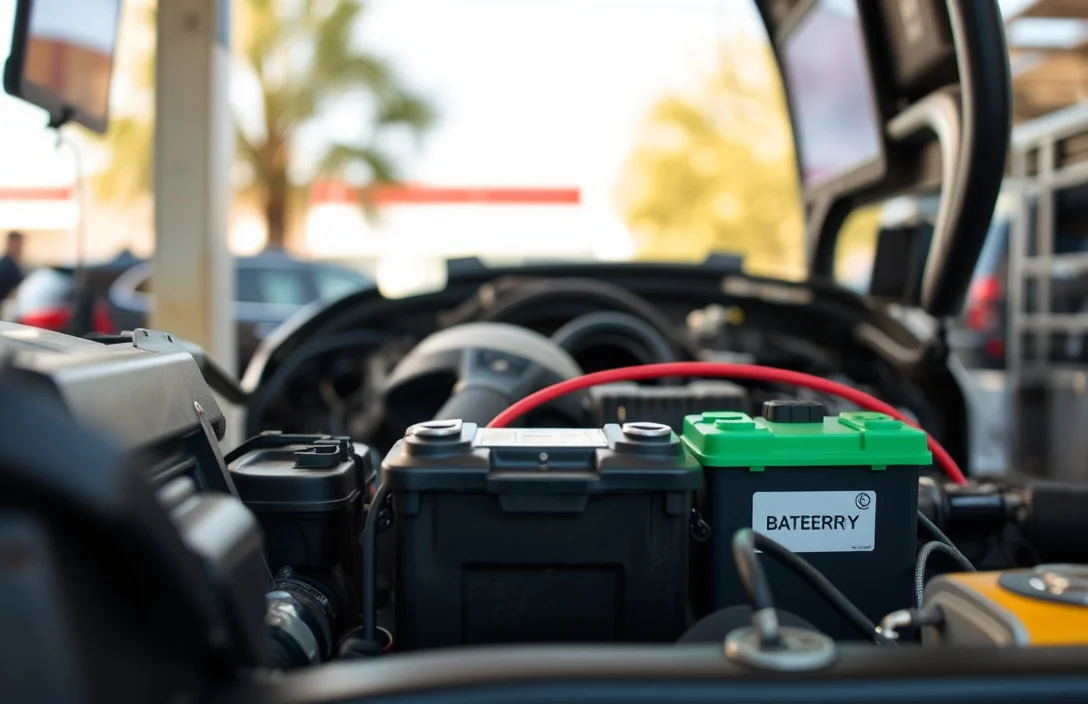
Bumper-to-bumper warranties cover most major components of a new car against defects in materials and workmanship for a defined period or mileage cap. Failures due to factory flaws are covered by the manufacturer, while wear items, routine maintenance, and damage from accidents typically fall outside this coverage.
Warranty length and limits vary by automaker and model. Some programs run three years or 36,000 miles, while others extend longer. The battery’s fate under a bumper-to-bumper plan depends on its categorization in the policy. If the issue is a defect, it can be covered; if the battery has aged or suffered normal wear, it usually is not. The precise language in the warranty determines the outcome.
When purchasing or leasing, the dealer provides a booklet detailing coverage. Read sections on the electrical system, battery, and any exclusions. This reveals what constitutes a defect, what counts as wear, and what circumstances could void coverage. The difference can be subtle but crucial when a battery issue arises.
In practice, combine general coverage with the car’s model profile. A standard gas-powered vehicle typically aligns with traditional bumper-to-bumper coverage, while high-tech hybrids or EVs often have separate battery warranties. This results in solid coverage for the chassis and electronics, alongside potential battery-specific terms.
For example, a typical new car plan includes coverage for the drivetrain and other major systems. If a battery fails due to a defect within the covered period, you’ll likely be covered. Conversely, if the failure stems from aging or improper use, coverage is not guaranteed. Always check the battery portion of the policy rather than assuming it’s included.
Do Batteries Fall Under B2B by Default?
Batteries in gas-powered cars usually enjoy bumper-to-bumper protection, but the distinction between defect and wear is critical. A failing battery due to a manufacturing defect during the covered period is generally eligible for repair or replacement under the bumper-to-bumper plan. A battery that simply wears out from normal use over time is typically not covered unless the policy specifies a separate battery warranty.
Hybrids and plug-in hybrids complicate matters. These vehicles rely on high-voltage battery packs, and manufacturers often attach dedicated battery warranties that run alongside or beyond standard bumper-to-bumper coverage. In some cases, the battery’s life is protected long-term, while the rest of the car remains under the standard plan. Confirm whether the battery has its own warranty and how it interacts with bumper-to-bumper protection.
In practice, expect a split: the car’s chassis and non-battery electrical components may fall under bumper-to-bumper coverage, while the battery itself is governed by a separate term. The exact split varies by automaker and model year. For certainty, read the warranty booklet and ask the dealer to clarify the battery section in plain language.
When evaluating a plan, focus on four key points: (1) whether the battery is listed as a covered component under bumper-to-bumper, (2) if there’s a separate battery warranty, (3) how defects are defined for the battery, and (4) what maintenance voids the coverage. This approach ensures you anchor your questions to the policy language.
Expect a binary outcome: defects may be covered, while normal wear is not. The lines can blur when a battery fails due to a defect that appears later or a manufacturing fault that emerges late in life. This is where a separate battery warranty or extended warranty can make a difference.
| Vehicle Type | Battery Coverage Under Bumper-to-Bumper | Notes |
|---|---|---|
| Gasoline Car | Usually covered for defects; wear typically excluded | Check battery terms in the policy booklet |
| Hybrid | Battery may have a separate warranty or partial coverage | Confirm model-specific terms with dealer |
| Plug-in Hybrid | Similar to hybrids; high-voltage battery often has dedicated terms | Review the battery warranty language |
| Battery-Electric | Battery often carries its own long-term warranty | See plan specifics for interaction with B2B |
EVs and Hybrids Battery Coverage
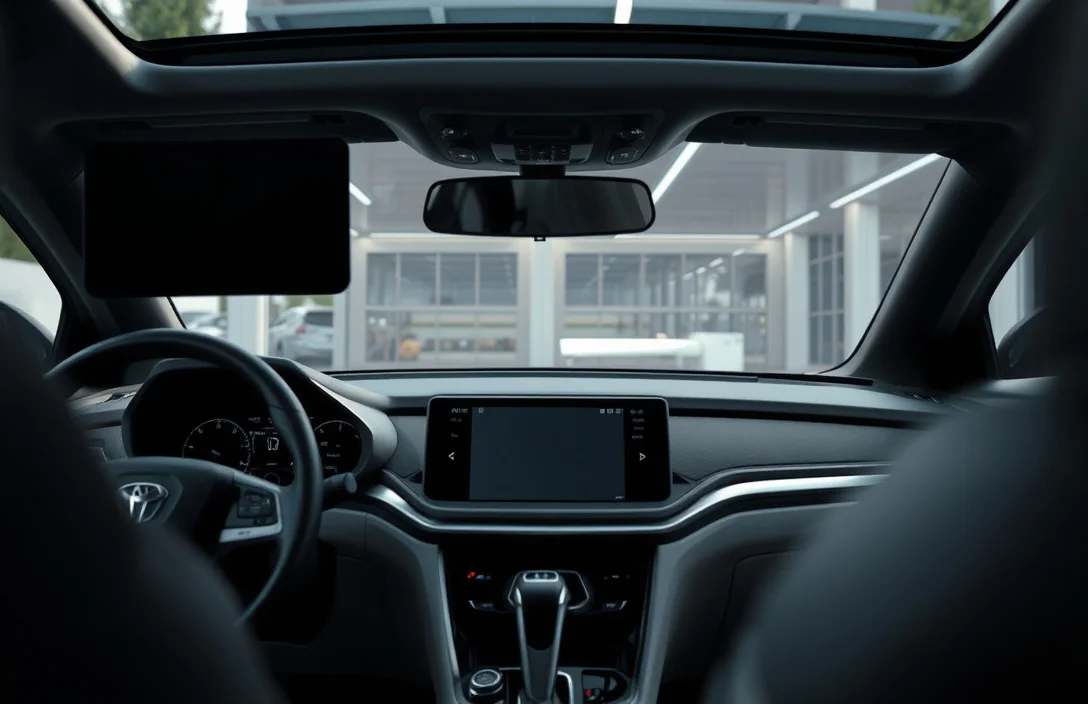
EV batteries typically carry longer protections than the rest of the vehicle, though terms vary. Many programs provide a dedicated warranty for the high-voltage battery that sits alongside bumper-to-bumper coverage for other components. The battery warranty can extend several years or miles beyond the standard term and may include performance criteria like retained capacity thresholds. The car’s other electronics and components usually remain under bumper-to-bumper coverage.
Hybrids present a middle ground. The battery’s life and performance are essential for hybrid operation, prompting manufacturers to offer separate or enhanced battery warranties. This arrangement manages the higher cost risk linked to hybrid powertrains while still providing comprehensive coverage for the rest of the car. The precise warranty language determines coverage specifics.
As a buyer, mapping out both coverages before purchase is critical. A long-running EV battery warranty can be a strong selling point, but only if the bumper-to-bumper coverage aligns with your expectations for the vehicle. Best practice: have the dealer pull up the battery warranty terms and compare them alongside the bumper-to-bumper terms for your specific model year.
In practice, determine whether the battery warranty requires specific charging practices, covers thermal management issues, and defines defects versus wear. Clarify the failure modes that trigger coverage and whether mileage or usage limitations are tied to the battery warranty. Establishing clear expectations helps ensure a smooth experience during ownership.
What Voids Battery Coverage?
Warranty coverage depends on adherence to terms, and several common triggers can void it. Abuse, improper charging, or using non-authorized replacements can void the battery warranty, even if the rest of the car remains covered. Collisions, water intrusion, or modifications affecting the electrical system may also lead to denial. The battery is sensitive to usage patterns, and the warranty outlines what constitutes misuse.
Maintenance lapses are another frequent reason for denial. If periodic service on the battery or associated systems is required and you skip those steps, coverage could be reduced or denied. Similarly, aftermarket parts or non-certified service can undermine protections. The battery warranty does not excuse negligent or non-standard care.
Treat your battery with the care the warranty expects. Use recommended charging equipment, follow the service schedule, and avoid actions that may be interpreted as abuse or modification. If a failure occurs, document everything: when it happened, how the car was used, and any related service entries. Thorough documentation smooths the claim process.
For instance, a battery issue arising after a collision is typically handled under the vehicle’s overall warranty if the damage caused the electrical fault. If the damage is deemed independent, the battery warranty may still apply for a defect. This interaction can be nuanced, so request a written explanation if a claim is denied and ask for escalation to the warranty administrator if needed.
Essential Tools for Battery Maintenance and Care

Buyers Guide Car Dealers – Self Adhesive As/is Warranty Form – 2 Part – New Version with Lines – 100 per Pack – Shrink Wrapped
The Buyers Guide Car Dealers self-adhesive warranty form helps clarify coverage details, including whether batteries are included under bumper-to-bumper warranties.
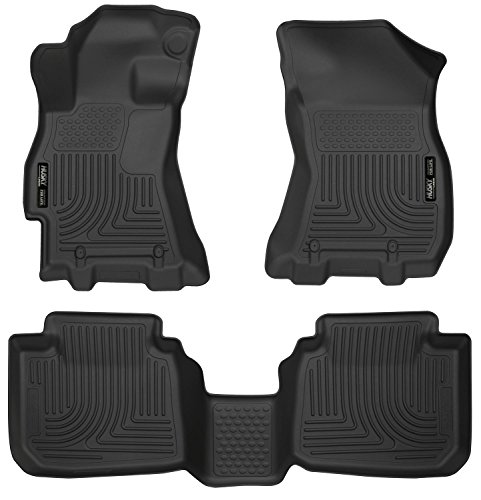
Husky Liners Weatherbeater Floor Mats | Fits 2015-2019 Subaru Legacy & Subaru Outback | Front & 2nd Row, 3-pc Black – 99671
Husky Liners Weatherbeater Floor Mats protect your vehicle’s interior from wear and tear, which may help maintain warranty conditions related to battery-related components.
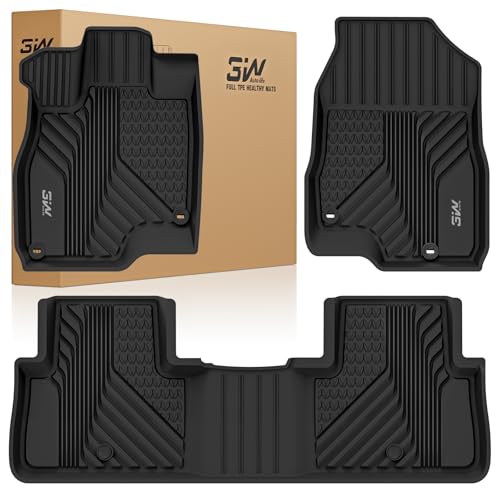
3W Floor Mats Fit for Acura RDX 2026 2025 2024 2023 2022 2021 2020 2019 TPE Non-Slip All Weather Custom Fit Floor Liner for Acura RDX 1st & 2nd Row Full Coverage Car Liners Black
3W Floor Mats provide full coverage for your Acura RDX, ensuring the vehicle remains in good condition, potentially aiding in warranty claims for battery coverage.
How to Verify Coverage on Your Car
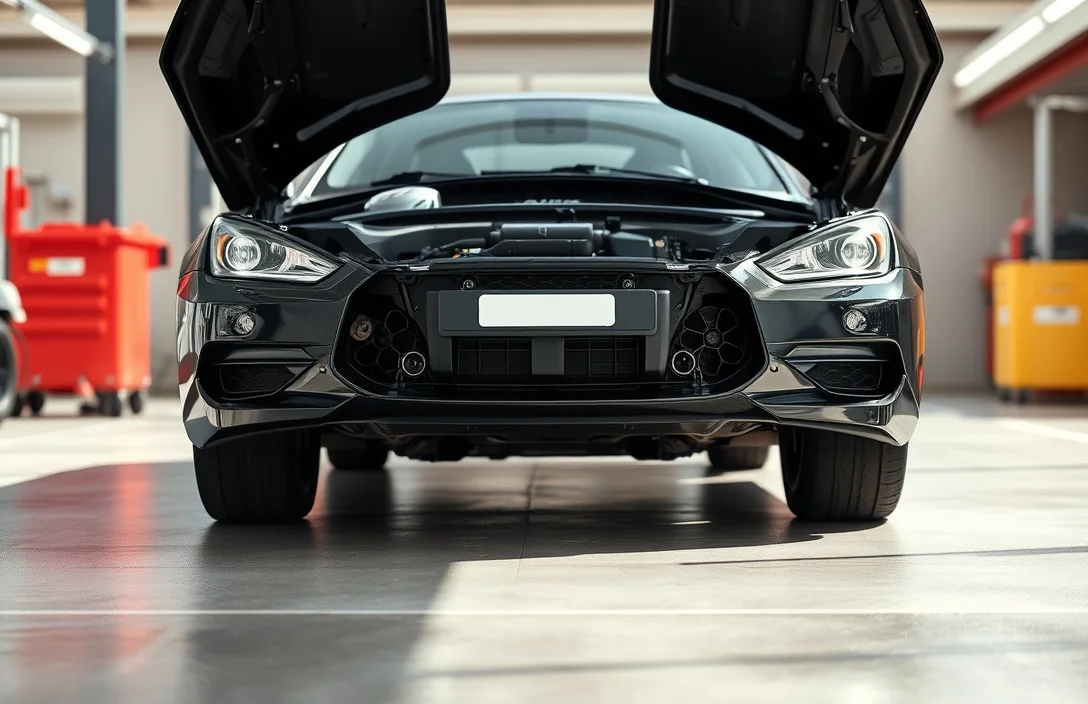
Start with the warranty booklet. Locate the sections on the battery and electrical system, then read the exact terms for defect coverage, wear exclusions, and any carve-outs for hybrids or EVs. Next, check with your dealer or insurer to confirm the battery’s status under the bumper-to-bumper plan. Have your VIN handy for precise policy retrieval.
Contact the warranty provider with specific questions about battery defects, wear, and maintenance requirements. Obtain written confirmation of what is covered and what is excluded. Request a copy of the approval process and any necessary diagnostics. Keep a printed record of all conversations and store digital copies with service receipts. Your goal is a clear path from diagnosis to claim approval.
Build a quick checklist: locate the battery section in your policy, confirm any EV or hybrid battery terms, verify maintenance requirements, note required diagnostics, and save all correspondence. A well-documented claim reduces back-and-forth and speeds up approvals. Your documentation often becomes the deciding factor in complex cases.
How to Maximize Coverage and Protect Your Battery
Start by shopping for long battery coverage when evaluating plans. Ask specifically about hybrid and EV battery warranties, including any extended terms. Compare not just price but the scope of coverage, claim timelines, and whether maintenance or charging practices affect eligibility. A plan with a robust battery warranty adds real value.
Follow the manufacturer’s maintenance schedule. Use only recommended charging equipment and avoid aftermarket components unless approved. Keep service visits up to date and preserve all receipts; a clean record strengthens your claim if a failure occurs. If you own an EV or hybrid, request a side-by-side comparison of battery-specific terms and bumper-to-bumper protections to understand how they intersect.
The best approach is proactive: know the exact battery terms before you need them, document usage and maintenance, and keep a current copy of the policy. When renewing, re-check both the bumper-to-bumper terms and the battery warranty, as changes can occur between model years. Diligence now saves frustration later.

Helpful pick
ASURION 2 Year B2B Auto Accessories Protection Plan ($60 – $69.99)
Consider an extended protection plan to cover unexpected battery issues and maximize your vehicle’s warranty benefits.
Costs, Deductibles, and Claim Process
Battery-related claims typically involve diagnostic fees, parts costs, and labor, with the warranty covering only the approved, non-wear portion. Some plans require a deductible, while others waive it for specific defect scenarios. The claim window varies by policy, but most programs expect prompt reporting of faults after they appear. A review step may include evaluation by a manufacturer-authorized technician.
The process usually begins with a dealership diagnostic. If the issue qualifies as a defect under the policy, the claim proceeds to repair or replacement without owner out-of-pocket costs beyond any deductible. If denied, you can request a written explanation and pursue escalation through the warranty administrator or the manufacturer’s consumer affairs channel. Keep comprehensive service records to support your case.
Before you buy, request a one-page summary of battery coverage and any exclusions. This helps you compare plans quickly and avoid surprises if a problem arises. If you already own the car, ask for a battery-coverage map that shows how the bumper-to-bumper terms align with any separate battery warranty.
Verdict and Next
In short, do not assume battery coverage is automatic under bumper-to-bumper plans. Read the exact terms, ask targeted questions, and map battery coverage against the rest of the policy. Your next step is to review your warranty booklet, contact your dealer for a battery-specific explanation, and request written terms to compare with any EV or hybrid battery warranty.
FAQ
How long does a typical bumper-to-bumper warranty last?
Most bumper-to-bumper plans run about 3 years or 36,000 miles, whichever comes first, but terms vary by model and manufacturer. Confirm the period for your exact vehicle year and trim, and note how the battery is treated in that policy.
Will a battery failure be covered if it occurs within the warranty period?
If the failure is due to a defect in materials or workmanship, it is typically covered under the bumper-to-bumper plan. If the battery only wears out with normal use, coverage is usually limited unless there is a separate battery warranty. Always verify the defect criteria in your policy documents.
Do EV batteries have their own warranty separate from bumper-to-bumper?
Yes. EV batteries often have dedicated warranties that can extend beyond the bumper-to-bumper term, sometimes many years or tens of thousands of miles longer. The exact length and eligibility depend on the specific plan and vehicle model.
How do I file a battery-related warranty claim?
Start with the dealership’s service department. Provide your VIN, a clear description of the fault, and service history. The shop then diagnoses the issue and, if eligible, submits the claim for approval. Expect a written decision and, if denied, a formal explanation and potential escalation path.
Can I buy a third-party warranty for better battery coverage?
Yes. Third-party warranties exist and sometimes offer broader battery coverage. Compare terms carefully, focusing on whether EV/hybrid battery coverage is included, the deductible, claim process, and what maintenance obligations you must meet to keep coverage active.

- 10 Best Battery For Generator Battery Safety System 2026 - October 12, 2026
- 10 Best Battery For Generator Battery Safety Option 2026 - October 12, 2026
- 10 Best Battery For Generator Battery Safety 2026 - October 12, 2026