Can You Take Double A Batteries On A Plane?
Yes. You can bring AA batteries on a plane, but the rules hinge on battery type, whether they are installed in a device, and how you pack them. For most travelers, alkaline and NiMH AAs travel in both carry-on and checked bags, while spare lithium AAs require carry-on with terminals protected. The goal is simple: keep terminals from touching metal, keep spares organized, and avoid batteries turning on accidentally.
AA batteries on a plane: spare lithium AAs belong in carry-on with terminals insulated; alkaline and NiMH AAs are generally allowed in either bag; installed batteries in devices are usually fine in carry-on or checked baggage if the device is off. The packing method matters more than the exact count in most cases.
Key Takeaways
- Carry-on preferred. Spare AA batteries should typically ride in carry-on, with terminals protected to prevent short circuits.
- Spare vs installed. Batteries installed in a device can usually travel in either bag, provided the device is off.
- Battery type matters. Alkaline and NiMH AAs are broadly allowed; lithium AAs have stricter handling and packing rules.
- Case or packaging helps. Use a hard case or original packaging to separate terminals and prevent contact with metal.
- Check airline rules. Some carriers impose additional limits or require different packing for lithium components.
- Avoid loose batteries in pockets. Loose spares can shift and short against coins, keys, or tools.
What kinds of AA batteries exist and how travel rules apply
Recommended Products


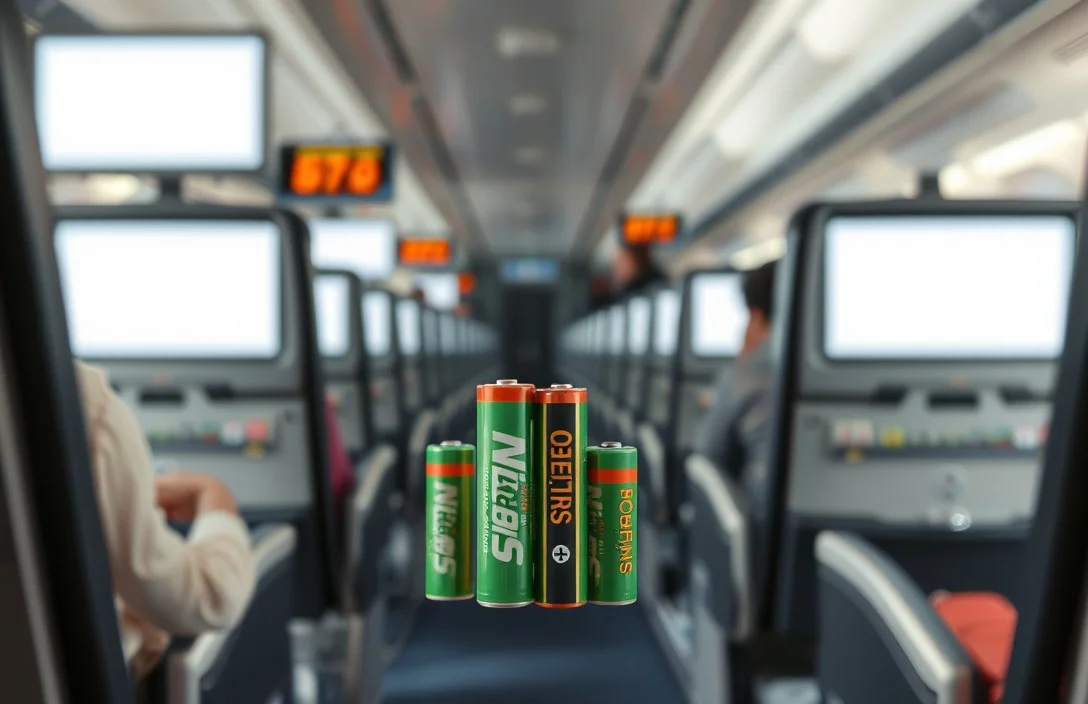
AA batteries come in three common chemistries that change how airports treat them: alkaline disposable, NiMH rechargeable, and lithium primary (non-rechargeable) or lithium-ion variants that exist in some “AA-sized” formats. Alkaline AAs are the workhorse of household devices; NiMH AAs power cameras, remotes, and flash kits; lithium variants exist for specialized gear and often require extra care.
Batteries in devices behave differently than loose spares. If a device holds batteries and stays off, it generally travels with less friction than loose spares. The moment a device can turn on or has a loose battery inside, screening focuses on prevention of accidental activation and short circuits. The rules emphasize safety over exact chemistry in most everyday travel scenarios.
In practice, the practical guideline is straightforward: treat alkaline and NiMH AAs as routine cargo, but treat lithium AAs as potential hazards that require careful packing. The difference is not about size alone; it’s about chemistry and how you carry them. A handful of AAs inside a sealed device is typically fine. A handful of loose spares, particularly lithium types, demands a case and a dedicated carry-on placement.
For example, you’ll find two consistent patterns across official guidance and traveler summaries: installed batteries in devices are allowed in carry-on or checked bags when the device is off, while spare batteries require extra care – especially for lithium variants. This distinction drives most of the packing decisions travelers actually make.
In practice, plan for three scenarios: (1) AAs installed in devices, (2) spare alkaline or NiMH AAs, (3) spare lithium AAs. Each scenario has its own packing logic, and most airline policies align on the core ideas: protect terminals, keep spares in carry-on, and avoid mixing with metal items or other tools.
where AA batteries go
Recommended Products


Most travelers can take AA batteries in carry-on or checked baggage, but the safer, simpler route is carry-on for spares. Batteries inside devices can travel in either bag as long as the device is fully turned off and cannot be activated inadvertently during screening or transit.
A practical table helps crystallize the rules you’ll actually see in practice:
- Alkaline AA batteries
– Carry-on: Allowed
– Checked: Allowed
– Notes: Best to keep in original retail packaging or a small pouch that protects the terminals.
- NiMH AA batteries
– Carry-on: Allowed
– Checked: Allowed
– Notes: Pack in a case or with terminals protected to prevent shorting.
- Lithium AA batteries (primary lithium, Li-FeS2)
– Carry-on: Allowed, preferred location for spares
– Checked: Generally not recommended or not allowed for spares
– Notes: Spares should be in a protective case with terminals insulated.
- AA batteries inside a device
– Carry-on: Allowed
– Checked: Allowed
– Notes: Device should be off; avoid devices that can turn on during the trip.
- Loose spare lithium AA batteries (if any)
– Carry-on: Allowed in many cases when terminals are protected
– Checked: Not recommended or allowed for spares in many scenarios
– Notes: Use a rigid case; terminals insulated; avoid contact with metal objects.
- 1-4 AA batteries (spares)
– Pack in retail packaging or a small protective case
– Carry-on for easier screening and control
- 5-16 AA batteries (spares)
– Hard-shell case or battery organizer
– Carry-on to prevent contact with metals and to help screeners
In short, carry-on is the simplest, most consistent way to handle spares, especially when lithium chemistry is involved. Installed batteries in a device are generally allowed in either bag, provided the device is powered down.
Packing AA batteries safely: best practices
Recommended Products


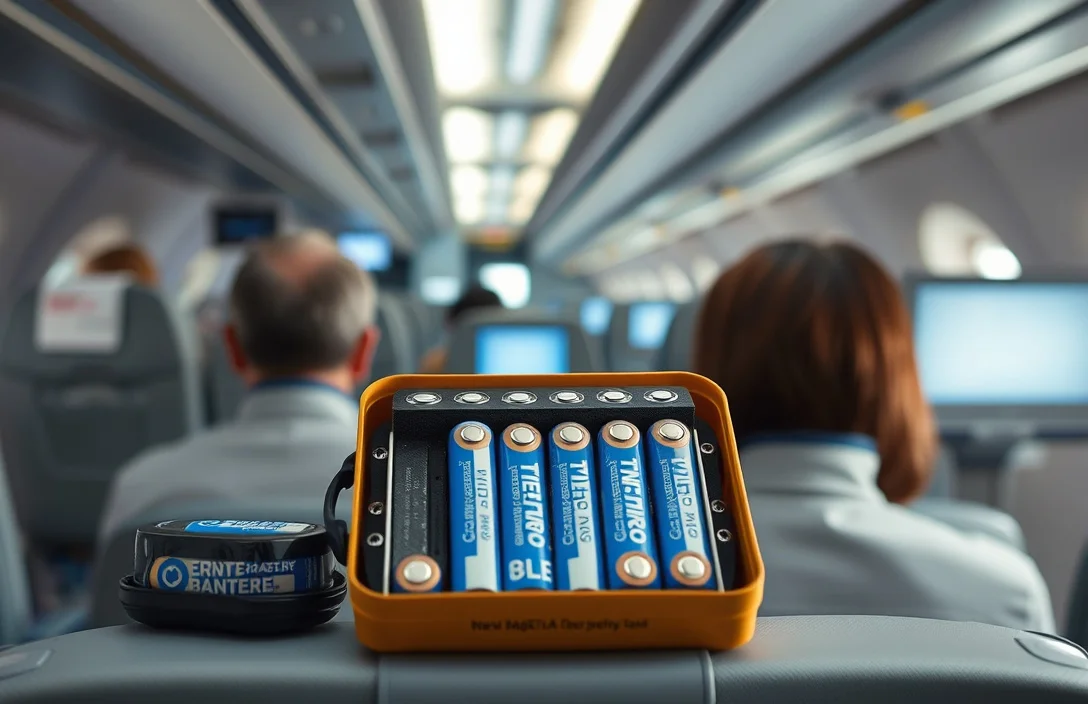
Packing is where most travelers stumble. You can keep the process quick and safe with a few concrete moves.
First, separate spares from installed batteries. Never carry loose spares with batteries inside devices in the same pocket or bag without protection. A small hard case or dedicated battery pouch reduces risk and speeds screening.
Second, insulate terminals. If you don’t have a proper case, tape the terminals or use terminal covers. This simple step stops accidental shorts against coins, keys, or tools. It’s the most reliable way to keep a bag from triggering an alarm for a short circuit.
Third, protect against activation. Fully power down devices that contain AAs. If you pack devices like cameras or flash units, remove the batteries only if the device is going to be stored for a long time and cannot accidentally turn on.
Fourth, keep spares organized. Use a dedicated case or original packaging to maintain separation among cells. The aim is clear visibility and minimal movement during transit.
Fifth, avoid combining chemistries in a single container. Alkaline, NiMH, and lithium cells behave differently in a single setup, and mispacking can complicate screening or cause safety issues.
Sixth, confirm airline specifics. Some carriers impose stricter limits on spare lithium batteries by watt-hour rating or total number of spares. A quick check with your airline prior to departure avoids last-minute surprises.
Packing checklist in practice:
- Keep installed batteries in devices that are powered off.
- Place spare AAs in a hard-shell case or their original packaging.
- Insulate all spare battery terminals.
- Don’t mix loose spare batteries with tools, keys, or coins.
- Maintain clear margins between spares and metal objects inside your bag.
A practical packing approach you’ll appreciate in the moment: a small hard-shell case with sections for alkaline, NiMH, and lithium spares, plus a separate zip pouch for devices. It makes security screening predictable and reduces the risk of battery damage during handling.
Common traps that trip security
Recommended Products

The two most common pitfalls are (a) loose spares and (b) spares without proper terminal protection. TSA-style checkpoints expect batteries to be isolated from metal and to be in a way that prevents short circuits. A traveler who dumps spares into a tote without protection risks delays while security staff separate items and verify that nothing is mispacked.
Another frequent misstep is treating all AA batteries as identical. Lithium types require more stringent handling than alkaline or NiMH types. If you’re packing lithium AAs, assume you’ll need to carry them in carry-on with terminals insulated, and plan for potential extra screening time.
If a device ships with a rechargeable battery installed, you’ll likely be fine in either bag, so long as the device is powered down. However, if a device could turn on during luggage handling or screening, remove the battery and carry it separately in accordance with the guidance above.
In practice, care in packing reduces friction at the checkpoint. A well-organized bag shows obvious care for safety, which keeps the line moving and lowers the chance of a bag pull for closer inspection.
Airline rules and the US safety framework

In the United States, the TSA and FAA govern how batteries travel. The core idea is that batteries can pose fire risks if damaged, shorted, or exposed to heat. For routine AA batteries, the standard practice is broad allowance with a preference for carry-on for spares and careful packing to prevent short circuits.
Lithium-based AAs require stricter handling. Spare lithium metal or lithium-ion cells generally must be carried in carry-on with terminals insulated, and there are Watt-hour (Wh) thresholds that matter for larger packs. Batteries installed in devices are treated more leniently than loose spares, provided the device is off and designed to prevent activation during transit.
Airlines may add their own rules on top of the federal framework. Before you travel, confirm luggage rules with your airline, especially if you’re carrying large quantities of spares or atypical lithium chemistries. With a quick check, you avoid surprises at the gate and maintain a smooth security experience.
In practice, the US framework boils down to three actionable habits: (1) keep spares in carry-on with protected terminals, (2) pack devices with batteries turned off, (3) use protective cases or original packaging to keep terminals from contacting metal. If you follow those steps, you’re well within the typical policy boundaries.
Practical packing
Recommended Products

- Decide how many spares you’re carrying, and keep the count reasonable for carry-on when lithium is involved.
- Use a hard-shell case for loose spares or keep them in their original retail packaging.
- Insulate or tape terminals on any loose batteries.
- Keep batteries inside devices powered down and unplug any removable connections.
- Separate spares by chemistry in the packing case to avoid accidental mixing.
- Verify airline-specific requirements for lithium content and total spare count.
The goal is to keep screening simple and your devices safe. A little upfront organization saves you time, anxiety, and the risk of a bag pull or delay.
FAQ
Can I bring AA batteries in my carry-on or checked bag?
AA batteries are generally allowed in both carry-on and checked bags. Spare lithium AAs should be carried in carry-on with terminals insulated, while alkaline and NiMH AAs are fine in either bag when packed properly.
How should I pack spare AA batteries for security screening?
Pack spares in a hard-shell case or original packaging, and insulate terminals to prevent short circuits. Keep spares separate from other metal items and away from coins or keys.
Are lithium AA batteries treated differently from regular AAs?
Yes. Lithium AAs have more restrictions and typically require carry-on placement with terminals insulated. Alkaline and NiMH AAs are less restricted, but still need protection to prevent shorts.
Can I travel with batteries installed in devices?
Yes. Batteries installed in devices can travel in carry-on or checked luggage as long as the device is powered off and cannot turn on during transit.
What if I have a lot of AA batteries or a large lithium supply?
Check with the airline before you travel. Some airlines impose watt-hour limits or total spare counts for lithium batteries. Plan ahead to avoid delays at the security checkpoint.
Closing practical takeaway: AA batteries can travel with you, but the packing discipline matters more than the chemistry. Keep spares in a case, terminals insulated, and devices off. Confirm airline specifics before you fly, and your trip will glide through security with minimal friction.

- 10 Best Battery For Generator Battery Safety System 2026 - October 12, 2026
- 10 Best Battery For Generator Battery Safety Option 2026 - October 12, 2026
- 10 Best Battery For Generator Battery Safety 2026 - October 12, 2026