Can A Car Tracker Work Without Battery?
Usually no: a car tracker needs power from the vehicle or its own battery to report location data. A device that lacks an internal battery can operate if the car’s electrical system is supplying power. However, reliability hinges on the car being on or having a steady external supply. If the car is off or power is interrupted, live tracking stops. Here’s how to navigate power setups and choose what fits your needs.
Car trackers that draw power from the vehicle rely on the 12V system and will report only while the engine or accessories are on. They can remain active with an always-on feed, but the car’s power state ultimately governs data updates. Battery-free operation requires uninterrupted power; otherwise, live tracking ceases.
Key Takeaways
- Power source reality. Car trackers need power from the car or a built-in battery; no power means no tracking.
- Ignition dependency. Many devices pause updates when the ignition is off unless they have their own power source.
- Sleep vs active. Sleep modes reduce idle draw, while active tracking consumes more power.
- Wiring considerations. Hardwired installations require careful wiring to avoid electrical issues.
- Power reliability. Any power loss halts location updates until power returns.
- Battery-free option caveat. Some units operate without their own battery if the vehicle maintains power.
How a Car Tracker Can Work Without Its Own Battery
Recommended Products
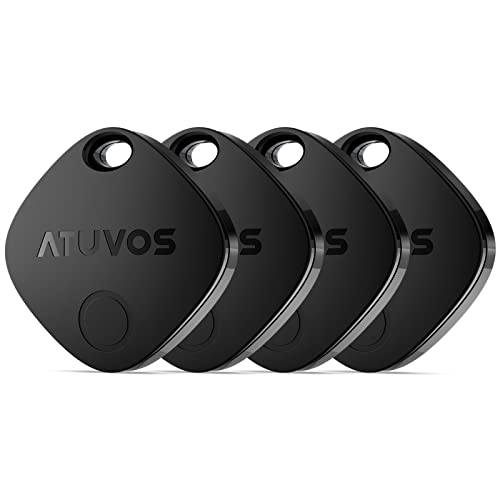

Power for a batteryless unit comes from the vehicle. Common setups connect to the car’s electrical system via the 12V supply or the OBD-II port. When the engine is running, the tracker actively transmits location data. If the engine is off, most devices drop into standby or sleep mode to conserve the car battery, with some stalling data transmission until power resumes. A truly battery-free tracker is useful only if the car stays powered or the device can wake up quickly when the ignition returns.
For installers, the choice hinges on valuing constant visibility versus ease of installation. A hardwired option eliminates battery swaps and charging worries but introduces wiring complexities and potential warranty issues. An OBD-II powered device is easier to retrofit but can be limited by the car’s power state and data access. In either case, reliable, continuous location data is possible as long as power is present.
When Battery-Free Really Works?
Recommended Products


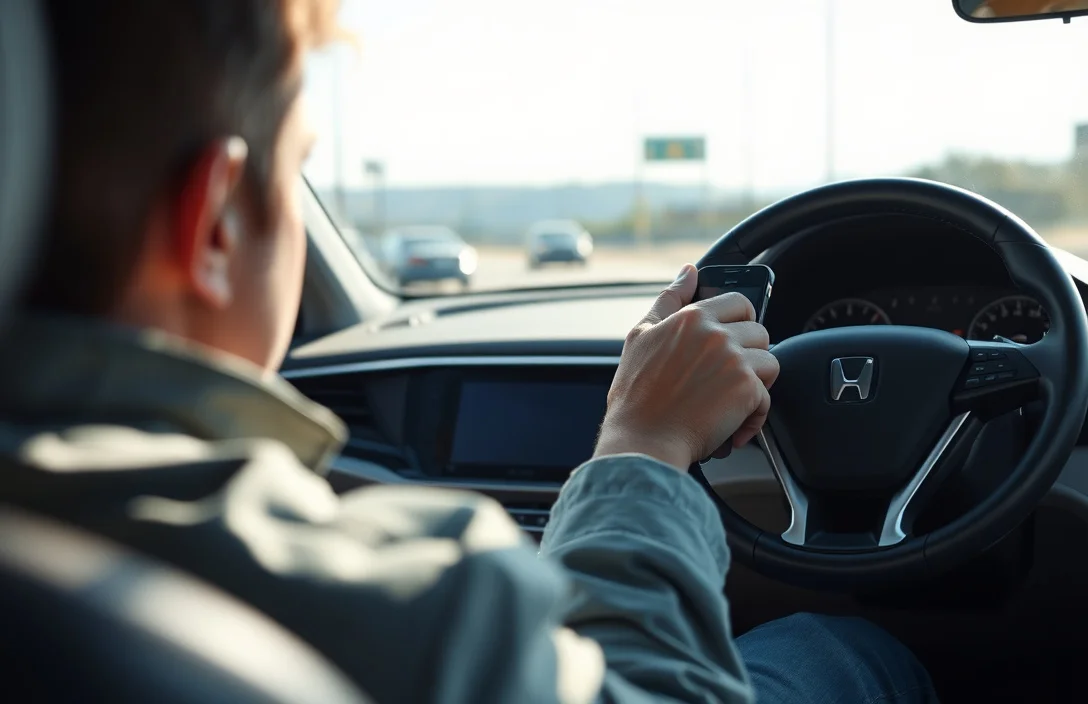
Battery-free operation is feasible in two scenarios. First, a tracker wired into the vehicle’s 12V system remains powered while the car has power, allowing for data updates during drives. Second, an always-on power path keeps the device awake for longer periods, even with infrequent driving. The trade-off is dependency on the car’s electrical health and careful installation to avoid draining the battery when the vehicle sits idle. For true portability or stealth, a device with its own battery becomes essential, but that reintroduces charging and maintenance needs.
Most users choose a setup that aligns with their vehicle usage. A fleet vehicle, a concerned parent wanting constant peace of mind, or a classic car that’s mostly parked all suggest different power strategies. The key is to match power behavior with your tracking needs, not just ease of installation.
Power Management and Sleep Modes
Recommended Products

Power management is crucial. A tracker that stays awake constantly provides the most data but consumes more energy. Sleep modes cut down on drain and extend battery life when the car is idle. The best designs balance wake events with duty cycles, so you receive updates at meaningful intervals without sacrificing the car’s battery life. If the device supports ignition-sense input, it can remain off until the car starts, then wake for data transmission.
You’ll find a spectrum of options: continuous real-time reporting, periodic updates every few minutes, and event-driven bursts triggered by motion or tamper alerts. The right setting depends on your risk tolerance and how much data you’re willing to manage or pay for. Always verify that the power management features align with your expectations and power availability.
Installation Options and Trade-Offs
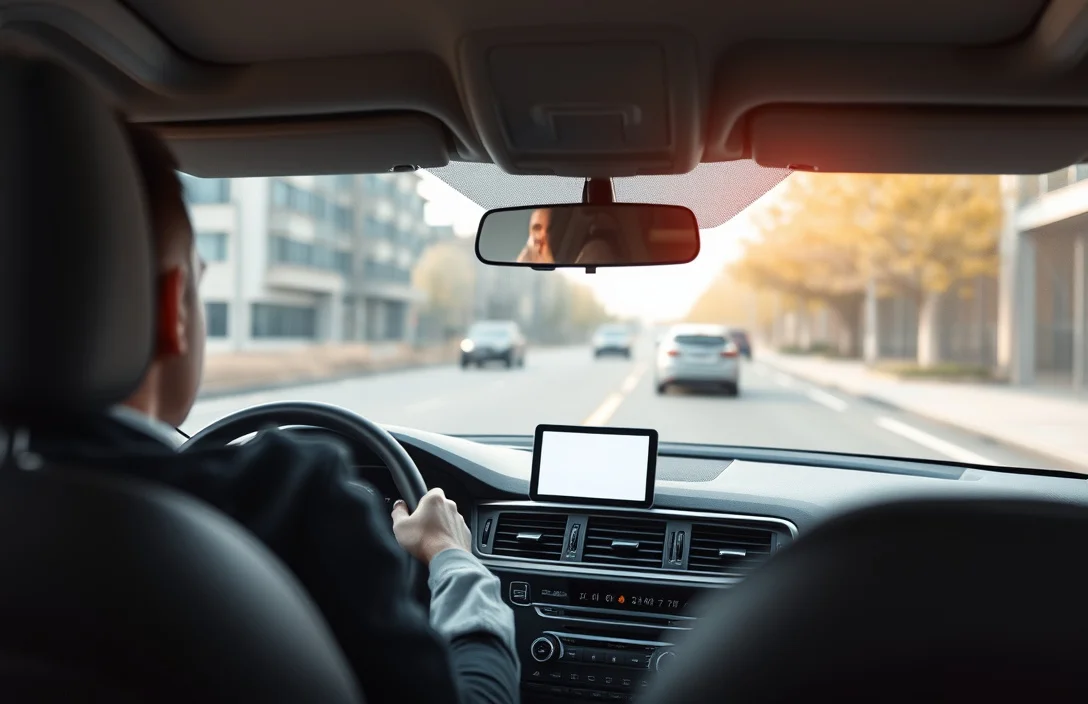
Hardwired installations offer seamless live tracking since the device draws directly from the car’s 12V supply and can bypass a dead internal battery. The downside is installation complexity, which may affect vehicle wiring or warranty if done incorrectly. OBD-II plug-in trackers are a middle ground: easy to install and quick to deploy but sometimes limited by the car’s data access and ignition-based power. Battery-powered units excel in portability and stealth but require regular charging and maintenance.
For a practical setup, identify your priorities: constant visibility and minimal upkeep favor hardwired or OBD-II with ignition sensing; simplicity and portability point to a battery-powered unit. If you plan to leave the tracker in a car that sits unused for long periods, consider a model with low idle draw and a long-life internal battery as a backup. Always check compatibility with your vehicle and confirm local warranty terms before making modifications.
Table: Power Options at a Glance
| Power Source | Pros | Cons | Best For |
|---|---|---|---|
| – | – | – | – |
| Hardwired to 12V | Most reliable, constant power; no battery swaps | Requires professional installation; can affect warranty | Permanent vehicle installation with constant monitoring |
| OBD-II plug-in | Easy retrofit; no custom wiring | Power often linked to ignition; limited car access | Quick setup for rental cars or temporary monitoring |
| Battery-powered (internal) | Portable; easy to relocate; no vehicle wiring | Needs charging; uptime depends on battery life | Personal car needing portability or stealth tracking |
| Solar-assisted (optional) | Low ongoing cost if sun exposure is adequate | Real-world performance varies; not universal | Light exposure scenarios or long-term outdoor use |
What to Check Before Buying?
Confirm how power is supplied. For continuous live data, a hardwired or OBD-II option is preferable, but installation planning is essential. Check for ignition sensing, sleep modes, and automatic wake features. Verify power draw in idle and active modes to avoid surprises on your battery. Finally, align the power approach with your vehicle type, warranty constraints, and data plan requirements.
Review reliability and support next. A device relying on the car’s power should have a robust sleep strategy and a clear cut-off timer for safety. Look for a reputable installer network for hardwired setups. Confirm warranty terms specifically cover electrical installations and modifications to the vehicle’s harness. The right mix of power, data, and support keeps your tracker trustworthy.
Choosing the Right Setup
For steady, long-term tracking with minimal maintenance, a hardwired solution linked to the car’s 12V system is the best choice. For rapid deployment across multiple vehicles, an OBD-II option offers speed and flexibility with moderate power considerations. If portability is a priority or you want to monitor a vehicle that remains unused for long periods, a battery-powered unit with a smart wake function is your best bet.
For most general users in the United States, starting with an OBD-II plug-in or a simple hardwired installation meets the majority of use cases. Ensure the device aligns with your vehicle’s electrical system and that the data plan matches your expected usage. A clean setup yields dependable, actionable location data without unexpected battery issues.
Practical Verdict and Next
For reliable live tracking without a separate battery, opt for a hardwired or OBD-powered tracker and plan a proper installation. If you need portable tracking or stealth options, pair a battery-powered unit with smart sleep mode and a scheduled charging routine. Next, check your car’s power availability, the fuse ratings, and select a device that supports power management and a clear maintenance plan.
FAQ
Can a car tracker run without a dedicated battery?
A car tracker can run without a dedicated battery if it is wired to the vehicle’s 12V system or plugged into the OBD-II port, provided the car has power. When the engine is off, many devices drop to sleep to avoid draining the car battery, and data updates may pause until power returns. 12V vehicle power and watchdog wake signals determine uptime.
Is a battery-free tracker safer for the car battery?
Not necessarily. A device tied to the car’s power can drain the car battery if it remains awake too long or if the car sits unused. Choose models with low idle draw and ignition-sense features to minimize risk, and ensure installation disables the tracker when power is off if you’re not monitoring.
How long can such a tracker stay powered if the car is off?
If the tracker relies on the car’s 12V system, it will suspend updates when the engine and accessories are off. Actual uptime depends on the car’s electrical state and the tracker’s sleep behavior; many devices suspend reporting to protect the car battery, resuming when power returns.
What should I check before installing?
Check the power path, wiring safety, fuse ratings, and mounting location. Confirm there is a sleep mode or low idle draw, verify ignition sensing behavior, and ensure the data plan aligns with expected usage. Also, confirm the installer’s warranty coverage for electrical work.
Are there real-time trackers that work when the car is off?
Real-time continuous tracking while the car is off is uncommon for battery-free setups. Some devices wake on motion or tamper events while powered, but most require the car to be powered for live updates. If uninterrupted off-state tracking matters, prioritize a battery-powered unit with a long-lived internal battery.

- 10 Best Battery For Generator Battery Safety System 2026 - October 12, 2026
- 10 Best Battery For Generator Battery Safety Option 2026 - October 12, 2026
- 10 Best Battery For Generator Battery Safety 2026 - October 12, 2026