Can You Cut Wet Grass With Battery Mower?
No. You should not cut wet grass with a battery mower. Wet lawns invite clogs, blade bogging, and slip hazards, while moisture can infiltrate electrical connections. A dry lawn cuts cleaner, protects the blades, and prevents the battery from overworking. If possible, postpone mowing until the grass dries and the soil isn’t slippery. If you must mow, proceed with extreme caution and keep your passes short.
Mowing wet grass with a battery mower is risky and generally discouraged. Clumps form, the underdeck clogs, and the motor strains against damp turf. Moisture can reach sensitive electronics and battery contacts, potentially shortening component life if exposure is repeated. Waiting for dry grass yields a cleaner cut and safer operation.
Key Takeaways
- Dry conditions only. Mow when the lawn is dry to avoid clogs, blade bogging, and slip hazards.
- Avoid battery stress. Wet grass makes the mower work harder and drains the battery faster.
- Check for clogs. Damp clippings increase jam risk and require stopping to clean.
- Safety first. If water splashes on electrical parts, power down and wait.
- Plan timing. Schedule mowing for dry days or after dew evaporates to improve cut quality.
Safety Basics for Mowing Wet Grass
Recommended Products


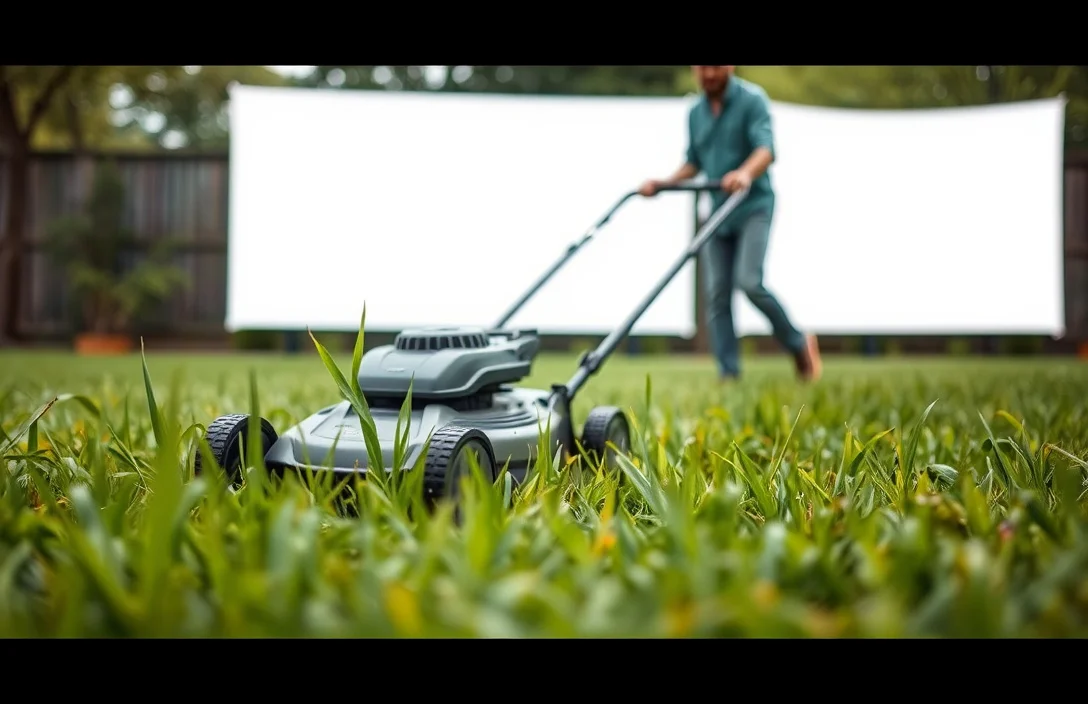
Mowing wet grass increases slip risk, which can lead to falls and injuries. Wet turf clumps more easily, sticking to the blade and underdeck, forcing the mower to work harder. That extra load slows you down and puts stress on the motor and battery. The result can be uneven cuts, more frequent jams, and quicker wear over the mowing season.
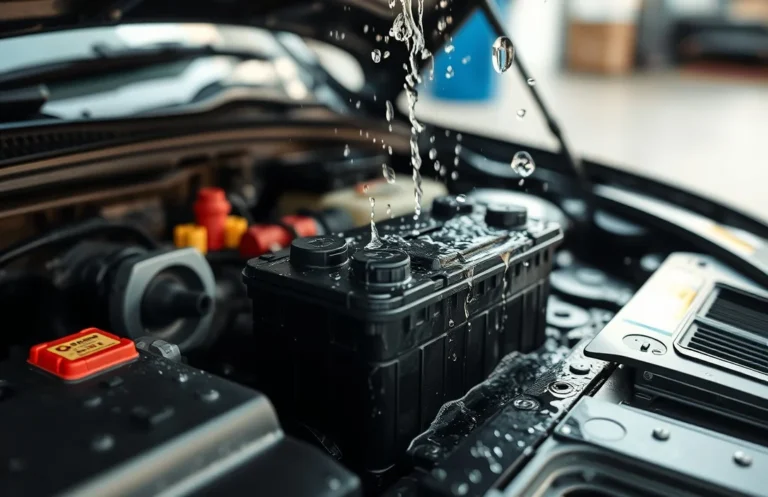
Wet conditions also heighten the risk of moisture reaching sensitive electronics. Battery packs, motor controllers, and electrical connectors aren’t designed to handle standing water or damp grass slurry. Even small amounts of moisture can cause short-term issues or, over time, degrade insulation and contacts. Treat wet mowing as a last resort, not a routine.
Plan your mowing around the weather. If rain is forecast or the lawn is slick, skip the cut. If the lawn is partially dry after a shower, limit yourself to crisp, dry passes. The goal is a clean cut without heat buildup, bogging, or moisture intrusion into the mower’s internals.
Check your footing and work area. Wet ground can hide uneven patches, ruts, or obstacles. Wear non-slip footwear, clear children and pets from the area, and keep kids away from the mower while operating on damp turf. The safest approach is to wait for a dry window.
Effects on the Mower in Wet Conditions
Recommended Products
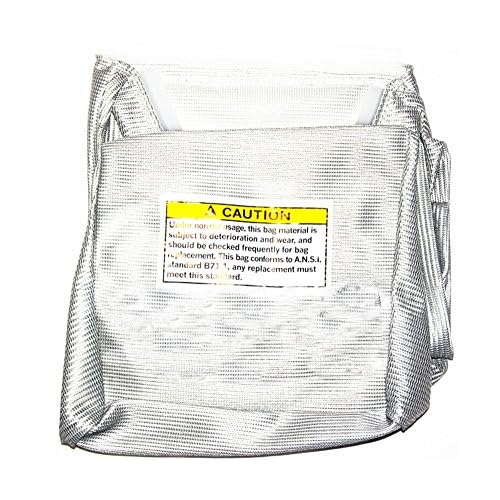

Under wet grass, the blade clogs with damp clippings quickly. This reduces airflow under the deck, increasing resistance and causing the motor to draw more current. When the motor works harder, battery voltage may sag, making the mower feel sluggish and raising the risk of heat buildup in the controller or battery pack. Repeated heat and current cycling accelerates wear and can shorten battery life.
Wet grass clings to the blade edge and underside, creating uneven cutting pathways. You’ll experience more frequent bogging and need to pause to clear jams. Clearing jams on a cordless mower is easy, but doing so in the midst of a damp cut can be hazardous and messy. Soon, you may find yourself stopping to wipe the deck and blade instead of progressing through the yard.
Many modern battery mowers include protection schemes, such as automatic shutoffs and error codes when moisture is detected. These features help prevent permanent damage but don’t guarantee safety or long-term reliability if you routinely mow in wet conditions. If moisture enters the battery area or connectors, consider rescheduling to a dry day to avoid compromising the pack or electronics.
Wet grass makes the mower work harder, increases the chance of clogs and jams, and raises safety risks. Treat wet mowing as a stopgap rather than a norm. It’s best to target dry windows for mowing and keep the mower in optimal condition when the weather is clear.
Best Practices for Dry Mowing with a Battery Mower
Recommended Products


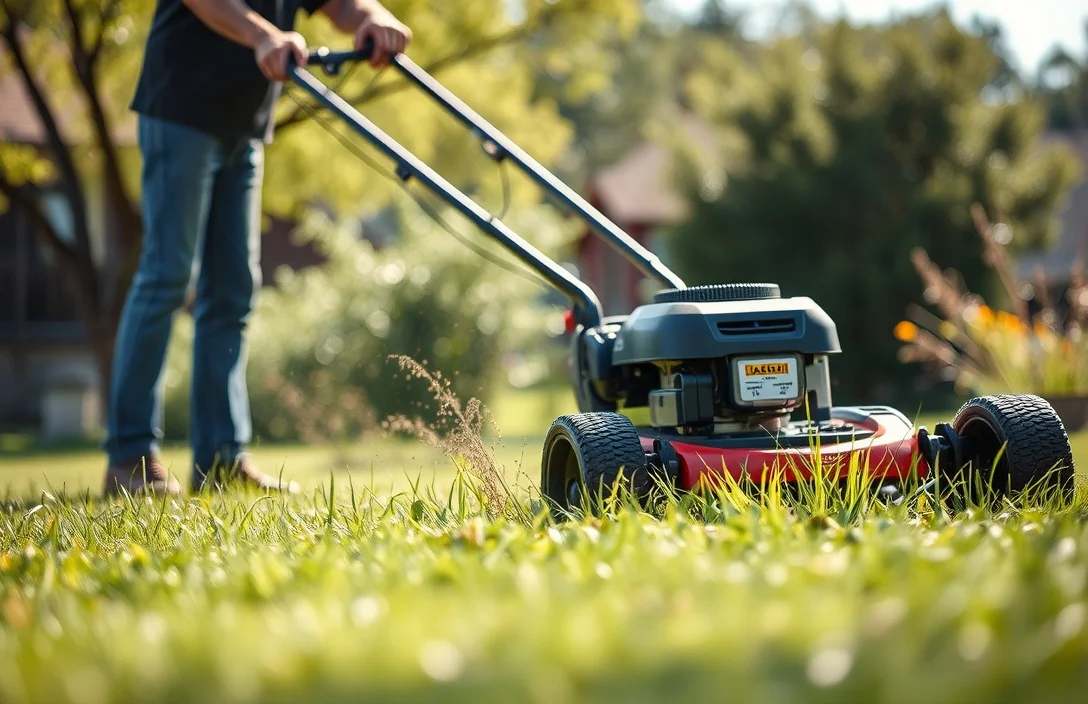
Mow when the lawn is dry and the soil isn’t compacted by rain. This reduces drag, keeps the blade sharp, and preserves battery life. Start with a quick inspection: remove debris from the yard, clear toys or tools, and check that the blade is sharp and properly secured. A sharp blade is essential; a dull edge wastes energy and leaves ragged cuts.
Set the cutting height to suit your lawn. For most residential turf, a height of 2.5 to 3 inches works well, but adjust according to grass species and seasonal growth. Lowering the height too much during a dry spell risks scalping or stressing the lawn. A consistent pass pattern – back-and-forth with clean overlaps – helps avoid missed patches and reduces the need for multiple passes, saving battery life.
Mulching or side-discharge modes affect the cut’s appearance. Mulching returns clippings to the soil, helping preserve moisture and reduce waste, but requires airflow to prevent clogging on damp days. On dry days, either mode delivers a neat finish with manageable debris. Always inspect the underside after a dry mow to remove any buildup before the next cycle.
Plan your mowing sequence based on the weather. If a dry window opens, tackle the largest lawn areas first while the battery is fully charged. For medium to large yards, break the job into two sessions to avoid long stretches on a fully charged pack running hot. The result is a uniform cut without extra wear on the blade or battery.
What to Do If You Must Cut Wet Grass Anyway
If you’re pressed and must cut despite dampness, follow these guidelines. Start with a short, shallow pass to gauge how the mower handles damp turf. If the mower slows or the motor strains, stop and wait for better conditions.
Limit passes to smaller sections. Wet grass creates more resistance, so shorter lengths reduce heat buildup and energy draw. Maintain a steady blade height to avoid sudden bogging. Avoid sharp turns on wet turf, which can lead to slipping or loss of control. After each pass, pause to clear clogs and inspect the underside for damp buildup.
Watch the battery and controller area closely. If you notice heat, a buzzing from the motor, or a drop in performance, pause mowing and let everything cool. Don’t push through warning signs. If you must continue, shorten the mowing session further and prioritize areas that are dry enough to cut safely. Maintenance after the session is crucial to avoid moisture-related problems.
If moisture varies across the lawn, consider finishing with a hand trimmer for damp patches. This approach minimizes the risk of overloading the mower while still keeping a neat edge.
Equipment Considerations for Wet-Weather Readiness

Choose a mower with a robust motor and efficient cooling system. While all battery mowers generate heat during heavy use, a model with good airflow and heat sink design manages damp workloads better. Look for a sealed or semi-sealed battery compartment and practical mud protection around the blade and deck to resist moisture intrusion.
Focus on practical features rather than marketing buzz. A larger deck handles damp slips better by reducing compaction frequency. A crew-grade blade or well-balanced edge improves cutting efficiency, leading to less energy draw per square foot. If your yard faces frequent wet days, consider a mower with a higher current rating to handle occasional damp growth without straining the motor.
Table: Wet-Weather Readiness at a Glance
| Feature | Impact on Wet Mowing | Practical Tip |
|---|---|---|
| Deck airflow | Higher airflow reduces underdeck clogs | Choose models with open, well-ventilated decks |
| Blade edge quality | Sharp blades cut damp grass cleanly | Maintain blade at factory-recommended sharpness |
| Battery compartment sealing | Less moisture intrusion protects electronics | Favor sealed or gasketed battery enclosures |
| Load tolerance | Higher current support aids when turf is damp | Look for higher Ah rating for your yard size |
| Mud and debris guards | Fewer jams when grass sticks to the deck | Verify guards and cleaning ports are unobstructed |
Wet-weather readiness hinges on protection, airflow, and blade efficiency. You don’t need the most expensive model, but a mower that sheds damp debris, manages heat well, and keeps water away from sensitive parts is essential. This combination translates to safer operation and longer life for the battery and motor.
Maintenance and Aftercare for Wet Grass Mowing
After a damp mowing session, clean the underside to remove wet clippings and prevent rust or mold growth. Wipe down exposed metal surfaces, especially along the blade edge and any exposed fasteners. Dry the battery contacts and connectors before storage to minimize corrosion. Check for loose bolts or unusual wear to catch problems early.
Inspect the blade for nicks or dull edges after wet runs. Damp grass can cause noticeable damage if you hit hidden debris. Sharpen or replace as needed, following manufacturer guidelines. Keeping the blade in good condition ensures a clean cut with minimal motor strain, even in dry conditions.
Store the mower in a dry, ventilated space. Moisture can linger inside compartments if left in a damp garage or shed. While most battery mowers are designed for outdoor use, prolonged exposure to humidity speeds up wear on seals and connectors. A dry environment extends the life of both the pack and electronics.
Routine maintenance after wet mowing saves future trouble. A quick spray of compressed air around the deck and battery contacts can help dislodge hidden damp particles. If you notice persistent moisture in the battery compartment or connectors, contact the manufacturer for advice before continuing to use the tool.
Alternatives and Related Tasks for Wet Days
If dry conditions aren’t available, consider an alternate plan. A manual reel mower, designed for light, precise cuts, handles damp grass better than most power tools, though it requires more effort. For edging and trimming damp patches, a battery-powered trimmer can maintain neatness while you wait for a full dry mowing window.
Stagger the workload: focus on high-traffic, drier areas first, then return after a rain shower when the yard has dried. Leverage dew-free mornings by scheduling checks on the forecast and prioritizing days with long drying periods. Minimize the number of times you encounter damp conditions with the mower.
If you frequently face wet mowing windows, establish a maintenance routine that includes rinsing the deck after every damp session. A brief rinse with a spray bottle to loosen clippings, followed by thorough drying, keeps the underside clear and reduces corrosion risk. This habit also helps spot early signs of wear before they escalate.
FAQ
Can mowing wet grass harm the mower?
Wet grass increases clogging, blade bogging, and motor load, which can shorten battery life and stress electrical components. If you must cut, keep passes short, avoid moisture when possible, and inspect the deck and battery area after each session.
Is it safe to mow wet grass with a battery-powered mower?
Not generally. Safety and performance drop in wet conditions, and moisture can reach sensitive electronics. The recommended approach is to wait for dry conditions or limit wet mowing to minimal, cautious passes if absolutely necessary.
How long should I wait after rain to mow?
Wait until the grass is dry to the touch and the lawn surface feels firm underfoot. Dew complicates cutting; if unsure, perform a quick dry test by touching a blade of grass – if it feels moist, wait longer.
What alternatives help when grass is wet?
Use a hand trimmer for edging and damp areas, or a reel mower for light, quick cuts when you must work in damp conditions. For large lawns, wait for a dry window and tackle the job in stages to minimize exposure to wet turf.
What maintenance steps matter after mowing wet grass?
Clean the underside and blade area to remove damp clippings, dry the battery contacts, and inspect for heat or unusual wear. Sharpen or replace the blade if needed, and store the mower in a dry place to prevent corrosion.
Practical verdict: wait for dry weather. A dry mowing window delivers a cleaner cut, protects the battery and electronics, and reduces slip and jam risks. If you must cut in damp conditions, keep sessions brief, check for clogs often, and finish with a thorough post-mow maintenance routine. When in doubt, reschedule for a dry day.

- 10 Best Battery For Generator Battery Safety System 2026 - October 12, 2026
- 10 Best Battery For Generator Battery Safety Option 2026 - October 12, 2026
- 10 Best Battery For Generator Battery Safety 2026 - October 12, 2026