Can You Jump A Lawn Mower Battery With A Car?
Yes, you can jump a lawn mower battery with a car, but only under strict conditions. Most lawn mower batteries are 12-volt lead-acid packs, which match the output of a car battery. Ensure you have the right cables, maintain correct polarity, and follow a cautious sequence. Avoid jumping if the battery is swollen, leaking, or a nonstandard type. A careless jump can cause sparks, fires, or damage.
Both batteries must be 12V lead-acid and in good condition. Use proper jumper cables, connect positive to positive, and ground negative to a solid metal surface. Align the mower and car away from moving parts, and remove cables as soon as the mower starts.
Key Takeaways
- Voltage match: Both batteries must be 12V lead-acid; mismatches can damage either battery.
- Connection order: Attach positive first, then ground; never connect negative directly to the mower battery.
- Power source: Keep the donor car engine running during the initial boost to maintain voltage.
- Crank windows: Limit cranking to 5-10 seconds per attempt; wait at least 1 minute before trying again.
- Battery condition: Inspect for swelling, leaks, or corrosion before attempting a jump.
- Disconnect carefully: Remove cables in reverse order and stop if the mower won’t start after a short boost.
Safety First
Recommended Products


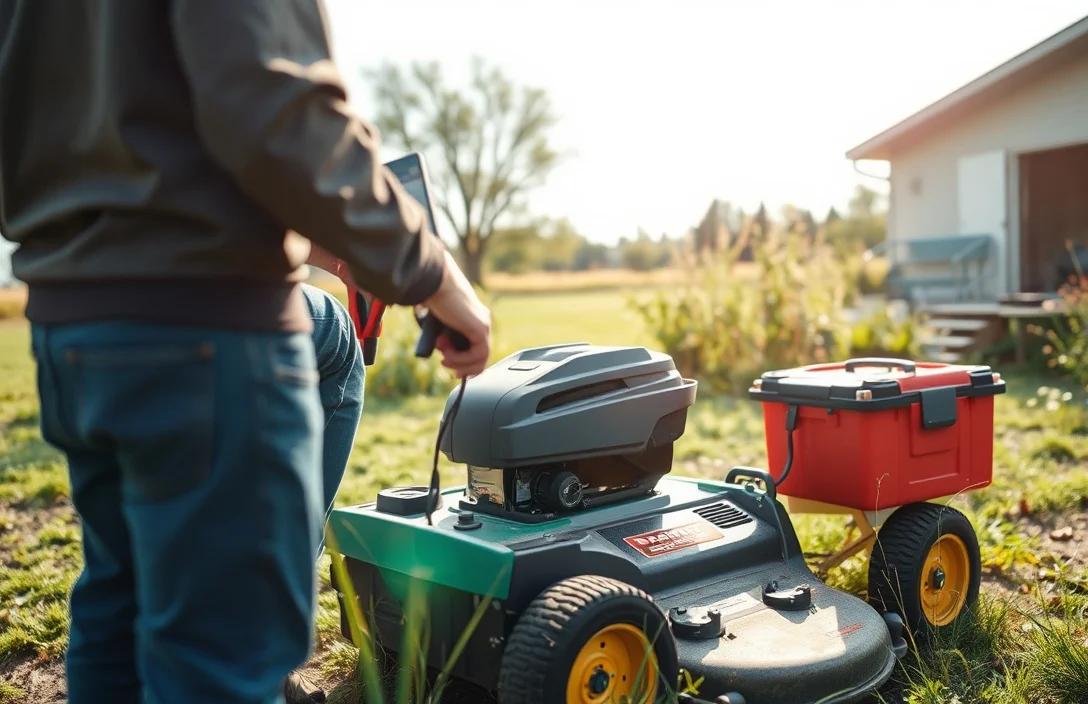
Sparks, battery acid, and hidden fuel vapors create real fire risks during jump-start attempts. A swollen or leaking lawn mower battery is especially dangerous and should be replaced instead of jumped. Wear eye protection and gloves, work in a well-ventilated area away from heat sources, and keep metal jewelry away from battery terminals. If you smell rotten eggs or see smoke, stop immediately.
Even with a correct setup, a jump can backfire if you connect cables incorrectly or exceed the system’s limits. Avoid jumping if you’re unsure about the battery type or if it’s lithium-based. Lithium packs require specific handling, as a bad jump can trigger thermal runaway or bypass safety systems. In doubt, use a portable jump starter or call a professional.
Prepare the area before jumping: clear the mower of debris, position the car and mower for easy cable access, and ensure all connections are clean and dry. A dry environment reduces the risk of short circuits. Wait for dry conditions if the mower has been outside in the rain.
When It’s Reasonable to Jump
Recommended Products


Jumping is only sensible when both batteries can handle a quick voltage boost and the mower battery is healthy. Skip the jump if the battery is swollen, cracked, or leaking. Avoid jumping lithium-based batteries; they require a dedicated charger and compatible management systems. If the car battery is weak, the boost may not work and could leave both vehicles stranded.
A practical rule: don’t use a jump to “test” a mystery charging problem. If the mower won’t start after a brief boost, the issue likely runs deeper and requires diagnosis. In this case, use a portable charger or professional service instead of repeatedly attempting a jump. For small lawn mowers with standard 12V lead-acid batteries, a single proper boost is often sufficient.
What You Need
Recommended Products


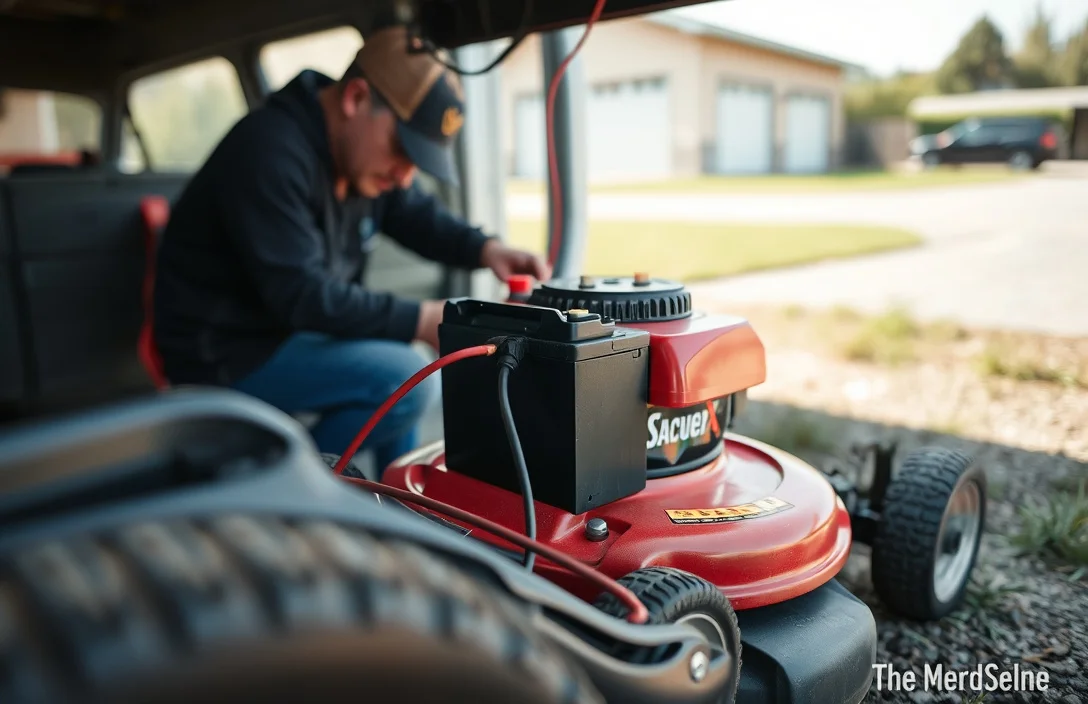
Gear includes a pair of heavy gauge jumper cables, eye protection, gloves, and a clean, dry workspace. Confirm both batteries are 12V and inspect for corrosion or damage. Do not proceed if either battery shows swelling, leakage, or cracks.
The donor vehicle matters. A running car provides more stable voltage than one with a failing alternator. If you lack a second vehicle, a certified portable jump starter is a safer option. Remove jewelry and keep flames or sparks away from the battery area. After the boost, let the mower run for a few minutes to recover the battery before disconnecting.
Step-by-Step Jump-Start Procedure
Recommended Products

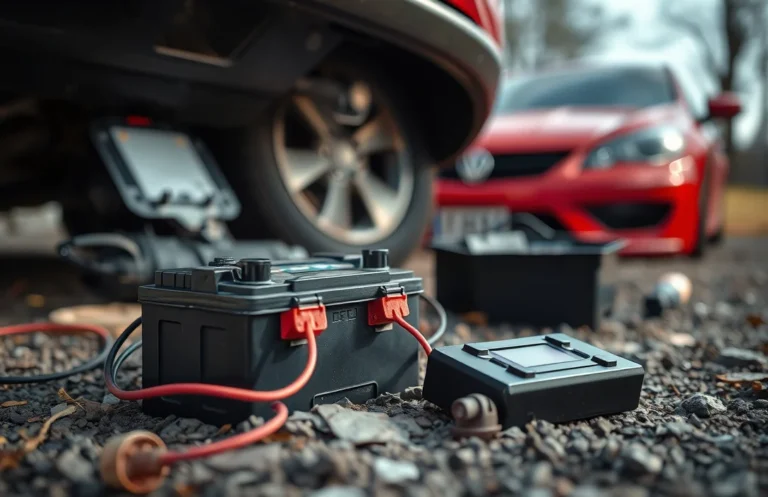
- Park both vehicles on level ground, engine off, and set the parking brakes. Open the hoods and locate both batteries. Identify the positive (+) and negative (-) terminals on each.
- Attach the red clamp to the mower’s positive terminal first, then to the car’s positive terminal. This minimizes the chance of a short.
- Attach the black clamp to a solid, unpainted metal surface on the mower or its engine block, not to the mower’s negative terminal. This serves as a ground and reduces arcing near the battery.
- Start the donor car and let it run for a minute or two, giving the mower’s battery a chance to accept a bite of current.
- Attempt to start the mower. If it doesn’t fire within 5-10 seconds, stop, wait 1-2 minutes, and try again. Do not crank the mower for extended periods.
- Once the mower runs, let it continue to idle. Remove the black clamp first, then the red clamp, in the reverse order of connection. Do not shut down the donor car immediately; allow the mower battery to settle.
This sequence minimizes chemical and electrical stress on both batteries. If you have to boost more than once, reassess battery health and consider replacing the mower battery instead of repeatedly jumping it. Use a charger after the boost to ensure the mower battery remains healthy.
Common Mistakes and Risks
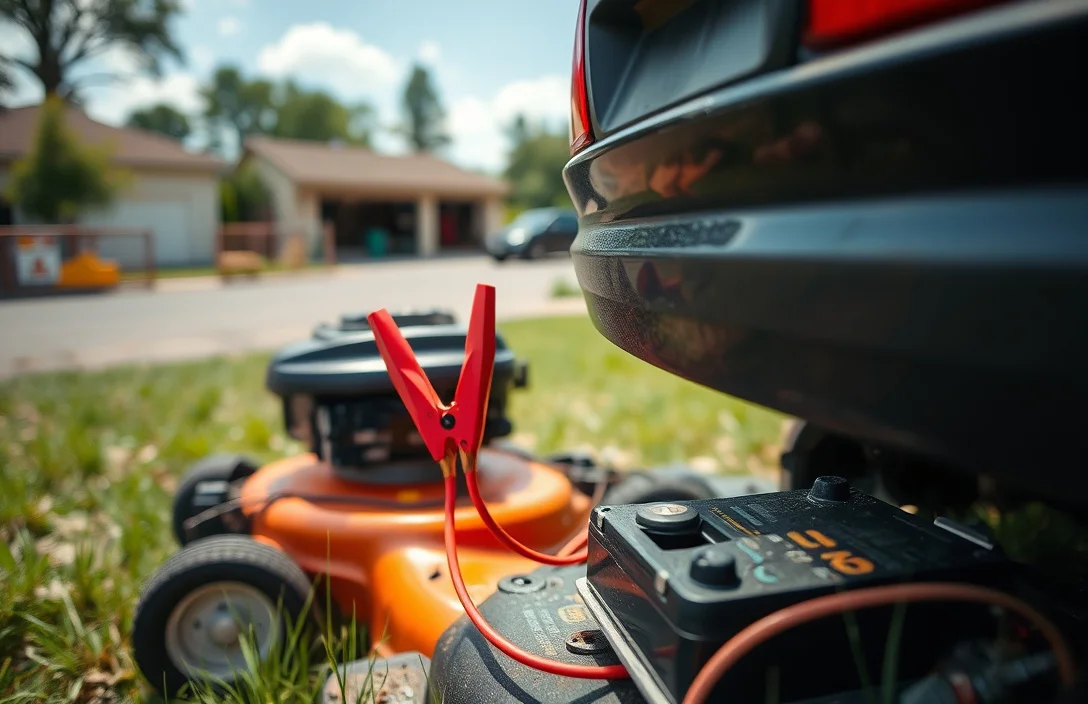
Hasty or sloppy jumps invite trouble. Common errors include reversing polarity, which sends current the wrong way, bridging across the mower’s battery terminals, or touching the clamps together while connected. Always disconnect carefully after the mower starts, and never attempt a jump if you notice any battery swelling or leaks.
Another frequent misstep is treating the mower as a mere power sink. Some people leave the car running without monitoring the connection, which can cause overheating or a blown fuse in either vehicle. Do not crank the mower for long periods; short bursts minimize heat buildup and reduce the chance of damaging the battery or electrical system. If you hear buzzing or see unusual smells, stop immediately.
If the mower fails to start after a single boost, the issue is likely battery health or a mechanical problem in the mower. Replacing the mower battery is straightforward if the case is intact. Otherwise, diagnose the fuel or ignition system before attempting a second jump. Jumping is a temporary solution, not a fix for chronic starting issues.
Battery Types and Compatibility
Recommended Products

| Battery Type | Typical Voltage | Jump-Start Suitability | Key Caveats |
|---|---|---|---|
| Flooded Lead-Acid | 12V | Generally safe with car jump, if in good condition | Needs ventilation; can gas if damaged or overcharged |
| AGM Lead-Acid | 12V | Safe to jump; more resistant to spills | Higher cost; still sensitive to short and overcharging |
| LiFePO4 (Lithium) | 12V | Not recommended to jump with a car; BMS risk | Requires dedicated charger and protocol; avoid car boosts |
| Car Battery’s Role | 12V | Provides donor power; ensure it’s healthy | Donor must be capable of supplying current without stalling |
Flooded and AGM 12V packs handle short boosts from a car better than lithium-based packs. If unsure about the mower battery chemistry, treat it as a 12V lead-acid and proceed cautiously. The best approach is to use a proper jump starter or a fresh, compatible lead-acid battery if you must boost repeatedly.
Table notes: never attempt a jump with a damaged or swollen battery. The risk of hydrogen gas buildup, electrolyte exposure, and electrode damage increases with battery condition. When using a jump starter, follow the device’s instructions to avoid mis-wiring or overcurrent events.
Alternatives and Safer Options
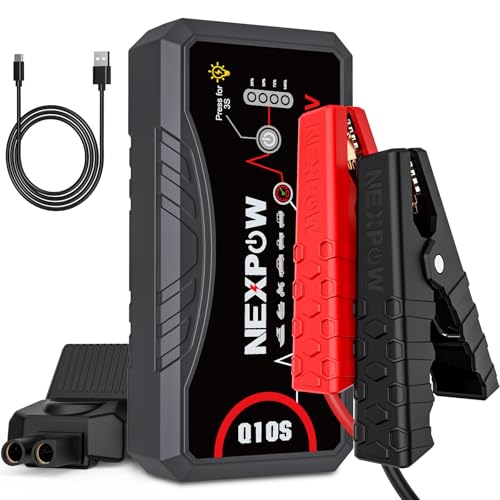
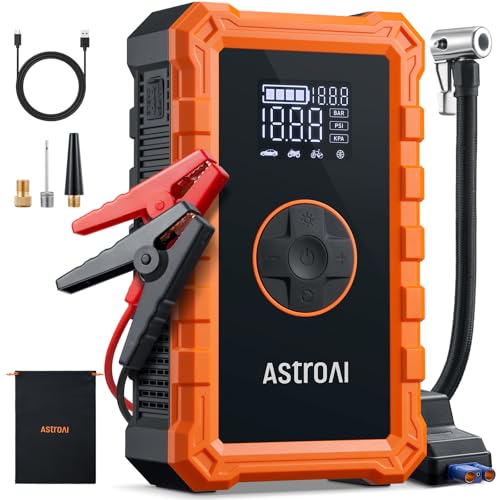
If you’re uncertain, a portable 12V jump starter or dedicated battery pack is safer than a car-based boost. These devices are designed to deliver a controlled surge and protect the battery from backfeed, avoiding shared electrical loads with the car’s systems.
Another option is to use a fully charged spare battery from a friend or neighbor or to take the mower to a shop for a quick battery replacement. If you regularly encounter starting issues, consider replacing the mower battery preemptively or using a battery maintainer to keep it charged. For persistent problems, consult an experienced technician instead of repeatedly attempting to jump.
What to Do if It Won’t Start
If the mower still won’t start after a proper boost, confirm the battery is delivering voltage by measuring with a multimeter. A healthy 12V lead-acid battery should read around 12.6V to 12.8V when fully charged and roughly 12V under load. If the voltage drops quickly under load, the battery likely needs replacement.
Next, test the mower’s ignition and fuel systems. A clean air filter, fresh fuel, and proper spark at the plug are necessary for starting. If fuel or ignition is the issue, boosting or replacing the battery won’t resolve it. In that case, diagnose the mower’s mechanical components or electrical circuits. If unsure, bring the mower to a professional for a diagnostic check.
FAQ
Can I jump a lawn mower battery with a car if the mower uses lithium batteries?
- Do not jump a lithium-based lawn mower battery with a car. The battery’s BMS can be damaged, and a high surge may trigger thermal protection or runaway charging; use a compatible charger or a manufacturer-approved method instead.
How long should I crank the mower after connecting the cables?
- Limit cranking to 5-10 seconds per attempt and wait 1-2 minutes before trying again to avoid overheating the battery and cables.
Is it safe to jump if the donor car’s engine is off?
- Not recommended for a standard 12V lead-acid mower battery. A running donor engine provides fuller current and reduces the risk of a rough boost or misfire.
What if the mower starts then dies after I remove the cables?
- Recheck voltage and let the mower run on its own battery for several minutes; a weak starter or bad battery may not sustain charge after a jump.
Are there cheaper or safer alternatives to jumping?
- Yes. A portable 12V jump starter or a spare 12V battery with the proper rating is safer and easier, especially if you jump often or in a tight space.
Jumping a lawn mower battery with a car is feasible when both batteries are 12V lead-acid and in good shape. Use correct polarity, brief boosts, and careful disconnection. If the mower uses lithium, or if the battery shows damage, don’t jump – use a charger or replace the battery. For ongoing reliability, keep a portable jump starter on hand and test the mower battery regularly.

- 10 Best Battery For Generator Battery Safety System 2026 - October 12, 2026
- 10 Best Battery For Generator Battery Safety Option 2026 - October 12, 2026
- 10 Best Battery For Generator Battery Safety 2026 - October 12, 2026