Can You Put Aa Batteries In Checked Luggage?
Yes, you can put AA batteries in checked luggage, but the rules depend on the battery type and how you pack them. Alkaline and other non lithium AA cells are generally allowed in checked bags, while spare lithium metal or lithium-ion batteries must travel in carry-on only. Pack batteries in their original packaging or a protective case, with terminals taped or covered to prevent short circuits.
AA batteries in checked luggage are allowed in most cases, but spare lithium metal or lithium-ion batteries are banned in checked bags. Use protective cases, keep terminals insulated, and prefer carrying in the cabin for safety and easier inspection. That approach reduces the chance of a fire delaying your flight.
Key Takeaways
- Type matters. Alkaline and NiMH AA are generally allowed in checked luggage when packed properly.
- Spare lithium bans. Do not carry spare lithium metal or lithium-ion AA in checked luggage; keep them in carry-on.
- Protect terminals. Tape ends or use a battery cover to prevent short circuits.
- Pack smart. Use original packaging or a dedicated case to prevent movement and leaks.
- Check ahead. Verify current rules with your airline before packing.
What the rules actually say
Recommended Products



Alkaline AA batteries are allowed in checked luggage, but spare lithium metal or lithium-ion batteries must travel in carry-on only. This distinction matters because lithium batteries pose a higher fire risk if they are loose in checked baggage. Devices containing batteries can be checked, but loose spares generally cannot. Security and airline policies differ in nuance, so a quick check with the carrier before packing reduces surprises at the checkpoint.
In practice, you should treat alkaline AA as routine baggage items. They’re widely used in wall clocks, flashlights, remote controls, and toys. NiMH rechargeable AA cells follow the same general rule set as alkalines, with the caveat that they’re rechargeable and often used in high-drain devices. The real constraint comes from lithium items: spare lithium batteries are not permitted in checked bags and should be carried in the cabin, with terminals protected and the battery’s positive terminal taped.
To minimize risk during handling, keep batteries in their original packaging whenever possible and avoid stacking them with metal objects that could cause a short. If you’re packing loose AA cells, place them in individual plastic sleeves or a dedicated battery case. This practice reduces movement and the chance of corner contact or leaks if the bag is jostled.
Table: Battery types and where they belong
| Battery type | Allowed in checked luggage? | Allowed in carry-on? | Notes |
|---|---|---|---|
| Alkaline AA | Yes | Yes | Common, low risk of venting; pack in original packaging if possible. |
| NiMH AA (rechargeable) | Yes | Yes | Reusable; protect terminals; consider keeping some in carry-on if you rely on replacements during travel. |
| Lithium metal AA (spare) | No | Yes | Spare Li metal not allowed in checked; carry-on with terminals protected. |
| Lithium-ion AA (rechargeable) | No | Yes | Spare Li-ion not allowed in checked; if used, keep in carry-on with device or in its own protective case. |
Battery types and where they belong
Recommended Products


Alkaline AA batteries are the most common non-rechargeable option and they are generally permissible in checked luggage. The risk from these cells is low, and they don’t require special handling beyond basic packing hygiene. If you’re packing several sets for travel, consider using the original packaging or a protective case to prevent accidental contact with metal objects.
Rechargeable NiMH AA cells behave similarly from a screening perspective. They’re allowed in both checked and carry-on baggage. The main difference is cost and performance; NiMH cells deliver higher usable capacity and more consistent discharge in devices like wireless mice or digital cameras. Regardless of chemistry, always protect the terminals and avoid carrying damaged cells. In practice, you’ll likely find NiMH easier to manage if you’re traveling with devices that require frequent battery swaps.
Lithium metal AA batteries, when used as spare cells, are generally prohibited in checked baggage. These batteries present a higher risk of thermal runaway if damaged or shorted. The safe approach is to carry them in your carry-on in a protective case, with terminals insulated and the devices they power considered for separate screening if needed. Do not stash loose spare lithium metal in checked luggage.
Lithium-ion AA batteries exist, though they’re less common in consumer sizes. Spare Li-ion are also restricted to carry-on only. If you must travel with devices powered by Li-ion, keep the battery in the device and carry the device in your carry-on bag. If you transport loose Li-ion cells, they must be in a protective container or sleeve in the cabin. The rules hinge on the battery being spare rather than installed.
Packing tips to stay compliant
Recommended Products


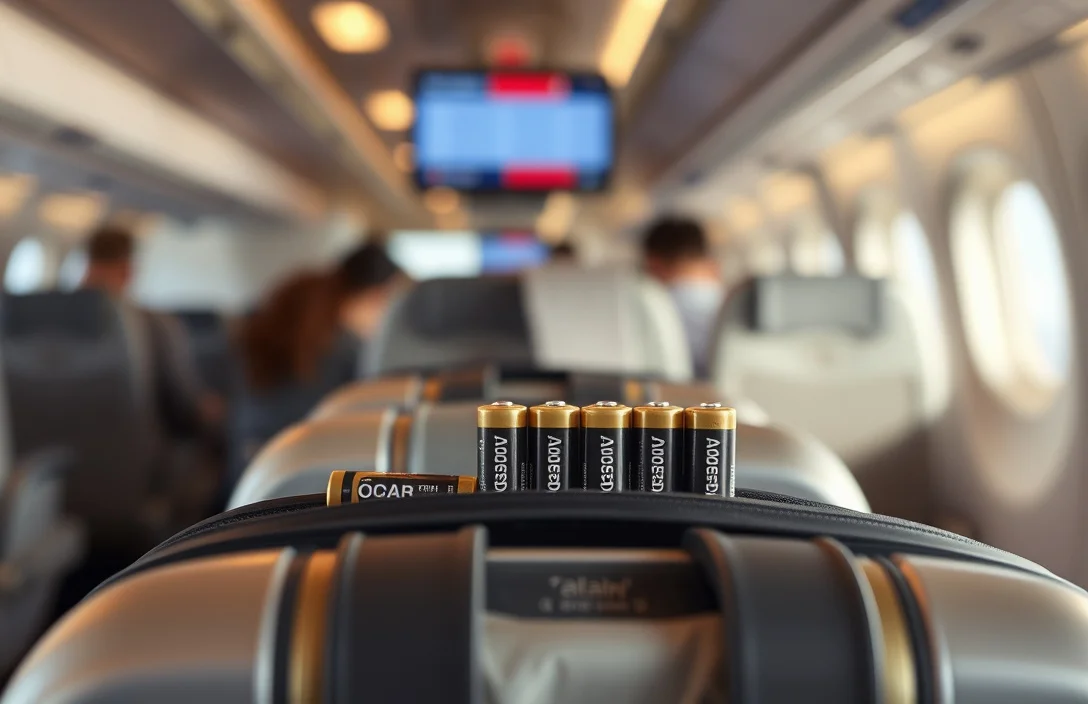
Pack thoughtfully to minimize risk and friction at security. Start by identifying every battery you’ll be bringing and categorize them by type. Then decide which bags they’ll live in based on the rules above. Remember, the main safety lever is preventing short circuits and accidental contact with metal.
First, protect terminals. Tape the exposed ends of loose cells or use a battery case with individual slots. This reduces the risk of a short inside the bag during handling or compression. Second, prevent leaks by keeping cells dry and insulated. Place batteries in a plastic bag or pouch to catch any moisture or vented electrolyte. Third, keep spares together in a single, clearly labeled container so you don’t accidentally mix them with other items.
If you’re traveling with devices that use AA batteries, leave the batteries inside the devices when possible. This minimizes the chance of damage or short circuits during handling, and it often simplifies security screening. For devices that require frequent battery changes, plan to swap batteries in the cabin rather than in the cargo hold. In practice, this reduces the risk of delays caused by battery-related checks.
Packing checklist
- Alkaline AA and NiMH AA in protective cases or original packaging
- Spare lithium metal or lithium-ion AA in carry-on only, with terminals taped
- All terminals insulated; no loose batteries in pockets or metal pouches
- Devices containing batteries in the carry-on, with the battery installed when possible
- A quick inventory of batteries per device to avoid overpacking
What to do if you travel with devices
Recommended Products


For example, a flashlight or a digital camera that uses AA cells should be checked with the device intact in your carry-on if you can. If you must pack the device in checked luggage, fully discharge the battery or remove it and carry it separately in your carry-on. Always ensure the device is turned off and that terminals cannot contact metal objects during transit. When in doubt, err on the side of carry-on for higher security and efficiency at screening.
In practice, if you rely on AA powered devices during your trip, a small carry-on battery kit is worth the extra space. It keeps you from hunting batteries in a layover city and reduces the chance of damage to devices or batteries in the cargo hold. A compact case with a dozen AA cells and a simple labeling scheme can save you multiple stress points across security, boarding, and landing.
Airline and airport realities

Airlines and airports publish similar core rules, but how they’re enforced can vary by carrier and country. In the United States, the general guidance is clear: spare lithium batteries stay in carry-on, while alkaline and NiMH AA can be checked if packed properly. The screening experience at different airports can feel different, depending on the security officers and the current risk environment. If you’re a frequent traveler, it pays to check the airline’s policy on batteries before you fly.
A practical approach is to keep a small, clearly labeled battery kit in your carry-on. You’ll have quick access for replacements, and it’s easier to handle during security screening. If you’re bringing a large number of batteries, call ahead to confirm any quantity limits or special packaging requirements. Some destinations with stricter security postures may request additional screening for battery-laden luggage, so a heads-up helps you plan your layovers.
Practical verdict and next
Alkaline and NiMH AA cells are generally allowed in checked luggage, provided you pack them with terminals protected and in original packaging when possible. Spare lithium metal or lithium-ion AA batteries should be in carry-on only. If you’re unsure, contact your airline before you pack. A simple packing kit in your carry-on makes travel smoother and safer.
Next step: verify the battery rules with your specific airline and packing method a few days before your trip to avoid last minute changes or delays. When in doubt, keep the majority of AA cells in carry-on, and reserve checked luggage for devices with non-removable batteries or for bulk items that you can safely secure in a dedicated case.
FAQ
Are AA batteries allowed in checked luggage?
Yes, alkaline and NiMH AA batteries are generally allowed in checked luggage, but spare lithium batteries are not. Always protect terminals and pack in original packaging or a protective case if possible.
Do I need to tape the ends of AA batteries?
Taping the ends or using a protective case reduces the risk of short circuits during handling. It’s a simple step that helps security and reduces leakage risk.
Can I travel with AA batteries in carry-on only?
Carrying AA batteries in carry-on is common practice and often easier for inspection. Spare lithium batteries must be in carry-on, with terminals protected.
What should I do if my device uses AA batteries and I’m flying?
If possible, leave the battery in the device and carry the device in your carry-on. If you must remove the battery, store it securely in a protected container and keep the device with you.
What if I have a lot of AA batteries to transport?
Pack them in a dedicated case with individual slots or original packaging, and consider keeping the majority in carry-on to simplify screening and rapid access during the trip.
Closing verdict: If you’re traveling with AA batteries, plan for alkaline and NiMH to go in checked luggage with protection, and keep lithium spare cells in carry-on only. The simplest way to avoid issues is to maintain a small, organized carry-on battery kit and double-check airline guidelines before you fly.

- 10 Best Battery For Generator Battery Safety Option 2026 - October 12, 2026
- 10 Best Battery For Generator Battery Safety 2026 - October 12, 2026
- 10 Best Battery For Generator Battery Rv Upgrade 2026 - October 12, 2026