Do Car Warranties Cover Batteries?
Do car warranties cover batteries? It depends. In the United States, bumper-to-bumper coverage typically lasts 3 years or 36,000 miles, while powertrain protection often extends further. Battery coverage varies based on the battery type – ICE, hybrid, or EV – and the cause of failure. Read the policy closely; coverage differs widely by manufacturer and model.
Most new-car warranties cover the battery only for manufacturing defects, not for wear or neglect. EV and hybrid batteries usually have longer terms, often 8 years or 100,000 miles, while the 12-volt auxiliary battery is often excluded or insured separately.
Key Takeaways
- Coverage varies by type. Bumper-to-bumper plans generally run 3 years/36,000 miles, with battery terms tied to the same conditions.
- EV and hybrid batteries. These packs typically have longer warranties, often 8 years or 100,000 miles.
- 12V caveats. The auxiliary 12-volt battery is often excluded or treated separately from the main drive battery.
- Manufacturer vs extended. Original warranties differ from third-party extensions that may add battery protection.
- What triggers coverage. Defects in materials or workmanship are typically covered; normal wear or improper use is not.
- How to claim. Have your VIN, service records, and warranty booklet ready; claims go through the selling dealer or manufacturer.
How Battery Coverage Works in Practice
Recommended Products



Batteries are covered when a failure stems from a manufacturing defect within the warranty window. A defect is different from battery wear due to daily use or regular charging habits. If the pack deteriorates from age, heat, or improper charging, coverage often disappears or becomes limited. This distinction is crucial when your car is in the shop for a failed cell or faulty battery module.
For ICE cars, the battery is part of the overall electrical system and usually falls under the bumper-to-bumper or powertrain umbrella only if the failure qualifies as a defect. For hybrids and EVs, the battery’s importance prompts many manufacturers to offer a dedicated battery warranty; these terms often outlast the standard warranty on the rest of the vehicle. Read the fine print to determine if the failure is classified as a defect or wear and tear.
Documentation is key for a claim. Service history matters; consistent, manufacturer-approved charging and storage practices reduce the risk of disputes. If a dealer or insurer challenges a claim, a simple check of year and mileage can clarify coverage. When in doubt, escalate to a supervisor and request the written policy language.
EV and hybrid battery warranties are distinct from the rest of the car. The battery warranty is often a separate agreement with its own terms and durations. This separation reflects the battery’s unique role, higher replacement cost, and longer expected lifespan. If evaluating a used EV or hybrid, ask for the exact battery warranty terms and any transfer requirements if you plan to sell.
Warranty Types and Battery Protection
Recommended Products


Different warranty types affect coverage for a failed battery. Standard factory plans can include or exclude battery issues based on the policy. Extended warranties, including third-party plans, sometimes cover battery replacements for longer periods or higher mileage but come with caveats about wear and usage conditions.
Most readers will encounter three core formats:
- Bumper-to-bumper: Broadest coverage, often excluding normal wear. Batteries are covered for manufacturing defects within the term.
- Powertrain: Covers major drivetrain components and sometimes the battery only if a defect affects propulsion or electrical function.
- Battery-specific: A separate battery warranty, common on EVs and hybrids, with defined terms like years and miles that differ from the rest of the vehicle.
EV and hybrid battery protections tend to be longer and more explicit; 12-volt batteries may not be included or are covered under a separate clause. Manufacturer-backed warranties generally offer the simplest path to repair or replacement with minimal out-of-pocket costs. Third-party plans can fill gaps but require careful reading of exclusions and transferability.
When reviewing a plan, look for:
Recommended Products



- Clear scope: what is covered and what triggers coverage.
- Duration and mileage: years and/or miles, and whether there are prorated terms.
- Exclusions: conditions that void coverage, like improper charging, accidents, or corrosion.
- Transferability: whether the warranty remains valid after ownership changes.
- Deductibles or co-pays: amounts you’d pay out-of-pocket per claim.
Table: Battery coverage snapshot across common warranty types
| Warranty type | Typical coverage for battery failures | Common exclusions or notes |
|---|---|---|
| Bumper-to-bumper | Coverage for defects during term (often 3 yrs/36k mi) | Wear, improper charging, damage from accidents often excluded |
| Powertrain | Sometimes includes drivetrain electronics; battery coverage varies | Battery-specific failures may be excluded or limited |
| Battery-specific (EV/Hybrid) | Separate terms, often 8 yrs or 100k mi (or more) for packs | 12V battery may be excluded or covered separately; transfer rules vary |
| Extended/warranty add-ons | Varies by plan; can extend battery protection | Watch for prorated terms, service network limits, and caps |
EV and Hybrid Battery Coverage: Longer Protection
Recommended Products
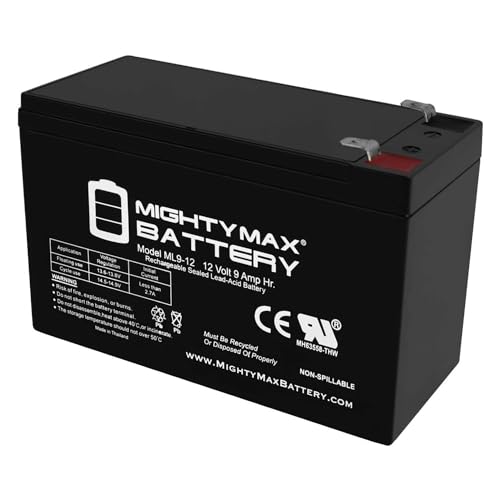

EVs and hybrids typically carry dedicated battery warranties that outlast standard car coverage. The protected life is tied to the battery pack’s integrity and the vehicle’s stated use conditions. Many EV battery warranties run 8 years or 100,000 miles, whichever comes first, with some manufacturers offering even longer terms for higher-cost packs.
For buyers, this difference impacts price and risk. A longer EV battery warranty reduces the likelihood of a large repair bill in the medium term, but you’ll pay for that protection in the vehicle’s overall price or the cost of an extended plan. When evaluating a purchase, confirm whether the EV or hybrid battery warranty is a separate contract, how transfer works, and what counts as a defect versus normal degradation.
Battery performance still depends on usage patterns. Excessive fast charging, high heat exposure, or frequent deep cycling can accelerate degradation, but these factors typically do not void a defect-based warranty. Manufacturers often cap coverage on degradation to a certain percentage of capacity, though exact thresholds vary. Reading the terms helps avoid disputes when the battery’s health dips below a given threshold but is still above a cut-off.
Essential Tools for Battery Care and Maintenance
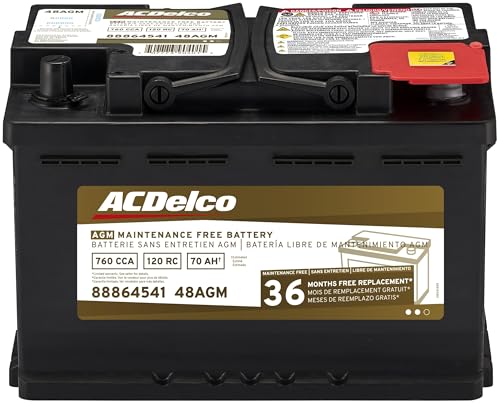
ACDelco Gold 48AGM (88864541) 36 Month Warranty AGM BCI Group 48 Battery
The ACDelco Gold 48AGM battery comes with a 36-month warranty, ensuring peace of mind for drivers concerned about battery reliability under their car warranty.

Daakmax Platinum AGM Car Battery Group Size 49 H8, 12V 95Ah, 900 CCA, 160 RC, Rechargeable Start-Stop Automotive Battery with 36-Month Warranty
Daakmax Platinum AGM Car Battery features a 36-month warranty, making it a dependable choice for those seeking coverage for their vehicle’s battery under warranty terms.
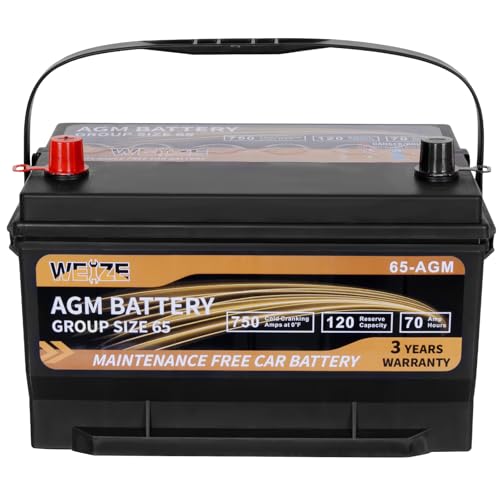
Weize Platinum AGM Battery BCI Group 65 Automotive Battery, 12V 70ah, 120RC, 750CCA, 36 Months Warranty, Replacement for Car, SUV
Weize Platinum AGM Battery offers a 36-month warranty, providing reassurance for car owners about battery performance and compatibility with typical warranty coverage.
Common Exclusions and Fine Print
Recommended Products



Batteries do not come with a blanket guarantee. Common exclusions involve wear, abuse, improper maintenance, and environmental damage. For 12-volt batteries, coverage can differ from the main traction battery in EVs and hybrids. Sometimes, the 12-volt battery is not covered by the same warranty as the high-voltage pack; in other cases, it is included under the bumper-to-bumper plan.
What to verify before you buy or renew:
- The exact defect definition: is it a manufacturing defect, or does it include certain failure modes?
- The coverage window: years and miles, and whether there are prorated terms as you approach the limit.
- The battery type covered: traction battery, auxiliary 12-volt battery, or both.
- Transfer rules: can the warranty transfer to a new owner, and are there fees?
- Required service steps: does the policy require dealer-approved service, and are there preferred shops?
How to Verify Coverage on Your Car
Locate the warranty booklet and read the battery section. Then, pull your vehicle’s VIN and confirm the exact terms with the dealer or manufacturer. When shopping, ask specific questions: Is the traction battery coverage separate? Are there mileage-based caps? What exclusions apply to the 12-volt battery?
Request a written quote that itemizes battery coverage. Compare it against another plan to see who covers third-party replacements, diagnostics, and labor. When filing a claim, a diagnostic test will typically confirm whether the issue results from a defect rather than wear or user-induced damage. Document every service visit and keep receipts; a well-documented history reduces friction during claims.
For new-car buyers, a dealer’s “included” plan can seem attractive, but the true test is the breadth of the battery terms and whether an extended plan adds meaningful protection for the pack. For used-car shoppers, insist on the precise battery warranty language and any transfer requirements before signing.
What to Do If a Battery Fails After Warranty
If a defect arises after the warranty expires, options exist but aren’t guaranteed. Some automakers offer goodwill repairs or partial coverage if the failure occurs under unusual conditions, particularly for EV and hybrid packs. Extended warranties can bridge the gap, but expect to pay a premium for continued protection, and be aware of limits on coverage amounts or specific failure modes.
When no coverage applies, you still have choices. A third-party battery warranty can be purchased, but terms vary widely; some plans cap parts, labor, and diagnostics. Another option is negotiating with the dealer for a one-time goodwill repair, especially with a meticulous service history. If you rely on public charging or frequently take long trips, consider a plan that includes battery protection for replacement costs related to high-voltage packs.
Proactive planning is the best approach. Monitor battery health, optimize charging habits, and keep an eye on your warranty terms. If you’re nearing the end of coverage and plan to keep the car, a battery-focused extended warranty may be worthwhile. If you’re shopping, prioritize a plan that offers predictable coverage for the pack with straightforward transferability.
Practical Budgeting and Maintenance to Extend Battery Life
Battery health closely tracks usage. Reduce stress on the pack by avoiding chronic deep discharges, monitoring high-voltage temperatures, and using manufacturer-recommended charging settings. Regular software updates and battery health assessments at the dealership help identify issues early.
Simple habits yield significant benefits. Park in shade or a garage when possible, minimize DC fast charging for daily use, and maintain a stable charging routine. For EVs, aim for a mid-range state of charge for daily driving and avoid storing the car at full charge for extended periods. For hybrids, regular tune-ups keep the electrical system in sync, reducing unexpected battery issues.
When buying a used car, request the original battery warranty terms and any maintenance records related to the pack. Confirm whether the warranty transfers to a new owner and if any exceptions apply. A transparent battery warranty alongside solid service history reduces post-purchase risk and aids in financial planning for future replacements.
Battery coverage exists, but it isn’t automatic for every battery or failure. Read the policy language, know the battery type, and verify whether the plan includes transferability and a clear defect definition. When shopping, favor a plan explicitly covering the high-voltage pack with straightforward terms for the next owner. If you already own, track your warranty windows and set reminders to re-evaluate as you approach the end of a term.
| Option | Why it helps | Price | Link |
|---|---|---|---|
| Daakmax Platinum AGM Car Battery Group Size 47 H5, 12V 60Ah, 680 CCA, 100 RC, Rechargeable Start-Stop Automotive Battery with 36-Month Warranty | This Daakmax Platinum AGM battery offers reliable performance, helping to reduce stress on your vehicle’s battery system. | Check price | View → |
| Weize Platinum AGM Battery BCI Group 49-12v 95ah H8 Size 49 Automotive Battery, 160RC, 900CCA, 36 Months Warranty, Dimensions 13.9″ L x 6.89″ W x 7.48″ H | With a high capacity and robust warranty, this Weize Platinum AGM battery supports optimal battery health and longevity. | Check price | View → |
FAQ
Does a new car include battery coverage by default?
A new car typically includes a bumper-to-bumper warranty that covers the battery for defects within the term, but many plans exclude normal wear. Confirm the battery’s exact status in your policy language and ask your dealer for a written copy of the battery section.
Do EV and hybrid batteries have longer warranties than the car?
Yes. EV and hybrid battery warranties are usually longer and sometimes separate from the car’s basic warranty. They often run 8 years or 100,000 miles for the high-voltage pack, with variations by manufacturer.
What can invalidate battery coverage?
Common invalidations include improper charging, neglect, physical damage, and use beyond the limits defined by the policy. Some plans also exclude corrosion, accidents, and aftermarket modifications.
How can I verify coverage before buying?
Request the exact battery warranty terms in writing, check transferability, and compare the terms to the rest of the vehicle warranty. Confirm whether the 12-volt battery is included or treated separately.
What should I do if the battery fails after the warranty ends?
Check if goodwill repair is possible, consider an extended warranty covering the pack, or explore third-party battery plans. Evaluate replacement costs and service options with your dealer.

- 10 Best Battery For Generator Battery Safety System 2026 - October 12, 2026
- 10 Best Battery For Generator Battery Safety Option 2026 - October 12, 2026
- 10 Best Battery For Generator Battery Safety 2026 - October 12, 2026