Can I Take Battery Power Tools On A Plane?
You can travel with battery power tools, but with limits. In the United States, spare lithium batteries over 100 Wh usually require airline approval, and many carriers prohibit loose batteries in checked baggage. For cordless tools, lean into a compact two-battery setup that stays cabin-friendly and easy to clear at security.
Battery power tools can ride in the cabin when powered down and packed with care: tools with installed batteries are allowed in carry-on, and spare batteries must stay in carry-on with terminals protected. Batteries under 100 Wh are typically permitted, while larger packs need airline approval before travel.
Key Takeaways
- Carry-on only. Spare lithium batteries belong in carry-on with terminals protected and taped.
- 100 Wh limit. Spare batteries larger than 100 Wh usually require airline approval.
- Installed batteries. Tools with batteries installed can travel in carry-on if powered off.
- Policy verification. Always confirm current limits with your airline before packing.
- Terminal protection. Use insulation caps or original cases to protect battery terminals.
Best picks for travel-ready battery power tools
Recommended Products
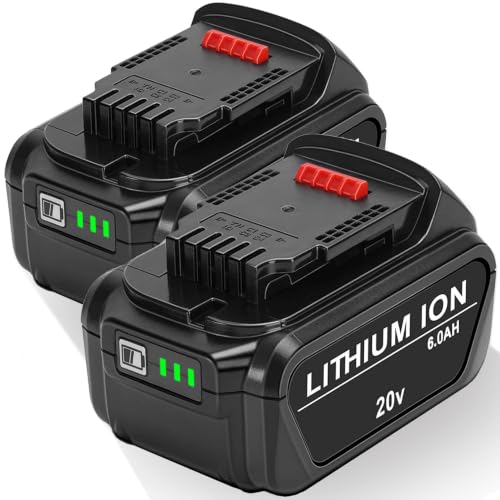

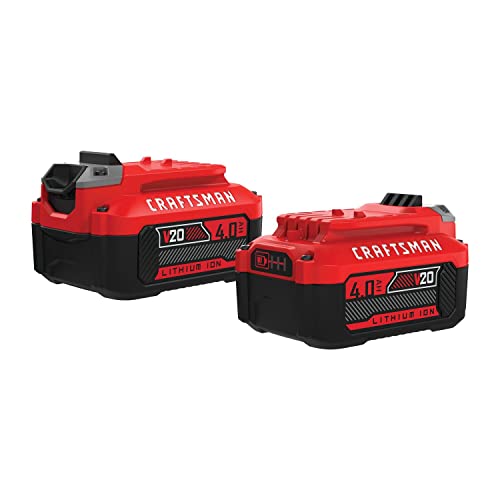
Two solid ideas dominate for airline travel: keep it compact and keep the battery count low. A small 20V system with two 2.0 Ah packs sits around 40 Wh per battery, which keeps you comfortably under the 100 Wh spare threshold while still delivering real work capability. If you’re chasing longer runtime on the road, a single larger pack (around 80 Wh) can cover more work sessions but adds weight and bulk. The goal is a kit that fits in a single carry-on tote, clears security smoothly, and doesn’t force you into extra airline approvals.
For example, a compact 20V drill/driver with two 2.0 Ah batteries is a common, travel-friendly choice. It handles most drilling and driving tasks without turning your suitcase into a battery shop. An additional 20V impact driver speeds up high-torque jobs, and a small oscillating multi-tool covers quick cuts and sanding. If you need more endurance, a model with an 80 Wh-capacity battery can deliver longer runtimes, but expect extra weight.
| Option | Tool Type | Battery Capacity (Wh) | Estimated Weight (lb) | Best For | Key Constraint |
|---|---|---|---|---|---|
| Option A | Compact drill/driver (20V) | 40 | 2.5 | Light-duty tasks | Lower torque, shorter runtime |
| Option B | 20V impact driver | 40 | 3.0 | Fastening, bulk screws | Less control at low speed |
| Option C | 12V oscillating multi-tool | 28-40 | 1.8 | Small cuts and sanding | Shorter runtime; ecosystem smaller |
| Option D | 20V drill/driver with 80 Wh pack | 80 | 4.5 | All-day tasks on the road | Heavier; bigger case |
In practice, think in terms of a two-battery minimum for airline-friendly kits. If you’re checking one bag, keep spare batteries in carry-on with protective caps and in their original packaging when possible. If you’re a frequent flyer, a single well-chosen 80 Wh pack paired with your tool can cover long jobs without forcing you into extra airline approvals, but you’ll notice the weight.
How the rules work in practice
Recommended Products

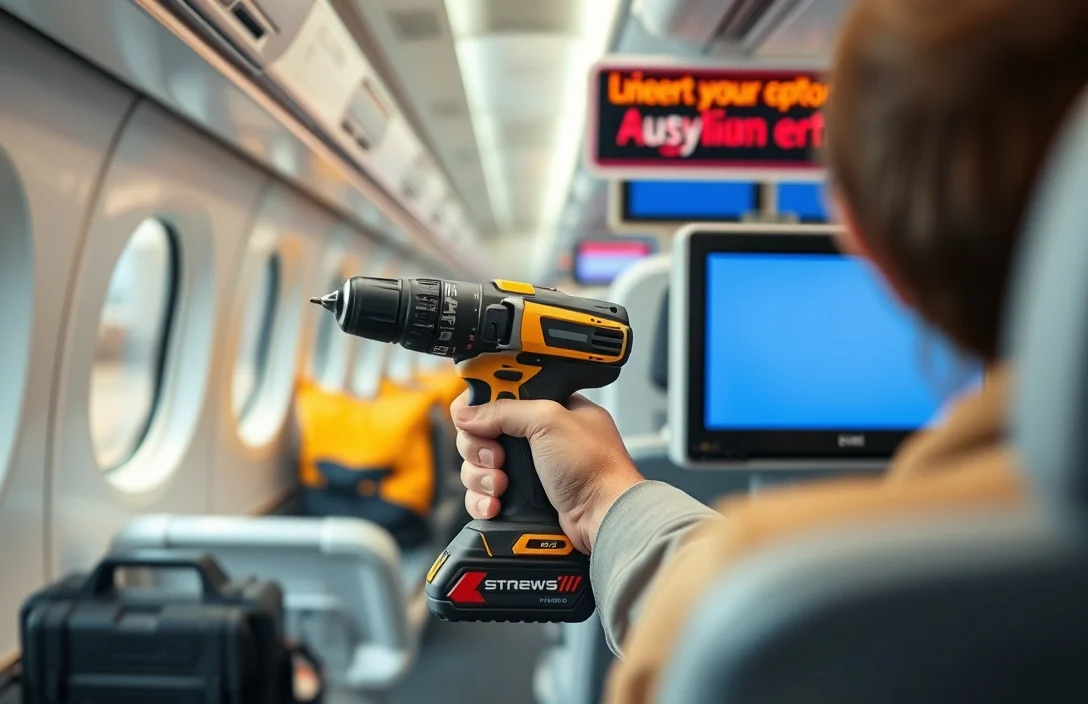
Airline rules hinge on two things: the battery’s energy (Wh) and whether the battery is installed in a device or is a spare. Installed batteries in tools are generally treated as part of the device and are allowed in carry-on if the device is powered off and cannot be activated during travel. Spare batteries sit in the cabin, not the hold, and must have terminals protected to avoid short circuits. If a spare battery pushes above 100 Wh, airline approval is typically required before you travel.
For example, a tool with a 20V battery rated at 2.0 Ah is about 40 Wh. That keeps a spare battery well under the 100 Wh line and reduces friction at security. A single 4.0 Ah pack sits around 80 Wh, which is still under the key threshold, but it’s right at the edge for a spare. If you ever see a battery rated above 100 Wh, you’re in the territory where approval becomes non-negotiable and timing matters.
In practice, travel with the tool itself in your carry-on and the battery kit in a protected pouch or case. Remove anything that could inadvertently power the tool, and protect terminals with caps or original packaging. Security officers enforce risk standards, not a vendetta; clear labeling and simple organization speeds the process.
What counts as a battery and how to prepare
Recommended Products


A battery is any energy storage pack used to power your tool. Li-ion and Li-polymer packs are the norm for modern cordless tools. The key divide is spare versus installed. An installed battery is inside the tool and considered part of the device; a spare sits on its own and must be carried in cabin baggage with terminal protection.
Know your numbers. Battery capacity in watt-hours (Wh) is volts times amp-hours (Ah). A 20V pack rated at 2.0 Ah equals about 40 Wh. A pair of 2.0 Ah packs gives you around 80 Wh of total energy in spare packs, which keeps you under the 100 Wh line for most routes. If you cross into 100-160 Wh territory for a spare, you’ll need airline approval. A battery with 160 Wh or more is generally not allowed as a spare without special permission and is often disallowed in checked baggage anyway.
Label your batteries clearly, store them in protective cases, and keep a simple inventory in your carry-on bag. If you’re traveling with more than two batteries, plan to consolidate to under 100 Wh per spare battery and seek pre-approval for any above that threshold. When in doubt, call the airline ahead of time to confirm the latest policy.
Carry-on vs checked baggage: practical guardrails
Spare batteries ride in the cabin; batteries in a tool can ride in the cabin too, provided the tool is powered off. Do not check spare batteries in the hold; they’re considered a higher risk and many carriers forbid them entirely. If you must ship a tool to a destination, do it without the battery, then ship the battery separately to avoid the hazard and weight constraints in one bag.
Pack tools and batteries in a way that minimizes movement. A dedicated case with foam inserts helps prevent jostling and accidental power-ons. If you’re transporting multiple tools, keep each battery in its own protective sleeve and avoid stacking loose batteries together. When you arrive, you’ll appreciate how a simple setup clears security smoothly and keeps you productive on day one.
Battery sizing and planning
Wh = Volts × Ah. A 20V pack at 2.0 Ah is roughly 40 Wh; a 20V pack at 4.0 Ah is about 80 Wh. These numbers matter because they determine whether you need airline approval for spare batteries. If you want to stay under the 100 Wh spare threshold, prioritizing 2.0 Ah packs keeps you clear of hassle in most situations. If you truly need longer runtimes, keep one spare under 100 Wh and be prepared to obtain approval for any higher-capacity battery.
When choosing a kit, compute your total energy for the trip. If every spare battery stays under 100 Wh, you’ll likely avoid the approvals process. If you anticipate needing more than 100 Wh total in spare batteries, contact the airline well ahead of travel to obtain the right authorization. You’ll save time at the airport and avoid last-minute surprises.
Best-by-use-case categories
Recommended Products


Best overall travel kit

- A compact 20V drill/driver and an impact driver, each running on 2.0 Ah packs, with a small accessory kit and a protective case. This setup covers most maintenance and assembly tasks while staying under the common 100 Wh rule for spares.
Best ultra-compact option
Recommended Products


- A single, high-quality 12V or 20V driver with one 2.0 Ah battery and a slim bit set. It travels light, handles most small fixes, and reduces the number of batteries you carry.
Best for pros on the road
- A full kit: drill/driver and impact driver with two 2.0 Ah packs plus a compact oscillating multi-tool. Add a small bag of essential blades and bits; you’ll be ready for a range of tasks on site.
Best value per watt-hour
- A two-battery kit where both packs are 2.0 Ah or one 4.0 Ah pack. The trade-off is weight for runtime, but you gain flexibility and fewer charging stops on longer trips.
Best risk-managed option
- A tool set that ships with a single high-capacity battery (up to 80-100 Wh) and a backup in the same range. It minimizes the number of spares you carry while maximizing reliability for a long day of work.
Individual option reviews
Option A – Compact drill/driver (20V, 2.0 Ah per battery)
Two batteries give you about 80 Wh total in spare packs. This kit is small enough to tuck into a carry-on and is powerful enough for most picture-frame hangs and shelf installs. It proves versatile for quick bone-dry tasks while traveling. The main trade-off is torque and runtime relative to larger packs.
Option B – 20V impact driver (2.0 Ah)
The impact driver excels at driving screws and removing stubborn fasteners. With two 2.0 Ah packs, you’re carrying about 80 Wh of spare energy and a compact tool that fits easily in a small case. Trade-offs include reduced control at very low speeds and limited precision in delicate tasks, but speed pays off on larger projects.
Option C – 12V oscillating multi-tool (28-40 Wh)
This is the lightest, smallest choice. It handles cut and sand tasks in tight spaces and travels with minimal bulk. Expect shorter runtimes per battery, so plan for quick stops to swap packs on longer days. It’s ideal for precise cutouts and trim work away from a shop.
Option D – 20V drill/driver with 80 Wh pack
A larger pack means longer sessions between charges, which matters if you’re tackling carpentry or DIY projects all day. The 80 Wh capacity stays under the threshold for spares, so you won’t need extra approvals for the spare. This option trades weight for longer runtime and higher torque.
Tradeoffs and practical tips
- Keep it cabin-friendly: a compact selection with two 2.0 Ah packs is a balanced starting point for most travelers. It minimizes risk and keeps you productive without chasing approvals.
- Know the thresholds: spare packs under 100 Wh are the safest route; anything above often requires airline authorization. Plan ahead to avoid delays or denied boarding.
- Protect everything: use battery cases or insulating caps, and store batteries in separate compartments to prevent shorts. A well-padded tool case reduces wear during transit.
Final verdict and next steps
For most travelers, a two-battery 20V kit with a compact drill/driver plus an optional impact driver offers the best blend of capability, risk management, and travel ease. If you’re a contractor who travels frequently, lean toward the 80 Wh pack approach with a robust case and a focused set of bits. When in doubt, start with a smaller, under-100 Wh spare strategy and scale up only if you’ll truly benefit from it on site.
FAQ
Can I bring a drill in my carry-on if it has a battery installed?
Yes, as long as the tool is powered off and cannot be turned on at security. The installed battery is allowed in the device; spare batteries follow the 100 Wh rule and require protection for the terminals.
Are spare batteries allowed in checked luggage?
No in most cases. Spare lithium batteries belong in carry-on luggage with terminals protected. Check-in holds for batteries are typically restricted or prohibited.
How do I know if my battery needs airline approval?
Count the watt-hours: if a spare battery is above 100 Wh, you usually need airline approval. Batteries between 100 and 160 Wh require explicit permission before travel.
Can I rent tools at my destination instead of bringing mine?
Yes, many destinations offer tool rental that includes power tools with standard battery sizes. This can save you the hassle of transporting batteries and complying with airline rules.
What’s the best backup plan if I can’t travel with my usual kit?
Ship the battery separately or purchase a travel-friendly local kit at your destination. If you must bring a kit, choose a compact, under-100 Wh spare strategy and verify current airline policies ahead of time.

- 10 Best Battery For Generator Battery Safety System 2026 - October 12, 2026
- 10 Best Battery For Generator Battery Safety Option 2026 - October 12, 2026
- 10 Best Battery For Generator Battery Safety 2026 - October 12, 2026