Does Warranty Cover Car Battery?
Car batteries in the United States usually come with some warranty, but coverage isn’t universal. Most warranties protect against defects in materials or workmanship, not normal wear or damage from abuse. The window and terms depend on the seller and the battery type. If you want to rely on warranty coverage, read the paperwork and act quickly when the battery falters.
A failure that seems sudden might still be covered, while predictable decline from age or neglect almost never is. In many cases, yes, but you must prove the defect, meet the time or mileage limit, and follow the dealer or manufacturer’s claim steps. If you don’t, you’ll be paying out of pocket.
Key Takeaways
Recommended Products


- Coverage window. Most batteries are covered for 2-5 years, depending on the brand and retailer.
- What fails. Coverage focuses on defects in materials or workmanship, not normal wear or improper use.
- Proof needed. You typically need proof of purchase and installation to start a claim.
- Claim steps. Expect a diagnostic check and adhere to the stated claim process.
- Pro rating. After the free-replacement period, many warranties are prorated based on remaining life.
- Special cases. Hybrid and electric vehicle batteries have longer, separate warranties that differ from standard 12-volt batteries.
What a warranty on a car battery actually covers
Recommended Products


A battery warranty generally covers defects that prevent the battery from performing as intended during the warranty period. If the battery fails due to a manufacturing flaw, you’ll usually receive a free replacement or labor coverage within the window. Warranties rarely cover damage from improper maintenance, faulty charging system operation, or user neglect.
Factory-installed or replacement batteries from shops and chain stores often come with different warranty structures. A typical consumer experience: a 36-month or 3-year free-replacement term with optional pro-rated terms extending beyond that. Some premium or heavy-duty batteries offer longer free periods, like 48 months or more. The line between “defect” and “wear” is where warranty decisions land, so the exact language matters. Coverage is defined by time or miles, with a stated condition about maintenance and use.
A warranty usually identifies exclusions. Common exclusions include damage from corroded terminals, incorrect installation, leaks caused by physical damage, overcharging due to a faulty alternator, or discharge caused by leaving lights on. If the cause falls into one of these exclusions, the warranty is likely to be denied. Reading the fine print before you need service saves heartache and money.
A failing battery isn’t automatically a covered event. If the battery died after 4 years, coverage might be prorated rather than fully replaced. If the battery failed due to a manufacturing fault within the first two years, you’ll likely get a new battery without charge or with minimal labor costs. The nuance matters when you’re at the shop with a dead battery.
How long does a car battery warranty usually last, and what counts as coverage
Recommended Products


Warranty lengths vary, but two numbers recur: 2-3 years is common for many basic batteries, while premium or OEM batteries often come with 4-5 years of coverage. Some go even longer, especially in commercial parts or premium auto shops. The exact duration depends on where you buy and what type of battery you choose.
What counts as coverage is equally important. The warranty protects against manufacturing defects and premature failure that would not occur under normal use. It does not cover wear from normal driving cycles, sulfation caused by neglect, or damage from accidents and improper maintenance. High usage fleets or extreme climates can affect how long the warranty remains meaningful, so check for climate-related caveats or mileage caps.
You’ll see language like “free replacement within 3 years or 36,000 miles” or “80% coverage after the first year for the remaining warranty period.” A longer free-replacement window is preferable, but verify what happens after that window and how the prorated amount is calculated. If you drive in extreme heat or cold, you’ll want a warranty that explicitly accounts for climate effects.
How to claim a car battery warranty and what you’ll need
Recommended Products


To file a claim, start with documentation and a diagnostic check. The basic steps are consistent across retailers and manufacturers, but specifics vary. First, locate your proof of purchase and installation. Then contact the seller or manufacturer and follow their claim process exactly. If the battery fails in a way that is clearly a defect, you should be able to get a replacement or a prorated credit.
For the claim to move smoothly, you typically need:
- A copy of the purchase receipt or warranty card, with the date of installation.
- The vehicle’s make, model, and the battery type (standard lead-acid, AGM, or specialty battery).
- A diagnostic test result showing the battery cannot deliver the required performance or fails a load test set by the warranty terms.
- The battery’s serial or part number, often found on the label near the top of the case.
Present this information for a diagnostic check, either at the retailer or by a mobile tech. If the test confirms a defect within the warranty period, you’ll receive a free replacement or a pro-rated credit toward a new battery. If the test shows the failure is due to improper charging, excessive discharge, or corrosion caused by neglect, you’ll likely absorb the cost.
The more organized you are, the faster the outcome. Bring a photo of the battery label, the vehicle’s service history if available, and notes about when you first noticed the issue. This helps the agent determine whether the failure aligns with the warranty’s stated terms.
Essential Tools for Managing Car Battery Warranties

Weize Platinum AGM Battery BCI Group 47-12v 60ah H5 Size 47 Automotive Battery, 100RC, 680CCA, 36 Months Warranty, Dimensions 9.52″ L x 6.89″ W x 7.48″ H
The Weize Platinum AGM Battery comes with a 36-month warranty, providing peace of mind against defects and ensuring reliable performance for your vehicle.

Daakmax Platinum AGM Car Battery Group Size 49 H8, 12V 95Ah, 900 CCA, 160 RC, Rechargeable Start-Stop Automotive Battery with 36-Month Warranty
With a 36-month warranty, the Daakmax Platinum AGM Car Battery offers assurance that it will be covered for any manufacturing issues during its lifespan.
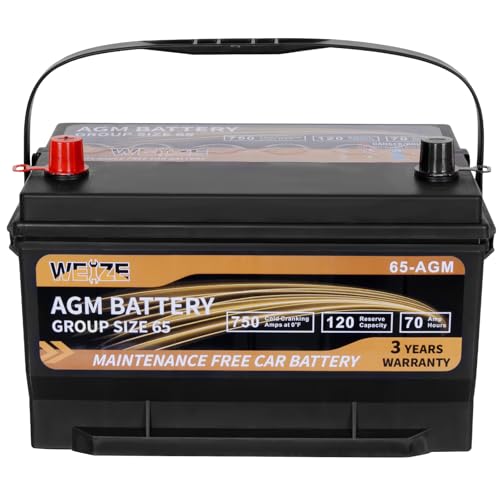
Weize Platinum AGM Battery BCI Group 65 Automotive Battery, 12V 70ah, 120RC, 750CCA, 36 Months Warranty, Replacement for Car, SUV
The Weize Platinum AGM Battery’s 36-month warranty helps you understand that your investment is protected against potential failures, making it a reliable choice for your car or SUV.
Common reasons warranty claims get denied and how to avoid them
Recommended Products



Several common denial scenarios crop up. The most frequent is failure attributed to neglect, improper maintenance, or improper installation. If a shop finds tarnish on terminals caused by corrosion that you did not maintain, the claim can be denied. Another frequent denial occurs when the battery dies due to an unrelated electrical fault that isn’t the battery’s defect.
Climate and usage patterns can influence coverage as well. High-heat regions or extreme cold can accelerate wear, and some warranties exclude climate-specific failures or require a longer ownership period before coverage becomes meaningful. Auto shops sometimes deny a claim when a previous non-warranty replacement happened outside the terms of the original guarantee.
To avoid denials, keep the battery area clean and free of corrosion, ensure the charging system is functioning correctly, and have routine maintenance that aligns with the warranty terms. Document regular tests, including load tests and voltage checks, and preserve all billings and service reports. If a claim is rejected, ask for a written explanation citing the exact warranty language and the reason for denial. You may be able to appeal or negotiate based on evidence of defect.
what to expect if your battery isn’t covered, or you’re shopping anew
If you’re shopping for a new battery or facing a denial, know the typical price ranges and warranty tradeoffs. Basic lead-acid batteries often cost less, while AGM or high-output batteries are higher-priced. Replacement costs can range widely, depending on group size, vehicle requirements, and whether you choose an OEM part or aftermarket equivalent.
Here is a simple comparison to help you decide what to buy and what to expect in terms of warranty:
| Battery Type | Typical Retail Price Range (USD) | Common Warranty Window | Notes |
|---|---|---|---|
| Lead-acid standard | $50-$120 | 2-3 years free replacement | Most common on older cars; basic performance expectations. |
| AGM / Deep-cycle | $120-$250 | 3-4 years free replacement | Higher resistance to vibration; longer service life. |
| Premium / OEM-grade | $150-$400 | 4-5 years free replacement | Best for newer vehicles; often includes longer coverage and better cold starts. |
| Hybrid / EV 12-volt | $250-$600 | 5-8 years or more | Often paired with vehicle warranty on main traction battery; separate 12-volt battery terms apply. |
Weigh the upfront price against the warranty length and the cost of potential future replacements. If you drive in extreme heat or cold, or rely on your car for work where downtime is expensive, investing in a longer free-replacement period can pay off. If you plan to sell the car within a few years, a strong warranty on the battery can help maintain resale value.
| Option | Why it helps | Price | Link |
|---|---|---|---|
| ACDelco Gold 48AGM (88864541) 36 Month Warranty AGM BCI Group 48 Battery | The ACDelco Gold 48AGM is a reliable AGM battery, ideal for those looking for quality and longevity. | Check price | View → |
| Daakmax Platinum AGM Car Battery Group Size 47 H5, 12V 60Ah, 680 CCA, 100 RC, Rechargeable Start-Stop Automotive Battery with 36-Month Warranty | Daakmax Platinum AGM offers excellent performance and a solid warranty, perfect for start-stop vehicles. | Check price | View → |
Special cases: used cars, age, and different battery types
When you buy a used car, the battery warranty may transfer, be reduced, or vanish entirely depending on the seller and the policy. Some warranties offer a transfer with a pro-rated adjustment, while others reset when ownership changes. If you’re shopping used, confirm the battery’s age and whether the warranty is still active, as a battery nearing the end of its life might not be a good value even if it’s still under warranty for a period.
Battery type matters too. A conventional 12-volt lead-acid battery carries a separate warranty from the vehicle’s powertrain or bumper-to-bumper warranty. AGM batteries, common in many modern cars, often come with longer warranties and better resistance to discharge. Hybrid and electric vehicles use high-voltage traction batteries with their own long-term warranties, typically 8 years or more, and sometimes a fixed mileage cap. Understanding which battery you have and what warranty applies is essential to avoid misinterpretation.
Always check the specific warranty language tied to your battery or your car’s battery. The terms can be surprisingly different between auto manufacturers, battery brands, and installation shops. When you replace a battery on a newer vehicle, ensure the replacement is compatible with the vehicle’s electrical system and that the warranty covers the labor cost as well as the battery itself.
Practical steps to extend battery life and maximize warranty value
Extend battery life and keep warranty options open by following a few straightforward practices. Regularly clean terminals to prevent corrosion, ensure connections are tight but not over-torqued, and keep a tidy engine bay for efficient operation. Test the charging system during routine service or if you notice slow starts or dim lights. If you replace the battery, choose a model that meets the vehicle’s specifications to avoid overstressing the alternator or electrical system.
Battery health benefits from moderate driving. Short trips and idling can prevent a full recharge, promoting sulfation in lead-acid cells. Longer drives that allow the alternator to recharge the battery fully help sustain performance and can extend the life of the replacement battery. If your climate is hot, consider a higher-capacity or AGM type to resist heat-related degradation. Stay mindful of the warranty’s maintenance requirements and keep all service receipts in one place.
Some warranties require periodic load testing or voltage checks at specific intervals. If your battery health declines during the warranty period, you can present the results to support a claim. Proactive care reduces the odds of denial and helps you get the most out of your warranty.

Helpful pick
ACDelco Gold 94RAGM (88864542) 36 Month Warranty AGM BCI Group 94R Battery
The ACDelco Gold AGM battery offers reliable performance and a 36-month warranty, ensuring longevity and peace of mind.
FAQ
How long does car battery warranty usually last?
A: A typical car battery warranty lasts 2-5 years, with longer periods on premium or OEM batteries. Many programs offer a free replacement within the first 3-4 years, followed by pro-rated coverage for the remainder of the term. Compare the free-replacement window and pro-rate formula before buying.
Q: Will a failing battery be covered if I left the lights on overnight?
A: If the failure results from a defect in materials or workmanship within the warranty window, coverage can apply. Damages from neglect – like leaving lights on – are frequently excluded, so expect denial unless the claim clearly cites a manufacturing defect or a covered scenario.
Q: Can I transfer a battery warranty to a new owner when selling a car?
A: Some warranties transfer with proof of purchase and installation, but terms vary. Expect a ticking clock on coverage, possible transfer fees, or required re-registration with the new owner. Always verify the exact transfer rules in the warranty documents.
Q: Do hybrid and plug-in EV batteries have the same warranty rules as 12-volt batteries?
A: No. High-voltage traction batteries in hybrids and EVs have separate warranties, often 8 years or more, with different mileage caps. The 12-volt batteries carry their own terms, but they usually have shorter durations than the main propulsion battery.
What do I need to file a warranty claim?
A: You’ll need proof of purchase, installation date, the vehicle’s details, and a diagnostic test showing a defect. Keep the battery’s serial number and a service record to streamline the process. Proof plus an industry-standard test result is key.
Warranty coverage for car batteries exists in many situations, but you must understand the terms, collect the right documents, and follow the claim process carefully. If you’re buying new, favor longer free-replacement windows and clear prorating terms. If you’re shopping used, confirm the battery’s age and transferability to protect your investment.

- 10 Best Battery For Generator Battery Safety System 2026 - October 12, 2026
- 10 Best Battery For Generator Battery Safety Option 2026 - October 12, 2026
- 10 Best Battery For Generator Battery Safety 2026 - October 12, 2026