Can You Bring Camera Batteries On A Plane?
Yes, you can travel with camera batteries, but the rules are strict. In the United States, spare lithium-ion camera batteries must be in carry-on baggage only, and each battery should be 100 Wh or less. Batteries between 101 and 160 Wh require airline approval. Installed batteries inside cameras are allowed, and you can typically bring up to two spare batteries.
Camera batteries must be carried on. Each battery must be under 100 Wh, and you may bring up to two spare batteries. Batteries rated 101-160 Wh require airline approval. Installed batteries in cameras are allowed without extra limits, but you must protect the terminals and pack them safely.
- Carry-on only. Spare batteries must ride in carry-on baggage, not checked.
- Wh threshold matters. ≤100 Wh is automatic; 101-160 Wh needs airline approval.
- Two spares typically allowed. Most airlines cap spares at two.
- Installed batteries are fine. Batteries inside cameras generally don’t count toward spare limits.
- Protect and separate. Terminals must be protected; keep spares in their own cases.
- Always verify airline rules. Carriers vary, especially for international travel.
Airline Rules at a Glance
Recommended Products


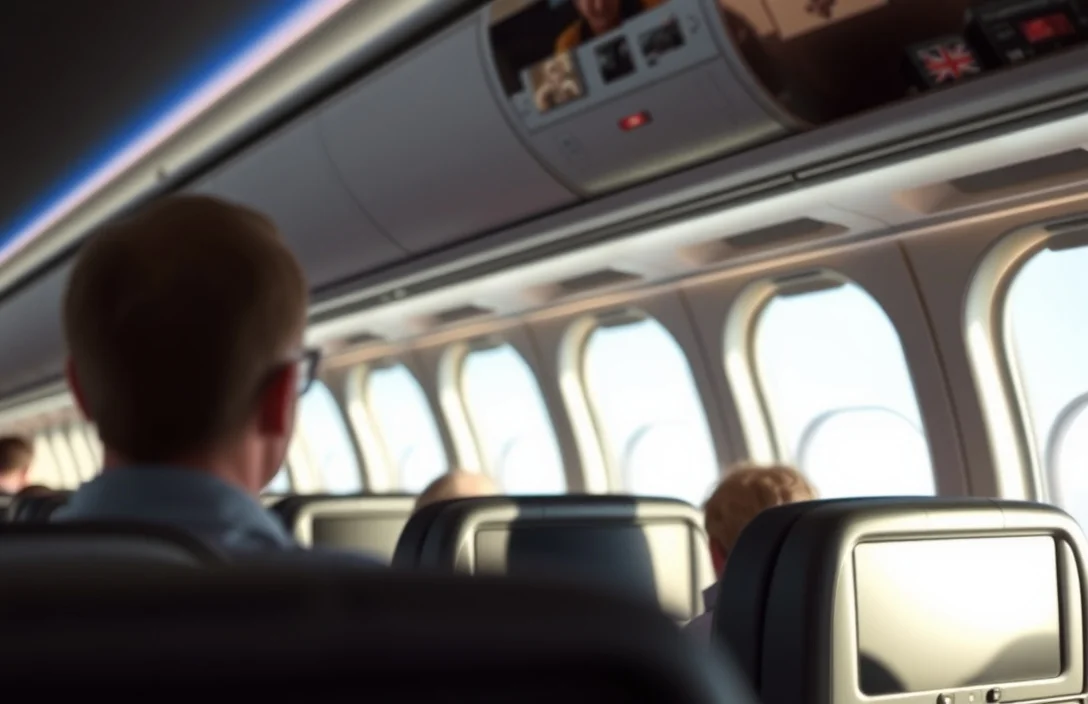
Spare camera batteries go in carry-on only. The TSA prohibits spare lithium batteries in checked baggage because of fire risk. Installed batteries in devices are allowed in carry-on and typically don’t count toward spare-battery limits. Battery watt-hour ratings determine what you can bring without approval.
Most consumer cameras use lithium-ion cells under 100 Wh, which are allowed in carry-on without special permission. For batteries rated 101-160 Wh, airline approval is required before you travel. Larger packs are generally prohibited or require special handling. Installed batteries inside cameras are allowed with no extra quantity limits, but you must protect the terminals and pack carefully.
Table: Battery Thresholds and Rules
| Category (Wh) | Carry-on Allowed | Spare Batteries Allowed | Airline Approval Required | Checked Baggage |
|---|---|---|---|---|
| ≤ 100 | Yes | Up to 2 spares | Not required | Prohibited (spares) |
| 101-160 | Yes | Up to 2 spares | Required | Prohibited |
| > 160 | Generally not allowed | N/A | Not applicable | Prohibited |
The rules hinge on the watt-hour rating and whether the battery is spare or installed. A typical camera battery used in professional gear sits well under 100 Wh, but larger batteries used in high-end rigs can approach or exceed this threshold. In that case, airline approval is mandatory before packing.
Installed batteries in your camera are allowed in carry-on and typically don’t count against spare-battery limits. For example, the LP-E6NH battery for certain Canon bodies is rated at 14.4 Wh, which keeps it squarely within the ≤100 Wh rule.
What Counts as a Spare Battery
Recommended Products

A spare battery is any battery not installed in a device. If a battery is inside your camera or another device, it’s not a spare. Spares must be carried in your carry-on and protected to prevent short circuits.
Pack spares in protective cases or original packaging to reduce the risk of contact with metal objects and to prevent terminals from touching. Avoid mixing old and new batteries in the same case, and do not carry damaged batteries. Most airlines cap spares at two per passenger, but some carriers enforce different limits, especially on international itineraries.
Two practical packing tips:
- Use individual cases or the original packaging for each spare battery.
- Keep spares in a location where security can easily verify their rating and safety without opening multiple bags.
For instance, a photographer traveling with several LP-E6NH batteries will typically keep two or fewer spares in protective cases inside the carry-on, while the camera itself stays with the bag or in a separate compartment for quick access at security.
Watt-Hour Thresholds Explained
Recommended Products


The watt-hour rating is the decisive metric for airline rules. Most camera batteries used in consumer gear sit well under 100 Wh, making them standard carry-on items without extra approval. Batteries rated between 101 and 160 Wh require airline approval before you fly, while those above 160 Wh are generally prohibited from air travel.
Two important caveats:
- The 100 Wh line is a practical ceiling that many airline policies use for quick checks.
- The approval process for 101-160 Wh typically involves the airline reviewing the battery and may require proof of safety tests or certification.
For example, a common Canon LP-E6NH battery has a rated 14.4 Wh, making it compliant under the ≤100 Wh rule. This rating is representative of most camera batteries and is the norm for carry-on travel.
Table: Real-World Thresholds and Actions
| Threshold | What it Means | What to Do |
|---|---|---|
| ≤ 100 Wh | Standard carry-on allowed | Pack as spare in carry-on; no special approval |
| 101-160 Wh | Requires airline approval | Contact airline before travel; obtain written approval if needed |
| > 160 Wh | Generally prohibited | Do not attempt to bring; consider alternatives or ship separately |
Most everyday camera batteries fall in the ≤100 Wh category. If you own older or high-capacity spares that tip into 101-160 Wh, plan ahead to secure airline consent before packing.
Installed Batteries in Gear
Recommended Products


Batteries installed in cameras and other devices are usually permitted in carry-on without a separate quantity limit. The device itself remains subject to standard security screening, but you don’t need to count the installed cell against spare-battery counts. Ensure that the battery is secured to prevent short-circuiting or contact with metal during transport.
A typical installed battery example is the LP-E6NH, rated at 14.4 Wh. This rating stays safely within the ≤100 Wh limit, so it won’t trigger airline approval just for being installed inside a camera. Even with installed cells, pack the camera and its battery to avoid accidental power-on or short circuits during handling.
If you’re traveling with professional gear, you can bring your camera and its internal batteries in carry-on without extra paperwork, as long as you don’t exceed the spare-battery cap with additional loose cells. Keep each device separately accessible for security checks.
What to Do at the Airport
At the checkpoint, expect questions about watt-hour ratings and the number of spares you’re carrying. Present clear evidence of the rating on each battery and explain that spares are in protective cases. Have a plan for quick access to spare batteries so security agents can verify your setup without dismantling your gear.
Packing steps that reduce friction:
- Verify each battery’s Wh rating before the trip.
- Keep spare batteries in protective cases inside a clearly labeled carry-on pocket.
- Carry no more than two spare batteries, unless your airline approves more.
- Ensure installed batteries are in devices and powered down during screening.
- Pack chargers separately, if allowed by the airline, and keep cables neat to prevent tangling.
Successful flights come down to preparation: know your battery ratings, cap your spares, and keep everything protected and accessible.
Special Cases for Professional Gear
Recommended Products


High-capacity batteries in professional setups may border the 100-160 Wh range. In these scenarios, contact the airline well before departure to obtain approval. Batteries exceeding 160 Wh are usually not permitted to carry on.
Regional variations exist too. Some regions or airlines impose additional restrictions, such as limits on spare batteries or required documentation. Certain airlines may require that batteries be kept at a low charge level or carry specific certification marks. If you’re traveling internationally, verify the rules for each leg of the journey, as the destination country’s policies can differ from those of the origin.
For example, a large pro-grade battery pack may fall into the 101-160 Wh range, necessitating airline approval to bring it as a spare. If you need more than two spares, shipping them separately or coordinating with the airline for a special arrangement is your safest bet.
Table: Regional Variations at a Glance
| Region | Typical Approach to Spares | Notable Caveats |
|---|---|---|
| European Union | Varies by airline; many allow up to 2 spares with restrictions | Certification may matter for some carriers |
| Australia | Stricter checks; some batteries over 160 Wh banned | Documentation may be required |
| Middle East | Heightened thermal monitoring | Some routes enforce tighter controls on charge state |
| United States | 100 Wh or less automatic; 101-160 Wh needs approval | Prohibited in checked baggage |
When packing for a pro shoot, plan ahead with your airline and ship any oversized packs separately if possible to avoid last-minute headaches at the security checkpoint.
Practical Packing
- Measure watt-hours for every battery and confirm the rating on the battery label.
- Carry-on only: place all spares in protective cases or the original packaging.
- Limit spare batteries to two per passenger unless your airline authorizes more.
- Keep installed batteries in devices and power them down before screening.
- Pack chargers in overhead carry-on compartments if permitted by your airline.
- Prepare to demonstrate that batteries are safely insulated to prevent short circuits.
- If your flight includes international segments, verify rules for each carrier and country on the itinerary.
Packing this way makes the process smoother and reduces the risk of having batteries confiscated or delayed at security.
To traverse the airport with confidence, bring only what you can safely carry in carry-on, and keep all spares protected and accessible. If in doubt about a particular battery, reach out to your airline for written approval before you fly.
Practical Verdict and Next
You can travel with camera batteries, but you must respect watt-hour thresholds and spare-battery limits. Keep spares in carry-on in protective packaging, avoid checking them, and rely on installed batteries inside devices to stay within standard limits. Check your airline’s policy ahead of time, especially for international trips, and obtain written approval if you’re close to the 100-160 Wh range.
- Check the exact watt-hour rating on every battery and verify whether airline approval is required.
- Plan for two spares max unless your airline confirms a higher limit.
- Pack everything in carry-on with proper terminal protection and separate cases for each spare.
FAQ
Can you bring camera batteries on a plane?
A spare lithium battery must be in carry-on and protected; installed batteries in cameras are allowed. If a battery is 101-160 Wh, airline approval is required before travel.
How many spare batteries are typically allowed?
Most airlines allow up to two spare batteries per passenger, but check your carrier for any exceptions or international route rules.
Are installed batteries allowed in checked baggage?
Installed batteries in devices are generally allowed in carry-on; however, spare batteries must be carried in carry-on only, and checked baggage is usually not permitted for spare cells.
What should I do if I have a battery in the 101-160 Wh range?
Contact the airline for approval before travel and carry the battery in your carry-on with terminals protected and the battery clearly labeled.
Are there international differences I should know?
Yes. Some regions and airlines have stricter rules, including charge-state requirements or documentation; always verify rules for every leg of an international trip.

- 10 Best Battery For Generator Battery Safety System 2026 - October 12, 2026
- 10 Best Battery For Generator Battery Safety Option 2026 - October 12, 2026
- 10 Best Battery For Generator Battery Safety 2026 - October 12, 2026