Can I Bring Camera Batteries On A Plane?
Camera batteries on a plane are generally allowed, but specific rules apply. In the United States, spare lithium batteries must be packed in carry-on bags with terminals protected, and most standard camera batteries fall under a 100 Wh threshold. Keep batteries in their original packaging or a protective case, and avoid placing spare batteries in checked luggage. Planning ahead helps prevent security delays and mispacked bags.
You can bring camera batteries in carry-on luggage up to 100 Wh each; you may carry two spare batteries. Batteries between 100 and 160 Wh require airline approval, while those over 160 Wh are typically prohibited as spares. Installed batteries in cameras or other devices can travel in cabin or checked bags based on airline rules, but spare batteries must remain in carry-on and be protected.
Key Takeaways
- Carry-on only. Spare batteries must travel in carry-on bags, not checked luggage.
- Wh cap. Most camera batteries are under 100 Wh; those up to 160 Wh require airline approval.
- Two spares. Up to two spare batteries per passenger.
- Protection required. Terminals must be protected against short circuits.
- Device batteries. Batteries installed in devices are generally allowed; confirm with your airline for your itinerary.
What You Can Bring in Carry-On and Checked Bags
Recommended Products


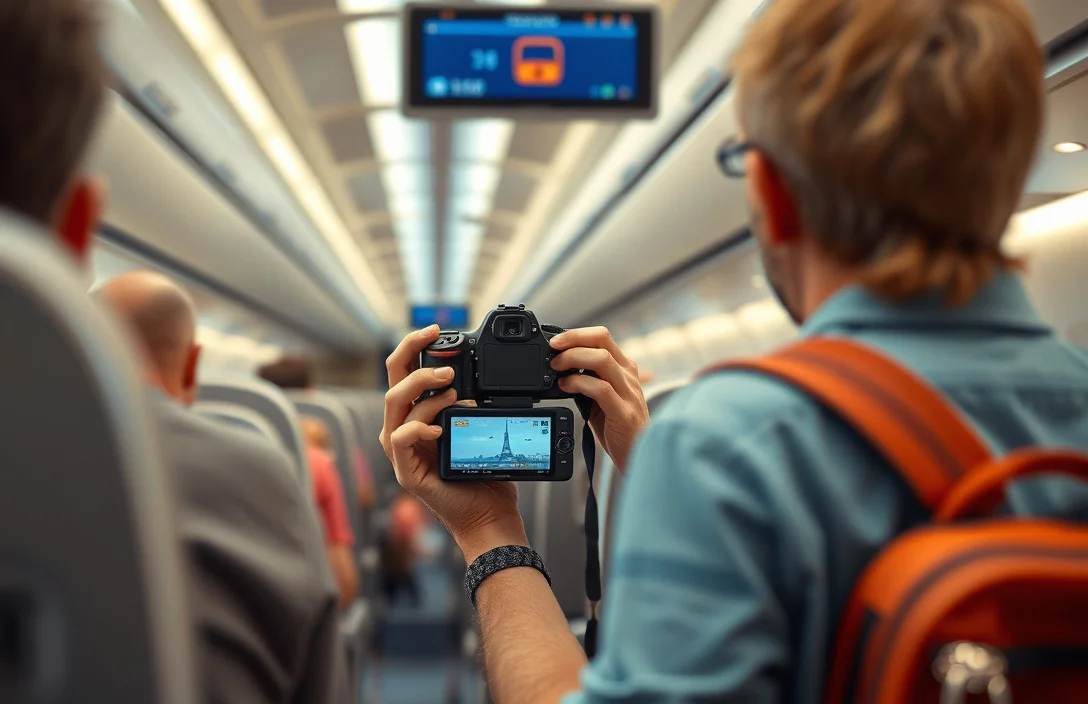
You can bring most camera batteries in carry-on luggage, but not in checked bags. This rule minimizes the risk of fire spreading in baggage areas where crews can react quickly. Most standard camera batteries have a watt-hour (Wh) rating well below 100 Wh, simplifying travel. For high-capacity batteries, secure airline approval before your trip.
Spare batteries must be accessible in carry-on luggage. Avoid stashing spares in a suitcase destined for the cargo hold. Pack each spare battery in a protective pouch or wrap, ensuring terminals are covered to prevent short circuits. A battery installed in a camera or lens is treated differently and can travel in either bag, depending on the airline and device.
How to Pack and Protect Camera Batteries
Recommended Products

Start by protecting battery terminals and using proper packaging. Place each spare battery in a dedicated protective case or sleeve, or keep it in its original packaging. Avoid loose metal contact that may cause short circuits and heat buildup during transit. Consider placing the case inside a small, rigid box to prevent crushing.
A simple, effective packing setup involves carrying two spares in a padded pouch inside your carry-on. Use a clear, easy-to-inspect configuration at security, allowing officers to confirm the battery type and rating quickly. For devices with removable batteries, keep the battery installed unless you need to transport a spare; only remove it if necessary for replacement, ensuring the spare is stowed safely.
| Situation | Carry-on allowed? | Limit | Notes |
|---|---|---|---|
| Spare battery ≤ 100 Wh | Yes | Up to 2 spares | Protect terminals; keep in a protective case |
| Spare battery 100-160 Wh | Yes | Up to 2 spares; airline approval | Check with airline; expect additional screening |
| Installed in device | Yes in carry-on or checked (varies) | N/A | Device must stay powered off; ensure no loose battery contacts |
| >160 Wh spare | Not allowed | – | Requires special handling; generally prohibited |
Understanding Spare vs. Installed Batteries
Recommended Products


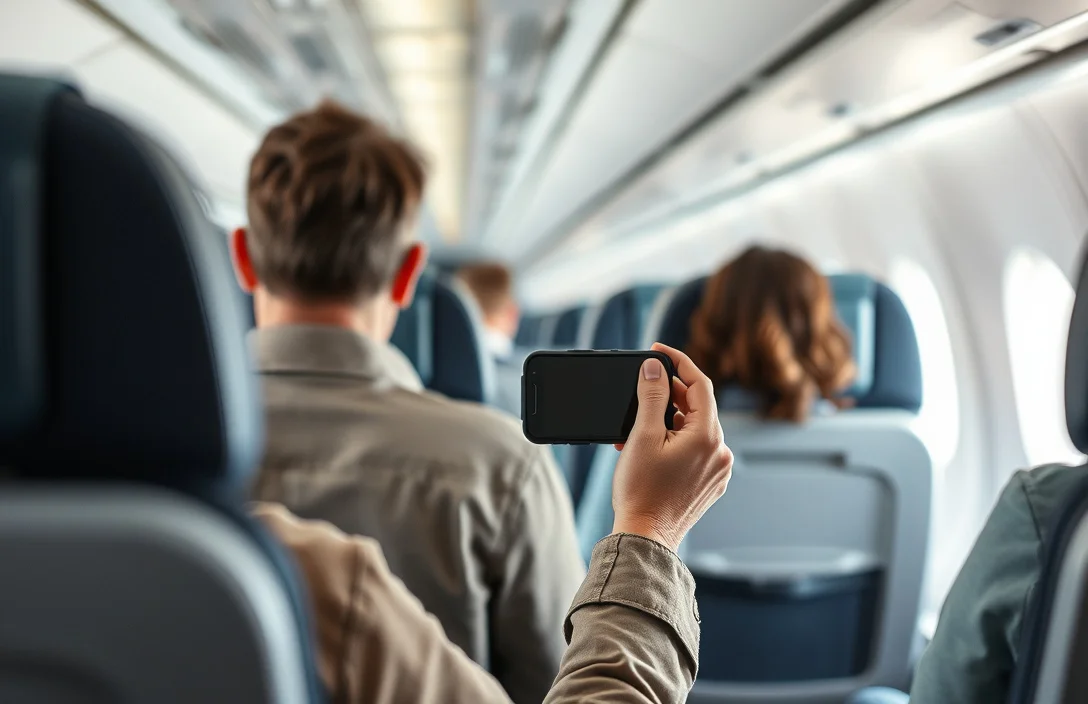
Spare batteries are those carried in addition to the battery inside your camera. They must travel in carry-on luggage only and be protected against short circuits. Installed batteries are already inside a device; they can travel in either carry-on or checked bags, depending on airline rules. Some airlines prefer carry-on for installed batteries and require them to be securely fastened.
Common mistakes include assuming a high-capacity battery is automatically allowed; you must check the 100-160 Wh boundary and obtain airline approval if needed. Also, not all devices with batteries can go in checked luggage; many airlines impose restrictions or require additional checks for devices with lithium batteries, especially larger packs. Treat installed battery rules as itinerary-specific rather than universal.
What to Expect
Recommended Products


At security, officers will confirm the battery’s rating and category. Have the exact Wh rating visible on the battery label and be ready to show a protective case or sleeve. If you’re within the standard 100 Wh limit, you’ll likely move through quickly. If near or above 100 Wh, expect a brief check or need airline approval.
During boarding, keep spare batteries easily accessible in your carry-on. If airline personnel want to inspect a battery, show the protective packaging and the device’s battery label. If required, complete any declaration or approval process for 100-160 Wh batteries before reaching the gate. Small delays now can prevent larger headaches later.
Handling Larger Batteries or Power Banks
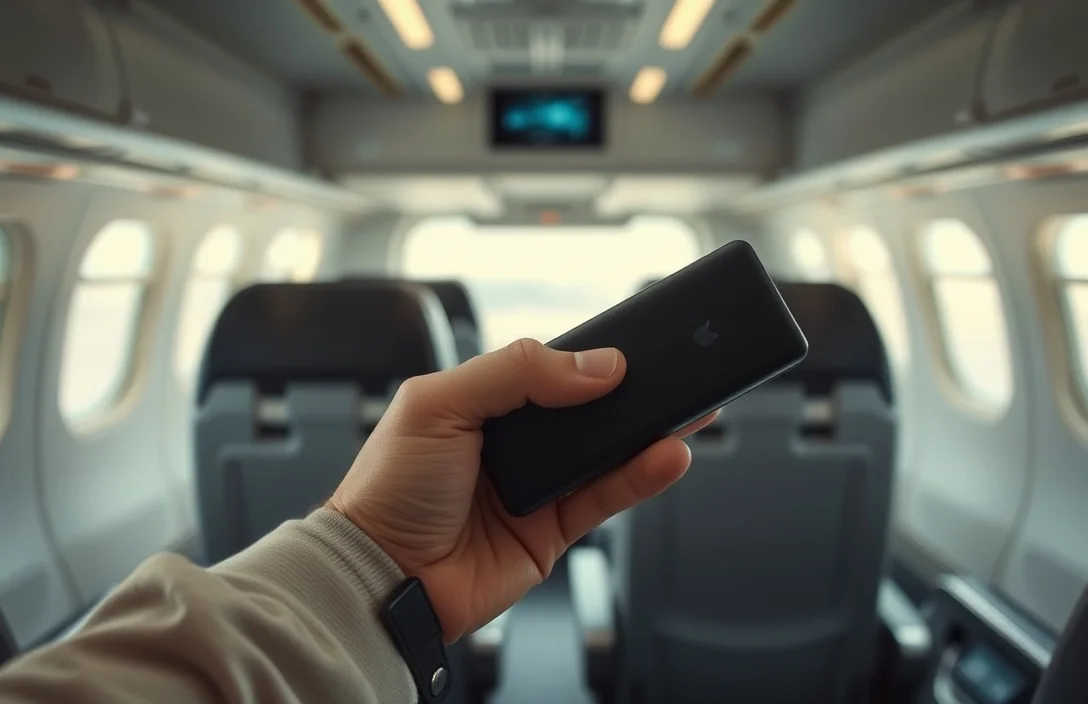
Power banks and external packs have similar but slightly different rules. Many power banks are treated as spare batteries for safety, falling under the 100 Wh guideline. Larger packs between 100 and 160 Wh typically require airline approval, while anything above 160 Wh is generally not allowed as a spare.
If you must travel with a larger pack, contact the airline well before departure to secure written approval. In many cases, shipping the battery separately to your destination is a safer option. Alternatively, consider buying a local spare upon arrival if you know you’ll need one, thus avoiding in-flight battery restrictions.
Practical Packing
Recommended Products
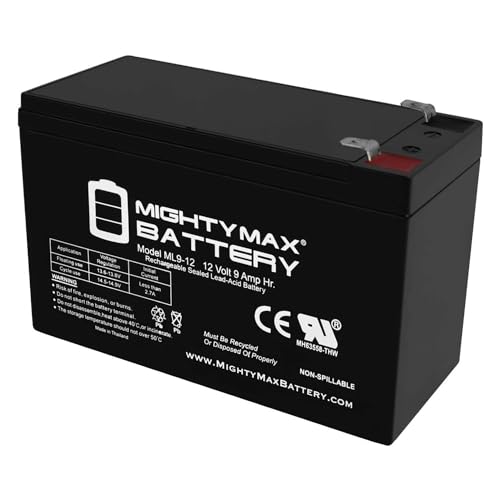

- Verify each battery’s Wh rating and type (lithium-ion is standard for cameras).
- Keep spare batteries in a protective case or original packaging, one per pouch.
- Insulate terminals to prevent short circuits; avoid metal contact with other objects.
- Carry a maximum of two spare batteries per person, within the 100 Wh cap, unless you have airline approval for higher capacity.
- Place batteries in carry-on only; never stash spares in checked luggage.
- If a battery is installed in a device, keep the device off and protected from impact.
- Bring evidence of airline approval if your battery is between 100 and 160 Wh.
- Pack a small label or note with the battery’s rating in your bag for quick inspection.
- Allow extra time at security if you’re transporting high-capacity batteries.
Following this checklist ensures your camera gear moves smoothly through security and minimizes snags. It also helps avoid common missteps that can lead to last-minute gate changes or extra screening.
Alternatives and Tips for Overseas Travel
When traveling internationally, verify each country’s rules in advance. Some carriers outside the United States impose stricter restrictions on spare batteries or require explicit declarations. Carry only what you need and consider locally sourced replacements if unsure about the rules.
For trips requiring longer power needs, consider travel-friendly options like compact, built-in battery packs or devices rated within the standard 100 Wh limit. If bringing multiple high-capacity packs, secure written airline approval and carry all documentation in your carry-on for easy presentation if requested. For remote trips, ship a spare or plan to purchase one upon arrival to avoid risk.
FAQ
Can I carry extra camera batteries in my carry-on?
Yes. Spare lithium-ion camera batteries up to 100 Wh each are allowed in carry-on luggage, with a maximum of two spare batteries. Keep terminals protected and use a protective case or original packaging. Batteries between 100 and 160 Wh require airline approval.
Do batteries installed in a camera count toward carry-on limits?
Installed batteries do not count as spares, but confirm the airline’s policy if the device is large. In most cases, a battery-in-device can travel in carry-on or checked baggage, though some airlines restrict certain devices in checked bags.
What if my battery is 150 Wh?
Batteries in the 100-160 Wh range require airline approval. Contact the airline before travel and bring any required paperwork to the airport. Without approval, you risk being asked to remove and discard or ship the battery.
Are power banks treated the same as camera batteries?
Power banks are treated similarly if they are lithium-based and have a rating in Wh. If they exceed 100 Wh, expect airline approval requirements. For most travel scenarios, a power bank under 100 Wh is straightforward to take in carry-on.
What’s the best way to avoid delays at security?
Carry spare batteries in protective cases, keep the Wh rating visible, and have any required approvals ready. Pack batteries in carry-on only, with terminals insulated, and keep devices off during inspection. An organized setup speeds up screening and boarding.
You can travel with camera batteries by adhering to the 100 Wh rule for spares, keeping them in carry-on with proper protection, and obtaining airline approval for higher-capacity packs if needed. Prepare in advance to avoid surprises at the checkpoint while ensuring your gear is ready to shoot the moment you land.

- 10 Best Battery For Generator Battery Safety System 2026 - October 12, 2026
- 10 Best Battery For Generator Battery Safety Option 2026 - October 12, 2026
- 10 Best Battery For Generator Battery Safety 2026 - October 12, 2026