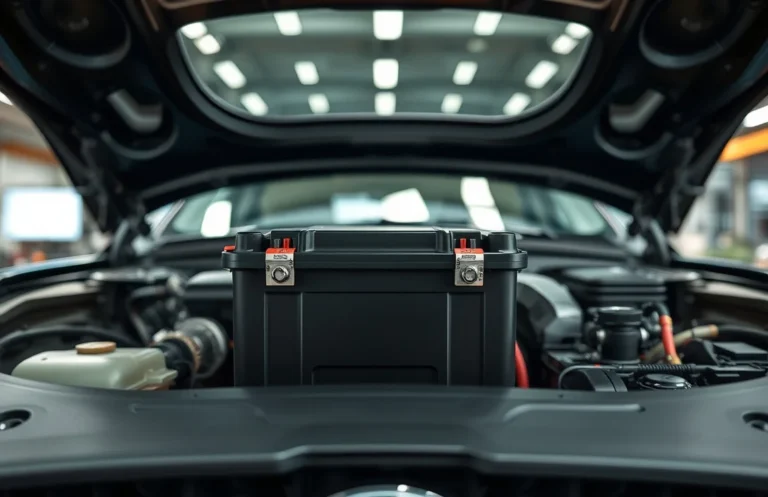
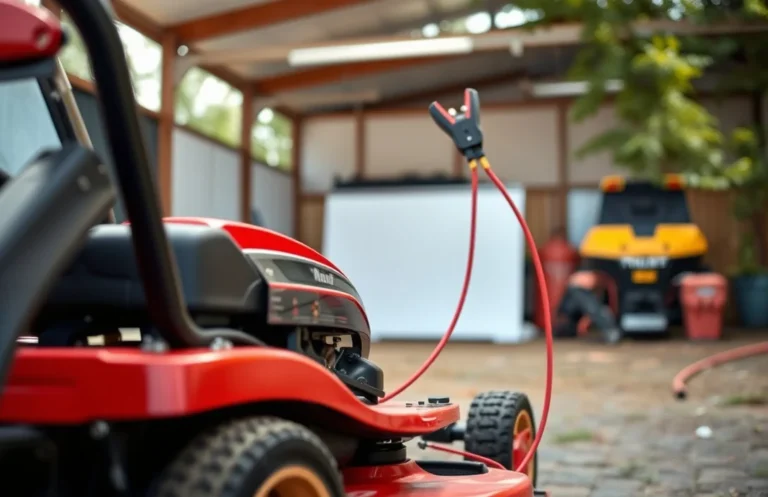
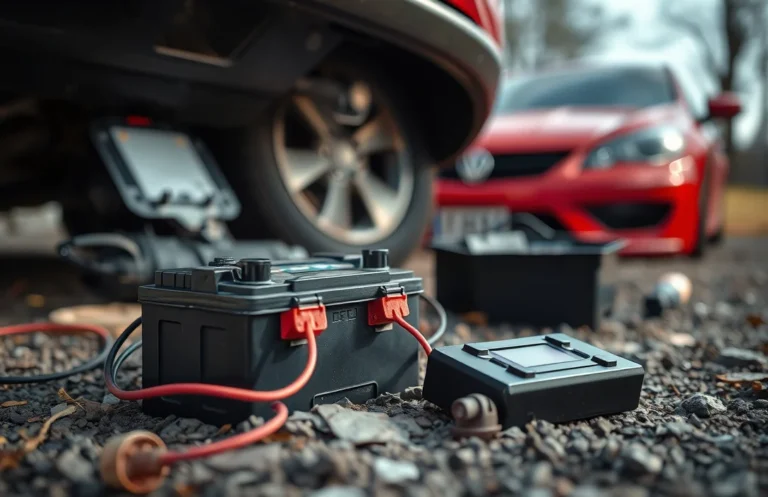
Can You Jump A Riding Lawn Mower Battery?
Yes. Jump starting a riding mower battery is possible when the battery is healthy and you use proper equipment and technique. A typical mower uses a 12-volt lead-acid or AGM pack, and a proper jump can revive a lightly discharged battery in minutes. Do not attempt if the case is swollen, cracked, or leaking. A wrong move can cause sparks, hydrogen venting, or damage to the mower’s electrical system.
Jump starting is not a substitute for a defective battery or a failing charging system. If the battery won’t hold a charge after a jump, you likely need a replacement or a charger that can restore capacity. When in doubt, treat the situation as a dead battery issue rather than a quick fix to get the mower running.
- Healthy battery only. If you see swelling or leaks, don’t attempt a jump start.
- Use proper gear. A dedicated 12V jump starter or booster pack is preferred; avoid car boosters on a mower.
- Polarity matters. Connect positive to the battery terminal and ground the negative to a solid metal surface away from the battery.
- Limit crank time. Crank in short bursts, 10-15 seconds max, with pauses between attempts.
- Post-start check. Run the mower after starting to recharge; if it dies again, the battery or charging system may be failing.
What a jump start does for a riding mower battery?
Recommended Products


A jump start transfers a charge from a higher energy source to the mower battery to bring it back to life enough to start the engine. If the battery is simply discharged but still healthy, the mower will crank and start, and the engine will run as the alternator recharges the pack. If the battery is degraded, damaged, or frozen, a jump start won’t fix the underlying problem and can make things worse.
You’re bridging a discharged battery to a live 12V source so the starter motor spins the engine, then the alternator keeps the battery topped up. The key is ensuring the battery has not suffered irreversible damage, such as plate sulfation in old flooded cells or a failed internal connection. If the pack cannot accept a reliable charge, jump starting will be a temporary fix at best.
A healthy mower battery will show more than 12 volts when the mower is not running and often 12.6 to 12.8 volts when fully charged. A discharged pack might sit around 12.0 volts or lower; that delta is what a jump start aims to bridge. The jump start should be short and controlled to avoid spiking voltage into the mower’s electrical system.
Before you attempt a jump start, perform a quick check of the battery and cables. Look for corrosion on the terminals, cracked insulation on the cables, and any sign of heat buildup after cranking. If you detect overheating, persistent odor, or sparking near the battery, stop and reassess. A jump start is not worth risking a fire or an electrical fault in the mower.
- Pre-jump checklist: engine off, the mower on a safe, level surface, battery terminals clean, and a reliable 12V source ready.
Battery basics for riding mowers
Recommended Products


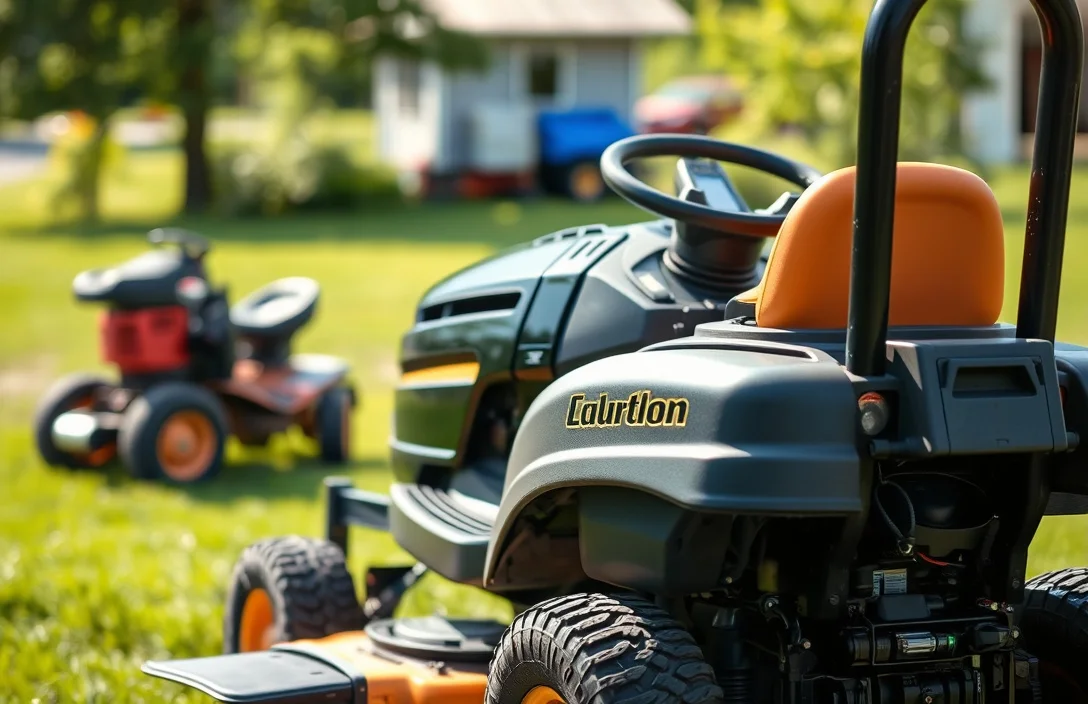
Most riding mowers rely on a 12V lead-acid battery, either flooded or sealed in an AGM configuration. Flooded batteries vent water and require periodic maintenance, while AGM packs are sealed and generally handle bumps and vibration better. In practice, the choice between flooded and AGM affects venting, maintenance, and longevity, but both types can be jump started with standard 12V equipment when healthy.
A healthy mower battery stores energy and delivers a brief high-current pulse to the starter motor. When it’s older or sulfated, it loses capacity and can fail to hold a charge, even after a jump. A battery that reads under 12.0 volts when idle is a red flag, especially if the mower struggles to crank. In contrast, a pack at 12.4-12.6 volts may still crank but won’t sustain operation without recharging.
Common battery types found in riding mowers include flooded lead-acid and AGM. Flooded batteries require venting and water top-ups, while AGM batteries are sealed and generally maintenance-free. Gel cells exist but are rare in modern riding mowers. Each type has its own charging characteristics, but both respond to a proper 12V jump start when healthy.
What to expect during a jump start depends on the battery type. AGM packs tolerate cranking better in some low-temperature conditions, but avoid long cranking attempts. If the starter motor turns slowly or the mower barely cranks, the battery may be too far gone to salvage with a jump start and needs replacement. Practically, jump starts work best on batteries that are discharged but not physically damaged.
Common failure modes include sulfation, plate shedding, or internal shorts. These issues reduce the battery’s ability to accept or hold a charge. If you test a battery and find voltage recovery is poor after a jump, that’s a sign to replace rather than retry. In that scenario, continuing to jump start could lead to thermal buildup or gas release.
- Before jumping, confirm the battery is securely mounted and the terminals are clean. A clean connection reduces resistance and increases the chance of a clean transfer of energy.
- A working 12V system should deliver a stable cradle current for a few seconds without spikes, which minimizes risk to the mower’s electronics.
What can go wrong and how to respond?
Recommended Products


Jump starting a riding mower involves risks: hydrogen gas buildup, electrical sparks near the battery, and potential damage to the mower’s charging circuit. The most common cause of trouble is incorrect connection or a damaged battery that can’t accept a charge. If a spark occurs when connecting the clamps, stop, recheck the setup, and point the clamps away from the battery.
Polarity mixups are a frequent error. Connecting the positive clamp to a negative terminal or the negative clamp to the positive side can arc and damage the battery and the starter. If you suspect a polarity issue, disconnect everything and re-check, then try again with careful alignment. A solid ground away from the battery is essential for a safe return path.
Other risks include overheating, melted insulation on cables, and a blown fuse or damaged ECU if the jump causes a voltage spike. A quick, controlled approach reduces risk. If the battery shows heat after a few seconds of cranking or if you notice any burning smell, stop immediately. Let the system cool, inspect for damage, and reassess whether a jump is still appropriate.
- Don’t proceed if the battery case is swollen, cracked, or leaking. Replace the battery instead of attempting to jump it.
- Don’t use a car or truck booster on a mower if the booster lacks a proper 12V mode; the wrong voltage can damage the mower electronics.
- Don’t run the starter for more than 10-15 seconds at a time; give the system time to rest between attempts.
- Don’t jump near ignition sources or in a humid area where hydrogen could accumulate.
- Do not ignore a battery that won’t hold a charge after a jump; this is a sign the battery or charging system needs replacement.
Step-by-step jump start procedure
Recommended Products

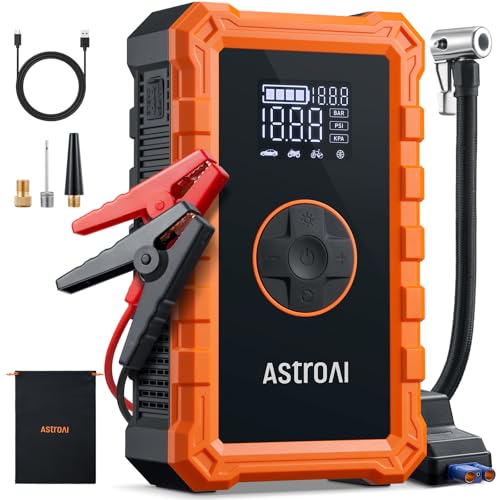
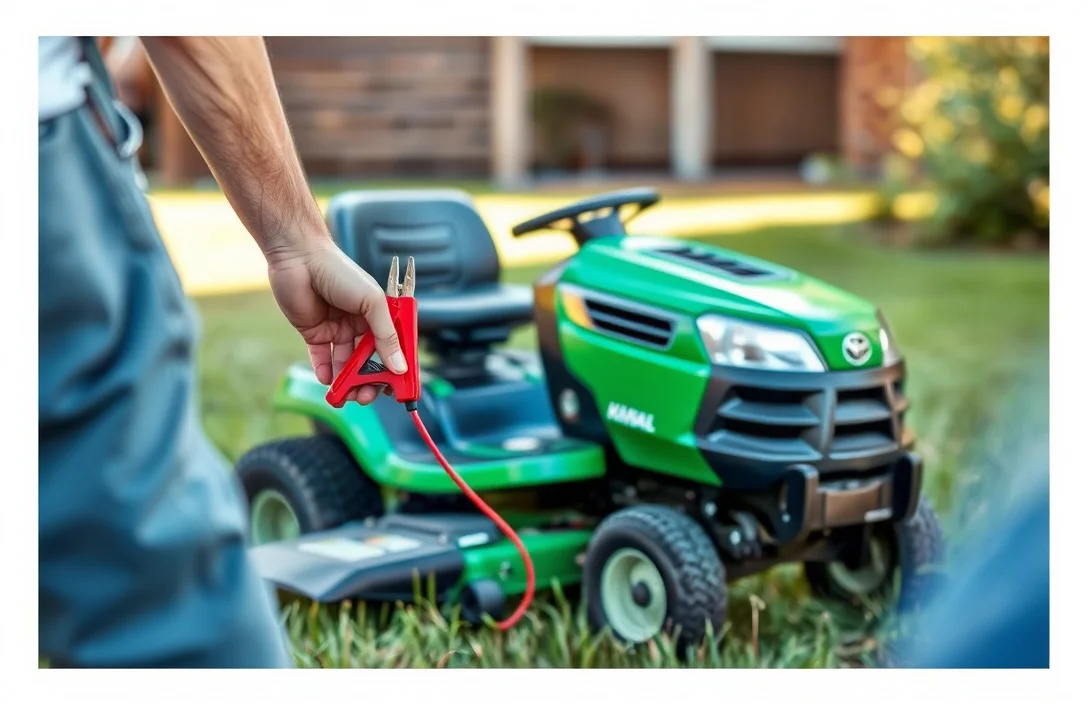
This is a safety-critical process. Start with a clear, orderly setup and follow the steps in order. Do not skip safety checks or rush through the procedure.
1) Prepare the equipment. Ensure you have a 12V jump starter or a compatible booster pack, properly rated cables, and the mower in a safe, level area.
2) Power down everything. Turn off the mower, remove the keys, and unplug any accessories to minimize load during the start.
3) Inspect the battery. Look for swelling, cracks, or corrosion on terminals. If you see any issue, do not proceed; replace the battery.
4) Connect the positive lead. Attach the red clamp to the positive terminal on the mower battery. This is the clamp you will use to bridge to the external power source.
5) Connect the negative lead. Attach the black clamp to a clean, unpainted metal surface on the mower frame away from the battery. Do not connect to the negative terminal.
6) Activate the power source. If you are using a jump starter, switch it on and ensure it is delivering a steady output.
7) Crank briefly. Start the mower with the key and let it run for a few seconds. If it does not start after 10-15 seconds, stop and wait 30 seconds.
8) Remove the clamps in reverse order. Disconnect the ground clamp first, then remove the positive clamp from the battery. Inspect for any heat or smells during the process.
9) Let the engine run. Once started, keep the mower running and allow the alternator to recharge the battery.
10) Recheck the battery voltage after a few minutes of running. If the voltage remains low, the battery or alternator might be failing and require replacement.
In practice, you should never crank continuously for long periods. Short bursts help prevent overheating and protect the starter and electrical components. If the mower starts, let it run to build a healthy recharge, then test the battery again after a few days of use. A jump start is often a temporary fix; you may need a proper charge or replacement soon.
If you encounter repeated failures, stop and re-evaluate. A failed attempt could indicate a more serious issue with the battery, the charging system, or both. In that case, replacing the battery or having the charging system tested at a shop is often the most reliable route.
- If a jumper pack shows a warning light, turn off and recheck connections. A warning may indicate a weak source or an internal fault in the pack.
- If the mower starts but stalls after a minute or two, the battery may not be taking a charge, which signals a failing alternator or a defective battery.
- If you notice a strong chemical smell or a hissing sound, stop immediately; gas buildup can be dangerous and a sign of a venting problem.
Alternatives and when jumping isn’t the best choice
Jump starting is convenient, but it isn’t always the right move. A charger that can restore charge over several hours is safer for a deeply discharged battery. If you routinely mow in cold weather, consider a battery with better cold-cranking performance or a heater for the battery compartment, if available for your model.
Where a jump start might be appropriate is when you need a quick start to move the mower into a safe position or to finish a mow job. If the battery has sat for a long time or has a discharged-then-charged pattern, a slow, controlled charger can bring it back to life without the high current surge that a jump start uses. If the battery remains stubbornly low after a full charge, you likely need to replace it.
Here’s a quick comparison of common options:
| Method | Pros | Cons | Best For |
|---|---|---|---|
| – | – | – | – |
| Jump starter pack | Fast, portable; useful in the field | Can be risky if battery is damaged; risk of high surge | Quick fix when the battery is healthy |
| Car booster with cables | High current; readily available | Higher risk to mower electronics; polarity mistakes possible | When a dedicated mower pack isn’t available |
| Battery charger / maintainer | Safe, gentle; extends battery life | Takes hours; not suitable for an immediate start | Prolonged recovery or ongoing maintenance |
| Tow-start or push-start (if permitted) | No electronic load on the battery | Rarely feasible on most riding mowers; can damage transmission | When the mower is in a position to be pushed and started safely |
When to skip the jump entirely: if the battery is swollen, leaking, cracked, or frozen. In those cases, the safest move is replacement. If the mower’s charging system is suspect – for example, the battery discharges quickly after a successful jump – take the mower to a shop for a charging-detection test. Jump starting is useful, not a cure for chronic battery or charging problems.
Maintenance to prevent repeat jumps
Recommended Products

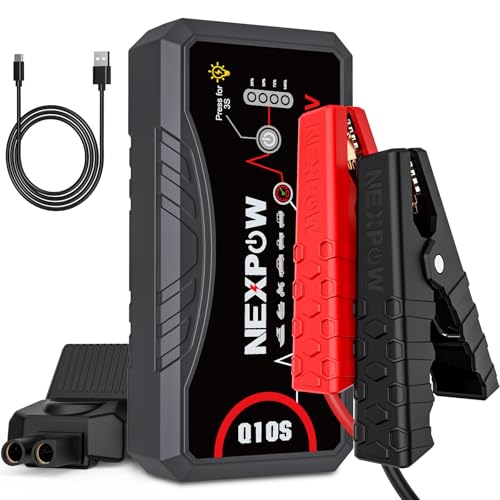
Prevention matters more than hot fixes. Regular battery maintenance can reduce the need to jump start at all. Clean battery terminals, check for corrosion, and ensure cables are tight. If you park your mower outside, consider a battery warmer or keep the battery indoors in cold weather to avoid severe discharge.
Seasonal checks make a real difference. Test the battery’s resting voltage, then top it up if needed, and ensure the charger maintains a steady charge in storage. If you notice the battery voltage dropping quickly when the mower is idle, schedule a replacement before the next mowing season. A healthy battery reduces the odds of needing a jump start when you need the mower the most.
- Schedule a battery test at least once per mowing season. Look for a voltage reading around 12.6-12.8V when fully charged.
- Clean terminals and apply a light coat of corrosion inhibitor to prevent slow drains from buildup.
- Use a maintained charger if the mower sits idle for more than a week, especially in cold weather.
- Replace aging batteries before they reach the end of their rated life; most mower batteries last 3-5 years with proper care.
Choosing a jump starter, charger, or replacement battery
Selecting the right 12V source matters. For most homeowners, a compact 12V jump starter designed for small vehicles and power tools is adequate, but verify it has a discharged battery protection feature and a clear polarity indicator. If you mow infrequently, a quality battery maintainer can keep the pack topped up and ready.
When buying a replacement battery, pick a model with the same voltage, capacity, and terminal configuration as the original. AGM batteries are common for modern mowers and can handle vibration better, but flooded batteries can be more cost effective for some models. Always check the mower’s manual for the recommended battery type and capacity.
- If you want quick starts in the field, a dedicated 12V jump starter is the most practical choice.
- If you store a mower for long periods, a battery maintainer protects against self-discharge without requiring a full recharge.
- If you mow in cold climates, choose a battery designed to perform well at low temperatures and consider a backup against deep discharge.
- If the original battery is old or venting, replace it with a new unit that matches the OEM specifications.
FAQ
Can I jump a riding mower battery with a car?
Jumping with a car is possible but not ideal; a car provides more than 12V and can surge voltage into the mower’s electronics. Use a dedicated 12V jump starter or a battery charger designed for 12V systems to minimize risk.
How long should I crank the mower after a jump?
Crank in short bursts of 10-15 seconds max, with at least 30 seconds rest between attempts. This protects the starter and battery from overheating.
What if the battery is swollen after a jump?
Stop immediately. Do not attempt to jump or charge a swollen battery; replace it and inspect the charging system for related issues.
Should I disconnect the spark plug before jumping?
Disconnecting the spark plug wires is not strictly necessary for a 12V jump start, but removing the spark plug wires reduces the risk of accidental engine cranks during setup.
What should I do if jump starts fail repeatedly?
Reevaluate the battery and charging system. If the battery voltage won’t hold a charge after a full cycle, replace the battery or have the alternator and wiring tested; jumping won’t fix persistent capacity loss.

- 10 Best Battery For Generator Battery Safety System 2026 - October 12, 2026
- 10 Best Battery For Generator Battery Safety Option 2026 - October 12, 2026
- 10 Best Battery For Generator Battery Safety 2026 - October 12, 2026