Can I Take Camera Batteries On A Plane?
Camera batteries travel with you, not against you, when you know the rules. In the United States, you can bring them on a plane, including spares, as long as you follow watt-hour limits and keep the terminals protected in carry-on baggage. Check each battery’s Wh rating and pack it in an accessible, appropriately protected form.
Camera batteries up to 100 Wh can be carried in carry-on luggage with terminals protected. Spare batteries between 100 and 160 Wh require airline approval, and no more than two are allowed. Batteries over 160 Wh are not permitted on passenger aircraft.
Key Takeaways
- Carry-on only. Spare camera batteries belong in carry-on bags, with terminals insulated.
- Wh limit clarity. Batteries up to 100 Wh are allowed per battery in carry-on.
- Two-spare rule. You may bring up to two spare batteries in the 100-Wh range.
- Approval when needed. Batteries 100-160 Wh require airline approval before travel.
- Over-limit ban. Batteries above 160 Wh are not allowed on passenger aircraft.
- Protective packing. Tape terminals or keep batteries in original packaging to prevent short circuits.
How the Rules Apply to Camera Batteries
Recommended Products


Each battery has a watt-hour (Wh) rating, which determines what you can bring and how many you can carry. Most consumer camera batteries fall well under 100 Wh, but larger high-capacity packs used by professionals may reach the 100-160 Wh range. Stick to carry-on, protect terminals, and stay under the 100 Wh per battery default whenever possible. This distinction affects your travel options and what you need to do to travel legally and smoothly.
You’ll rarely need anything more than standard spare batteries for a trip. The rules prevent lithium-based fires in cargo holds where you can’t intervene quickly. For most travelers, this means keeping spares in a protective case or original packaging, placing them in your carry-on, and being honest with security about what you’re carrying. If you’re unsure about a specific battery, check the label or measure its rating; when in doubt, err on the side of fewer spares or seek airline confirmation before you travel.
Table: Common Battery Limits and What They Imply
| Wh per battery | Allowed in carry-on | Number you can bring | Required action |
|---|---|---|---|
| 0-100 Wh | Yes, with terminals protected | Up to 2 spares (default) | Pack with terminals protected; keep accessible |
| 100-160 Wh | Yes, with airline approval | Usually up to 2 spares | Obtain airline approval before travel |
| >160 Wh | Generally not allowed on passenger aircraft | N/A | Do not bring on passenger flights; consider shipping separately |
For built-in batteries, you can still travel with the device in carry-on, leaving the battery installed. If you carry multiple devices, account for each battery in the carry-on, and keep spare batteries in protective cases or packaging to prevent shorts.
Packing and Carrying Camera Batteries
Recommended Products

Two strong rules shape safe packing: keep spares in carry-on, and protect the battery terminals. Use original battery packaging or a dedicated battery case, and cover terminals with nonconductive tape or shielding. This prevents accidental short circuits during security screening and in-flight handling. Keep batteries easily accessible so you can separate them from other items if asked.
When packing, remove batteries from devices you don’t need to power on during transit. Place those devices in a separate compartment or protective pouch. If you’re bringing multiple spares, distribute them across the carry-on bag to reduce heat buildup risk and make inspection easier at security checkpoints.
A typical travel kit looks like this: a camera with one battery installed, a couple of spare batteries in a protective case, and a small charger. Pack everything in a single carry-on bag that’s easy to access for security scans, and ensure the case or packaging is clearly labeled. The goal is quick, safe handling, not rummaging through bags to locate a battery.
List: Essential Packing Steps
- Protect terminals with tape or a dedicated case.
- Keep spares in carry-on; never pack them in checked luggage.
- Use original packaging when possible; otherwise, a labeled battery case works.
- Avoid loose batteries bouncing around in pockets or compartments.
- Carry a small spare charger or USB power option for on-the-road top-ups.
Calculating Watt-Hours and Labeling
Recommended Products

Two numbers are crucial: the battery’s voltage (V) and its capacity in milliamp-hours (mAh) or amp-hours (Ah). Wh equals volts times amp-hours. For example, a 7.4 V battery rated at 2000 mAh is 7.4 V × 2.0 Ah = 14.8 Wh. If you have a larger battery at 14.8 V and 1.0 Ah, that also equals 14.8 Wh. Always check the label on the battery itself; the Wh rating is what airlines verify.
Labeling helps at security. If your battery is near the 100 Wh threshold, add a small note in your carry-on sleeve or battery case indicating its Wh value. It reduces questions and speeds up screening. Most standard mirrorless camera batteries clock in around 7-15 Wh, while larger pro packs may approach 25-100 Wh. If unsure, measure with a portable meter or look up the rating based on the model number.
Examples to Illustrate the Calculation
| Battery Example | Voltage (V) | Capacity (mAh) | Wh Calculated | Notes |
|---|---|---|---|---|
| Compact camera battery | 3.7 | 2600 | 9.6 | Well under 100 Wh; carry-on friendly |
| Mirrorless spare | 7.2 | 2200 | 15.8 | In 100-160 Wh range; may need airline approval |
| Pro DSLR battery | 14.8 | 5200 | 76.96 | Allowed if spare with approval; still under 100-160 Wh |
Prefer batteries with clearly labeled Wh when possible. If you only see mAh and voltage, run the quick calculation before packing. The exact number matters for how many spares you can carry and whether you need airline approval.
Between 100 and 160 Wh
Recommended Products
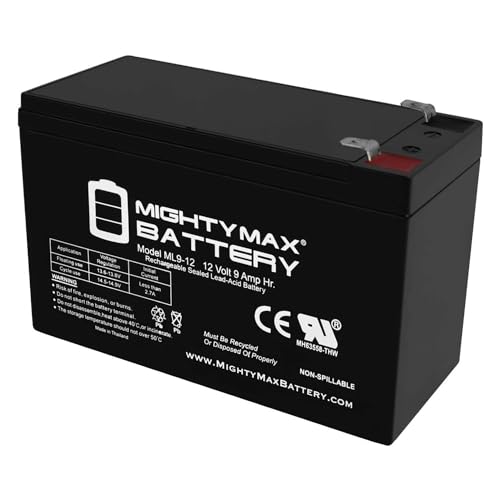
Batteries in the 100-160 Wh range change the travel dynamic. They’re not automatically banned, but you must secure airline approval before flying. Some airlines require you to submit the battery’s specifications in advance, potentially limiting the total number you can bring. Don’t assume approval is automatic – the process varies by carrier and country, often taking a day or two for confirmation.
If your kit includes a large battery in the 100-160 Wh range, plan ahead. Have the model number, Wh rating, and intended quantity ready when you contact the airline. Some airlines approve a single spare, others limit you to two, and a few may require you to ship the battery separately. This extra step adds time to your prep but allows you to travel with higher-capacity power than the standard carry-on limit.
Pro tip: if you’re near the 100 Wh threshold, consider swapping to a lower-capacity spare for your trip to avoid the approval hurdle and keep your kit simple. If you must travel with an over-limit battery, check with the airline as soon as you know your dates, and document the battery’s rating and model in your confirmation notes.
Checklist When You’re Above 100 Wh
- Gather exact battery specs (Wh and model) and carry a copy of the rating.
- Contact the airline well before your flight date for approval.
- Pack the battery in your carry-on with terminals protected.
- Have a backup plan in case approval is denied; you may need to rent or borrow gear.
Battery Safety and Charging While Traveling
Li-ion batteries are safe when used correctly, but heat and physical damage increase risk. Don’t leave batteries near heat sources in the car or luggage. Charge batteries using a dedicated charger in a fire-safe area and avoid crowded spaces. Many travelers find it simplest to charge batteries before departure or at hotels with proper outlets rather than relying on airline power sources.
Charge only in devices when you can’t remove the battery; keep spares charged to a reasonable level (not fully charged for long periods). If a battery shows signs of swelling, heat, or unusual odor, don’t force it back into service. Isolate it in a fireproof bag and seek assistance from airport staff if needed. A simple, cautious routine saves you emergency hassles.
Keep in mind the BMS (battery management system) inside many Li-ion packs. It helps prevent overcharging and short circuits, but it isn’t a substitute for safe handling. A cheap, mismatched charger can still cause problems if misused. The safest approach is to use the charger that came with the battery and keep its ratings in check.
What to Know at Security and Customs
Recommended Products


Security screening focuses on ensuring batteries don’t short, overheat, or present a fire risk. You’ll likely be asked to remove batteries from devices during screening, and you should have the battery labels visible. Keep spares in a clear, protective case or original packaging, with terminals insulated. Present the information promptly to the agent if any questions arise.
If you’re traveling internationally, know that some countries have stricter limits or different approval processes for high-capacity batteries. For domestic US flights, the general approach remains: carry-on only for spares, protect terminals, and secure airline consent when required. Plan to arrive a bit earlier to accommodate any extra screening or documentation needs, especially for larger spare batteries.
Checklist for Security Day
- Keep all spares in a protective case and terminals insulated.
- Have Wh ratings accessible for screening.
- Pack devices with batteries installed in carry-on if possible.
- Be ready to declare battery types and ask for guidance if unsure.
- Allow extra time at the checkpoint for unusual items.
Alternatives and Practical Tips for Photographers
If you shoot a lot on trips, you’ll want a setup that minimizes risk and keeps you moving. Consider carrying a pair of mid-range spares instead of one big, riskier pack. A second portable charger can reduce the need to exchange batteries in busy airports. If you’re heading into remote locations, plan for extra days of shooting by taking properly rated spares and ensuring backup charging options at hotels or studios.
Power management matters too. In-flight power options are limited, so rely on batteries that offer the best combination of capacity, safety, and reliability for your camera system. Using a battery grip can consolidate power needs, but ensure the grip uses a battery that adheres to the same Wh rules as the standard pack. If possible, rent or borrow gear when you’re staying somewhere with charging infrastructure to minimize the number of spares you need to fly with.
Table: Power Options for Photographers
| Option | Pros | Cons | Best for |
|---|---|---|---|
| Spare battery case with up to 2 batteries | Simple, compliant for most flights | Still requires rating checks | Short trips with standard bodies |
| Battery grip with internal battery | Fewer loose spares | Higher risk if the grip battery is the only spare | Longer shoots, studio work |
| External USB-C or AC-powered charger | Reduces battery count in carry-on | Requires outlets; not universal | Travel days with hotel access |
| Shipping spares ahead | Avoids airline limits on day-of travel | Adds cost and logistics | Multi-city or long-term shoots |
Final practical verdict: you can bring camera batteries on a plane in the United States, typically in carry-on, with careful attention to Wh ratings and terminal protection. If a battery sits in the 100-160 Wh band, secure airline approval before you fly. Plan ahead, pack smart, and you’ll avoid most hiccups.
FAQ
Can I bring camera batteries in my checked luggage?
Short answer: No for spare batteries, yes for devices with installed batteries. Spares must stay in carry-on with terminals protected. If the device has a built-in battery, you can check it, but the battery must remain inside the device or be packed in carry-on if separated.
How many spare batteries can I bring?
Rule of thumb: Up to two spare batteries under 100 Wh per person is typical; 100-160 Wh requires airline approval, and batteries over 160 Wh are not allowed on passenger planes. Always verify with the airline before travel.
What if my battery rating is not labeled in Wh?
Do this: Calculate Wh from voltage and capacity (Wh = V × Ah). If you have only mAh, convert to Ah first (Ah = mAh / 1000), then multiply by the battery voltage. If you can’t determine it, don’t travel with that battery unless you can confirm the rating.
Can I travel with batteries installed in my camera?
Yes in most cases: Devices with built-in batteries are allowed in carry-on, but you still must follow the same general rules for protection and screening. If you remove the battery for separate packing, treat it as a spare and follow spare-battery rules.
Are there special rules for large professional batteries?
Yes: Large professional batteries in the 100-160 Wh range require airline approval and may be limited to one or two spares, depending on the airline. Prepare documentation in advance and confirm with your carrier.

- 10 Best Battery For Generator Battery Safety System 2026 - October 12, 2026
- 10 Best Battery For Generator Battery Safety Option 2026 - October 12, 2026
- 10 Best Battery For Generator Battery Safety 2026 - October 12, 2026