Can You Take Camera Batteries On A Plane?
Yes. You can bring camera batteries on a plane, but strict limits apply based on the battery’s watt-hour rating and whether the battery is installed in a device or carried separately. In the United States, spare lithium-ion batteries must remain in carry-on baggage and be individually protected; installed batteries in cameras or other devices can also travel in carry-on. Each battery should be under 100 Wh, and you may carry up to two spare batteries. Batteries rated from 100 Wh to 160 Wh require airline approval, while larger packs are prohibited.
Camera batteries are allowed in carry-on baggage with clear safeguards. These rules prevent shorts, fires, and heat release during flights. Knowing your battery’s watt-hours and how you’re packing it lets you travel confidently. The key is to separate spare batteries from devices and protect their terminals.
Key Takeaways
- Carry-on only. Spare batteries must go in carry-on bags, and terminals must be protected.
- Wh cap per battery. Most camera batteries stay under 100 Wh; exceeding this needs special handling.
- Spare limit. Up to two spare batteries are allowed per passenger.
- Higher capacity needs approval. Batteries rated 100-160 Wh require airline approval.
- Protective packaging matters. Use terminal covers or original packaging to prevent shorts.
- In-device batteries are fine. Batteries installed in cameras can travel in carry-on with the device powered off.
How the Rules Work in Practice
Recommended Products


TSA and the FAA classify camera batteries as lithium-ion power sources that pose a fire risk if damaged or shorted. The practical rule is simple: keep spares in carry-on, protect terminals, and avoid checked bags for batteries. If a battery is installed inside a device, carry the device in the cabin, ensuring it is turned off during screening and flight.
Airlines follow the same framework: batteries under 100 Wh are generally unrestricted, with a cap of two spare batteries per passenger. Batteries between 100 and 160 Wh require airline approval before travel. Batteries over 160 Wh are not permitted in domestic air travel. When in doubt, check with your airline before packing. This means planning around your camera setup and its power needs for the trip.
For example, a pro photographer heading to a wedding might pack a main camera battery around 14 Wh and two spares at 12 Wh each. That setup stays well within the 100 Wh limit and the two-spare maximum. If a battery pack approaches the 100 Wh mark, verify airline policy and obtain approval if necessary. This approach keeps your gear safe and your trip on schedule.
How to Calculate Battery Watt-Hours for Your Gear
Recommended Products
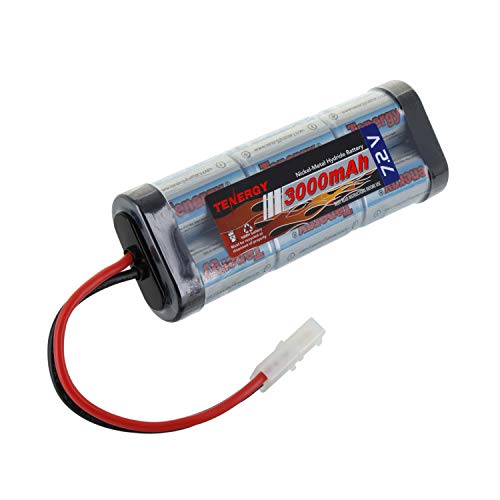
Watt-hours indicate how much energy a battery stores. The formula is Wh = Volts (V) × Amp-hours (Ah). Most camera batteries list nominal voltage and capacity in mAh or Ah, allowing for quick conversion. A typical consumer camera battery is around 3.6 to 3.7 V with a capacity of 2000 to 2600 mAh, yielding roughly 7 to 9.6 Wh. Larger pro batteries can run higher, up to about 20 to 28 Wh, depending on chemistry and cell count. Knowing the exact Wh helps you stay within the 100 Wh limit.
To estimate quickly, multiply the battery’s voltage by its capacity in amp-hours. If the label shows mAh, divide by 1000 to get Ah, then multiply by voltage. For example, a 3.7 V battery with 2600 mAh is 3.7 × 2.6 = 9.62 Wh. A 7.2 V battery rated 1200 mAh equals 7.2 × 1.2 = 8.64 Wh. When evaluating several batteries, add the Wh for each battery to understand your total spare capacity, especially when planning to carry multiple spares.
For instance, if you have two spare batteries, each 8 Wh, plus the installed battery in your camera at 9 Wh, you’re far under the 100 Wh limit. If one spare battery were a high-capacity 120 Wh pack, that single pack would trigger the 100-160 Wh approval process and potentially require airline authorization. The math makes the policy concrete rather than abstract.
What Counts Where
Recommended Products

Spare batteries are those you carry uninstalled in your bag. Installed batteries are inside the device you’re carrying, like a camera or a drone controller. For spares, the focus is on terminal protection and preventing short circuits. For installed batteries, ensure the device is turned off, preventing inadvertent powering on during screening. In both cases, keep metal objects away from battery terminals and avoid packing loose batteries in pockets or metal cases.
If you’re traveling with multiple devices, consolidate batteries in protective cases or original packaging. Many choose the original battery sleeves or manufacturer cases to keep each cell separated. This reduces the risk of contact with metal objects and minimizes the chance of a short in transit. The travel math remains the same: stay under 100 Wh per spare, or obtain approval for higher capacity if needed.
For practical purposes, you might keep two spare 9 Wh batteries in a small clear bag with terminal covers. The installed battery remains inside the camera, which you carry in the cabin. At security, be ready to show the battery label if asked. This approach simplifies screening and minimizes delays. If you need more capacity, arrange airline approval well in advance and consider shipping batteries separately if your itinerary allows.
Packing Tips to Prevent Hassles at Security
Recommended Products

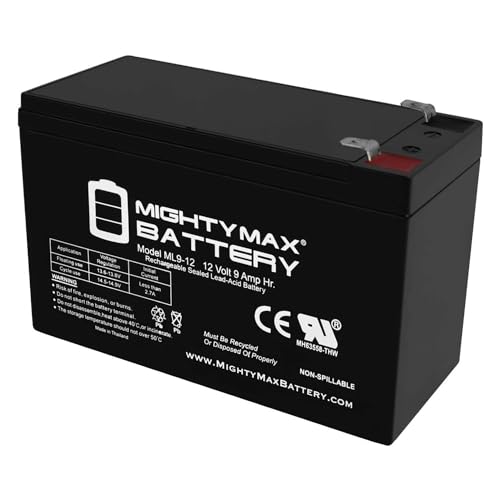
Two strong practices make a big difference: protect terminals and keep batteries in carry-on only. Terminal covers, caps, and manufacturer-provided cases are cheap insurance against shorts. Pack spares in their original packaging or a dedicated battery case, separated from metal objects like coins or tools. If traveling with a power bank for charging cameras or other electronics, treat it like spare batteries and stay within the 100 Wh limit unless you have airline approval.
To ensure a smooth airport experience, create a small, clear pile of your camera gear and batteries near the top of your carry-on. This arrangement helps with inspection and reduces the chance of leaving a battery behind. If you use nonstandard batteries or third-party cells, verify their Wh rating and airline acceptance before you fly. Simple organization cuts down on screening time and minimizes the risk of last-minute bag checks.
TABLE: Battery Rules at a Glance
| Battery Type | Typical Wh Range | Carry-On Allowed? | Airline Approval Needed? |
|---|---|---|---|
| Camera Li-ion battery (standard consumer) | 7-14 Wh | Yes | NoPro or high-capacity spare battery |
| Spare battery near 100 Wh | 60-100 Wh | Yes | No |
| Battery between 100-160 Wh | 100-160 Wh | Yes | Yes (airline approval)Notes: Each battery must be protected to prevent short circuits. Do not place spare batteries in checked luggage. |
Special Cases: Drones, Action Cams, and Power Banks
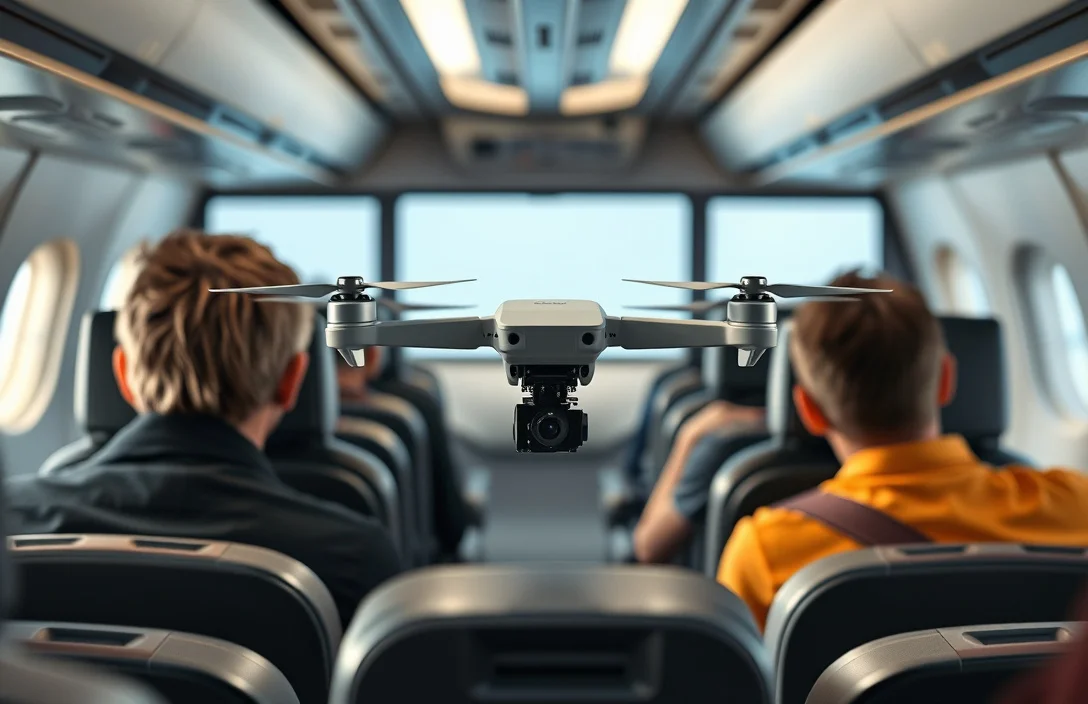
Drone batteries follow the same general rules as camera batteries, but they often carry more watt-hours per cell. If traveling with drone batteries, expect stricter checks and ensure your batteries remain in carry-on with protective caps. For action cameras or other devices with built-in batteries, keep the device in carry-on and power it down during screening. If you’re using power banks to recharge gear, treat them like spare batteries and remain within the 100 Wh limit per unit; for higher-capacity banks, airline approval is typically required.
Power banks can be a common pitfall for travelers. Most banks up to 100 Wh are allowed in carry-on, but those with higher capacity often require airline approval or must be shipped as dangerous goods on some routes. The rule of thumb is to travel light on power capacity and confirm with your airline if you need to exceed typical limits. Better planning avoids delays waiting for approvals or worrying about in-flight power.
For practical trips, plan for your shooting days and carry only what you need. If you expect long shoots, one extra battery is usually sufficient, and you can manage charging with cross-charging options between devices. The goal is reliability and safety, not power hoarding.
Practical Travel Scenarios and Decision Points
Recommended Products


Decisions center on your battery capacity and itinerary. If you’re taking a standard mirrorless or DSLR kit, you’ll likely stay well within the 100 Wh limit with two spare batteries. If your setup includes a large pro battery pack or you’re flying internationally with long layovers, obtain airline approval for higher capacity packs and adjust your packing accordingly.
For example, a photographer traveling to a multi-day landscape shoot may carry two spare batteries at 9 Wh each and one in-device battery at 9 Wh. That arrangement fits comfortably under the 100 Wh cap and avoids the need for special permission. If you add a battery near 150 Wh, call the airline and secure approval before departure to ensure smooth screening and boarding.
Common Mistakes and How to Avoid Them
- Packing spare batteries in checked luggage. Move all spares to carry-on immediately. This reduces the risk of loss or damage and aligns with safety norms.
- Forgetting to cover battery terminals. Always use a protective cover or packaging to keep terminals from contacting metal.
- Ignoring watt-hour ratings. If a battery is close to 100 Wh, verify the rating and check airline policy in advance.
- Mixing different battery chemistries in one bag. Keep Li-ion spares separate from other battery types to avoid accidental shorts.
- Assuming every airline follows the same rules. Always confirm with your specific airline for any exceptions on a given route.
FAQ
Can I bring camera batteries in my carry-on bag?
Yes. Spare camera batteries are allowed in carry-on bags as long as each battery is under 100 Wh and terminals are protected. Do not place spare batteries in checked luggage.
How many spare batteries can I bring?
Up to two spare batteries per passenger are allowed, provided each battery is under 100 Wh. Batteries between 100 and 160 Wh require airline approval.
What if my camera battery is over 100 Wh?
If a battery is between 100 and 160 Wh, you must obtain airline approval before traveling. The airline may permit one or two such batteries, depending on the route and policy.
Can I fly with batteries installed in my camera?
Yes. Batteries installed in cameras can travel in carry-on bags, but the device should be powered off during screening. Keep the battery inside the device or contained to prevent accidental powering on.
Are non-rechargeable camera batteries allowed?
Non-rechargeable batteries, such as certain CR123 formats, are less common for cameras but may have separate rules. In most cases, rechargeable Li-ion batteries are the norm; always check the label and airline guidance for any non-standard battery type.
Plan with the 100 Wh rule in mind, protect terminals, and pack spares in carry-on. If you need more capacity, secure airline approval ahead of time. This approach ensures reliable power for your gear and a smoother security experience. Check your battery labels, calculate the Wh for every spare, and confirm airline approval if any battery is near or above the 100 Wh threshold.

- 10 Best Battery For Generator Battery Safety Option 2026 - October 12, 2026
- 10 Best Battery For Generator Battery Safety 2026 - October 12, 2026
- 10 Best Battery For Generator Battery Rv Upgrade 2026 - October 12, 2026