Can You Store Batteries In The Freezer?
Can you store batteries in the freezer? Not for everyday use. Freezing disrupts chemistry, invites moisture, and can cause internal damage or safety risks. Keep batteries in a cool, dry place away from direct sunlight, ideally around 15-20°C. For long-term storage, follow chemistry-specific guidelines rather than freezing.
Freezer storage for batteries is generally not recommended for consumer cells. A household freezer set to about -18°C can push moisture into seals, causing condensation when moved to room temperature. This stresses canisters and electrodes. Most chemistries lose capacity or safety margins under freeze-thaw cycles. If you must store near freezing, use a sealed, desiccated container and avoid frequent temperature swings.
Key Takeaways
- Avoid freezing. Freezing damages most common chemistries and can void warranties.
- Store cool and dry. Aim for 15-20°C in a low-humidity spot.
- SOC targets vary by chemistry. Li-ion: 40-60%; NiMH: around 40%; Lead-acid: fully charged for long-term storage.
- Prevent condensation. Keep batteries sealed and allow them to reach ambient temperature before use.
- Inspect before reuse. Look for swelling, leaks, or corrosion; discard if observed.
Can You Store Batteries in the Freezer?
Recommended Products



Freezing is not a reliable storage method for typical consumer batteries. Temperature shocks from moving between -18°C and room temperature can form internal micro-cracks, cause electrolyte migration, and compromise seals. Condensation can lead to corrosion on terminals and connectors, setting the stage for short circuits or failure when you finally pull the battery back into service. For lithium-ion or lithium-polymer cells, the electrolyte balance is particularly sensitive, and the added moisture risk is not worth the perceived gain in self-discharge reduction. Choosing a cool, stable environment is far more beneficial than using a freezer.
Even a dry battery in a sealed container faces challenges from temperature cycling. The energy density of many cells depends on consistent temperature. Repeated freezes and thaws shift chemical equilibria inside the cell, reducing capacity and potentially shortening life by months or years, depending on usage and storage duration. Legitimate, safer ways to extend shelf life do not involve exposing cells to ice, condensation, or mechanical stress.
Storage Guidelines by Chemistry
Recommended Products

Different chemistries age differently, and the right storage approach reduces loss, swelling, and safety risks. The goal is to maintain a stable state of charge in a cool, dry environment, not to chase a cold snap.
For lithium-ion and lithium-polymer cells, store with a partial charge to slow chemical aging. A target around 40-60% SOC minimizes parasitic reactions when the pack sits idle. Keep the temperature in a comfortable cool range, roughly 10-25°C, with low humidity and no direct heat. Avoid deep discharge or overcharge before storage; long-term storage requires periodic checks and a fresh top-off before reuse.
Nickel-metal hydride and nickel-cadmium cells tolerate cooler environments better but still do not benefit from freezing. NiMH cells should maintain a SOC around 40% during storage, avoiding high humidity or direct sunlight. NiCd is rarely used today, but if you have it, store it in a cool, dry place with a SOC around 40-60% and inspect for plating or dendrite formation when returning it to service.
| Chemistry | Ideal Storage SOC | Temperature Range | Notes |
|---|---|---|---|
| Li-ion / Li-poly | 40-60% | 10-25°C | Use a protective BMS when in devices; avoid deep discharge. |
| NiMH | ~40% | 10-25°C | Slower self-discharge than NiCd; inspect for swelling on reuse. |
| NiCd | 40-60% | 10-25°C | More tolerant of cycling; check for memory effects when reusing. |
| Lead-acid | Fully charged | 5-25°C | Sulfation risk if discharged; keep electrolyte levels checked. |
| Alkaline (primary) | Room temp | 15-25°C | Generally not rechargeable; store dry and cool. |
This table aligns with practical advice. The common thread: cool, dry, and a modest state of charge beats freezer storage for nearly all consumer cells. If you’re keeping a mixed battery box in a closet, label each item by chemistry and SOC, and perform a quick check every six months.
| Option | Why it helps | Price | Link |
|---|---|---|---|
| Amazon Basics Portable Battery Storage Case with Tester, Wall-Mounted Design, Carrying Handle, Holds 110 Batteries, 9.37 x 11.69 x 2.91 inches, Clear/Black | This portable battery storage case helps maintain a stable state of charge in a cool, organized manner. | Check price | View → |
| Battery Organizer Storage Box with Tester, Battery Vault Case Fireproof Waterproof Explosionproof Holder Box with Tester BT-168 Checker Carrying Case Container Bag Fit for 200+ Batteries AA AAA C D 9V | A fireproof and waterproof storage box ensures safe and effective battery storage in a cool environment. | Check price | View → |
Should You Refrigerate or Freeze? When It Matters?

Refrigeration isn’t ideal for most consumer batteries, but there are narrow cases where cool storage helps. If you live in a hot climate and need to minimize self-discharge during a multi-month lull, a dedicated, sealed storage container at a stable cool temperature can be acceptable. The critical caveat is condensation. Any time a cold item is moved into a warmer room, moisture can form on surfaces and near contacts. This moisture creates corrosion paths, reducing performance or threatening safety.
Freezing, by contrast, offers no practical advantage for typical household battery storage. A freezer introduces moisture risk, mechanical stress from ice formation in some electrolytes, and potential damage to venting systems in damaged cells. If you ever see a battery that has swollen, leaks, or vents, do not use it. Freezer storage does not benefit benign aging processes and can accelerate safety failures in damaged packs.
If you choose to store in cool temperatures, plan for an environment around 10-20°C with stable humidity. Use airtight bags or desiccants to reduce moisture ingress, and keep terminals insulated to prevent shorting. Avoid storing in humid basements or uninsulated attics. The safer approach is to avoid extreme temperatures altogether and treat batteries like fragile electronics: cool, dry, and stable.
How to Store Batteries Safely: Step by
A practical storage routine reduces aging and keeps batteries ready for use. The steps below are deliberate and repeatable.
- Check the charge level. For Li-ion, aim for about 40-60% SOC before storage.
- Clean and dry. Wipe off any residue, then let terminals dry completely to avoid corrosion.
- Isolate contacts. Place each battery in its own airtight, anti-static pouch or use non-conductive wrapping to prevent shorting.
- Bundle and label. Put similar chemistries together, label with date and SOC, and keep a simple log.
- Use a stable container. Store in a rigid, moisture-resistant box or housing away from heat sources and sunlight.
- Keep the environment cool and dry. Target a location around 15-20°C with low humidity and minimal temperature swings.
- Inspect periodically. Every six months, re-check SOC, inspect for swelling or corrosion, and top up or discharge if needed.
- Prepare for reuse. When you need to use them, allow a gradual warm-up to room temperature before removing seals and connectors.
Following these steps reduces the risk of thermal shock, moisture damage, and capacity loss over time. This discipline pays off when you pull the batteries back into service after storage, as you’ve kept the chemistry stable and the seals intact.
Essential Tools for Proper Battery Storage

GlossyEnd Set of 4 – Two AA and Two AAA Battery Storage Box, Battery Storage Case Holder with Tester, Clear. Each Case Stores 48 Batteries
The GlossyEnd Battery Storage Box keeps your AA and AAA batteries organized and protected, making it easy to access them without needing to store them in the freezer.

Battery Daddy Storage & Organizer Case w/Tester, Stores & Protects Up to 180 Batteries, Double-Sided, Clear Locking Lid, Secure Latches & Portable Carrying Handle – Charcoal (Batteries Not Included)
The Battery Daddy Storage Case offers ample space for up to 180 batteries, ensuring they are stored securely and conveniently, eliminating the need for freezing.
Safer Alternatives for Long-Term Storage
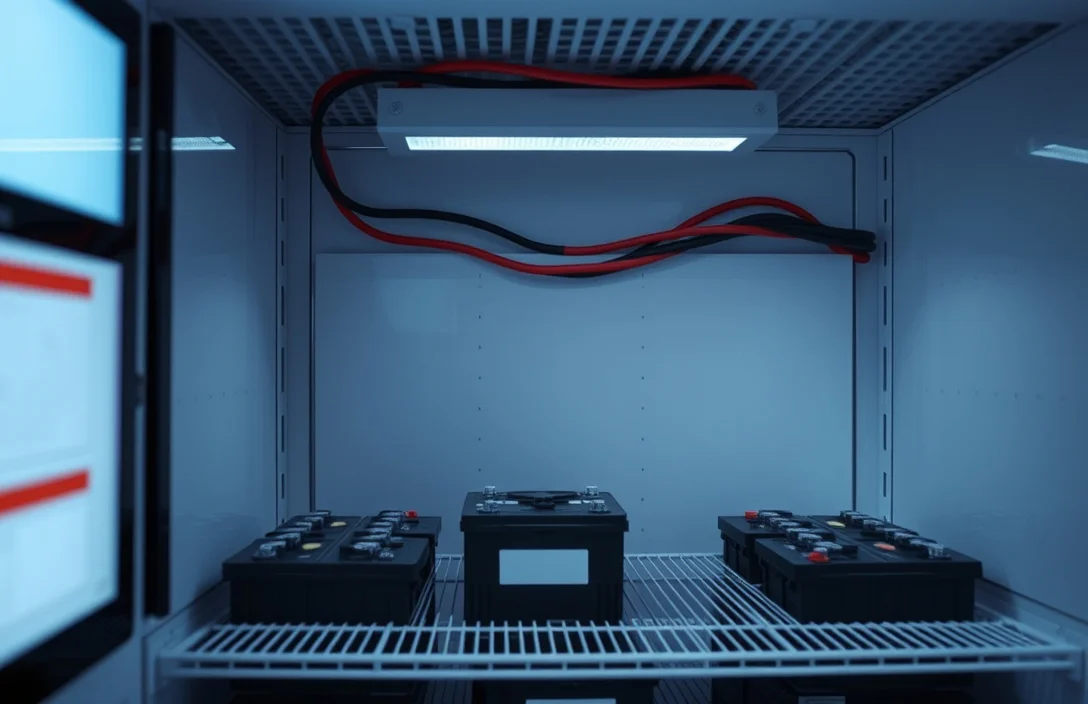
If you’re stocking batteries for the long term, using a dedicated storage cabinet or a climate-controlled closet is far superior to a freezer. The goal is to minimize self-discharge while preventing moisture exposure and corrosion. For many households, the best approach is a cool, dry corner of a closet with a small desiccant pack in the storage box. It’s simple, effective, and avoids the extra steps of thawing, condensation management, or venting concerns.
Another practical option is to rotate stock. Set a reminder to test and refresh packs every six to twelve months. Even the most robust cells benefit from proactive checks. In the meantime, keep a simple inventory noting the chemistry, date of purchase, and SOC. This reduces guesswork and ensures you’re not surprised by dead cells when you reach for batteries.

Helpful pick
Ontel Battery Daddy Smart – Battery Organizer Storage Case with Tester, Stores & Protects Up to 150 Batteries, Clear Locking Lid, As Seen On TV, Smart – 150 Batteries (BADAS-MC4)
This organizer stores and protects up to 150 batteries, ideal for minimizing self-discharge and preventing moisture exposure.
Common Mistakes to Avoid
Mistakes compound faster than most people expect. They’re usually easy to fix once recognized, but they’ll quietly degrade your batteries over time if ignored.
- Storing loose cells near metal objects or in metal tins. Short circuits happen quickly with cold, damp packaging.
- Freezing or near-freezing storage without proper seals. Moisture ingress is the silent killer in many packs.
- Ignoring SOC guidance. Fully charged Li-ion and discharged NiMH can accelerate aging if stored long-term.
- Storing in direct sunlight or near heat sources. Temperature is the biggest factor in aging, swelling, and capacity loss.
- Mixing different chemistries in the same container. Different storage needs create cross-contamination risks and complicate safety checks.
Quick Practical
- Keep batteries in a cool, dry place around 15-20°C.
- Use a SOC target specific to chemistry (Li-ion 40-60%; NiMH ~40%); avoid freezing.
- Store each cell or pack in non-conductive wrapping or an airtight pouch.
- Label content clearly and maintain a simple log of purchase date and SOC.
- Inspect every six months for swelling, corrosion, or leakage and refresh as needed.
Freezing is rarely worth it for household batteries. The safer, simpler path is cool, dry storage with chemistry-appropriate SOC targets, smart labeling, and periodic checks. If you must store long-term, designate a dedicated, climate-controlled spot and resist the urge to freeze.
FAQ
How long can you store batteries in the freezer?
Freezing is not recommended for everyday batteries; if you absolutely must, limit storage to a few weeks and ensure the pack is completely sealed with desiccants. After thawing, inspect for swelling, corrosion, or leakage before reuse.
Is it safe to freeze lithium-ion batteries?
Not generally. Freezing risks moisture ingress and mechanical stress, which can damage the electrolyte balance and compromise the protective circuitry inside the pack.
Can freezing extend shelf life for alkaline batteries?
Not meaningfully. Alkaline primary cells are best kept cool and dry; refrigeration or freezing offers minimal, if any, real benefit and adds condensation risk.
How should I prepare batteries for long-term storage?
Charge to the recommended SOC for the chemistry, clean and dry terminals, seal in non-conductive packaging, label everything, and store in a cool, dry place with minimal temperature changes.
Are there safer alternatives to freezing for long-term storage?
Yes. Use a climate-controlled storage spot at 10-25°C, keep SOC as chemistry dictates (Li-ion 40-60%, NiMH around 40%), and include desiccants to reduce humidity. Rotate stocks every 6-12 months.

- 10 Best Battery For Generator Battery Safety System 2026 - October 12, 2026
- 10 Best Battery For Generator Battery Safety Option 2026 - October 12, 2026
- 10 Best Battery For Generator Battery Safety 2026 - October 12, 2026