Can Lithium Batteries Get Wet?
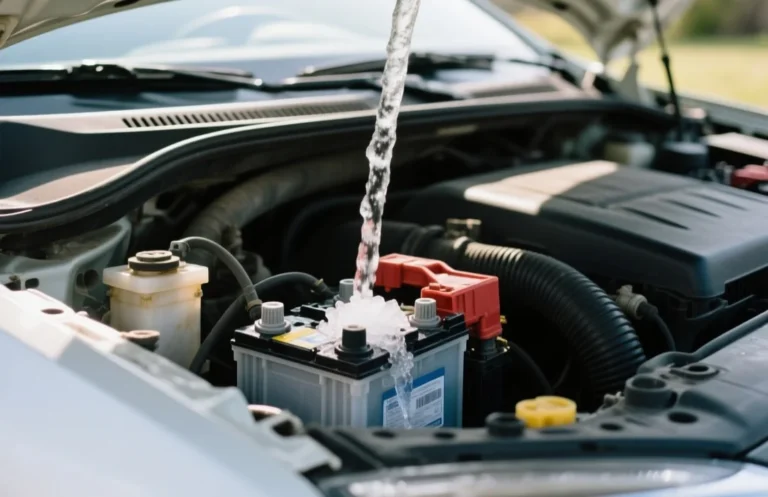
Yes, lithium batteries can get wet. Water exposure can lead to short circuits, corrosion, and safety hazards from spills, rain, or splashes. Immersion or saltwater significantly increases the risk of dangerous short circuits, venting, and corrosion. Light splashes may be tolerated by well-sealed designs with a functioning battery management system (BMS), but any spill should be taken seriously, as internal damage may not be immediately visible.
Key Takeaways
- Act fast. If wet, power off the device and safely remove the battery to limit shorts.
- Don’t charge. Wait until the pack is completely dry before attempting to recharge.
- Dry thoroughly. Air-dry the battery in a ventilated area for 24 to 48 hours, away from heat sources.
- Rinse saltwater exposure. If saltwater touches the pack, rinse with clean water to eliminate salt residues before drying.
- Watch for damage. Signs like swelling, odor, or heat after drying indicate the need for replacement or professional inspection.
- Seek professional help. For large packs or those with unknown histories, contact the manufacturer or a certified technician before reuse.
How Water Affects Lithium Batteries
Recommended Products


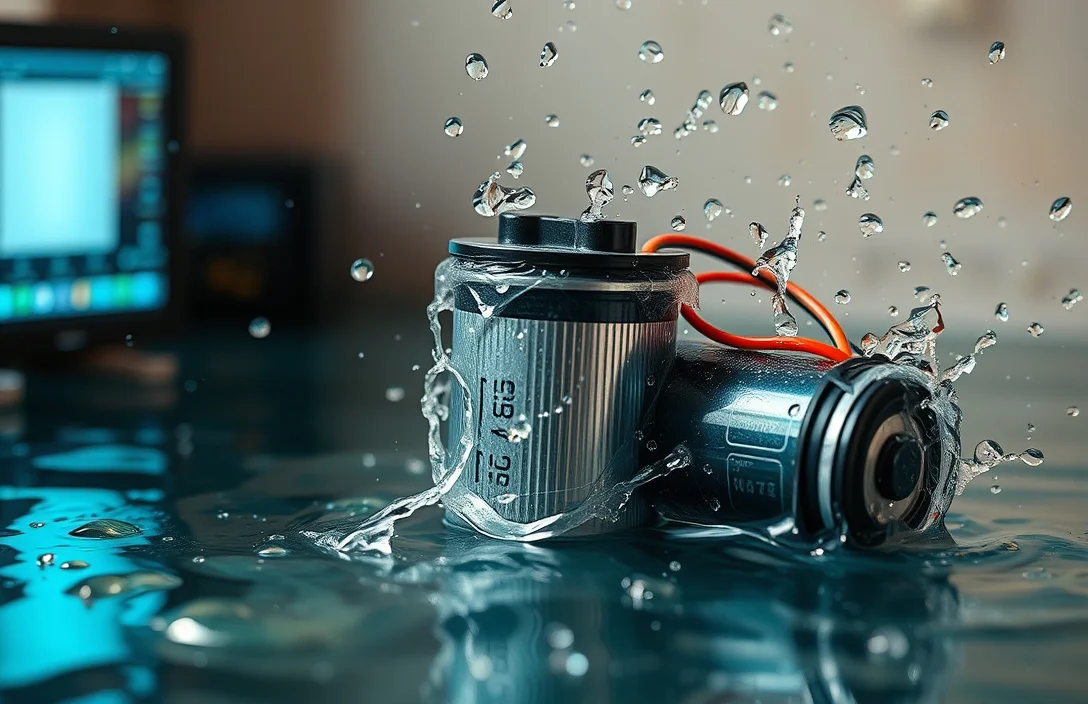
Water exposure interacts negatively with lithium chemistry. In a Li-ion cell, moisture can reach the electrolyte and current collectors, creating conductive paths that increase the risk of short circuits and gas generation. Saltwater accelerates corrosion and chemical reactions, causing damage to escalate more quickly than with fresh water. While some designs may withstand minor splashes, any breach of seals allows water to compromise the internal chemistry.
A wet pack behaves unpredictably. Devices with tight housings and a healthy BMS may survive light exposure, but hidden damage can develop quickly. The BMS cannot repair damaged separators or corroded terminals, and once moisture penetrates, capacity loss and degraded safety margins follow. Immersion almost always necessitates inspection, possible cell replacement, and sometimes complete battery replacement.
The key takeaway is that water exposure can compromise battery safety and performance. A splashed phone battery may recover, but an immersed EV pack usually does not. The difference between a recoverable incident and a dangerous failure is minimal, and testing this at home is unwise.
Lithium Chemistry: Li-ion vs LiFePO4 and Others
Recommended Products


Li-ion variants share a core risk: moisture can compromise the electrolyte, creating unsafe paths for current. LiFePO4 cells are more thermally stable and less prone to aggressive gas evolution, but they still degrade when water enters the pack. Solid-state chemistries reduce the risk of liquid exposure since they lack a liquid electrolyte, but moisture can still interfere with interfaces and seals.
Comparison of water exposure effects:
- Li-ion (NMC / LCO / NCA) is highly sensitive to water ingress; short circuits and venting are major concerns; immersion typically necessitates replacement.
- LiFePO4 (LFP) is more tolerant of heat and moisture, but exposure can still reduce capacity and lifespan.
- Keep charging areas dry and well-ventilated.
- Regularly inspect seals and gaskets on devices and packs in moist environments.
- Use IP-rated enclosures and protective casings to limit water contact.
- For environments where exposure is likely (like boating), consider moisture barriers and desiccants during storage.
- Do not improvise fixes on a wet battery; drying should be done in controlled conditions by qualified personnel.
| Solid-state cells offer lower risk of liquid electrolyte leakage, but humidity can affect seals and interfaces during manufacturing or aging. | Chemistry | Water sensitivity | Typical damage signs | Practical precaution |
|---|---|---|---|---|
| Li-ion (typical) | High | Short circuits, gas venting, capacity loss | Keep dry, use a functioning BMS, avoid immersion | |
| LiFePO4 | Moderate | Surface corrosion, gradual capacity loss | Dry storage, protect seals, avoid prolonged exposure | |
| Solid-state | Lower (no liquid electrolyte) | Interface irregularities, degraded contacts | Maintain dry environment, manage humidity in storage |
Exposure tolerance varies by chemistry and packaging. The same water exposure can have different outcomes based on the pack’s contents and sealing. The common thread: avoid immersion, and treat any exposure as a potential safety concern.
Real-world Scenarios: Devices vs Large Packs
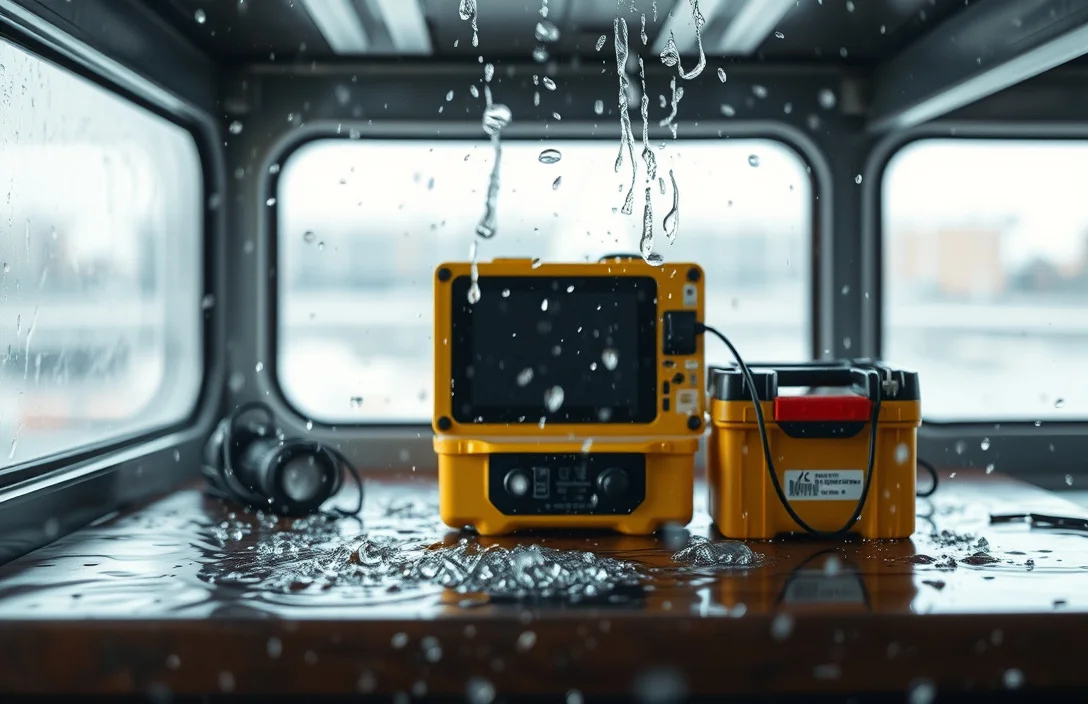
For consumer devices like smartphones, laptops, or handheld tools, a splash or brief immersion may not ruin the device immediately, but it can compromise the battery over time. Power off the device, remove the battery if possible, and let it dry completely before attempting to power it up again. If swelling, heat, or odd smells occur after drying, do not reuse it.
Electric vehicles, power tools, and home energy storage systems present greater risks. Large battery packs have more complex protections, but water intrusion can disable safety systems or accelerate degradation. If a pack has been immersed, assume it requires inspection before reuse. Professionals will check for internal corrosion, electrolyte changes, and damaged connectors.
The path remains the same: stop using the device, isolate power, and seek professional assessment if there has been significant immersion or saltwater exposure. Splashes may be manageable; immersion rarely is.
How to Keep Batteries Dry
Preventing water exposure is easier than repairing damage. Avoid situations where moisture can reach cells, seals, or terminals. For outdoor devices, invest in splash- or dust-resistant gear and avoid charging in damp environments. For vehicles and large packs, ensure seals remain intact and check for any signs of water ingress after exposure to rain or washing.
Prevention focuses on controlling moisture paths and storage conditions. Small steps, like using drying racks and avoiding charging in humid spaces, yield long-term benefits. The goal is to reduce risk, delay degradation, and maintain safety margins.
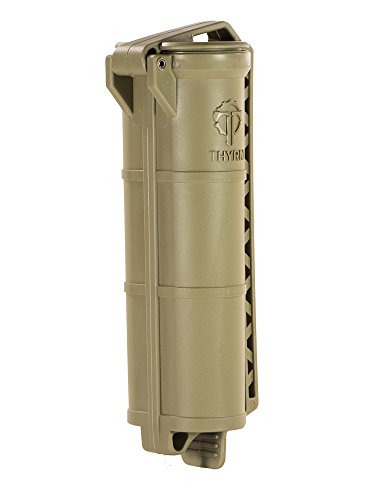
Helpful pick
Thyrm CellVault XL Waterproof Battery Storage Case for AA, AAA, CR123, and 18650 Batteries, MOLLE/PALS Mountable Battery Holder, Made in USA, Flat Dark Earth
This waterproof storage case protects various battery types from moisture, ensuring your batteries stay dry and functional.
Essential Gear for Protecting Lithium Batteries from Water
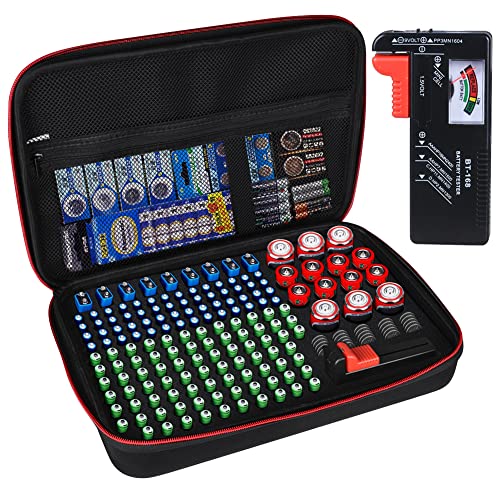
Battery Organizer Storage Box with Tester, Battery Vault Case Fireproof Waterproof Explosionproof Holder Box with Tester BT-168 Checker Carrying Case Container Bag Fit for 200+ Batteries AA AAA C D 9V
The Battery Organizer Storage Box is waterproof, ensuring that your batteries remain safe and functional even if exposed to moisture.

RJWKAZ 18650 Battery Storage Case Plastic Waterproof Battery Holder for 18650 and 16340 Batteries (4 Pack)
The RJWKAZ 18650 Battery Storage Case is designed to be waterproof, protecting your 18650 and 16340 batteries from water damage.

JJC 18650 Battery Case, Shockproof & Water-resistant Battery Storage Holder for 6 x 18650 Battery, PC Shell Easy to Carry
The JJC 18650 Battery Case is shockproof and water-resistant, providing reliable protection for your batteries against accidental wet exposure.
Replacement and Warranty Considerations

Water exposure can affect warranties. Most manufacturers exclude damage from water ingress or immersion unless specific environmental ratings protect it. If moisture enters the pack, expect reduced performance and potential safety warnings, necessitating replacement rather than repair. When in doubt, consult the manufacturer or a certified technician before attempting to reuse a wet pack.
Treat any wet lithium battery as a risk until confirmed safe by a professional. Replacement is often the only option after immersion, especially if swelling, heat, or odor occur. Warranty terms vary, so review the fine print for your device or system.
IP Ratings, Waterproofing, and Real-World Misconceptions
IP ratings quantify ingress resistance, but they don’t guarantee safety against all water scenarios. A pack rated IP67 can survive immersion in up to 1 meter of water for 30 minutes, but this does not account for saltwater exposure, prolonged submersion, or mechanical damage that can compromise seals. IP ratings focus on externally exposed parts; internal cells depend on proper sealing and robust enclosures.
A common misconception is that any splash is safe because a device is labeled “waterproof.” In reality, water can still reach seals, vents, and connector interfaces, especially over time or after physical abuse. For outdoor or marine use, rely on a combination of IP protection, proper enclosure design, and routine inspection to maintain safety margins.
The practical takeaway is clear: water poses a real threat to lithium battery safety. Prevention and careful post-exposure handling are key to maintaining performance and safety. When uncertain, prioritize caution and consult a professional.
| Option | Why it helps | Price | Link |
|---|---|---|---|
| KIWIFOTOS 58 Slots AA AAA Battery Case Holder with Tester IP67 Waterproof Outdoor Household Batteries Storage Organizer Container with CR2032 Coin Cell Battery Holder | This waterproof battery holder ensures your batteries are safe from water exposure and organized for easy access. | Check price | View → |
| Thyrm CellVault-5M Waterproof Modular Battery Storage for CR123, 18650, 18350, CR2032, AAA, AA, 1632 Batteries, MOLLE/PALS Mountable, Made in USA (Flat Dark Earth) | A modular waterproof storage solution that keeps various battery types safe from water damage in real-world scenarios. | Check price | View → |
FAQ
How quickly should I act after a battery gets wet?
Immediately power off the device and remove the battery if safe to do so, then start drying in a ventilated area for 24 to 48 hours. Do not charge during or after the drying period until a professional confirms it is safe.
Can water damage a battery permanently?
Yes. Water ingress can cause internal corrosion and short circuits that permanently reduce capacity or create safety risks. If there is swelling, heat, or odor after drying, replacement is advised.
Do IP ratings protect lithium batteries from water?
IP ratings measure ingress under defined conditions, but they do not guarantee safety after immersion, salt exposure, or repeated contact. Treat any exposure beyond specifications with caution and seek inspection.
Is LiFePO4 safer when wet than other lithium chemistries?
LiFePO4 is generally more thermally stable and resistant to certain water-related failure modes, but it is not immune. Any moisture exposure can degrade performance and safety, so dry storage and careful handling remain essential.
Should I replace a battery that got wet?
If the pack shows swelling, odor, or heat after drying, or if there was submersion, replacement is the prudent choice. Consult the manufacturer or a certified technician for a professional assessment before reuse.

- 10 Best Battery For Generator Battery Safety System 2026 - October 12, 2026
- 10 Best Battery For Generator Battery Safety Option 2026 - October 12, 2026
- 10 Best Battery For Generator Battery Safety 2026 - October 12, 2026