Can I Put A Car Battery On Concrete?
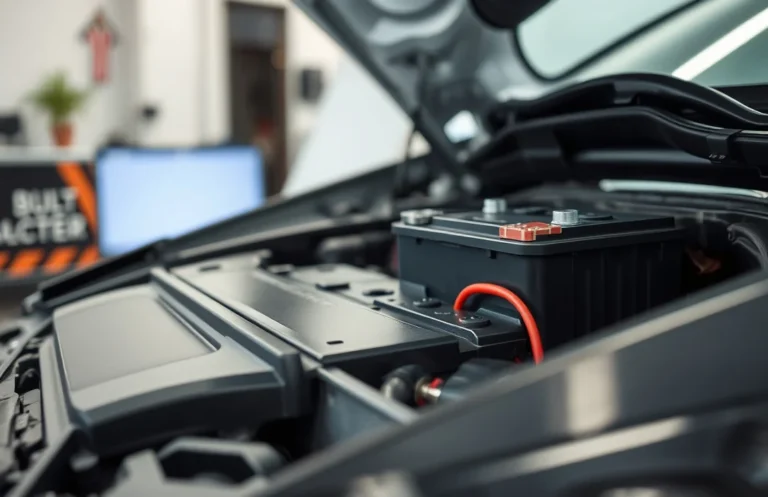
Can I put a car battery on concrete? Yes, you can. Modern automotive batteries are safe on a concrete floor under normal storage conditions. The main concerns are moisture, temperature fluctuations, and potential leaks. If the concrete is damp or the garage is very cold, heat and acid can accelerate corrosion or diminish performance. To mitigate these risks, place the battery on a dry, raised surface.
Car batteries on concrete do not self-discharge from mere contact. Flooded, AGM, and LiFePO4 batteries remain unaffected when resting on dry concrete, but moisture, temperature changes, and leaks pose real threats. Using a dry, raised tray at least 2 inches off the floor will catch any venting and reduce contact with moisture.
Key Takeaways
- Concrete contact is safe. Modern batteries do not lose charge simply from sitting on concrete.
- Moisture matters. Damp slabs increase corrosion risk and can promote leaks at the terminals.
- Raised surface helps. Elevating the battery minimizes moisture contact and improves airflow.
- Know your chemistry. Flooded, AGM, and LiFePO4 batteries react differently to heat and venting.
- Inspect regularly. Look for corrosion, swelling, and signs of leakage at the terminals and tray.
does concrete drain a car battery?
Recommended Products


Concrete does not drain charge from a healthy automotive battery. This misconception likely stems from experiences with poorly insulated spaces where heat and moisture could accelerate discharge in older wet-cell batteries. Today’s batteries – be they flooded lead-acid, AGM, or LiFePO4 – do not depend on the floor to maintain charge. They discharge due to internal chemical processes and external conditions, such as deep discharge, extreme temperatures, or leaks.
The actual risk depends on your storage conditions. A battery on a damp, cold slab in a poorly ventilated area may experience more moisture ingress and slower off-gassing, leading to terminal or pressure vent corrosion. Conversely, in a dry, moderate-temperature garage, concrete is largely neutral regarding self-discharge. Managing moisture and heat is much more critical than fearing the concrete.
When a battery rests on concrete for extended periods, three factors influence performance: moisture from the slab, temperature loss to the floor, and the potential for vented electrolyte to contact the slab if a seal fails. Each factor interacts with battery type and state of charge, but for a healthy modern battery, the effects are minimal if conditions remain stable.
What actually matters for discharge risk
Recommended Products


Battery chemistry dictates how a battery responds to heat, humidity, and venting. Flooded lead-acid batteries vent gases and can lose water when overcharged or heated, resulting in swelling, reduced capacity, and shortened lifespan. AGM batteries are more sealed and tolerate heat differently, while LiFePO4 cells utilize a built-in battery management system (BMS) to prevent overcharging and thermal runaway. The risk tied to concrete is not the concrete itself but the surrounding conditions and battery type.
Temperature plays a significant role. Cold floors sap heat from the battery, delaying the chemical reactions needed for optimal performance, while very hot floors can accelerate plate degradation if the battery is already stressed. Humidity also impacts performance; moisture can corrode terminals and clamps, especially if a leak occurs or vent caps are damaged. Lastly, leaks pose a hazard to the floor and surrounding materials, so monitor seals and breathing vents closely.
When choosing a storage spot in your garage or workshop, consider this: if you’re storing a healthy, fully charged battery in a dry, ventilated space, resting on concrete is usually acceptable for short-term storage. In damp, dusty, or temperature-variable environments, elevating the battery and using a tray or rack significantly reduces risk. For older or damaged batteries, don’t rely on concrete for protection; address leaks, replace the unit, and isolate it from living spaces.
For new setups, assess the storage area – corners, driveways, sheds, or workbenches all have different moisture profiles, airflow, and temperature exposure. If you must store on concrete, do so on a clean, dry surface with a plastic tray underneath to catch leaks, and wrap the battery with moderate insulation to minimize rapid temperature changes. Managing moisture and heat effectively reduces the significance of the floor.
Best practices for placement and storage
Recommended Products

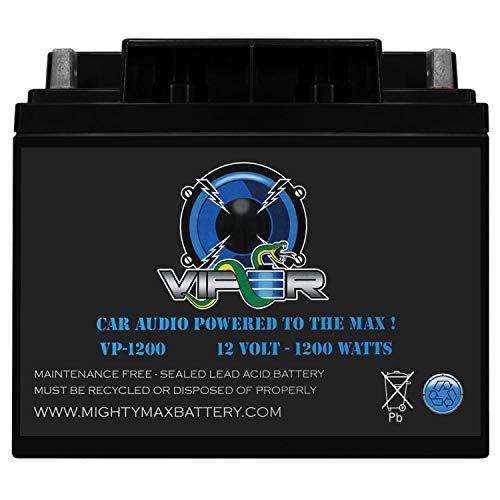

Always place the battery on a raised, dry surface, avoiding direct contact with concrete. A rubber mat with a raised lip or a dedicated battery tray keeps moisture away from terminals and clamps. Elevating the battery by at least 2 inches improves air circulation and minimizes contact with any dampness. If possible, use a small vented enclosure for added protection against accidental splashes while allowing vent gases to escape safely.
For optimal storage in most US garages, start with a dry, clean spot away from doors and heat sources. Place a battery tray or shallow bin on a raised platform, then rest the battery on the tray, ensuring terminal access for maintenance. Keep the area free of tools or debris that might damage cables or vent covers. If you don’t drive the car daily, consider connecting a battery maintainer to prevent sulfation during long idle periods.
Here’s a comparison of storage methods:
| Method | Pros | Cons |
|---|---|---|
| Raised rack or tray (off concrete) | Keeps moisture away, better ventilation, catches leaks | Requires space, must be stable and level |
| Directly on concrete (dry, clean slab) | Quick setup, minimal gear | Minor moisture risk, slower airflow around the case |
| Wooden shelf with tray | Easy DIY option, inexpensive | Wood can absorb acid if leaks occur, needs maintenance |

Helpful pick
NOCO Snap-Top BG27 Battery Box, Group 27 12V Battery Box for Marine, Automotive, RV, Boat, Camper and Travel Trailer Batteries
The NOCO Snap-Top BG27 Battery Box protects your battery from moisture and ensures safe storage away from concrete.
When setting up a storage area, follow these steps:
- Clear the space and sweep away dust and spills; moisture is the enemy.
- Place a non-slip, water-resistant mat or tray on a raised platform.
- Position the battery for easy access to terminals and vent openings.
- Use a battery maintainer for long idle periods.
- Regularly inspect clamps, terminals, and the tray for corrosion or residue.
Consistent moisture control and airflow are crucial. If you maintain a dry environment and a healthy battery, concrete isn’t a liability.

Helpful pick
Attwood 9067-1 Vented Battery Box with Mounting Strap, Fits Group 27 Series Batteries, Black
This vented battery box provides safe storage while ensuring easy access to terminals and vent openings.
Essential Accessories for Safe Battery Storage

Zeee Fireproof Explosionproof Large Capacity Battery Storage Guard Pouch for Lipo Charge & Storage (8.46 x 6.5 x 5.71 in)
The Zeee Fireproof Battery Storage Guard Pouch protects your car battery from potential damage when placed on concrete, ensuring safe charging and storage.

EROTASH Battery Rack, Car Battery Rack, Battery Display Rack, Rolling Battery Shelf, Heavy Duty Battery Stand with Wheels
The EROTASH Battery Rack provides a sturdy solution to elevate your car battery off concrete, preventing moisture damage and extending its lifespan.

EMEPOVGY Fireproof Battery Safe Bag Explosionproof Battery Storage Guard Pouch for Charge & Storage with Portable Bandage 2 Pack(9.65×8.46x7inch, 8×3.54×4.33inch)
The EMEPOVGY Fireproof Battery Safe Bag offers a protective layer for your car battery, safeguarding it from the risks associated with direct contact with concrete surfaces.
Seasonal considerations and environmental factors
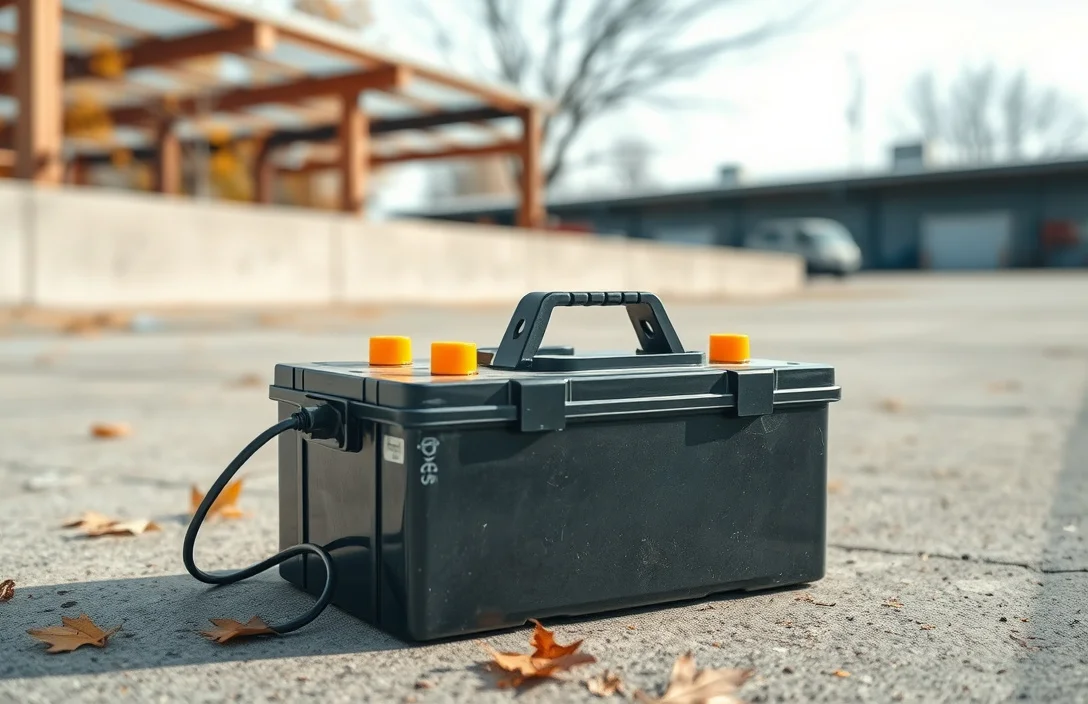
Winter brings moisture and cold, while summer introduces heat and humidity. Cold floors can draw heat away from the battery, but modest indoor temperature differences rarely affect a healthy battery significantly. In humid climates, a damp floor plus vented bottles can speed up corrosion on terminals and clamps. Regularly check the battery during winter and summer to ensure the case stays dry and vent caps remain intact.
If you store a battery in a non-climate-controlled area, expect some small but measurable changes in performance. In winter, find a storage spot where the ambient temperature stays above freezing and the surface remains dry. In summer, ensure adequate airflow to prevent heat buildup. A simple, elevated setup helps mitigate both extremes. The goal is to prevent rapid temperature fluctuations around the battery while it remains idle.
Always use a battery maintainer during prolonged periods of inactivity. A maintainer keeps the surface charge near full, reduces sulfation, and compensates for minor temperature changes. If storing outdoors or in a less-than-ideal workshop, consider a weatherproof enclosure with a vented lid and a tray to contain any leakage. Managing moisture, air movement, and proper charging minimizes concrete’s potential risks.
what to know before you work
Wear gloves and eye protection when handling batteries, especially if a leak is suspected. Corroded terminals and vented gases can irritate eyes and lungs. Ensure the workspace is well-ventilated and free from open flames or sparks; battery gases can be flammable. If you notice swelling, heat, or a strong sulfur smell, stop using the battery and move it to a safe area for inspection or disposal.
Regularly inspect clamps and terminals; loose connections increase resistance and heat. Tighten clamps with a proper wrench to the manufacturer’s torque specifications, but avoid overtightening. Clean corrosion with a baking soda solution and rinse with water, then dry completely before reassembling. If you detect leakage, isolate the battery, neutralize the spill with baking soda, and dispose of the unit according to local regulations. Never pour battery acid down a drain or onto the ground.
Handle batteries with care. Keep a fire extinguisher rated for electrical and chemical fires nearby, and store spare maintenance items like cables and cleaning cloths. A stable, dry, well-ventilated storage area reduces risks and allows for regular battery inspections. The right setup is simple and pays off in reliability and safety.
Testing the battery while it sits on concrete
A fully charged car battery rests at 12.6 to 12.8 volts. Use a digital multimeter to measure the open circuit voltage at the terminals after the battery has been at rest for a few minutes following any recent charging or discharging. A reading above 12.4 volts indicates a healthy charge; below 12.0 volts suggests a discharged condition that could lead to sulfation over time.
If the battery reads between 12.0 and 12.3 volts, perform a load test or a professional check to confirm its health. If a load test shows the voltage drops below 9.6 volts under load, the battery may be nearing the end of its life. For flooded batteries, pairing the voltage reading with a hydrometer test or checking BMS status for LiFePO4 batteries provides a more accurate assessment. Testing on a dry, raised surface yields more reliable results by minimizing the influence of environmental factors like surface moisture.
Keep voltage checks quick and consistent. For flooded batteries, maintain electrolyte levels according to the manufacturer’s recommendations. For sealed AGM or LiFePO4 batteries, monitor BMS indicators and avoid deep discharge. If you have doubts about the results, take the battery to a shop for a professional test. A simple voltage check can often flag potential issues early.
What to do if a battery leaks or swells
If you notice a sulfur smell, visible leakage, or a swollen case, stop using the battery immediately. Isolate it in a well-ventilated area away from living spaces and flames. Neutralize any spilled acid with baking soda and water, then wipe clean and dry before handling. Do not attempt to reassemble or reuse a damaged battery; dispose of it per local regulations and replace it with a compatible unit.
Leaking or swollen batteries present safety hazards beyond the concrete surface. A raised, dry storage surface aids in inspection and containment, but a compromised battery must be removed from the workspace promptly. If unsure how to dispose of the unit, contact your local recycling center or automotive shop for instructions. Avoid exposure and treat the battery as hazardous waste.
Concrete does not pose the primary risk; moisture and heat control are essential. A dry, raised surface with regular checks keeps your battery healthy and safe in most US garages. If establishing a storage area from scratch, invest in a simple rack and tray setup, maintain ventilation, and test the battery regularly. This approach minimizes risk and keeps you moving without concern about the floor.
FAQ
Can a concrete floor cause a battery to discharge faster?
A concrete floor can influence moisture and temperature exchange, but it does not actively discharge a healthy battery. The effect is mostly environmental, not electrical, and is minimal if the space is dry and stable.
Does concrete damage a battery through contact?
Concrete itself does not damage a battery when the surface is clean and dry. Problems arise from moisture, spills, or leaks reaching terminals and clamps.
Should I use a tray or rack for storage on concrete?
Yes. A dry tray or raised rack keeps moisture away from the case, improves airflow, and helps catch leaks if a vent opens.
What’s the best way to store a battery temporarily on concrete?
Store it on a raised, dry surface, away from sunlight and heat sources, and use a vented tray to contain any leaks. Check the battery voltage weekly during storage.
What if I notice leakage or swelling?
Stop using the battery immediately, isolate it from the workspace, neutralize any acid spill with baking soda, and dispose of the unit per local regulations. Then replace it with a battery that matches your system.
The next step: establish a dry, raised storage area with a battery tray, check for moisture, and perform a quick voltage check after a week of storage.

- 10 Best Battery For Generator Battery Safety System 2026 - October 12, 2026
- 10 Best Battery For Generator Battery Safety Option 2026 - October 12, 2026
- 10 Best Battery For Generator Battery Safety 2026 - October 12, 2026