Can A Car Battery Get Wet? Safety Steps And Damage Inspection
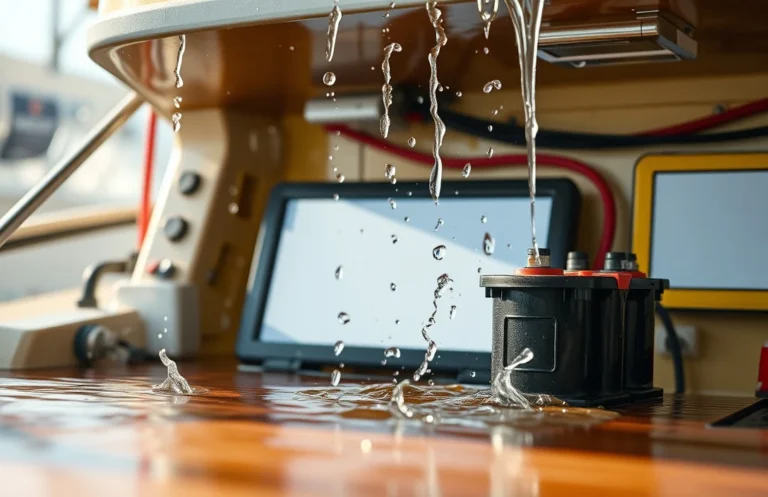
Yes. A car battery can get wet, but exposure matters. Light splashes or rain on a well-sealed unit are less alarming than submersion or prolonged exposure in floodwater. Water reaching terminals or entering through compromised seals causes corrosion and electrical faults. If water touches the battery, power down the vehicle, dry the exterior, and inspect before restarting.
Key Takeaways
- Immediate danger. Immersion can cause short circuits and electrolyte leakage that damage the battery and surrounding components.
- Exposure tolerance. Sealed AGM batteries handle minor splashes better than flooded units, but neither is truly submersible.
- Power-down first. If the battery is wet, turn off the vehicle and disconnect the negative terminal if it’s safe to do so.
- Drying helps, not guarantees. Exterior drying is essential, but internal damage may persist and require replacement.
- Replace on signs. Swelling, leakage, or heavy corrosion means the battery should not be reused.
- Inspect before reuse. After any water exposure, inspect terminals, case integrity, and protective seals thoroughly.
How car batteries react to water
Recommended Products


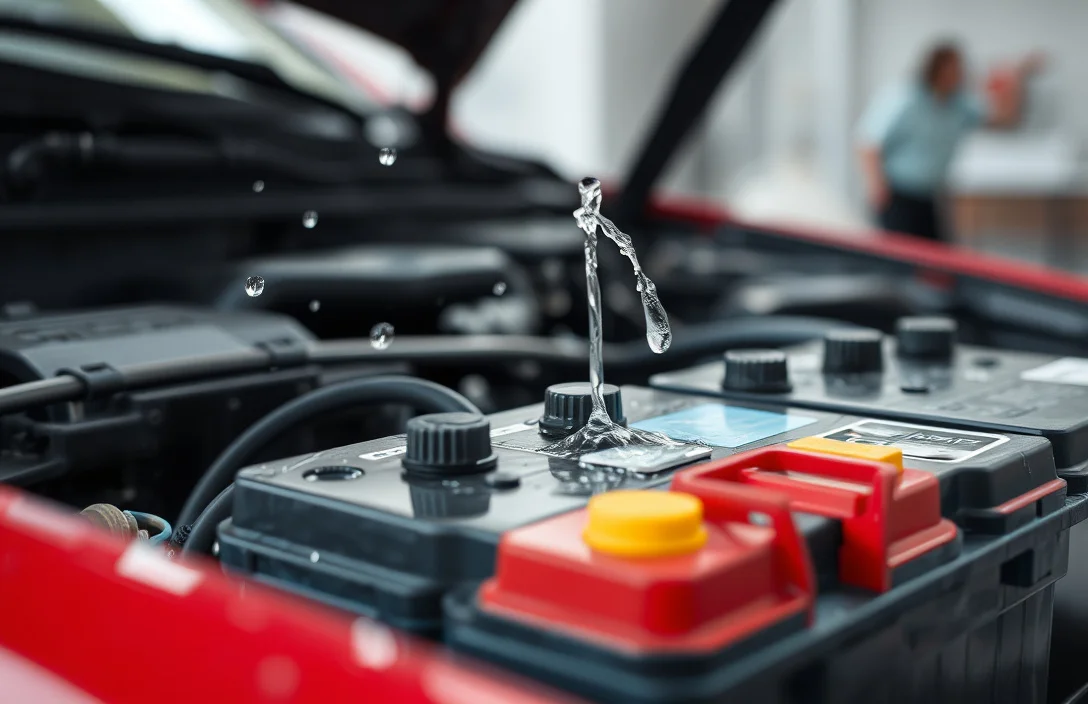
Car batteries are usually flooded lead-acid or AGM (absorbed glass mat). Water intrusion in flooded cells causes electrolyte loss, corrosion of plates, and seal damage. When the electrolyte boils or vents, hydrogen gas can be released, creating a safety risk in confined spaces or during charging. AGM batteries are sealed, so they resist splashes and don’t vent as freely; however, water can still damage seals, terminals, and internal moisture balance if it enters the case. A light rain splash is unlikely to ruin an AGM, but submersion or heavy contamination is a different story.
Immersion remains the primary threat. Submerged batteries can develop internal short circuits, corrode terminals, and lose electrolyte concentration. Damage may show up quickly as failure to start, slow cranking, or erratic voltage. Other damage may take hours or days to appear, especially if the water is dirty or contains contaminants that accelerate corrosion. Treat water exposure as a potential safety and reliability incident, not a routine maintenance event.
Water exposure is a spectrum. Light splashes in clean conditions are less worrisome than a full dunk in floodwater. The key factor is whether water can reach the internal plates, seals, or venting paths, and whether it introduces contaminants or causes corrosion on exposed metal parts. After any significant water contact, inspect, dry, and test before relying on the battery again.
| Battery Type | Immersion Tolerance | Common Failure Modes | Safety Notes |
|---|---|---|---|
| Flooded lead-acid | Low | Electrolyte leakage, corrosion, plate damage | Venting can occur during charging; avoid charging if wet |
| AGM (sealed) | Moderate | Terminal corrosion, seal damage, moisture intrusion | Less prone to venting, but water entry can compromise the pack |
| Lithium-based 12V starter (rare in modern cars) | Low to moderate | Internal shorting, BMS confusion, thermal risk | High voltage systems demand professional handling |
In practice, most everyday rain and road splash won’t guarantee failure in AGM batteries, but heavy flood exposure or submersion is a red flag. Assume water can access the interior, and the safest outcome is replacement rather than reusing a potentially compromised unit. The goal is to avoid a failed start, a melted fuse, or a dangerous electrical arc.
Immediate safety steps if a battery gets wet
First, safety and preventing further damage. Power down the vehicle, remove the key, and keep people and pets away from the battery area until you’ve assessed the risk. If you can do so safely, disconnect the negative terminal to prevent a potential short while you inspect the exterior. Never disconnect while the system is live or while you’re standing in water or wet areas.
Wipe away surface moisture with a dry, lint-free cloth. Do not use heat to dry the battery, and avoid rubbing hard on corrosion-prone terminals. If you notice corrosion or white or blue-green deposits on terminals or clamps, plan for terminal cleaning with a dedicated battery cleaner and a non-metal brush after the unit has dried. If the case shows cracking, bulging, or signs of electrolyte leakage, treat the battery as compromised and replace it rather than attempting a field repair.
Also check surrounding components. Water can affect the alternator belt, cables, and connectors near the battery. Look for corrosion on clamps, frayed insulation, or dampness in the battery tray. If a flood event occurred, dry the tray and ensure the battery sits on a dry, stable pad. If you must transport the battery, keep it upright, shielded from water, and secure it to avoid jostling that could worsen internal damage.
What to do next, quickly:
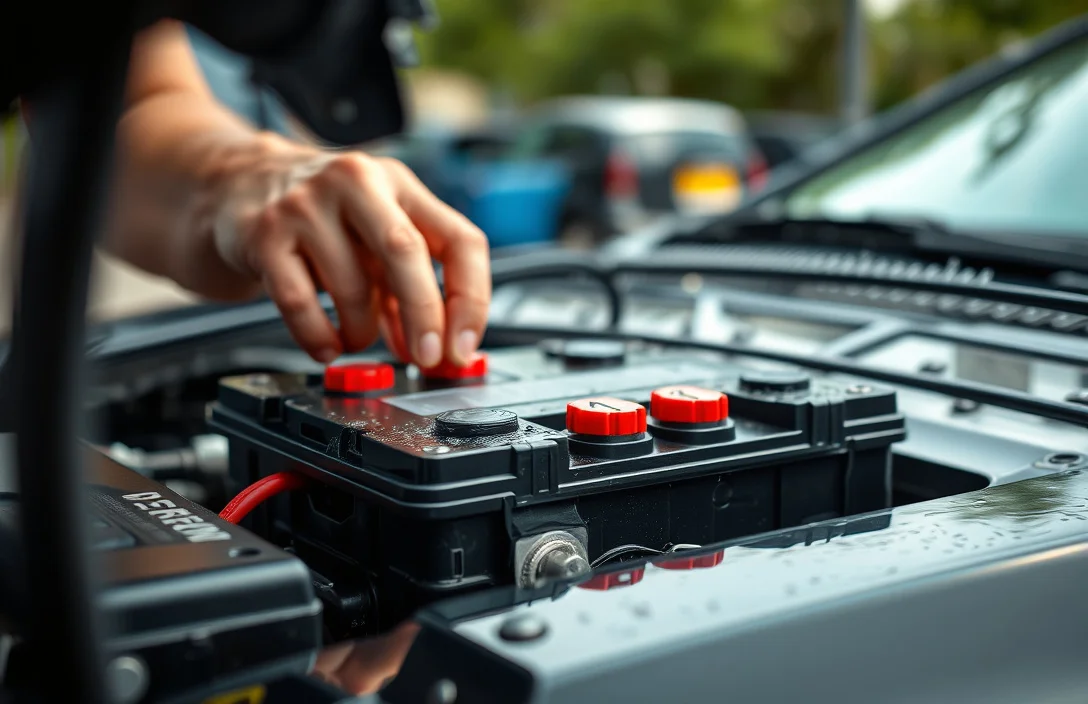
- Inspect visually for cracks, bulges, or leaks.
- Dry the exterior thoroughly and blot moisture from terminals.
- Do not attempt to start the car until you’ve confirmed good terminal connections and a dry, clean path for the electrical system.
- If you notice any corrosion or swelling, replace the battery.
- If the battery is part of a larger water exposure event (like a flood), have the vehicle inspected by a qualified technician before returning to service.
In short, safety comes first, and water exposure signals you to pause, dry, and inspect rather than rush toward another start attempt. A wet battery is a potential fire and short-circuit hazard, even if the exterior looks fine.
Inspecting damage and what to look for
After a wet battery, focus on exterior condition and functional readiness. Exterior trouble signs are the most obvious: corrosion on terminals or clamps, a swollen or cracked case, or electrolyte leakage at seals. Any of these means the battery should not be reused. Even if the battery looks intact, hidden damage to internal plates or separators can reduce capacity and reliability.
Test voltage with a multimeter only after the battery has dried completely. A healthy 12-volt car battery should read around 12.6 volts at rest; significant deviation or erratic readings indicate compromised cell balance or an internal short. Do not attempt to recharge a battery showing leakage or swelling. Charging a damaged battery can accelerate failure or cause a fire. If the voltage is within the normal range but cranking remains slow or weak, have a professional load test performed.
Essential Tools for Managing Wet Car Batteries

Battery Restorer and Desulfator for Lead Acid – Prolong Life & Boost Charge Capacity, Battery Acid Refill and Additive for Golf Cart, RVs, Bikes, ATVs, Car 64oz
The Battery Restorer and Desulfator helps maintain optimal battery performance even if exposed to moisture, ensuring longevity and improved charge capacity.

CRC 05023 Battery Cleaner with Acid Indicator – 11 Wt Oz.
CRC 05023 Battery Cleaner effectively removes corrosion and acid buildup, which can occur if a battery gets wet, helping to maintain battery health.
Practical checklist:
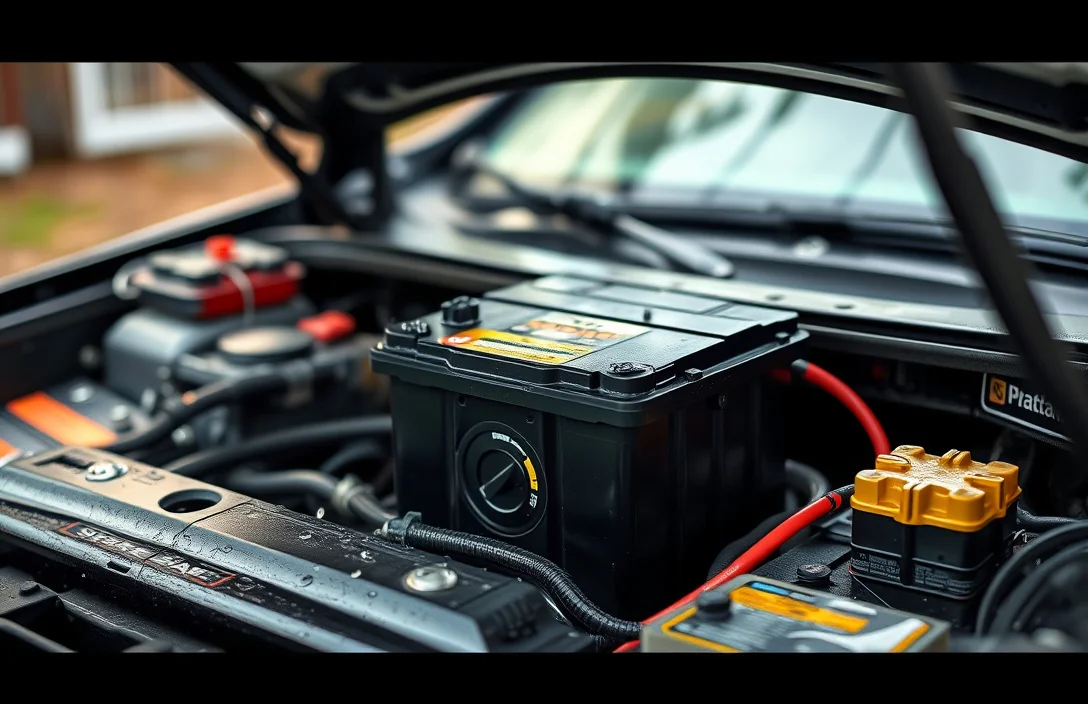
- Terminal condition: Are clamps tight and corrosion-free? Any greenish or bluish residue? If yes, clean or replace.
- Case integrity: Any cracks, bulges, or swelling? If yes, replace.
- Electrolyte status: Any visible leakage? If yes, replace.
- Electrical tests: Does the car start reliably after drying and remounting? If not, treat as potential internal damage.
Reserve judgment until exterior cleanup is complete, terminal integrity is verified, and a stable voltage reading is confirmed. If in doubt, replace. A failed battery is inconvenient; a damaged one can be dangerous.
| Option | Why it helps | Price | Link |
|---|---|---|---|
| LotFancy Battery Terminal Cleaners (2 pcs), Plus 12 pcs Battery Terminal Anti-Corrosion Fiber Washers (6 Red & 6 Green) for Car Marine RV | These terminal cleaners help ensure clamps are corrosion-free, promoting better battery performance and longevity. | Check price | View → |
| Battery Terminal Cleaner Tool Kit, 2-Pack Battery Post Wire Brush with Metal Case and 10 Anti-Corrosion Fiber Washers (5 Red & 5 Green) for Car, Truck, RV and Marine Batteries | This tool kit includes brushes and anti-corrosion washers to maintain clean and secure battery terminals. | Check price | View → |
EVs and 12V batteries
Electric vehicles bring a different risk profile. The high voltage traction battery pack uses extensive safety features, enclosure barriers, and a battery management system (BMS) to prevent short circuits. Water that penetrates the pack housing is a serious issue and generally requires professional assessment. The 12V auxiliary battery in many EVs uses lead-acid or AGM chemistry and shares some risk with conventional cars, but the consequences of water entry differ because of the higher system voltage and controlled charging environment.
In conventional cars, flooding is more likely to impact the 12V starting battery and accessory circuits. AGM batteries resist splashes better than flooded types, but terminal corrosion and moisture intrusion can still occur if water finds its way into the battery tray or electrical connectors. For all vehicles, if you suspect water has touched the battery area, avoid driving and seek service to confirm there is no hidden damage to the BMS wiring, fuses, or connectors.
The safe approach is conservative: treat any water exposure near electrical components as a potential problem. The vehicle’s electrical system is designed to keep high voltage isolated, but a compromised connection can cause unpredictable behavior, including non-start conditions or warning lights. If unsure, contact your dealer or a qualified automotive technician to perform a safe inspection and, if needed, a battery health check.
Drying, testing, and reusing a wet battery
Drying a wet battery is not the same as restoring it. Exterior drying removes surface moisture, but it doesn’t fix internal damage. After drying, perform a voltage check and, if you have the equipment, a battery capacity test or load test. If the voltage is in the acceptable range and there are no signs of corrosion or leakage, you can reassemble and attempt a cautious restart. If there is any doubt about the battery’s condition, replace it rather than risk a breakdown.
The safe path after any water exposure is to replace a battery when there are signs of internal damage, swelling, or loss of capacity. Replacement cost depends on your vehicle’s make, model, and battery type; compare a few options and choose a compatible, high-quality unit. Before reinstalling a reconditioned battery, have it tested by a technician to confirm reliability and safety.
To minimize risk, keep a dry storage space for spare batteries, check the battery tray sealing, and inspect the weather seals near the engine bay periodically. A simple routine can prevent many water-related issues and keep your vehicle reliable.
Prevention and best practices
Prevention is simpler than repair. Keep the battery area dry, clean, and well-sealed. During heavy rain, avoid parking where water can pool around the engine bay. After driving through heavy rain or flood, inspect the battery terminals and clamps for corrosion and ensure there’s no moisture in the tray. Regular maintenance checks, including terminal cleaning and corrosion prevention, can extend the battery’s life and reduce water-related safety risks.
Practical steps:
- Inspect seals around the battery compartment every six to twelve months.
- Clean terminals with a dedicated cleaner and a soft brush to remove corrosion.
- Keep the battery tray dry and ensure the battery sits on a dry surface.
- Replace damaged or swollen batteries promptly.
- If you’re in a flood-prone area, consider a professional check after a flood event to assess water intrusion in the electrical system.

Helpful pick
Patravious 2026 NEW Tools 8PCS Battery Service Kit, CR-V Battery Maintenance Kit, Battery Tools,Battery Terminal Cleaner, Car Battery Cleaner Kit, Tools Suitable for Car Repair and Battery Maintenance
This battery service kit includes tools for cleaning terminals and maintaining your battery effectively.
Signs you need to replace and what to expect during replacement
Swelling, leaks, corrosion, and frequent hard starts are red flags that a battery may need replacement. If the battery fails to hold a charge after drying and testing, replace it. Replacement intervals depend on climate, usage, and battery type, but modern AGM units tend to last longer than flooded designs and may resist minor splashes better. Choose a battery that matches your vehicle’s specifications and climate needs. A properly sized battery with correct Cranking Amps (CA) and Reserve Capacity (RC) ensures dependable starts, especially in cold weather.
Replacement is usually straightforward for a professional, and many shops can do it quickly. If you’re comfortable doing it yourself, follow your vehicle’s owner manual for the exact procedure. Always recycle the old battery according to local regulations. The most reliable outcome comes from using a certified battery and ensuring all connections are clean, tight, and corrosion-free.
FAQ
Can I still drive if my battery is wet?
A small amount of surface moisture on a dry exterior shouldn’t prevent driving, but if you see corrosion, swelling, or erratic behavior, stop and have the battery inspected. A wet battery can be a safety hazard, and driving with compromised hardware can cause a breakdown.
Will rain ruin my car battery?
Rain exposure to an AGM battery that’s in good shape and properly sealed is unlikely to cause immediate failure, but water intrusion through seals or wiring can lead to corrosion and short circuits. Always dry and inspect after heavy rain.
How do I know if a wet battery is damaged?
Look for swelling, cracking, or electrolyte leakage on the case, plus corrosion on terminals. Test the resting voltage with a multimeter; anything under about 12.4 volts indicates reduced capacity or damage and warrants replacement or professional testing.
What should I do right away if the battery gets submerged?
Do not attempt to start the car. Turn off the power, disconnect the negative terminal if safe, dry the exterior, and have the battery professionally inspected for internal damage and electrolyte leakage before reuse.
Is replacement expensive?
Costs vary by battery type, vehicle, and shop, but a typical replacement involves the cost of a quality unit plus installation. If the battery is damaged by water exposure, expect replacement rather than repair, especially if swelling, leakage, or significant corrosion is present.
Practical verdict: water exposure is not trivial for a car battery. Treat any wet contact as a safety signal, dry and inspect, and replace if you detect damage. When in doubt, rely on professional evaluation to protect your vehicle and safety. If you’re planning for storm season or flood-prone days, keep a spare, dry battery on hand and schedule a post-event check to verify everything remains in good working order.

- 10 Best Battery For Generator Battery Safety System 2026 - October 12, 2026
- 10 Best Battery For Generator Battery Safety Option 2026 - October 12, 2026
- 10 Best Battery For Generator Battery Safety 2026 - October 12, 2026