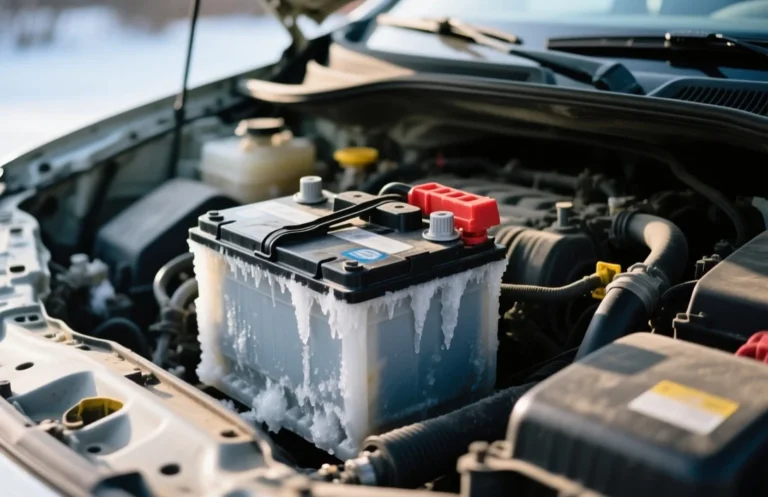
Can A Bad Altern Can Drain A New Battery?
Yes. A bad alternator can drain a new battery, especially if the regulator or diodes fail and create a reverse-current path or keep the charging circuit out of spec. If the regulator sticks in a mode that keeps the alternator drawing current from the battery after the engine is off, the battery will slowly lose voltage. A shorted diode can create a path for current drain when the engine is off, pulling power from the battery instead of feeding it back.
In practice, the drain is usually small enough to go unnoticed during short parked periods, but it becomes significant after 24 hours or more. If a car sits for a weekend and the battery is dead, a failing alternator is one plausible culprit. The common pattern is a discharged battery after the car hasn’t run for a while, with other parasitic drains ruled out by a quick test.
When you test, you’re looking for where the problem begins. A healthy alternator stops drawing current from the battery once the engine is off. A faulty one may continue to pull current or fail to allow the battery to recharge to its resting voltage after a drive. The distinction points to regulator or diode problems versus a parasitic drain.
For example, a car runs fine and starts reliably for days, then fails to start after sitting; that pattern signals the charging circuit isn’t replenishing properly. The alternator isn’t meeting its job during operation, or it’s letting the battery discharge when idle. The result is a new battery that doesn’t stay charged because the charging system isn’t doing its job.
Key Takeaways
- – Voltage when running. A healthy system sits in the 13.8-14.4 V range; anything consistently below or above signals a charging problem.
- – Battery discharge while idle. If the battery loses charge within 24-72 hours of sitting, parasitic or charging issues are both on the table.
- – Alternator light behavior. A lit or flickering dashboard light often points to regulator or wiring faults rather than a pure battery issue.
- – Test first, replace second. A bench test or on-vehicle tests before replacing parts saves time and money.
- – Replace with matching parts. If you need to replace, install a compatible alternator with the correct OE rating and a fresh battery to avoid a repeat problem.
How an Alternator Charges the Battery
Recommended Products


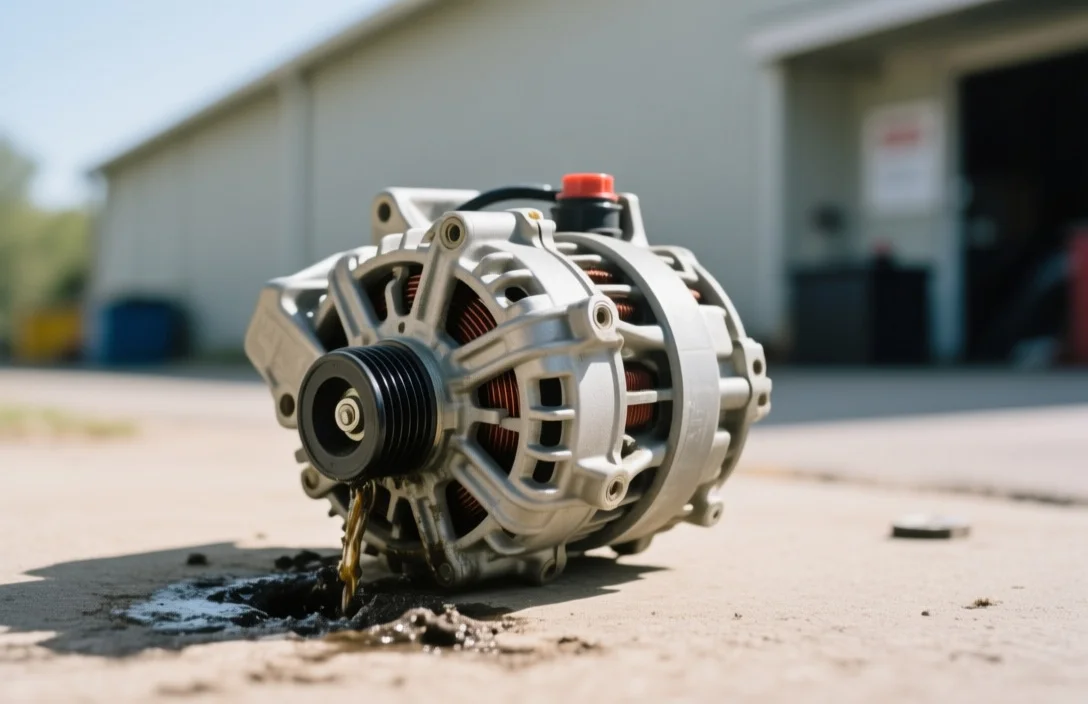
The alternator is the engine’s charging powerhouse. It generates AC, the rectifier converts it to DC, and the voltage regulator keeps the output within a safe window for the battery and electrical system. In normal operation, the engine-run charging voltage sits around 13.8-14.4 V. The battery is topped off while the car runs and powers loads like lights, infotainment, and ignition. The battery is a buffer that absorbs the alternator’s output and serves the vehicle’s electrical needs.
Voltage regulation is the key. The regulator senses battery voltage and adjusts the field current to keep the output stable. A healthy regulator prevents overcharging, which would boil water in flooded lead-acid cells, and undercharging, which would leave the battery underpowered. Modern cars use a multi-stage charging approach: bulk charging to restore capacity, absorption topping to finish the job, and float maintenance to hold voltage without stressing the battery.
Three failure modes explain why a battery might complain after a drive. First, worn brushes or a slipping belt reduce output. Second, a failing regulator can cause voltage to drift up or down, undermining charging efficiency. Third, a damaged rectifier diode pack can fail to convert AC to DC properly or create a reverse-current path that drains the battery when the engine is off.
For illustration, imagine the alternator producing 14.0 V under load, then a regulator fault causes the output to sag to 12.5 V during engine idle. The battery wouldn’t be fully charged after parking, and after several drives this undercharging becomes chronic. Conversely, an overcharging condition can rapidly degrade a new battery by boiling electrolyte or causing heat buildup.
The charging system is a two-way street: it provides current to the battery and accepts current to moderate the state of charge. A healthy system maintains battery voltage around 12.6 V with the engine off and 13.8-14.4 V with the engine running. Exact values vary by vehicle and battery chemistry, but the principle holds.
Signs a Failing Alternator Drains the Battery
Recommended Products


Look for a pattern, not a single fluke. A failing alternator often presents overlapping symptoms. The dashboard charge light is usually the earliest signal, but a light that flickers or stays on during normal operation is a red flag. Dim or uneven lighting, especially at night, signals the electrical system isn’t delivering enough current. If the car starts normally after a jump but dies again after a short drive, the alternator may not be recharging the battery properly.
Another tell is battery voltage that lags behind expected levels after starting or while driving. When the engine runs, you should see roughly 13.8-14.4 V across the battery terminals. If the voltage sits below 13.0 V under load or falls toward 12.4 V at idle, the alternator could be underperforming. A battery that appears new but dies after a day or two of inactivity is another classic sign. It suggests the charging path isn’t replenishing the battery stores as the car sits.
For example, headlights dim during acceleration or the radio cuts out briefly at high engine load. Those are symptoms of reduced current delivery, which, over time, increases the risk of a dead battery after a quick stop or a longer drive. Correlating multiple signs with a quick check of the charging voltage is the fastest way to separate alternator issues from a pure battery problem.
Parasitic drains are another common source of confusion. If a device or accessory draws current when the car is locked and asleep, it can mimic a charging system fault by depleting the battery overnight. The difference is a parasitic drain persists even when the engine runs and the alternator is delivering power. Distinguishing between these two scenarios is essential for an accurate diagnosis.
Testing the Charging System With a Multimeter
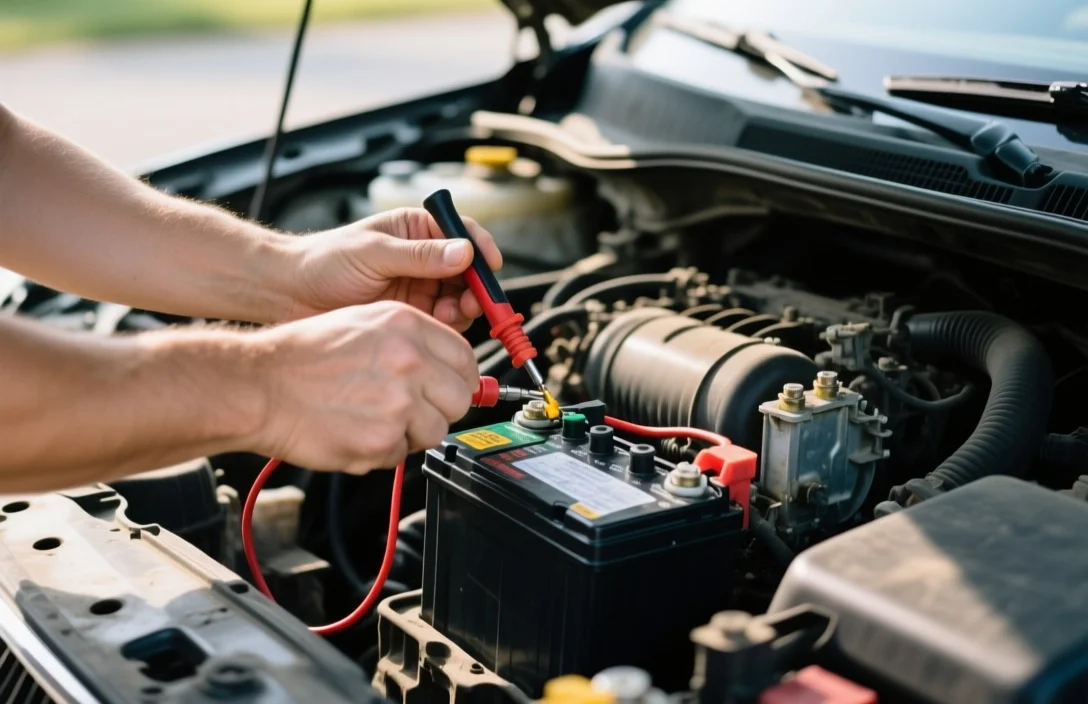
Start with batteries in good condition and disconnect nonessential loads for a clean baseline. With the engine off, a healthy battery should read around 12.6 V to 12.8 V. If the voltage is significantly lower, charge the battery fully and retest. A reading consistently above or below this range indicates a charging or battery fault that needs attention.
With the engine running, check the charging voltage at the battery terminals. A healthy alternator will push voltage into the 13.8-14.4 V window. If you see 12.6-13.2 V, the alternator is not charging adequately. If you see above 14.8 V, the regulator may be overcharging, which can damage the battery. In both cases, the problem isn’t a parasitic drain but a charging system fault that requires further diagnosis.
A practical test is to measure the alternator output while applying a modest electrical load (headlights, AC, fans) and watching the voltage. It should stay within the 13.8-14.4 V range. A drop below 13 V under load signals a weak alternator or a slipping belt. A sudden spike above 15 V indicates a regulator failure. These are concrete readings you can verify with a standard digital multimeter.
When you’re done with the quick voltage checks, a current test strengthens the diagnosis. If you can access the alternator output terminal fuse or the alternator itself, measure the output current under idle. A typical small to mid-size car will deliver 50-100 A peak during charging, depending on engine speed and electrical load. A significantly lower value implies weak charging capacity or an underperforming alternator.
Table: representative charging voltage checks
| Condition | Expected Voltage | Meaning |
|---|---|---|
| Engine off | ~12.6-12.8 V | Battery is fully charged; no charging occurs when engine is off |
| Engine running, no load | 13.8-14.4 V | Alternator charging normally |
| Engine running, load applied | 13.8-14.4 V | Charging remains within normal range under load |
| Engine running, voltage >14.8 V | Overcharging risk | Regulator fault or alternator issue |
| Engine running, voltage <13.0 V | Undercharging | Weak alternator or belt/slip issue |
In practice, the test results tell you if the problem is the alternator, the belt, or something outside the charging path. If the numbers are clean under load, the battery itself is likely the primary issue or there’s a parasitic drain elsewhere. The multimeter is the most direct way to separate these causes without guessing.
Parasitic Drain Versus Charging System Failure
Parasitic drain is current drawn from the battery when the car is off, independent of the engine’s charging state. Common culprits include interior lights, trunk lights, or one of the vehicle’s ECUs waking up periodically. A healthy car should draw only a few milliamp hours in sleep mode; a drain above 20-40 mA is worth chasing down. If the battery dies overnight or after a few days of sitting, a parasitic drain is a real possibility.
Charging system failure means the alternator isn’t replenishing the battery while the engine runs. The symptoms surface while driving: a gradual loss of charge, the battery light, or voltage readings that don’t meet the 13.8-14.4 V target under load. The crucial diagnostic step is to separate when the drain occurs. If a car runs fine but dies after sitting, you’re looking at a charging fault or a parasitic drain; if it dies while driving or won’t recharge after a drive, the alternator is the prime suspect.
To tell the difference, perform two quick checks. First, test the battery voltage with the engine off and after a cold soak; then start the car and watch the voltage while revving the engine to about 2,000 RPM. If the voltage doesn’t rise to at least 13.8 V under load, the alternator is not charging properly. If the battery voltage drops when the car is off but reads normally after a short drive, there’s likely a parasitic drain at work. The key is timing and correlation: when did the problem start, and does it occur with or without the engine running?
For example, a car that starts reliably after a jump but dies after 48 hours parked usually has an ongoing parasitic drain or a charging failure that prevents the battery from maintaining its resting voltage. When you see the battery light come on while driving, that’s an obvious hint that the alternator is not feeding the system correctly. The next step is a targeted test of the charging path plus a parasitic-current check with the engine off.
Gear That Makes Can a bad alternator drain a new battery? Easier

OPTIMA® Batteries High Performance D35 YELLOWTOP® Dual Purpose Sealed AGM Car, Truck and SUV Battery, 620 CCA, Maintenance Free, Versatile Mounting
A helpful pick for can a bad alternator drain a new battery?.
Steps to Diagnose an Alternator Related Battery Drain
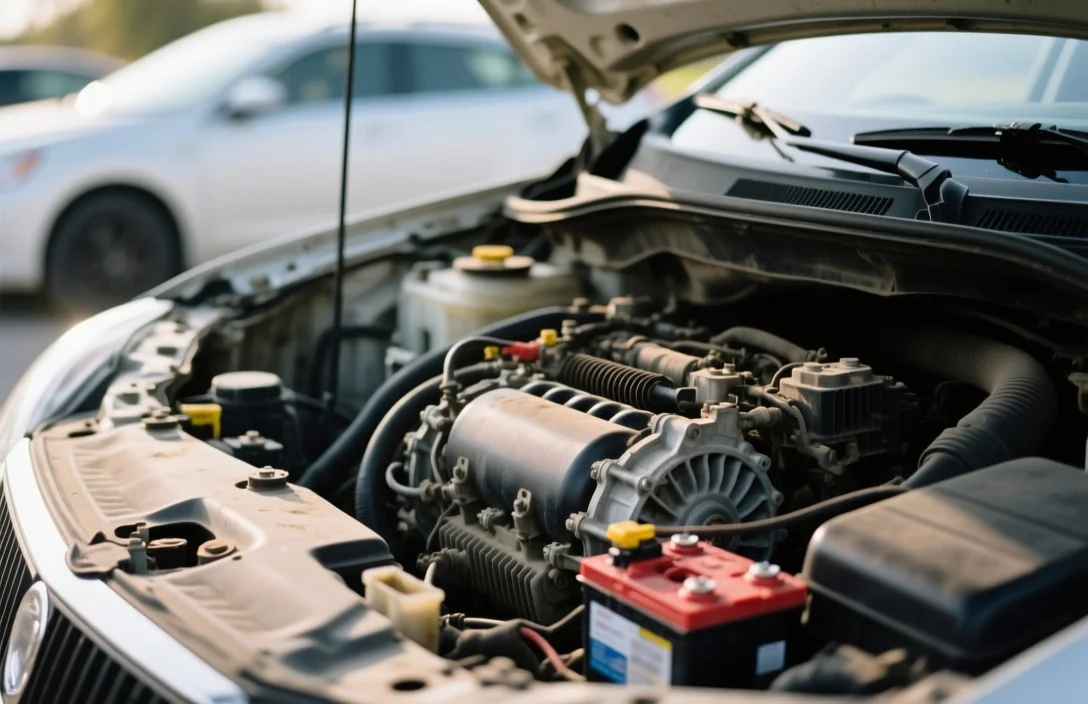
1) Start with a full battery and clean terminals. Corrosion can mimic or mask charging issues. Clean with a baking-soda solution and a soft brush, then retest. Ensure the battery is securely clamped to prevent vibration that can affect readings. A fresh connection makes the tests reliable.
2) Measure battery voltage with the engine off. A healthy battery reads around 12.6 V to 12.8 V. If it’s significantly lower, charge the battery fully before re-testing. A persistently low reading points to battery weakness or an unresolved parasitic drain. A fully charged battery is the baseline for the rest of the tests.
3) Start the engine and measure voltage at the battery terminals. Look for 13.8-14.4 V under normal operation. If the reading is below 13.0 V, the alternator is not charging adequately. An overrange reading above 14.8 V signals a regulator fault that can stress the battery. These readings directly indicate the charging path.
4) Apply a load and recheck. Turn on headlights, AC, and the rear defroster. The voltage should stay within 13.8-14.4 V. A drop to 13.0 V or lower under load means the alternator is not delivering enough current to sustain the loads. If it holds around 12.6 V, the alternator is not charging even with the engine running.
5) Check for parasitic draw while the car is off. Disconnect the negative battery cable and place a 10 A or higher-rated ammeter in series. A typical parasitic drain should be under 50 mA; anything above indicates a device or ECU waking up or a short path. Isolate each circuit one by one if you see a high drain.
6) Perform a quick belt and pulley check. A slipping or worn drive belt reduces alternator output. A simple visual inspection plus a belt tension check can explain why the alternator isn’t delivering full output. If the belt is loose or glazed, replace it and re-test the charging voltage.
7) If the tests point to the alternator, bench-test or professional testing is advisable. A shop can load-test the alternator and check the internal diodes, windings, and regulator under controlled conditions. A failed unit typically requires replacement or refurbishment.
8) Confirm the battery’s health after replacing or repairing the charging path. Even a good alternator can’t recover a damaged battery. If a new or near-new battery fails to hold charge after a confirmed charging fix, replace the battery and re-check the system to ensure no new issue arises.
In practice, the diagnostic path is linear: rule out the battery, rule in the charging path, and then isolate any parasitic drains. The most decisive tests are the voltage readings with engine off and under load with the engine running. When those numbers fall outside the expected ranges, you’ve found the likely fault.
Repair or Replace the Alternator and Battery
Repairing an alternator is feasible in some cases, but many issues are symptoms pointing to the need for replacement. Worn brushes, a slipping belt, or a bad regulator can sometimes be repaired, but long-term reliability is often best served by a replacement with a unit that matches the vehicle’s specifications. If the battery is new but repeatedly discharges, you should not assume the problem is simply a battery fault; a charging system assessment is essential before deciding on a replacement strategy.
When deciding between repair and replacement, consider reliability, warranty, and cost. A rebuilt or remanufactured alternator may be cheaper, but it can carry a shorter warranty and variable reliability. A new OE-equivalent unit typically offers longer warranty and predictable performance, but at a higher upfront cost. The battery’s health should also factor into the decision; continuing to rely on a weak or mischarged battery accelerates wear on new components.
A practical approach: if diagnostic tests show the regulator or diode pack is failing, replace the alternator. If the battery shows signs of sulfation or repeated deep discharge, replace the battery as part of the same plan. After replacement, recheck the charging voltage and perform a parasitic-drain check to confirm the problem is resolved. This sequence minimizes the risk of a repeat battery discharge.
The practical takeaway is simple: address the charging path first, then treat the battery. If the alternator fails and you continue to use an old battery, you’ll be back here sooner rather than later. A matched set – a new battery plus a reliable alternator – will deliver the most predictable results and prevent repeat failures.
| Option | What it covers | Pros | Cons |
|---|---|---|---|
| Repair the alternator | Fixes worn brushes, regulator, or diodes | Lower upfront cost (sometimes) | Reliability uncertain; not always possible |
| Replace the alternator | Install a new or remanufactured unit | Longevity and warranty often better | Higher upfront cost |
| Replace the battery | Eliminates a failing battery as cause | Immediate reliability boost | Battery may still fail if charging path is bad |
The decision hinges on your car, your budget, and how confident you are in the diagnostic results. If in doubt, start with a controlled test: verify battery health, confirm charging voltage under load, and rule out parasitic drains. Then decide whether to repair or replace based on the test findings and the vehicle’s age.
FAQ
Can a bad alternator drain a brand-new battery even if the car runs fine?
Yes. A bad alternator can pull current from a new battery when the engine is off or fail to recharge it properly while running, leading to a dead battery after sitting.
How long should a healthy alternator take to recharge a near-empty battery after a drive?
Recharging from a near-empty state typically takes a short drive, 20-45 minutes under normal conditions, with the engine running and a load applied. If the battery remains low after a reasonable drive, the alternator may be faulty.
What’s the most common sign of a failing alternator?
A dim or dimming dashboard warning light, often paired with a voltage reading below 13.0 V when the engine runs, is the most common early sign. The light may illuminate gradually as the fault progresses.
How do I test the charging system with a multimeter?
Measure battery voltage with the engine off (about 12.6 V). Start the engine and measure again; it should rise to 13.8-14.4 V under load. A consistent reading outside these ranges indicates a charging fault.
Is parasitic drain or a bad alternator more likely to cause a dead battery after sitting?
Parasitic drain is a frequent cause of a dead battery after sitting, but a bad alternator can also cause failure to recharge or an ongoing drain when the engine is off. Both scenarios should be tested to locate the actual cause.
In the end, the simplest, most reliable path to a fix is a careful voltage check, a quick parasitic-draw screen, and a targeted test of the alternator’s output under load. If you’re seeing voltage drift outside the normal range or a persistent drain after the car sits, you’re looking at a charging system fault or a parasitic path that needs repair. Replace the faulty component, verify the system returns to stable operation, and you’ll avoid a repeat discharge.

- 10 Best Battery For Generator Battery Safety System 2026 - October 12, 2026
- 10 Best Battery For Generator Battery Safety Option 2026 - October 12, 2026
- 10 Best Battery For Generator Battery Safety 2026 - October 12, 2026