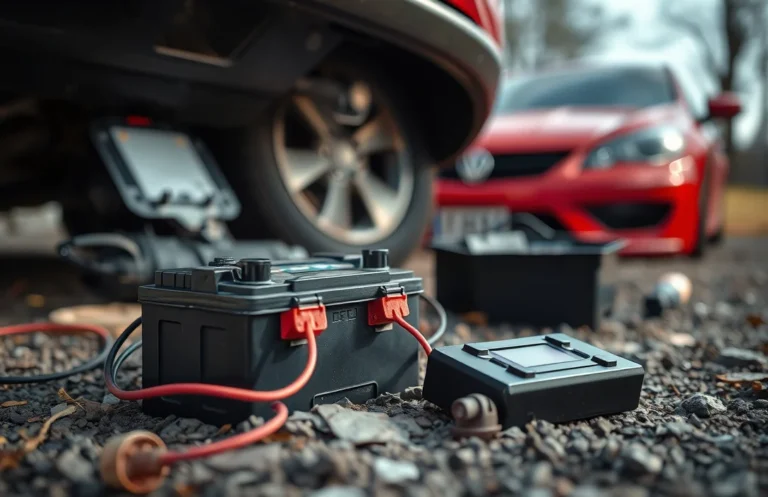
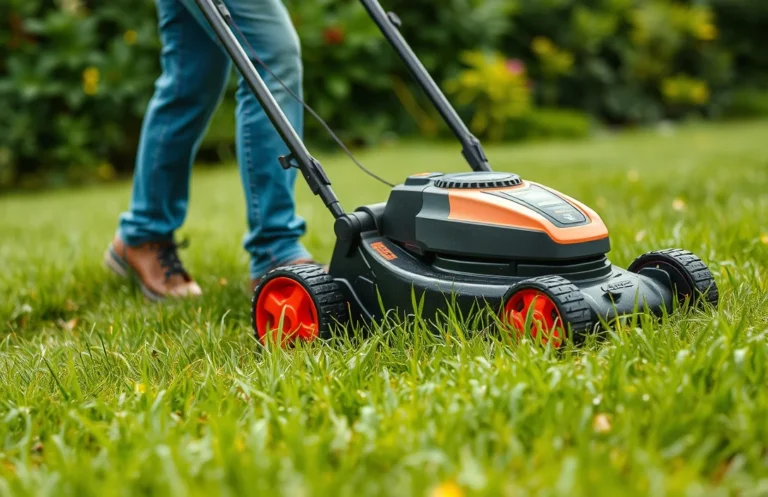
Can You Jump A Mower Battery With A Car?
Yes. You can jump a mower battery with a car, provided the mower uses a standard 12V lead-acid battery, and you follow safety steps, use heavy-duty jumper cables, and assess the battery’s condition. A car’s electrical system can deliver the surge needed to crank a dead mower, but mismatched batteries, incorrect connections, or damaged batteries can cause sparks, acid exposure, or component damage. Treat this process as a critical test of the mower’s electrical health.
Use proper, high-current cables, connect them in the correct order, and stop if you see signs of a swollen or leaking battery. The car should provide a controlled burst of power, and avoid backflow into the mower’s electronics. If you’re uncertain, consider a portable jump starter or seek professional help.
Key Takeaways
- Battery type. Most mower batteries are 12V lead-acid; other chemistries require different handling.
- Cable rating. Use cables rated 4 AWG or thicker with ~400 A peak for a safe, effective jump.
- Grounding rule. Attach the negative clamp to a solid metal surface on the mower, not the battery terminal.
- Safety steps. Turn off engines, remove keys, and set brakes before connecting cables.
- Cranking time. Limit cranking to 5-10 seconds; wait at least a minute before retrying.
- If it fails. Stop, inspect battery condition, cables, and connections; do not force a start.
How a car jump-start affects a mower battery
Recommended Products


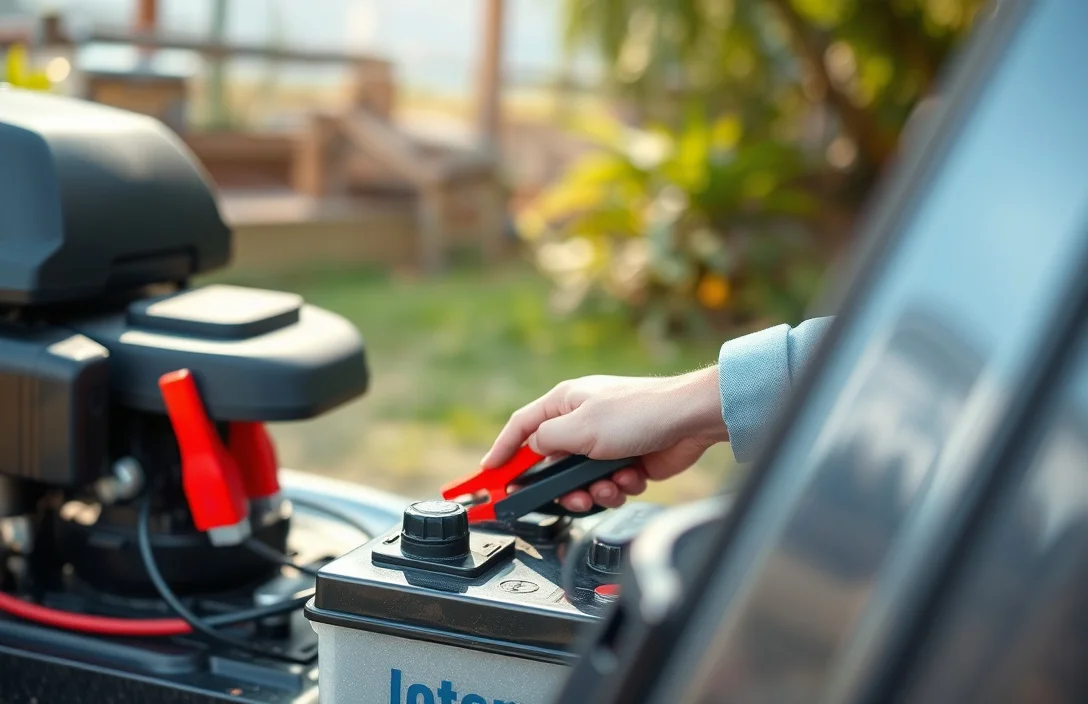
A mower battery is a compact power source, typically 12V, designed to deliver a short, high current to the starter. When a car’s 12V system connects through jumper cables, that surge can help overcome a deeply discharged cell and activate the mower’s starter. The car’s alternator only comes into play after the mower starts, making the initial surge a one-way push from the car to the mower. If the mower’s battery is swollen, leaking, or damaged, the risks increase significantly. In those cases, jump-starting can be dangerous.
You’re asking two systems to work together: the car’s battery and the mower’s starter motor circuit. If the mower battery has internal plate damage or shorted cells, you might experience one of two outcomes: cranking with little or no rotation, or an abrupt voltage drop that triggers the car’s protection. The safest approach is to verify battery health before attempting a jump and consider alternatives if the battery appears questionable. For a standard 12V pack in good condition, the jump should be straightforward, not guaranteed.
For example, a small 12V lawn tractor battery may be deeply discharged on a cold morning. The car can provide a surge long enough to spin the starter if the cables are correct and the terminals are clean. If the battery is beyond recovery, you’ll feel a stall or see no cranking, requiring a battery replacement or a professional check. Conversely, a damaged battery can vent hydrogen or leak acid when jolted, necessitating immediate reassessment.
When it’s safe to try a jump-start
Recommended Products

Timing depends on battery health and electrical setup. Do not attempt a jump if the mower battery is visibly damaged – bulging, leaking, or cracked. For lithium batteries, common in newer mowers, do not treat them like lead-acid packs; the BMS and protection circuits behave differently, risking thermal runaway or immediate shutdown. For standard 12V lead-acid packs, safe practice includes clean connections and a controlled surge.
Cold weather complicates things. Batteries provide less current in the cold, making a jump more likely to succeed in warmer conditions or with the car running. Avoid connecting if the car’s exhaust is aimed at the mower or if you notice unusual smells, hissing, or corrosion around terminals. If unsure about the battery type or the mower’s electronics, opt for a portable jump starter designed for 12V systems or call a technician.
Plan for a quick test: ensure both vehicles are off, wear eye protection, and keep bystanders at a safe distance. Inspect battery terminals for corrosion or buildup; clean with baking soda and water if needed. Only after these checks should you proceed with the jump sequence. If the mower starts, let it run for a few minutes to recover some surface charge before shutting it off. If it doesn’t start, stop and reassess battery health and cable connections.
Tools, cables, and setup you actually need
Recommended Products


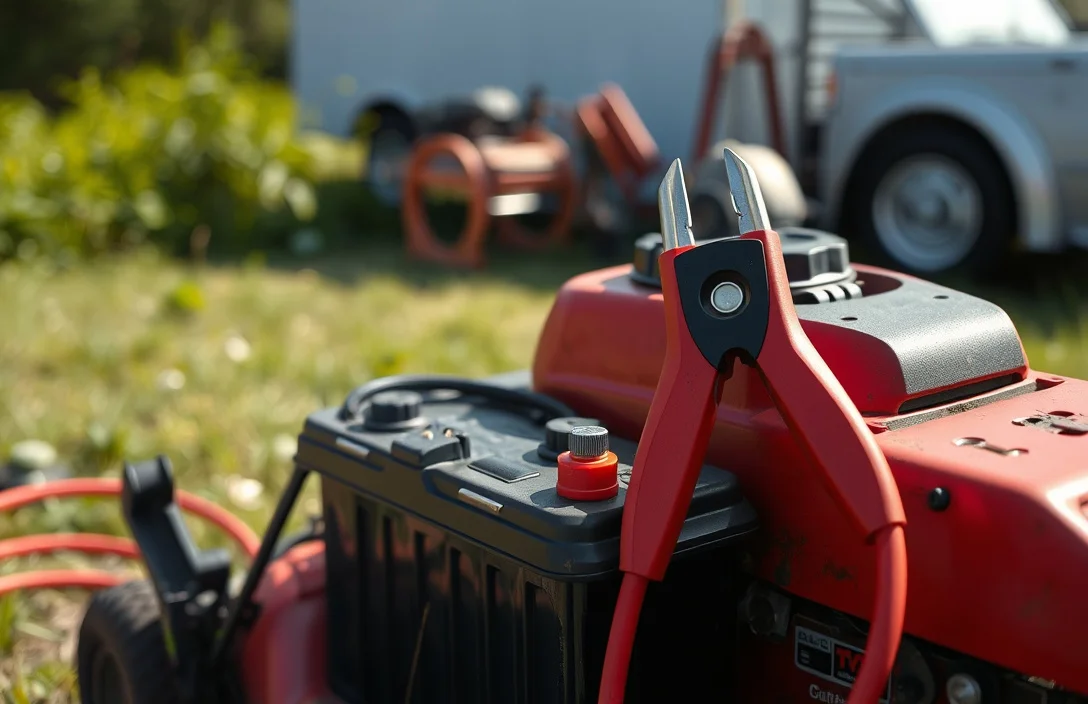
Before you reach for the car keys, gather the right gear and confirm the basics. You’ll need heavy-duty jumper cables rated for automotive use, ideally 4 AWG or thicker with a 400 A peak rating. Have a battery-terminal cleaner or wire brush handy to remove corrosion quickly, and inspect both batteries for signs of damage. If you lack robust cables or if either battery shows distress, do not proceed.
Safety is paramount since you’re dealing with high current near exposed metal. Remove metal jewelry, tie back long hair, and work in a dry area away from flammable liquids. If your mower uses a nonstandard battery, consult the owner’s manual to confirm jump-starting is recommended. In some cases, a quick test with a portable jump starter is preferable to dragging a car into the yard.
Table: Jump-start scenarios and best practices
| Scenario | Best Method | Key Risk |
|---|---|---|
| Dead mower battery, car available | Use 12V jump with proper cables and safe sequence | Hydrogen release if battery is damaged; spark near terminals |
| Damaged or swollen mower battery | Do not jump; replace battery | Explosive gases; acid exposure |
| Portability option available | Use a portable 12V jump starter | Insufficient charge in starter; follow manufacturer guidelines |
When setting up, park both vehicles on level ground with the mower in a stable spot. Turn off both engines, remove keys, and engage parking brakes. If you hear a loud click or sizzling from the battery area, stop and recheck connections. Ensure dry, clean terminals and clamps that bite firmly without slipping.
how to jump-start a mower safely
Recommended Products

- Verify battery type and system compatibility. Ensure the mower has a 12V lead-acid pack and that the car’s electrical system is compatible.
- Position vehicles and prepare for connections. Align the car and mower so cables can reach easily without stretching; set both brakes.
- Turn off both engines and remove keys. This reduces the chance of backfeed through ignition systems or onboard electronics.
- Attach the positive clamp to the mower battery terminal. Connect the car’s positive lead to the car battery positive first.
- Attach the negative clamp to a solid, unpainted metal surface on the mower frame or engine block away from the battery. Do not connect to the mower’s negative terminal.
- Start the car and let it run for a few seconds. If the mower cranks, limit cranking to 5-10 seconds, then stop and check.
- If the mower starts, remove the clamps in reverse order: first the negative from the frame, then the negative on the car, then the positive from the mower, finally the positive from the car.
- Let the mower idle for several minutes to build a surface charge before turning it off again. If it doesn’t start after a few attempts, discontinue and inspect batteries or seek help.
For instance, in a cold garage, a small 12V battery may respond more slowly. In this case, you might need to run the car longer to provide charge but still keep your crank attempts short. If the mower still won’t start after a couple of tries, do not force it. The risk of damage grows with repeated, prolonged cranking.
Common mistakes and how to avoid them
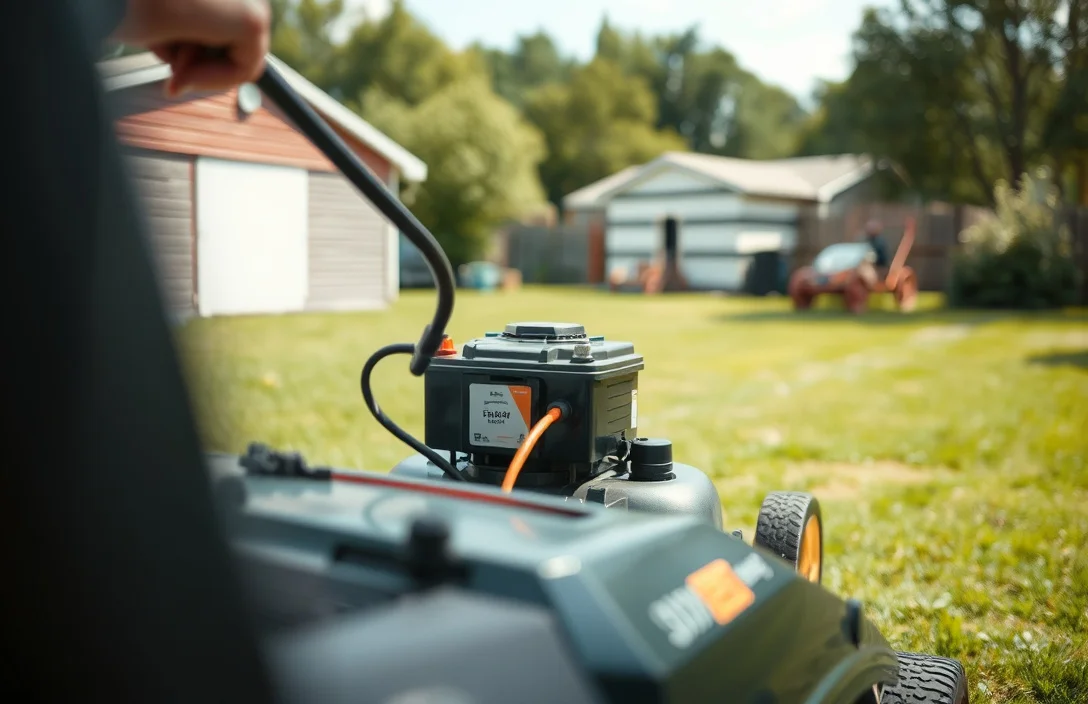
Mistake one: using a car to jump a damaged or mismatched battery. A swollen or leaking battery can vent acid or explode if sparked. If the battery shows any sign of distress, do not attempt a jump. Mistake two: connecting clamps in the wrong order or to the wrong terminals. This creates reverse polarity or short circuits that can blow fuses or damage electronics. Mistake three: using undersized cables. Thin cables can overheat and fail under load; upgrade to four-gauge or thicker. Mistake four: a crank-and-go mentality. Continuous cranking can overheat the starter or battery; short bursts with rest periods work better. Mistake five: not verifying battery type. Lithium packs require different handling; lead-acid jump juggling can trigger protection circuits or thermal issues.
Making a quick judgment call about battery health can save time and risk. If unsure whether the mower uses a pure lead-acid 12V pack, err on the side of caution and use a portable jump starter with built-in protection features. The right tool and careful sequence reduce risk, and a little preparation goes a long way.
Alternatives to using a car for a jump-start
Recommended Products


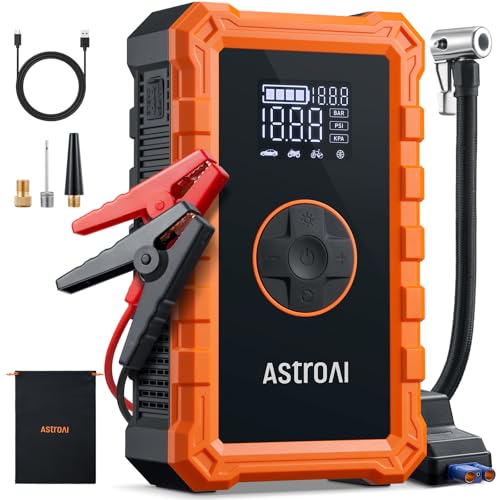
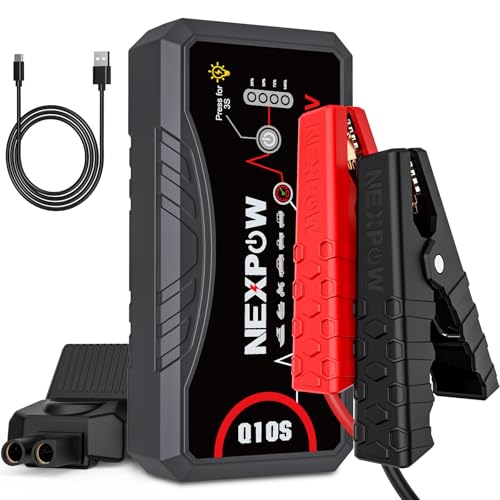
Portable jump starters are compact, designed for 12V systems, and often include built-in protection that car jumps lack. They’re ideal for quick yard hiccups and avoid bringing a car into the mix. A dedicated battery charger or trickle charger can more safely revive a dead mower battery, especially if you’re not in a rush. If your mower battery consistently fails to hold a charge, the smarter long-term move is replacement, not repeated boosts.
If a portable solution isn’t available, consider borrowing a heavy-duty jump pack from a friend or neighbor, or arrange a tow to a shop that can test the battery under load. In colder climates, keep a small emergency charger in the shed for routine maintenance. This helps avoid the risks of sudden bursts, misconnected clamps, or misjudged discharges.
The right tool reduces risk and simplifies the process. For most home mower batteries, a dedicated 12V lead-acid battery and a properly rated jump starter provide a safer, cleaner alternative to a car jump, particularly if you’re unsure about the sequence or the battery’s health.
Diagnosing why it won’t start after a jump
If the mower still won’t start after a jump, it isn’t necessarily the battery. The starter could be sticky, terminals dirty, or the carburetor could be flooded. Check the battery’s voltage with a multimeter; a healthy, charged 12V pack should show around 12.6-12.8V at rest. If the voltage is much lower, the battery may be sulfated, damaged, or unable to accept a charge. Clean terminals and reseat connections, then retest.
Another common issue is a bad carburetor or fuel line. If the mower’s engine turns over slowly or stalls quickly, it may be a fuel delivery issue rather than an electrical problem. Diagnosis often requires a process of elimination: battery health, wiring integrity, starter condition, and fuel system status. If unable to identify the fault after a couple of checks, take the mower to a shop for a professional assessment.
For example, a mower that cranks but never starts could be receiving insufficient fuel due to a clogged carburetor. In such cases, a fuel system service is required rather than a battery boost. Knowing when to call a pro saves time and money and protects the mower from further electrical or mechanical damage.
Practical safety and battery health notes
Safety means treating the mower and car as separate high-power systems. Chemical risks exist around lead-acid batteries, especially if a vent valve opens and hydrogen gas accumulates. Always perform this task in a well-ventilated area, away from open flames or sparks. If you hear zapping or see smoke, stop immediately and disconnect, then reassess the setup.
Battery health matters beyond the immediate jump. A rechargeable battery that no longer accepts a charge is a poor candidate for repeated boosts. Regular maintenance is essential: clean terminals, check for corrosion, and test the battery’s voltage periodically. This reduces the risk of a sudden no-start during weekend projects and keeps the mower ready for routine work.
The practical verdict and next
Jumping a mower battery with a car is feasible with a healthy 12V lead-acid pack, proper heavy-duty cables, and a careful, well-paced sequence. If the battery is damaged, involves lithium chemistry, or you lack the right cables, do not proceed. Consider a portable jump starter or battery replacement as safer, more reliable options.
Next step: verify your mower’s battery type and condition, then decide whether to borrow a heavy-duty jumper kit or service the battery. To be prepared next time, keep a portable jump starter charged and ready in the shed; it’s the simplest route to a healthy mower startup.
FAQ
How much current does a mower starter need from a jump?
A typical mower starter requires a brief, high-amp surge from the car’s 12V system; most jump setups target 400 A peak capacity to ensure reliable cranking.
Can I jump a lithium mower battery with a car?
Lithium packs require different handling due to BMS protection. Jumping a lithium battery directly can trigger shutdowns or thermal protection; check the mower manual before attempting a jump, and use equipment designed for lithium packs if available.
What if the mower doesn’t start after the first try?
Stop and recheck: battery voltage, clamp connections, and terminal cleanliness. If the battery voltage is below about 12.0V at rest, charge or replace it before trying again.
Can jumping harm my car?
The risk to the car is low if you connect correctly and limit cranking times. Prolonged cranking or reverse polarity could blow fuses or damage electronics, so follow the sequence and crank in short bursts.
What’s a safer alternative to car jumping?
A portable 12V jump starter or dedicated battery charger offers safer, controlled power with built-in protections. If the mower battery is mostly dead, replace it rather than repeatedly jump-starting. Portable jump starters are often safer and more convenient.

- 10 Best Battery For Generator Battery Safety System 2026 - October 12, 2026
- 10 Best Battery For Generator Battery Safety Option 2026 - October 12, 2026
- 10 Best Battery For Generator Battery Safety 2026 - October 12, 2026