Can A Bad Alternator Drain A New Battery Quickly?
An alternator can quickly drain a new battery if it fails to recharge while the engine runs. High electrical loads or prolonged idling exacerbate the problem, leading to a dead battery and frequent jump-starts. If the alternator stops recharging, battery voltage can drop by 0.5-1.5 volts in just a few hours, especially with parasitic draws in play.
Key Takeaways
- A faulty alternator can drain a new battery rapidly if it cannot recharge while the engine runs.
- A healthy alternator should maintain a voltage of 13.8-14.8 V at the battery terminals.
- Parasitic loads worsen discharge when the charging system is compromised, particularly if the vehicle sits idle.
- Use a multimeter to check for charging voltage; readings outside 13.8-14.8 V indicate a problem.
- If the alternator is suspect, test, repair, or replace it, then re-test to ensure the battery holds a charge.
How an Alternator Charges the Battery
Recommended Products


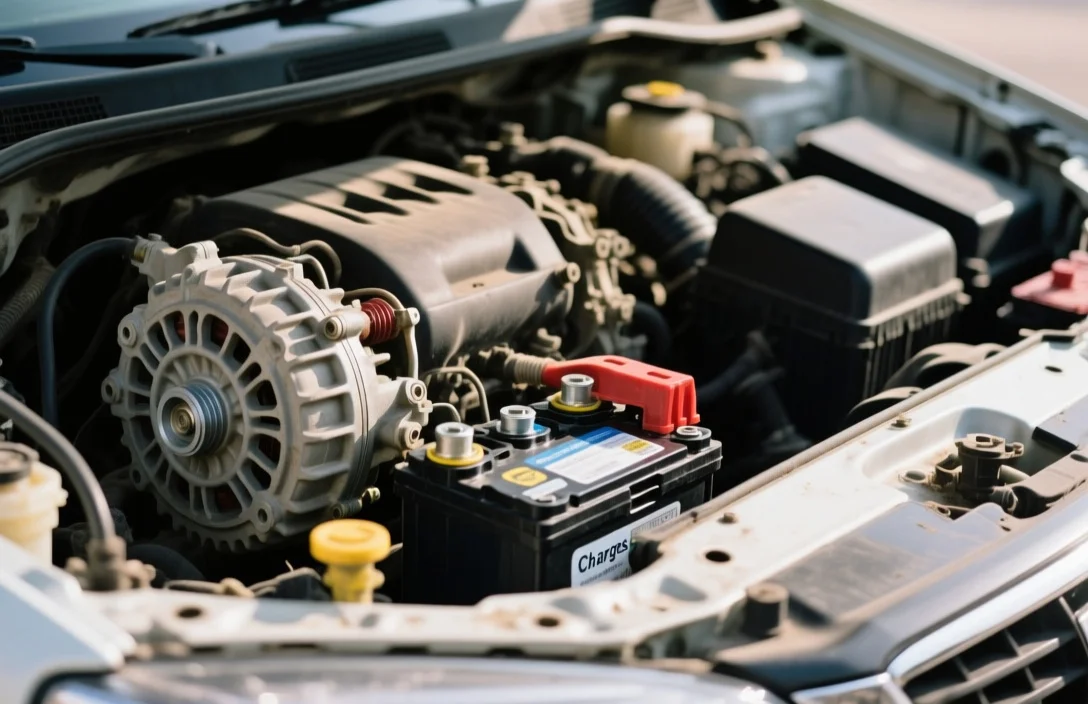
An alternator transforms engine torque into electrical energy, sending it to the battery via a belt-driven pulley, rectifier, and regulator. The rotor creates AC current, converted to DC by the diode bridge for the battery and electrical systems. The voltage regulator maintains charging within a tight range – typically around 13.8 to 14.8 volts – preventing overcharging.
At idle or under light load, the alternator produces less current, but the regulator adjusts to keep the voltage steady. A healthy system balances charging with engine performance. If the regulator or connections fail, the battery may not get enough current, especially during long trips with high accessory use. The charging system relies on a dynamic loop where engine speed, belt condition, and electrical demand dictate the actual charging current.
The battery smooths voltage fluctuations and provides immediate energy during dips. A weak battery forces the alternator to work harder, which can lead to accelerated wear. Recognizing this loop helps diagnose whether an issue stems from the charging system or another source.
If the battery light illuminates while driving or starting, it usually signals a problem with the regulator or alternator. The onboard computer may trigger diagnostic trouble codes when charging issues persist. Regularly inspect belts, connections, and grounds to avoid false positives that may mimic alternator problems.
Can a Bad Alternator Drain a New Battery Quickly?
Yes, a bad alternator can rapidly deplete a new battery by failing to recharge it while the engine runs, especially under heavy electrical load or during short trips. When the alternator loses output due to a failing regulator or damaged diodes, the battery must supply power for the vehicle and any parasitic devices. Over time, this leads to voltage drops and deep discharge.
A defective alternator can also create a situation where current drains even with the engine off. A shorted diode or regulator fault can allow current to flow from the battery into the alternator or other charging system parts, speeding up discharge. Diagnosing this requires checking the alternator’s output while the engine runs and measuring any abnormal current draw when the car is off. If a new battery fails to hold a charge, the charging system is likely at fault, not the battery.
Consider how the vehicle is used. Short trips with heavy accessory use and a marginal charging system can leave a new battery undercharged. Repeated sulfation from inadequate charging reduces capacity and shortens lifespan. The key question is not just, “Is the battery new?” but “Is the charging system providing stable, adequate current over time?”
Signs of a Failing Alternator
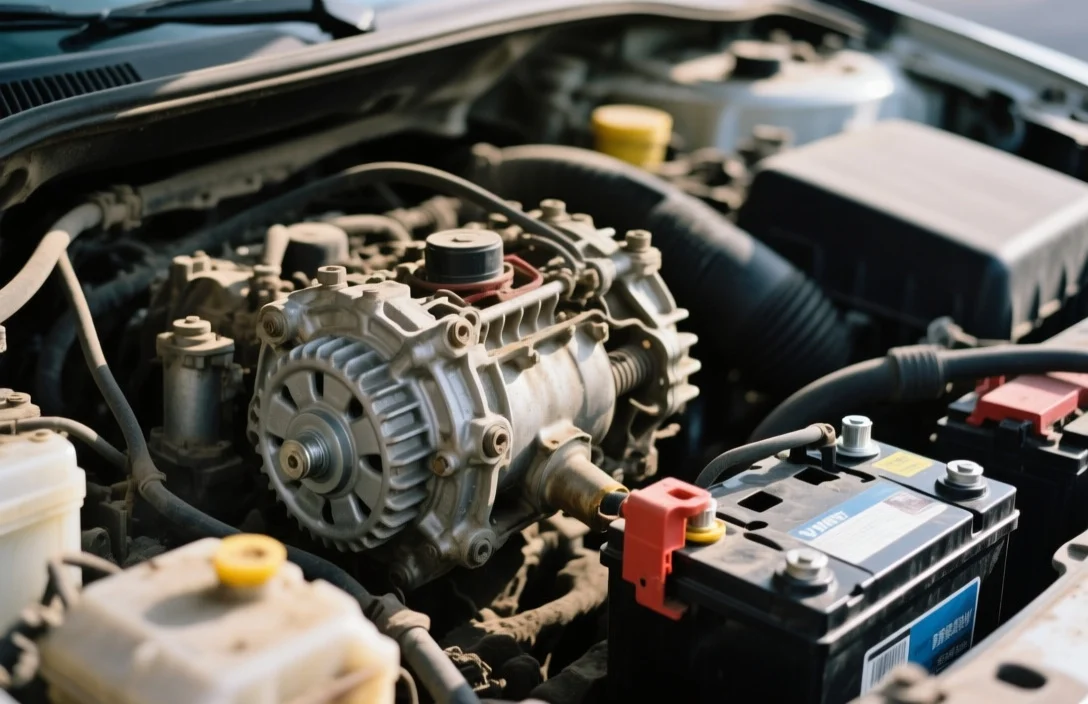
Dim or fading headlights at idle often indicate reduced charging. A dashboard warning light pointing to the charging system signals something is amiss. Electrical accessories that flicker or behave erratically – like slow-moving power windows or resetting radios – also suggest inconsistent charging supply. Squealing or grinding noises from the alternator might point to worn bearings. A battery that won’t stay charged or requires repeated jump-starts is another clear warning sign.
Additional indicators include a battery test showing healthy voltage with the engine off but a drop when the engine runs and loads increase. Excessive heat around the alternator housing or belt can accompany parasitic or internal faults. If you notice any of these signs, test the alternator’s output under load and inspect electrical connections for corrosion, loose grounds, or frayed wires. A failing alternator can mimic various electrical issues, so a structured check is crucial.
For instance, a vehicle might run smoothly for a few miles before stumbling as the alternator fails to meet electrical demand. Corroded ground straps or loose battery terminals can also produce symptoms that resemble alternator trouble but are unrelated. Isolating the issue requires controlling variables: test output with the engine running, check current draw with everything off, and inspect the belt and connections.
How to Test Alternator Output with a Multimeter
Begin with the engine off. A healthy battery should read around 12.6 volts at rest. Start the engine and let it idle, then measure the battery voltage at the terminals. A functioning alternator should produce approximately 13.8 to 14.8 volts. Consistently low or high readings indicate a problem with the charging system.
To test under load, turn on the headlights, AC, and rear defroster while the engine runs. The voltage should remain within the 13.8-14.8 volt range; a significant drop suggests the alternator can’t keep up. Repeat the test at different engine speeds (1500-2000 RPM) to see how the system responds to increased demand. If voltage is unstable or drops to battery-only levels, the regulator or alternator may be faulty.
| Condition | Battery Voltage |
|---|---|
| Engine off | 12.6 V |
| Engine running at idle | 13.8-14.8 V |
| Engine under load | 13.8-14.8 V |
| Readings outside range | Faulty regulator or failing alternator |
If readings consistently fall outside the range, consider a precise test at a repair shop or with a dedicated load tester. A handheld meter is helpful, but a professional load test can verify amperage output and identify surge behavior. Document exact readings and engine RPMs for comparison against your vehicle’s service manual.
Distinguishing Parasitic Drain from Charging System Drain
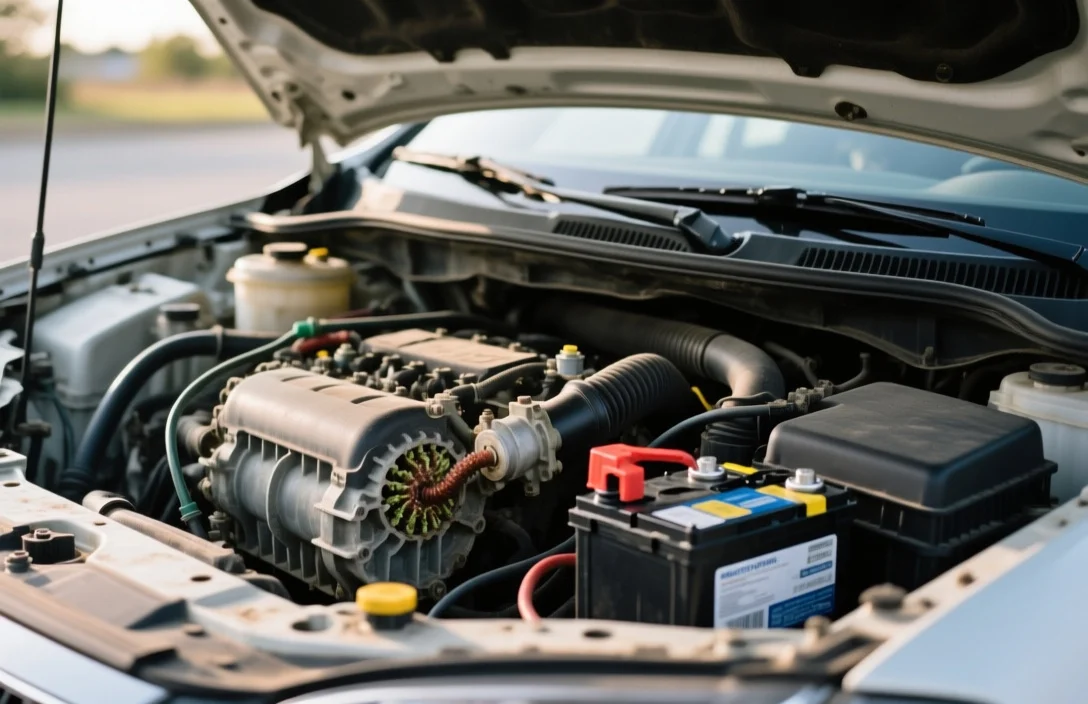
Parasitic drain refers to any current draw from the battery when the vehicle is off, including power for electronics, clocks, and security systems. Typical parasitic draw is low, but anything above 50-100 mA after a 12-hour rest warrants investigation. A wiring fault or stuck relay can cause a more significant drain. Charging system drain occurs when the engine runs, and the alternator can’t supply enough current to meet all loads plus the battery’s charging needs.
To differentiate between the two, measure the current draw with everything off and the ignition off. If the draw exceeds the normal range, remove fuses or components one by one to identify the culprit. Then measure alternator output with the engine running. If output remains low under load and battery voltage struggles to stay within the 13.8-14.8 V window, the charging system is likely at fault. If the engine-off draw remains high even after isolating the charging system, the cause is likely parasitic circuits or a defective component.
A systematic approach saves time: confirm battery health first, check charging output next, and then investigate parasitic drains. If the battery is new, recheck after repairing or replacing the alternator to ensure it holds a charge during normal use. This method reduces the risk of misattributing a drain to the wrong system and helps target the correct repair.
Verifying a Bad Alternator After a New Battery
After installing a new battery, run the car for 20-30 minutes under various loads and driving conditions. Recheck voltage with the engine running; it should remain within the 13.8-14.8 V range. If battery voltage dips below 12.6 V when the engine is off, a charging system issue is likely, not a battery issue. Confirm by performing a controlled load test and noting any voltage sag under load.
If the car passes initial checks, still test under real-world conditions: run the heater, headlights, and high-demand accessories while monitoring voltage. If the alternator cannot maintain steady voltage or if you see rapid discharge after a short drive, deeper faults likely exist in the alternator, regulator, or related wiring. Plan for either a replacement or a professional rebuild, and re-test the system post-installation to confirm resolution.
Replacement or repair depends on the severity and cost of the fault. Worn bearings, failed voltage regulators, or damaged diode bridges are often replaceable during a rebuild. For newer or high-demand systems, a complete replacement is usually simpler and longer-lasting. Most cars allow for straightforward DIY repairs with the right tools, but professional service minimizes the risk of belt misalignment and wiring errors.
Before reinstalling or fitting a new unit, replace worn belts and clean ground connections. A loose or corroded ground can mimic alternator problems by causing voltage drops. After installation, conduct a full charging test: engine running, under load, and tests to confirm voltage stability. If issues persist, check for accessory wiring conflicts, poor battery health, or parasitic drains that could mimic charging faults.
Next steps include verifying battery health (perform a load test if possible), testing alternator output with the engine running, inspecting the belt and tension, and checking all grounds. If the alternator is defective, replace or repair it and re-test the system. With a new battery in place and a functioning alternator, the vehicle should start reliably and maintain charge during normal driving.
FAQ
What is the most common cause of a battery draining after installation?
A: Charging-system faults or parasitic draws are the most common culprits; test output with a multimeter and inspect for excessive draws when the vehicle is off.
How long should a car run to test the alternator?
A: Run the engine for 20-30 minutes under varying loads; measure voltage with a meter, looking for 13.8-14.8 volts while the engine runs.
Q: Can a bad alternator be diagnosed without removing it?
A: Yes, checking output at the battery while the engine runs, performing a load test, and inspecting wiring can confirm a bad alternator without removal.
Q: Is replacing an alternator expensive?
A: Replacement costs vary by vehicle and labor, but typical scenarios include parts and labor for a full replacement or a rebuild with new components.
What other signs indicate a bad charging system?
A: A dashboard warning light, fluctuating electrical functions, a battery that won’t hold a charge, or repeated jump-starts signal a charging-system issue.

- 10 Best Battery For Generator Battery Safety System 2026 - October 12, 2026
- 10 Best Battery For Generator Battery Safety Option 2026 - October 12, 2026
- 10 Best Battery For Generator Battery Safety 2026 - October 12, 2026