Can Cold Weather Cause Car Battery To Die?
Freezing temperatures can cause a car battery to fail. Cold weather slows the chemical reactions inside the battery and increases resistance, hindering energy delivery. A healthy battery can handle cold mornings, but age and wear increase the likelihood of a no-start. Understanding winter battery health helps you avoid surprises.
As temperatures drop, car batteries lose starting power; at freezing temperatures, cranking power can decrease by 20-40% compared to room temperature. A car that starts easily in mild weather may struggle or stall in the cold. This drop is more pronounced in older batteries and vehicles that sit unused for long periods. Test, clean, and prepare your battery before the first deep freeze to minimize issues.
Key Takeaways
- Cold reduces capacity. A 12V lead-acid battery loses roughly 20-40% of starting power in freezing temperatures.
- Aging increases risk. Batteries around 3-5 years old fail more often in winter.
- Cold starts need more current. A cold engine requires more cranking amps than a warm one.
- Check health now. Regular checks can detect weak cells before winter.
- Pre-winter prep helps. Clean terminals and use a battery maintainer if the car sits idle.
How Cold Weather Impacts Battery Capacity
Recommended Products
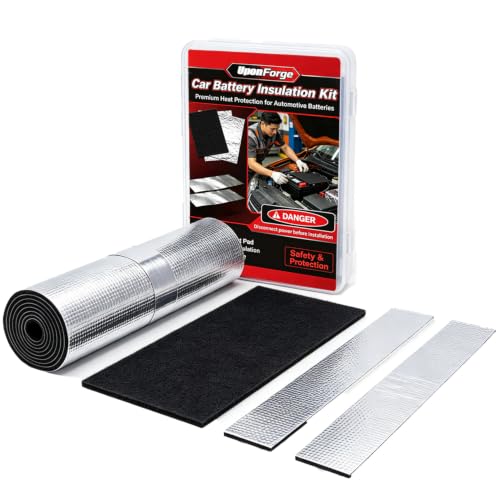
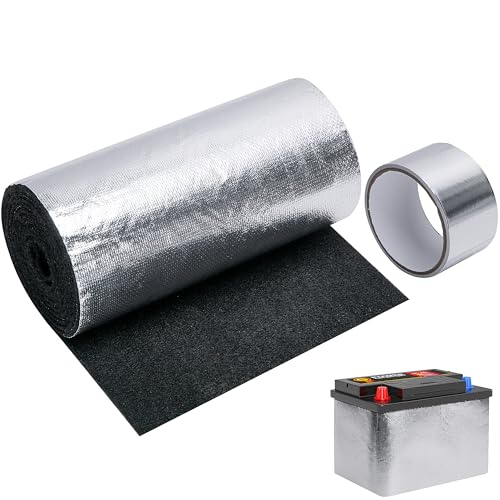
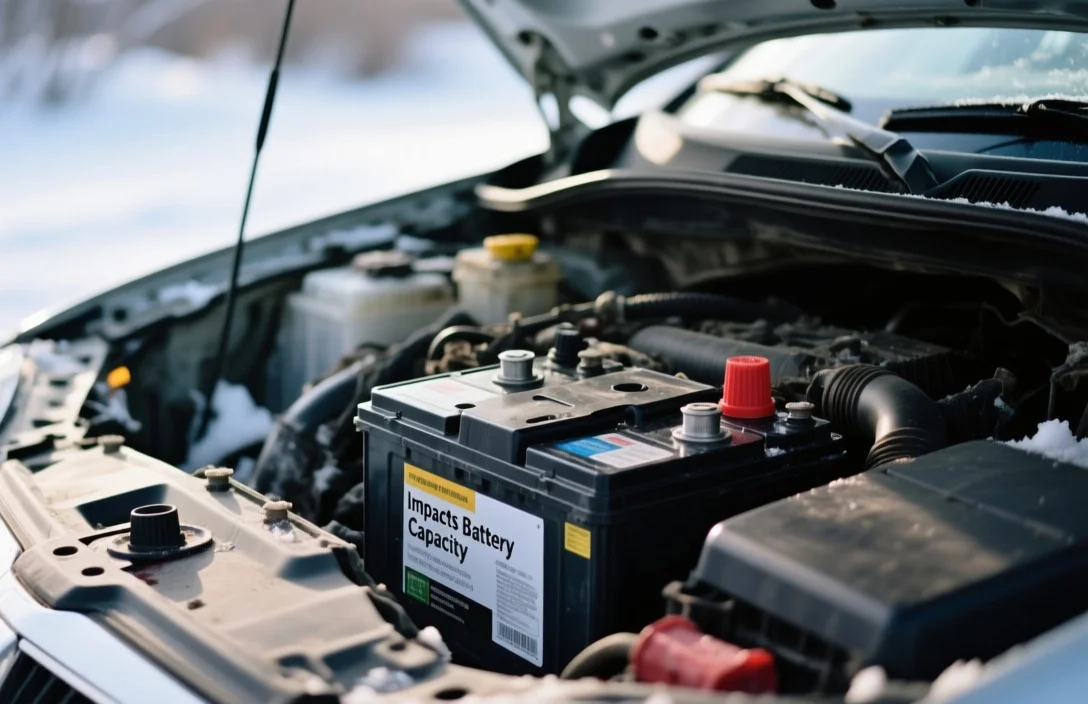
Cold weather decreases battery capacity and raises internal resistance. This results in less available energy for starting the engine. The battery’s capacity at room temperature is not reflective of what it can deliver in cold conditions. This leads to slower starts and accessory operation, as well as quicker drains under the same usage. Older batteries struggle more in the cold, failing to recover as well as newer ones.
The impact varies. Lead-acid batteries, common in most vehicles, show clear trends: colder temperatures reduce capacity and voltage stability during starts. Lithium-based batteries with advanced protection handle cold better but still depend on a healthy cell and proper charging. Winter temperatures reveal a battery’s true condition more than milder weather. A winter test is a more accurate indicator of battery health than a fall check.
Temperature affects battery health in predictable ways. A weak or aging battery loses more capacity in cold weather than a new one. Cold starts demand more power due to thicker lubricants and greater friction. Additionally, the electrical system draws more power once the engine starts, stressing an already weakened battery. The takeaway: winter amplifies existing problems without creating new ones.
| Temperature range | Effect on capacity | Practical note |
|---|---|---|
| 32 F and above | Baseline capacity | Warm conditions ensure better starting reliability. |
| 32 F to 0 F | Moderate to significant drop | Expect longer cranking and dimmer lights. |
| 0 F and below | Significant drop | Pre-warm the engine or use a maintainer if the car sits outside. |
Winter Temperature Effects on Starting Power
Starting power diminishes as temperatures drop because the battery’s chemical reactions slow, and internal resistance rises. The engine requires a surge of current to overcome cold oil and higher friction. You may notice longer cranking times and dimming lights during ignition. Even a healthy battery can struggle in severe cold, but weak batteries fail more frequently.
Winter demands more from your battery. A car that starts easily in summer can experience sluggish starts in single-digit temperatures. The battery’s age and condition determine performance. A four-year-old battery may perform like a new one in mild weather but struggle in cold conditions. Apply cold-weather checks to detect aging cells before the first major freeze.
A vehicle parked outside overnight shows measurable differences between starting at 50 F and 0 F. The cold reveals weak cells, leading to longer cranking or complete failure to start. Maintenance, smart charging, and timely replacement based on climate and usage are essential. Cold weather compounds existing battery health issues.
Signs Your Battery Struggles in Winter
Recommended Products


Slow engine turnover signals battery trouble. A labored starter or engine that barely turns over often indicates a failing battery or the need for a recharge. Dim headlights during startup suggest insufficient power. Look for longer cranks, clicking sounds at ignition, or erratic electrical behavior like malfunctioning radios or power windows. Don’t ignore these signs.
Corroded or loose terminals worsen the situation. A greenish or white crust on battery posts or a loose clamp increases resistance and reduces current flow. Use a voltmeter to check resting voltage; if it’s too low, conduct a load test to assess peak amperage. If you notice multiple signs consistently, test the battery and charging system. Winter exposes batteries that were already weak.
Common scenarios include a car that starts after several attempts only with a strong turn of the key, dashboard lights that flicker while cranking, or a vehicle that starts reliably only after running for a few minutes. These are classic indicators to address before a frigid morning leaves you stranded. Proactive testing and potential replacement are the best strategies.
How to Check Battery Health in Cold Weather
Recommended Products


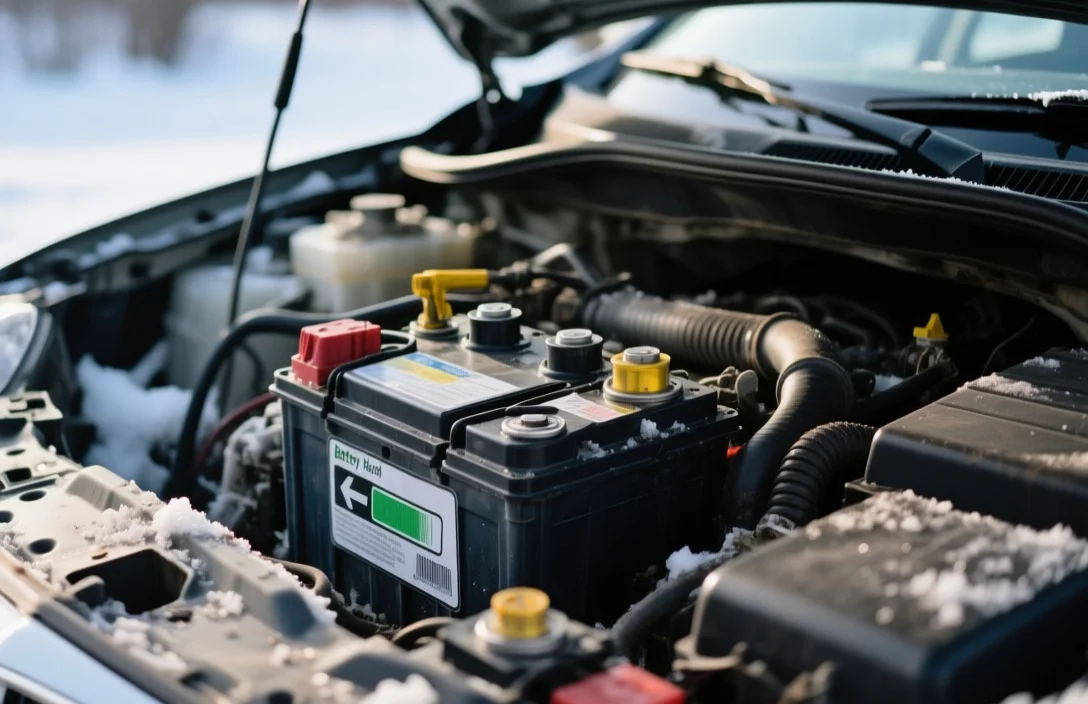
Begin with resting voltage testing using a digital multimeter. A healthy 12V battery should read about 12.6 volts or higher. Below 12.4 volts, a thorough test is necessary. A load test simulates cranking draw to verify whether the battery can maintain sufficient voltage. If it fails, replacement is usually wise.
Inspect the battery case and terminals for cracks, corrosion, or leaks. Clean corrosion with a baking soda and water solution, ensuring clamps are tight. Check the alternator’s output while the engine runs; a healthy alternator should maintain voltage near 13.8 to 14.8 volts. If the voltage is outside that range, the charging system may be faulty. In winter, these checks should be routine.
Professional testing is advisable if you’re uncertain. A shop can perform a precise cranking-amps test and assess performance in low temperatures. They can also check the alternator health and identify parasitic drains that may become more evident in colder months. The goal is to find weaknesses before they become problematic.
Causes of Sudden No-Starts on Cold Mornings
Most winter no-starts stem from three main issues: a battery that can’t deliver sufficient current, a failing alternator that can’t recharge the battery, or poor electrical connections that introduce resistance. A battery that has lost capacity struggles to supply the starter with enough current, especially if the engine crank is prolonged.
External factors also matter. Extreme cold can stiffen fuel lines and injectors, and a weak battery might not power the fuel pump during cranking. Loose or corroded clamps dramatically increase resistance, leading even new batteries to fail. Parasitic drains, such as a light left on, can quickly deplete a battery overnight in cold weather. Understanding these culprits aids in quick diagnosis.
A no-start on a cold morning should prompt immediate checks. First, verify the battery’s resting voltage. Next, perform a load test to ensure it can sustain high current draws. Inspect the charging system and clamps, and review any devices that might drain power while parked. This sequence helps identify whether the issue lies with the battery, the charging system, or a simple connection problem.
Extend Battery Life in Winter
Proactive maintenance helps maximize starts. Clean battery terminals each season, remove corrosion, check cables for wear, and ensure clamps are tight. A battery maintainer keeps the charge topped up in idle vehicles, common in cold climates. If parking outside, consider using a block heater or finding a temperature-controlled spot to reduce thermal stress on the battery.
Replace aging components before they fail in winter. If your battery is within the 3-5 year range, plan a winter check-up and load test. Invest in a high-quality battery suited for your vehicle and climate. A robust charging system and clean electrical connections extend battery life. The aim is to minimize cranking time in the cold while maximizing usable battery life.
When to Replace a Car Battery for Cold Climates
Recommended Products


Replace proactively before the coldest months if the battery shows weakness in tests. In cold climates, aging batteries typically last 3-4 years, although some may endure longer with proper maintenance. If a load test reveals weak cells or if the battery struggles to hold a charge in extreme temperatures, replacement is advisable.
Using a battery maintainer or parking outside may extend the replacement window slightly, but batteries that fail tests or show diminished cold-start capabilities should be replaced. A knowledgeable technician can help you select the right battery for harsh conditions, balancing cold-cranking performance and durability. The practical guideline is to test early and replace when performance falters.
In cold climates, battery health dictates winter reliability. Test now and replace early if you detect weakness. Next step: book a winter battery health check and consider a maintainer or heater if your area consistently dips below freezing.
FAQ
How much does cold weather reduce starting power?
Cold weather can reduce starting power by roughly 20-40% at freezing temperatures compared to room temperature. The impact is greater with older batteries or prolonged idling. Test and replace early if you notice reduced cranking performance.
What are the most common signs a battery needs attention in winter?
Look for slow engine turnover, dim headlights during startup, clicking sounds at the starter, corrosion on posts, and fluctuating display brightness. If you observe two or more signs consistently, test the battery and charging system. Address issues before a dead morning.
Can I prevent winter no-starts without buying a new battery?
Yes. Regular maintenance helps: clean terminals, ensure tight clamps, use a battery maintainer for idle cars, and test the battery annually or after long storage. A maintainer can significantly reduce winter no-start risks.
Is a no-start more likely if the car sits outside overnight?
Yes. Cold-induced capacity loss and slower chemical reactions increase the chance of a no-start after cold nights. A healthy battery is less vulnerable, but extreme cold reveals weaknesses quickly. Maintain a winter plan to avoid morning no-starts.
Should I replace my battery before winter if it tests okay?
If it’s within the typical 3-5 year life window and a cold spell is approaching, replacing early helps avoid surprises. A good test result is a snapshot, not a guarantee. Proactive replacement minimizes winter risk.

- 10 Best Battery For Generator Battery Safety System 2026 - October 12, 2026
- 10 Best Battery For Generator Battery Safety Option 2026 - October 12, 2026
- 10 Best Battery For Generator Battery Safety 2026 - October 12, 2026