Do Batteries Have An Expiration Date?
Do batteries have an expiration date? Yes. All chemical cells age, and performance fades with time, temperature, and use. The exact timeline varies by chemistry, but you should assume a finite shelf life and plan for replacement when capacity drops or devices misbehave. Regular checks of charging behavior, temperature response, and unexpected shutdowns help you decide when to retire a pack.
Batteries age in observable ways, even when not used. Capacity declines over months to years, with temperature and discharge patterns accelerating the process. Read the packaging for a manufacture date, watch for longer charge times, and retire cells when devices misbehave.
Key Takeaways
- Shelf life varies. Chemistry and storage affect aging; alkaline and NiMH last months to years, while lithium cells age more slowly.
- Storage matters. Keep batteries cool, dry, and out of direct sun to slow capacity loss.
- Package dates help. Many batteries show a manufacture date or expiry code you can read before buying.
- Device impact is real. Some devices have adaptive power management that masks aging until performance drops.
- Replacement signs exist. If devices require frequent charging or won’t hold a charge, replace or recycle.
- Test when in doubt. Use a simple load test or consult manufacturer guidance to decide.
Do All Batteries Expire?
Recommended Products


Yes, batteries degrade over time due to internal chemical changes, electrode wear, and electrolyte effects that gradually reduce capacity. Even when a battery sits unused, these processes continue, especially if storage conditions are poor. High temperatures accelerate aging, while cold can introduce stress.
The age of a battery matters less than how it has aged. A pack with many cycles or exposure to heat may perform worse than a newer one kept in pristine conditions. If a device suddenly needs more frequent charging or delivers shorter runtimes, aging is likely the cause. Aging can quietly erode performance until you notice it.
Expiration is not a single date; it is a range shaped by chemistry and environment. Plan for replacement when you observe performance dips or when a battery fails to meet device expectations. This approach avoids surprises and keeps devices reliable.
For example, consumer electronics often include a built-in health check. If a laptop battery no longer sustains a full workday or a flashlight dims much sooner than expected, you’re seeing aging in action. Remote controls and wireless mice may also blink or die more quickly after heavy use. Aging is progressive and cumulative.
Why do batteries lose capacity?
Recommended Products


Batteries age due to slow internal chemistry changes. Electrode materials degrade, separators wear, and electrolyte composition shifts over time. Each cycle of charging and discharging creates stress that permanently reduces the energy the cell can store. Self-discharge, the tendency to lose stored energy even when not in use, also eats away at capacity, especially in warmer environments. Higher temperatures amplify these effects, accelerating chemical reactions that shorten life.
Cheaper cells often use less robust materials, accelerating aging under normal conditions. High-drain devices pull more current, stressing the cell and speeding capacity loss. Long periods of inactivity at improper temperatures can lead to voltage drift or self-discharge. All these factors determine when a battery becomes unreliable.
You’ll notice aging through longer recharge times, shorter device runtimes, and more frequent failures to hold a charge. Leakage is a worst-case symptom that requires immediate replacement. A battery that feels abnormally hot during charging or storage should be treated as past its prime. These indicators signal when a replacement is due.
Do different chemistries age differently?
Yes. Alkaline, NiMH, Li-ion, and lead-acid batteries each age in distinct ways, with different leakage patterns, self-discharge rates, and cycle tolerances. Alkaline cells typically sit on shelves for long periods but aren’t rechargeable, so aging shows up as capacity decline rather than memory effects seen in rechargeable chemistries. NiMH and Li-ion respond clearly to cycles, heat, and depth of discharge. Lead-acid can suffer from sulfation and plate loss if left discharged for too long.
Under standard storage conditions, lithium-based cells tend to preserve capacity longer and benefit from smart battery management in devices. NiMH cells perform robustly in mid-range temperatures but wear faster with high cycle counts. Alkaline batteries hold charge for long periods when stored properly, but their non-rechargeable nature means you replace them once used. Lead-acid batteries age with sulfation if kept discharged, and they also suffer from electrolyte stratification in some setups.
A quick side-by-side view helps you understand the practical differences. Alkaline batteries are common in remote controls and wall clocks; NiMH power cordless tools and rechargeable devices; Li-ion fuels smartphones and laptops; lead-acid still drives cars and backup systems. Each chemistry has a distinct aging footprint, which means your replacement timing should reflect both device demand and chemical reality.
| Battery Type | Common Use | Aging Characteristic | Storage Guidance |
|---|---|---|---|
| Alkaline | Non-rechargeable household | Capacity fades slowly with time; not rechargeable | Store cool, dry, away from metal objects |
| NiMH | Rechargeable devices | Cycle-related wear; capacity loss with many cycles | Cool, dry, avoid full discharges when possible |
| Li-ion | Smartphones, laptops, EVs | Age with cycles; temperature and depth of discharge matter | Store around 40-60% charge; cool environment |
| Lead-acid | Cars, backup power | Sulfation if discharged; electrolyte changes with aging | Keep charged; avoid extreme temperatures |
How to store batteries to maximize life
Two simple truths govern storage: keep things cool and dry, and minimize unnecessary charging and discharging. High heat accelerates aging; freezing temperatures can trap chemical stress if the battery isn’t designed for it. For Li-ion cells, long-term storage at moderate temperatures with a partial charge reduces stress on the electrolyte and current collectors. For non-rechargeables, the goal is to prevent leakage and chemical drift.
Check packaging for recommended storage conditions and follow manufacturer guidance. Subtle performance shifts are easier to spot when batteries are stored consistently. A few practical habits help: store in original packaging or a dedicated anti-static container; avoid metal contact; keep away from other chemicals; and label dates to rotate stock.
For long-term storage, aim for a few targeted steps. If using Li-ion, keep 40-60% of the charge when stored. For alkaline, maintain a cool, dry place and avoid moisture exposure. For NiMH or lead-acid, periodic checks ensure the state of charge remains safe. When in doubt, err on the side of shorter storage intervals and more frequent checks.
This means developing a routine. Inspect stored batteries annually, rotate stock if managing many packs, and retire anything that shows signs of leakage, corrosion, or swelling. A concise labeling system helps avoid mixing old and new cells, preventing performance issues or reducing safety margins.

Helpful pick
WENJOOP Rechargeable AA Batteries 8Pack, 2800mAh High-Capacity, NiMH, Double A Battery, Long-Lasting, AA Rechargeable Batteries for Household and Office Devices, Pre-Charged – 1.2V Low Self Discharge
These high-capacity rechargeable batteries are designed for long-lasting performance, perfect for minimizing unnecessary charging and discharging.
Essential Tools for Battery Maintenance

Amazon Basics 24-Pack Rechargeable AAA NiMH Batteries, 800 mAh, 1.2V, Low Self-Discharge, Pre-Charged, Recharge up to 1000x Times
Amazon Basics rechargeable AAA batteries offer a sustainable option, allowing you to recharge them up to 1000 times, reducing waste associated with traditional batteries that expire.

Energizer Recharge Universal Rechargeable AA Batteries (16 Pack), Double A Rechargeable Batteries
Energizer’s rechargeable AA batteries provide a reliable power source that can be reused, helping you avoid the hassle of expired single-use batteries.
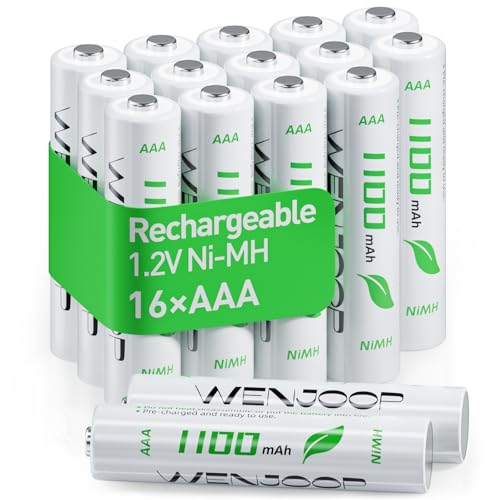
WENJOOP Rechargeable AAA Batteries 16 Pack, 1100 mAh High Capacity NiMH AAA Rechargeable Batteries, Pre-Charged and Long-Lasting 1.2V Low Self Discharge High-Performance Triple AAA Batteries
WENJOOP’s high-capacity AAA rechargeable batteries are designed for long-lasting performance, minimizing the frequency of replacements and the impact of battery expiration on your devices.
How to tell when to replace or recycle

Age alone isn’t the sole determiner of when to retire a battery. Observe performance trends in your devices. If a device runs noticeably shorter on a single charge or requires more frequent charging than normal, aging is likely the cause. Unusual heat during charging or storage is another warning sign. Leakage, corrosion, or visible swelling are clear indicators that a battery needs to go.
A practical approach is to perform a simple check before discarding anything. Use a tester or a device’s built-in diagnostic to gauge general health. If the measurement shows a sharp decline from the expected baseline, plan for replacement. Recycling should follow local guidelines; many communities offer battery recycling programs or designate drop-off sites at electronics retailers.
You’ll often match replacement timing to device reliability rather than a fixed calendar date. For critical devices, replacing on a scheduled cycle – paired with storage best practices – keeps performance stable. For non-critical items, extend a battery’s life until you notice a degradation in usefulness, then replace and recycle responsibly.
| Option | Why it helps | Price | Link |
|---|---|---|---|
| Amazon Basics 12-Pack Rechargeable AA NiMH Batteries, 2000 mAh, 1.2V, Low Self Discharge, Pre-Charged, Recharge up to 1000x Times | These rechargeable AA batteries provide long-lasting power, reducing the need for frequent replacements. | Check price | View → |
| EBL AA 2300mAh (8 Pack) and AAA 1100mAh (8 Pack) Ni-MH Rechargeable Batteries and AA AAA Rechargeable Battery Charger with 2 USB Charging Ports | This battery pack includes both AA and AAA batteries, ideal for devices that show signs of aging. | Check price | View → |
Practical decision guide for common scenarios
For everyday households, the decision to replace hinges on performance and safety. If a device’s runtime becomes unacceptable or charging times lengthen significantly, replacing the battery is reasonable. If maintaining backup power for a small system, monitor load-handling capability and plan for replacements before a failure occurs. For devices with built-in energy management, aging may be less visible in the short term, but the trend will still emerge.
When choosing replacement options, consider safety and environmental impact. Replacing a worn battery with a compatible, high-quality cell reduces risk and improves reliability. If a device cannot operate without adequate energy storage, treat aging as a priority and replace proactively. Recycling remains the preferred disposal path; it recovers materials and minimizes waste.
If stocking up for potential outages or seasonal use, organize a rotation system. Use the oldest batteries first and retire any that show leakage or swelling. This minimizes the chance of sudden failure when you need power the most. By treating aging as a normal part of battery life, you stay prepared without over-committing to replacements too early.
| Scenario | Recommended Action | Rationale |
|---|---|---|
| Device runs short on power | Replace battery, or test if alternative power options exist | Declining capacity indicates aging |
| Battery swells or leaks | Do not use; replace and recycle immediately | Safety risk from leakage and pressure buildup |
| Battery not charging or holding charge | Inspect storage conditions; perform a health test; replace if poor | Aging reduces acceptance of charge |
| Long-term storage planned | Store at cool, dry conditions; aim for partial charge if rechargeable | Minimizes stress on chemistry |
| New device shows poor performance | Verify battery compatibility; test with another battery | May indicate device issue or incompatible cell |
Batteries age, but aging is not a fixed deadline. Monitor performance, store properly, and retire batteries when you observe clear declines or safety concerns.
To establish a simple routine: check device runtime against your experience every 3-6 months, store Li-ion at 40-60% in a cool place, and replace defective or swollen cells promptly. Recycle all spent batteries through local programs. This approach keeps devices reliable and minimizes waste.
FAQ
Do disposable batteries expire even if I never use them?
Disposables have a shelf life tied to chemical stability and moisture barriers; they can gradually lose capacity while stored, especially under heat or humidity. Reading the package date helps estimate freshness, and storing in a cool, dry place extends usefulness before first use.
How can I tell if a battery is expired without testing every device?
Look for signs of aging: longer recharge times, shorter runtimes, device misbehavior, or warm temperatures during charging. A quick visual check for leakage or swelling is essential before reuse or recycling. If in doubt, replace with a fresh battery.
Do rechargeable batteries expire sooner than non-rechargeables?
Rechargeables wear out with cycles and depth of discharge; their “expiration” tends to be tied to cycle life rather than a fixed calendar date. High temperatures and deep discharges shorten cycle life, so manage charging exposure accordingly.
Can I extend battery life with any special treatment?
Yes. Store at moderate temperatures, avoid full discharges when possible, and keep the state of charge in the recommended range for the chemistry. For Li-ion, storing at about 40-60% is common; for NiMH, shallow cycling helps preserve capacity.
Is it safe to recycle old batteries at local stores?
Yes. Recycling programs exist for most battery chemistries; they collect and recycle materials safely. If unsure, ask a staff person at a retailer or check local guidelines to ensure proper disposal.

- 10 Best Battery For Generator Battery Safety System 2026 - October 12, 2026
- 10 Best Battery For Generator Battery Safety Option 2026 - October 12, 2026
- 10 Best Battery For Generator Battery Safety 2026 - October 12, 2026