Does Bumper To Bumper Warranty Cover Battery?
Usually not. In the United States, bumper-to-bumper warranties typically run 3 years or 36,000 miles, and the 12V starting battery is commonly excluded as a wear item. The high-voltage battery in hybrids and EVs gets separate coverage, often under a dedicated battery or powertrain warranty, commonly up to eight years or 100,000 miles. Exact terms hinge on the maker and model.
Bumper-to-bumper warranty coverage for batteries depends on the battery type and the vehicle. The 12V starting battery is rarely covered as standard wear, while the high-voltage battery in hybrids and EVs is typically protected under a separate battery or powertrain warranty for up to eight years or 100,000 miles. Your exact terms depend on the maker and model.
Key Takeaways
- 12V battery often excluded. The standard bumper-to-bumper window usually does not cover the 12V starting battery.
- High-voltage battery varies. Hybrids and EVs often have separate coverage, commonly eight years or 100,000 miles.
- Read the exact clause. Warranties vary by maker, model, and vehicle type, so check the battery clause.
- Typical bumper window. Most US new cars come with 3 years / 36,000 miles bumper-to-bumper.
- Maintenance matters. Repairs may require dealer service and proper maintenance to stay within terms.
- Extended plans exist. You can add battery coverage with extended warranties, but costs vary.
How bumper-to-bumper warranties work in the US
Recommended Products



The primary idea behind bumper-to-bumper coverage is simple: it protects most components against defects in materials or workmanship for a fixed period or mileage. It usually excludes wear items and routine maintenance. For most makes, the standard window is 3 years or 36,000 miles, whichever comes first. This means you’ll likely see coverage gaps for parts that wear out from use, including many parts of the drive system and exterior components.
In practice, the warranty is a contract with specific terms, limits, and exceptions. Some brands publish battery clauses that explicitly spell out what is and isn’t covered. In some cases, coverage can depend on your maintenance history, service frequency, and whether the issue stems from a defect rather than normal wear. Dealers are the gatekeepers of interpretation, so a warranty denial often comes down to wording in the service manual and the repair order.
For example, if a sensor or control module fails due to a defect that impacts multiple functions, you may get repair coverage under bumper-to-bumper. If a component just wears out from time or environmental conditions, it’s less likely to be covered. The distinction between defect and wear matters, and the line can feel fine at the counter. Knowing your contract helps you navigate service decisions with confidence.
Does it cover the battery?
Recommended Products

The short answer: not usually for the starting battery; yes, often for the high-voltage battery in hybrids and EVs, but under separate terms. The 12V battery, which powers the starter and electronics, is commonly treated as a wear item or a maintenance replaceable part. It’s frequently excluded from bumper-to-bumper coverage unless a defect is clearly demonstrated. The high-voltage battery on a hybrid or electric model, however, is typically covered by a battery or powertrain warranty that runs longer and has its own set of conditions.
For hybrids and EVs, manufacturers commonly pair the high-voltage battery with a dedicated warranty. That warranty is usually longer than the standard bumper-to-bumper window – often eight years or 100,000 miles, and in some cases even longer depending on the maker and model. The exact duration and mileage cap vary, and some brands offer prorated terms or additional protection for the battery’s performance, such as minimum capacity retention requirements. In short, know which battery you’re dealing with and read the applicable sections of your warranty book.
In practice, you’ll see a practical split: the 12V battery is a probable exclude, while the high-voltage battery has its own protection plan. If you’re buying a hybrid or EV, expect to see a distinct battery warranty that coexists with the bumper-to-bumper coverage. If you’re unsure, ask the dealer to pull the exact warranty page for your vehicle’s year, make, and model. It’s the only way to confirm how your battery is protected.
12V starting battery vs high-voltage battery

The 12V battery is the traditional car battery that starts the engine and runs electronics when the engine is off. It’s generally cheap to replace and has a service life influenced by temperature, parasitic draws, and charging habits. Warranty coverage for this battery, when it is covered at all, is typically outside the bumper-to-bumper window or sits in a separate battery replacement policy.
The high-voltage battery sits inside hybrids and electric vehicles. It’s a big, expensive pack whose performance matters to driveability and range. This battery is usually protected by a different warranty, often with much longer terms and higher mileage caps. In many cases the high-voltage battery warranty is described as part of the hybrid or powertrain warranty, with explicit protections like “retained capacity” and “no catastrophic failure” thresholds. If you own or lease a hybrid or EV, that separate battery coverage is the key part to understand.
When assessing your situation, treat the two batteries as separate problems with separate protections. A failure in the 12V battery is typically a service item that may or may not be covered, while a failure in the high-voltage pack is usually a guaranteed warranty event under a longer-term battery warranty. If you’re unsure which battery your service claim touches, confirm the battery type and the warranty section with your service adviser before authorizing a repair.
Battery coverage at a glance
Battery coverage varies by vehicle and warranty package. The following snapshot offers a quick reference to common layouts, but always verify your exact terms in the warranty booklet.
| Coverage type | Typical duration | What it covers | Notes |
|---|---|---|---|
| – | – | – | – |
| Bumper-to-bumper overall | 3 years / 36,000 miles | Most components, excluding wear items | Battery clause usually excludes 12V battery unless defect is proven |
| Powertrain warranty | 5 years / 60,000 miles | Engine, transmission, drivetrain | Often separate from bumper-to-bumper; may not apply to battery in non-hybrid cars |
| Hybrid/electric high-voltage battery warranty | 8 years / 100,000 miles (varies by maker) | High-voltage battery capacity and function | Terms vary; may include capacity-retention requirements |
| Extended warranty add-on | Varies | Battery and other components | Price and terms depend on plan and mileage |
In practice, you’ll want to annotate your own policy with these distinctions. If you own a traditional gasoline car, the battery coverage is most likely a separate topic from the bumper-to-bumper line. If you own a hybrid or EV, the high-voltage battery is a focal point of the warranty package, and that protection usually lasts longer and is more specific.
Essential Tools for Battery Maintenance and Care
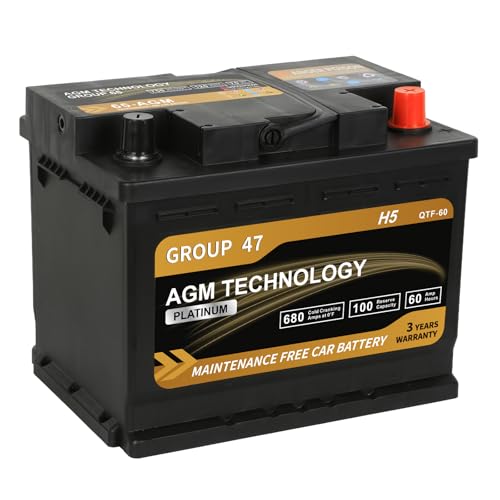
Daakmax Platinum AGM Car Battery Group Size 47 H5, 12V 60Ah, 680 CCA, 100 RC, Rechargeable Start-Stop Automotive Battery with 36-Month Warranty
The Daakmax Platinum AGM Car Battery offers a reliable power source with a 36-month warranty, ensuring peace of mind regarding battery performance under bumper-to-bumper coverage.

Weize Platinum AGM Battery BCI Group 49-12v 95ah H8 Size 49 Automotive Battery, 160RC, 900CCA, 36 Months Warranty, Dimensions 13.9″ L x 6.89″ W x 7.48″ H
Weize Platinum AGM Battery provides robust starting power and a 36-month warranty, making it a dependable choice for vehicles covered by bumper-to-bumper warranties.
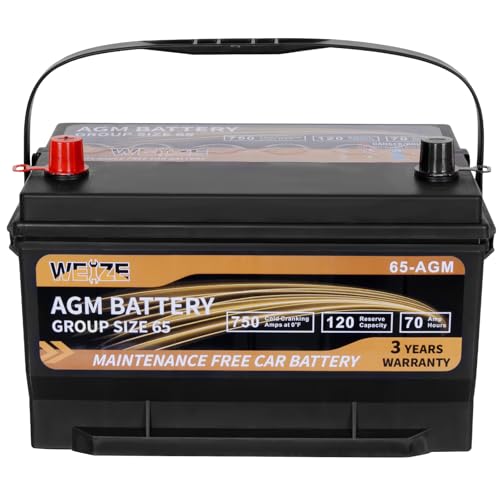
Weize Platinum AGM Battery BCI Group 65 Automotive Battery, 12V 70ah, 120RC, 750CCA, 36 Months Warranty, Replacement for Car, SUV
With a 36-month warranty, the Weize Platinum AGM Battery ensures that you have a reliable battery replacement option that aligns with bumper-to-bumper warranty expectations.
How to verify coverage in your contract

Start with the exact warranty manual that came with the vehicle. Look for sections titled bumper-to-bumper, powertrain, and battery or high-voltage battery. If you’re evaluating a used car, request the original window sticker and the most recent service records that reference battery service or replacements. The dealer should be able to print or email the precise warranty clauses for your VIN.
Read the exclusions carefully. If the clause lists “wear items” or “consumables,” the 12V battery may be excluded. For hybrids and EVs, verify the high-voltage battery terms, including any minimum performance criteria and capacity retention requirements. If you don’t understand a term, ask for a plain-English rewrite focused on your battery scenario. Taking notes now saves headaches when a claim is needed later.
Keep a simple log of battery-related services, dates, and mileages. A documented history helps prove whether a failure was due to a defect or normal wear. If a claim is denied, you can request a written explanation and, if needed, escalate to the manufacturer’s customer care channel. A quiet, documented trail tends to smooth the process.
What to do if your battery fails during coverage
If you suspect a battery issue, start with the vehicle’s built-in diagnostic readout and an eye on the service light indicators. Call the dealer for a pre-authorization review to determine whether the issue qualifies as a defect under the warranty. Don’t replace parts or pay out of pocket before confirming coverage, because many claims hinge on the root cause.
Get the repair authorization in writing, including the estimated repair scope and the anticipated costs. If the dealer says the problem lies with the 12V battery, ask for a written rationale and a copy of the relevant warranty clause. If a claim is denied, request a formal written denial with the cited clause. You can then appeal or contact the manufacturer’s customer service for clarification.
In practice, successful warranty claims depend on prompt action, precise documentation, and a clear understanding of whether the battery is covered under bumper-to-bumper, powertrain, or a dedicated battery warranty. If you’re dealing with a hybrid or EV, keep in mind that the high-voltage pack is more likely to be protected, but confirm the exact terms before proceeding with any replacement work.
Costs and alternatives if not covered
If the battery issue isn’t covered, you’ll likely face replacement costs that vary by battery type and vehicle. A 12V battery replacement is typically a few hundred dollars, including parts and labor. A high-voltage pack replacement can run into thousands, and in rare cases may be cost-prohibitive. The best practice is to verify coverage first, then compare the dealer’s quote with third-party battery options if you’re open to alternatives.
Extended warranties can add battery coverage, but you must weight the price against the expected benefit and your plan’s mileage. Some programs offer transferable coverage, roadside assistance, and maintenance benefits that improve the overall value. If you’re shopping new, ask about the battery warranty explicitly and compare it against the standard bumper-to-bumper and powertrain protection. If you’re buying used, you’ll want a clean battery clause and possibly an extended plan to cover the high-voltage pack.
Maintenance habits still matter. Regular checks, clean terminals, and proper charging routines can extend battery life and reduce the risk of early failure. For hybrids and EVs, follow manufacturer guidelines for charging practices and temperature management, since these factors influence battery health more than other components. A proactive approach can be a practical hedge even when coverage feels uncertain.
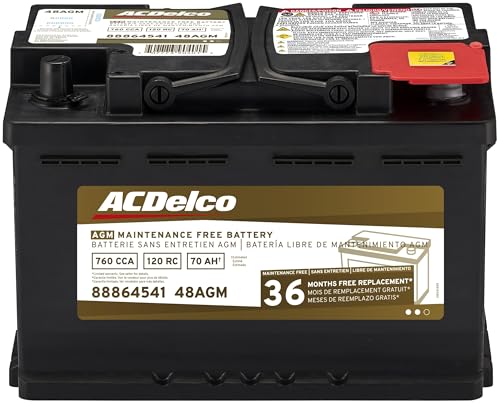
Helpful pick
ACDelco Gold 48AGM (88864541) 36 Month Warranty AGM BCI Group 48 Battery
The ACDelco Gold 48AGM battery is a reliable choice for your vehicle’s 12V battery replacement needs.
Practical steps to maximize battery coverage
Know the exact battery terms before you drive off the lot. Ask the dealer to print the warranty page that specifically covers the battery and any exclusions. Keep the warranty booklet in a safe place, along with your service receipts. If you’re considering an extended warranty, compare the battery coverage, the cost, and the mileage cap against your current plans.
When you service your vehicle, insist that any battery-related fault be documented with the VIN, date, odometer, and a detailed description of the problem. Avoid authorizing repairs without warranty confirmation. If you get a denial, request a written explanation and consider escalation. A disciplined, paper-trail approach increases your odds of a fair outcome.
Bottom line: battery coverage under bumper-to-bumper is not a universal guarantee. For hybrids and EVs, the high-voltage battery often has its own long-term warranty, while the 12V battery remains a common exclusion. Read your policy, speak to the dealer, and plan for possible out-of-pocket costs for the 12V battery. Your next steps should align with your vehicle type and the exact terms in your warranty book.
| Option | Why it helps | Price | Link |
|---|---|---|---|
| ACDelco Gold 94RAGM (88864542) 36 Month Warranty AGM BCI Group 94R Battery | The ACDelco Gold 94RAGM battery offers reliable performance and comes with a 36-month warranty for peace of mind. | Check price | View → |
| Daakmax Platinum AGM Car Battery Group Size 49 H8, 12V 95Ah, 900 CCA, 160 RC, Rechargeable Start-Stop Automotive Battery with 36-Month Warranty | The Daakmax Platinum AGM Car Battery provides excellent power with a 36-month warranty, ensuring long-lasting reliability. | Check price | View → |
FAQ
How long does a bumper-to-bumper warranty usually last?
Most US new cars come with 3 years or 36,000 miles of bumper-to-bumper coverage. Duration varies by manufacturer, with some offering shorter or longer windows.
Does the 12V starting battery qualify for warranty coverage?
Typically not under bumper-to-bumper; it’s often treated as a wear item or excluded unless a defect is proven. Check the battery clause for your model to confirm.
Is the high-voltage battery covered, and for how long?
Yes, in many hybrids and EVs, the high-voltage battery has its own warranty, commonly 8 years or 100,000 miles. Exact terms vary by maker.
How can I tell if a battery issue is a defect or wear?
Warranty coverage hinges on root cause. A defect will affect multiple functions and components, while wear is limited to normal usage and may not be covered. Document the failure cause with your dealer.
Can I buy an extended warranty to cover the battery?
Yes, extended warranties can add battery coverage, but price and mileage terms vary widely. Shop plans that specify battery protection and compare costs against your risk tolerance.
Closing verdict: battery coverage under bumper-to-bumper is not uniform. Expect the 12V battery to be excluded in most cases, while the high-voltage pack in hybrids and EVs typically has its own longer warranty. Read your warranty booklet, confirm the exact terms with the dealer, and consider an extended plan if you want predictable protection for the battery. If you’re unsure, start by pulling the battery clause for your vehicle’s year, make, and model and keep your repairs well-documented.

- 10 Best Battery For Generator Battery Safety Option 2026 - October 12, 2026
- 10 Best Battery For Generator Battery Safety 2026 - October 12, 2026
- 10 Best Battery For Generator Battery Rv Upgrade 2026 - October 12, 2026