Do Hearing Aid Batteries Expire?
Do hearing aid batteries expire? Yes. They expire in two ways: shelf-life noted on the package and the battery life inside your device once the tab is removed. Storage, usage, and the device’s power draw all influence timing. Understanding how and when batteries fail helps you plan replacements, save money, and stay audibly sharp.
Sealed zinc-air cells have a shelf life, and once the seal is broken, discharge begins as they meet air. In-use life varies by device and usage, but most users notice an energy drop within days to a couple of weeks.
Key Takeaways
- Shelf life awareness. Store sealed packs in a cool, dry place; check the package for expiration dates before buying.
- Activation window. Remove the tab only when you plan to use the battery to avoid premature discharge.
- In-use variability. Device settings and streaming frequency determine how quickly a battery drains.
- Backup planning. Keep at least one spare battery on hand during outings.
- Expiration vs end-of-life. An expiration date on the package is not the same as when a battery stops working in the device.
How Hearing Aid Batteries Work and Why Expiration Matters
Recommended Products



Hearing aid batteries utilize sealed zinc-air chemistry. The metal-air reaction provides energy, but this chemistry also imposes limits. A battery starts its life sealed, protecting it from air until you’re ready to use it. Removing the tab allows oxygen from the air to enter the cell, gradually releasing energy as the device consumes it.
Shelf life matters. Sealed batteries remain usable because the chemical reaction is halted until the package is opened. Once in use, energy is finite and depends on how often the device draws power. Hearing aids with streaming or noise reduction features consume more current, shortening the effective wear time between replacements. Lifespan varies depending on battery size, device, and usage.
For instance, a fresh battery can power a hearing aid for several days of normal use, but frequent wireless streaming or higher amplification can reduce that window. It’s crucial to understand that expiration and end-of-life are not the same. A battery may still be within its shelf life but perform poorly if it’s aged after activation.
Reading Expiration Dates and Shelf Life
Recommended Products
The package is the first place to check. The expiration date indicates how long the manufacturer guarantees the battery will perform when stored unopened. Do not rely on the activation date to judge shelf life; the count begins when the seal is intact. If you’re unsure about a batch, the batch code can help the retailer or audiologist verify freshness.
After inserting a battery, you start a different countdown. The energy available depends on how long the tab has been removed and how quickly the device consumes power. Some users notice performance drops within days after activation, especially with features that demand more current. Treat the expiration on the package as a warning and a buying cue; post-activation life serves as a usage window you’ll observe in daily wear.
Always inspect a new package before purchasing: confirm that the expiration date is clearly printed and that the seal is intact. Store batteries in a cool, dry place, avoiding heat, moisture, and direct sunlight. If a battery shows visible swelling, corrosion, or leaks, discard it, as these signs indicate degradation beyond safe use.

Helpful pick
Amazon Basics 60-Pack Hearing Aid Batteries Size 312, 1.45 Volt, Zinc Air Technology, Long-Lasting, 4-Year Shelf Life, Mercury Free, Brown Tab, Child-Safe Package
These batteries have a 4-year shelf life, ensuring reliability when stored unopened.
What Makes Batteries Expire?

The clock starts ticking at three critical moments. First, the shelf life on the package dictates how long the battery remains viable while sealed. Second, breaking the seal initiates the chemical reaction, depleting energy even if the hearing aid is not in use. Third, usage patterns – how often you wear the aid, volume levels, and Bluetooth streaming – determine how quickly that energy is consumed.
Storage plays a significant role. Cool, dry environments extend the usable life of sealed batteries, while excess heat or humidity accelerates degradation and can lead to premature failure. Activation timing is also essential. If you remove the tab and leave the battery unused for an extended period outside a device, its energy reserve can still drift.
Daily usage patterns influence how quickly a battery reaches end-of-life. Heavy listening, extended streaming sessions, or power-hungry features will drain a battery faster than minimal use.
If you notice a sudden drop in performance, start by replacing the battery and checking the device. A weak battery can mimic issues that seem like device faults. Ensure the new battery is compatible with your hearing aid’s size and model. Avoid mixing old and new cells; even one older cell can reduce overall performance.
Maximizing Battery Life in Daily Use
You can extend the usable life of hearing aid batteries with intentional habits. Begin with proper storage: keep sealed packs in a cool, dry place away from heat. When buying new batteries, check expiration dates and rotate stock to use the oldest packs first, reducing the chance of purchasing batteries that go unused and expire.
Your usage habits matter. Streaming frequently or using noise reduction features will lead to shorter intervals between replacements. Reducing unnecessary streaming can extend the wear time per battery. Avoid exposing batteries to moisture from sweating; gently wipe terminals if moisture accumulates. Replace batteries before they signal low power to help prevent performance dips.
For those relying on hearing aids for crucial daily activities, maintaining a simple routine is beneficial. Keep a small battery case for outings, know where to replace batteries at work or home, and set reminders to rotate batteries weekly. A proactive approach minimizes unexpected outages during important conversations or events.
Helpful pick
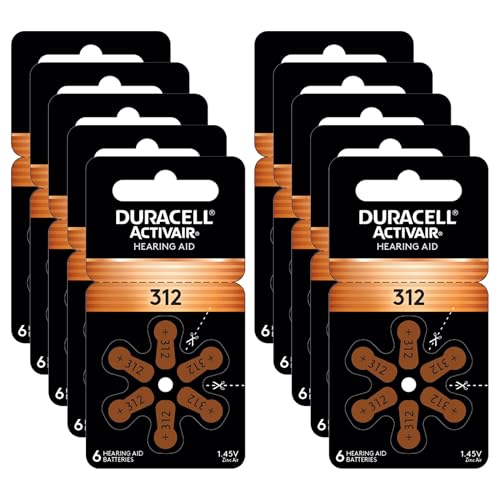
Duracell Hearing Aid Batteries Size 312, 60 Count (Pack of 1) batteries
These Duracell Hearing Aid Batteries provide long-lasting power, ensuring you maximize battery life in daily use.
Top Tools for Managing Hearing Aid Batteries

Duracell Hearing Aid Batteries Size 312, Brown, 16 Count (Pack of 1), Long-lasting Power, Extra-long EasyTab Install
Duracell Hearing Aid Batteries Size 312 provide long-lasting power, ensuring you won’t run out of battery life unexpectedly, as they are designed to maintain performance until their expiration date.
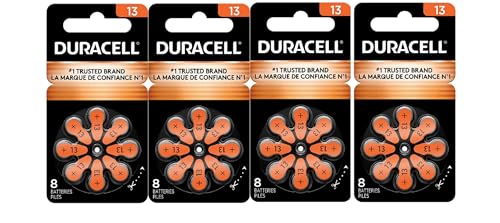
Duracell Hearing Aid Batteries Orange Size 13, 32 Count Pack, 13A Size Hearing Aid Battery with Long-Lasting Power, Extra-Long EasyTab Install for Hearing Aid Devices
With 32 Count Duracell Hearing Aid Batteries Size 13, you can stock up on reliable power for your hearing aids, minimizing the risk of using expired batteries.

Rayovac Size 312 Extra Advanced Mercury Free Hearing Aid Batteries (80 Batteries)
Rayovac Size 312 Extra Advanced batteries are mercury-free and designed for extended life, helping you avoid the pitfalls of expired batteries in your hearing devices.
Safety, Handling, and Common Mistakes

Handle batteries with dry hands and avoid touching metal contacts with jewelry or metal objects. The risk of short-circuiting is real when batteries are stored loosely in pockets or bags. Do not mix sizes or install damaged cells in a hearing aid, as damaged batteries can leak and harm the device or skin. If you notice a leak, swelling, or corrosion, dispose of the battery safely and replace it.
A common mistake is leaving batteries in the device beyond their effective life. A device may still operate, but performance declines, increasing the risk of unexpected outages. Another frequent error is purchasing cheaper, unverified packs from questionable sources. Stick to reputable retailers and check expiration dates. Using expired or counterfeit batteries can damage your hearing aid and void warranties.
Education is key. Understand your device’s expected battery life in typical use, and keep a spare pack for trips or busy days. If you rely on a service provider, consult your audiologist or dispenser about best practices for storage, rotation, and disposal. They can recommend a routine tailored to your device’s features and listening needs.
Replacing and When to Replace: Signs to Watch
Battery replacement is a standard maintenance task. Replacing at the first signs of reduced performance protects quality and minimizes the risk of sudden outages. Watch for noticeably shorter wear times, weaker audio, or stuttering during streaming. If these symptoms appear, switch to a new battery and test the device. If issues persist after replacement, consult your audiologist to rule out device-related problems.
Monitor the device’s status indicators. Some hearing aids report battery levels with symbols or simple indicators. If you see a persistent low power indicator, replace the battery, and have backups ready for important events. Don’t wait for the battery to fail completely; being proactive minimizes disruptions during critical conversations and activities.
Choosing and buying batteries should balance cost, freshness, and convenience. Purchase from reputable sellers, check expiration dates, and maintain a rotating stock of relatively fresh packs. If you travel frequently, carry a small battery kit and a spare size that fits your device to avoid last-minute scrambles.
Battery Sizes at a Glance
| Battery size | Common device compatibility | In-use life (rough guidance) | Shelf life (sealed) |
|---|---|---|---|
| Size 10 | Small devices, higher drain | Shorter in-use window | Years in sealed form |
| Size 312 | Popular across many aids | Moderate in-use window | Years in sealed form |
| Size 13 | Larger devices, streaming use | Longer in-use window | Years in sealed form |
| Size 675 | Larger power needs, longer wear | Longest in-use window among common sizes | Years in sealed form |
The table above provides a quick reference for how battery size correlates with device use. Real-world wear times vary with device efficiency, user behavior, and streaming habits. Prioritize compatibility, fresh expiration dates, and your daily listening patterns when selecting replacements to ensure predictable performance rather than simply choosing the cheapest option.
Practical Verdict and Next
Yes, hearing aid batteries expire, but not at the same moment for everyone. Treat the expiration date on the package as the first checkpoint, then monitor in-use life based on your device usage. Store sealed packs in a cool, dry place, activate batteries only when you plan to use them, and keep backups handy for travel or busy days. A simple, repeatable routine – rotating stock to use older packs first, carrying a spare battery, and replacing at the first sign of reduced performance – ensures reliability.
If you’re due for a checkup or a battery review, ask your audiologist about branded options, recommended brands for your device, and any warranty protections on battery performance. A brief discussion can adjust your routine to suit your specific device and listening needs, making battery changes less surprising and more predictable.
FAQ
Do hearing aid batteries expire if I never open the package?
If you never open the package, the expiration date governs usability. Shelf life is preserved by keeping the seal intact and storing properly. Once opened, energy starts to be consumed when the tab is removed, so plan to use them within the practical window indicated on the labeling.
How long do zinc-air hearing aid batteries typically last in use?
In-use life varies with device and usage. Expect energy to drain over days to weeks depending on your hearing aid’s features, volume, and streaming. If you stream often, you may need to replace batteries more frequently. Always carry a spare and have a plan for replacements when you’re out.
Are there safety risks with expired batteries?
Expired or damaged batteries can leak, corrode contacts, or fail to deliver sufficient power. Inspect batteries before use, discard any showing signs of damage or leakage, and dispose of them according to local guidelines. Do not mix old and new batteries in the same container or device.
What’s the best way to store hearing aid batteries?
Store sealed packs in a cool, dry place away from heat and moisture. Keep them in their original packaging until just before use, and avoid leaving them in hot cars or damp environments. Temperature stability helps preserve shelf life.
Can I use batteries from different brands in the same hearing aid?
Mixing brands is not recommended. Different brands may have varying discharge characteristics and timing, affecting device performance and battery life. Always replace with the same size and a compatible brand when possible, and follow your audiologist’s guidance.

- 10 Best Battery For Generator Battery Safety System 2026 - October 12, 2026
- 10 Best Battery For Generator Battery Safety Option 2026 - October 12, 2026
- 10 Best Battery For Generator Battery Safety 2026 - October 12, 2026