Can Marine Batteries Get Wet? Understanding Risks And Protections
No. Immersion damages most marine battery chemistries, and even sealed options aren’t designed for submersion. Water contact can lead to electrolyte loss, terminal corrosion, and short circuits, especially in flooded lead-acid packs. Splash or rain exposure is manageable only with proper protection and dry terminations. Understanding how each chemistry reacts helps you choose safer setups for saltwater environments.
Submerging a boat battery is risky: flooded lead-acid cells vent hydrogen and lose water when submerged, while sealed AGM and LiFePO4 packs resist splashes but not full submersion; a submerged pack can still fail its seals, triggering safety trips.
Key Takeaways
- Submersion risks. Submerging a battery damages seals and can cause electrolyte leaks.
- Dry-box protection. A waterproof vented box reduces water entry at terminals.
- Chemistry caveats. Flooded packs vent gas and lose electrolyte; sealed chemistries tolerate splash but not immersion.
- Splash vs submersion. Splash exposure is safer than full submersion; avoid both when possible.
- Regular checks. Inspect terminals and vent caps after rain or splash exposure.
What Happens When Water Gets In
Recommended Products


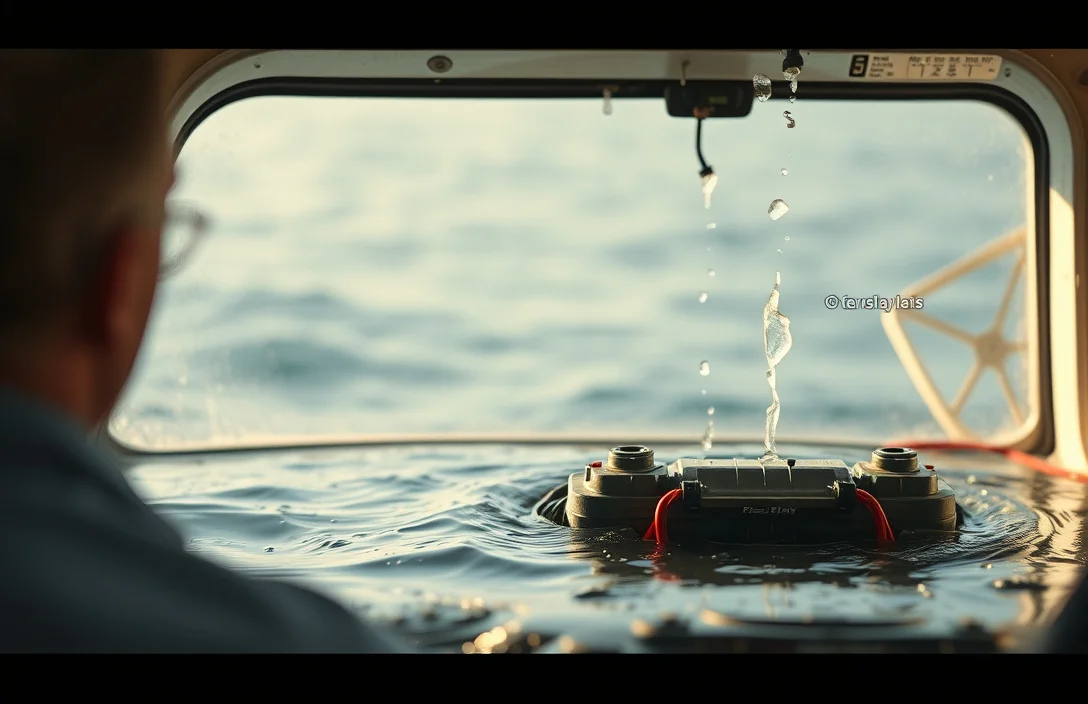
Water exposure initiates swift failures in most marine battery setups. Flooded lead-acid batteries can leak electrolyte, corrode connectors, and accelerate sulfation on exposed plates. After the water recedes, performance often doesn’t recover because shorting paths and gas bubbles have already formed. In saltwater, where conductivity and corrosion potential increase, the risk magnifies. You may notice reduced capacity, uneven cell behavior, and, in severe cases, venting or dangerous thermal events.
Sealed options behave differently but not invisibly. AGM and Gel batteries resist splashes and humidity, yet full submersion can overwhelm seals, pushing water into the cell stack and triggering internal safety protections. LiFePO4 packs, while generally safe, still rely on their enclosure to keep moisture out; water intrusion can bypass these protections, leading to sudden shutdown or permanent damage. In salty environments, moisture and chloride accelerate corrosion at terminals and bus bars, making even small leaks a threat to reliability.
Your boat should never depend on a battery being water-tolerant in terms of submersion. Every time water splashes into a compartment or bilge, assume it has reached the battery connections. The consequences extend beyond a failed battery; you could face a corroded mounting, compromised cable, or a short that trips your vessel’s safety systems.
Battery Chemistries and Water Exposure: Flooded vs Sealed
Recommended Products


Flooded lead-acid batteries are the least forgiving when wet. Immersion can cause electrolyte to escape through vents or caps, and saltwater accelerates gassing and corrosion. If a flooded pack tips or sustains damage, you may smell sulfurous gas and see visible staining around the caps. Because the electrolyte is water-based, submersion typically results in immediate performance losses and may require significant cleaning and reconditioning to regain reliability.
Sealed chemistries – AGM and Gel – offer better splash resistance. They keep the electrolyte sealed inside cells, so incidental exposure to humidity or light rain is less likely to cause a short. However, don’t treat them as submersible. Water crossing the seal can corrode terminals, creep along seams, or force moisture into the venting path. For marine use, sealed options reduce maintenance headaches, but they still require protective enclosures and careful installation to prevent water ingress.
Lithium iron phosphate (LiFePO4) packs have a different profile. They are safer in terms of gas generation and thermal runaway risk, and the BMS protects against overcharge and deep discharge. However, LiFePO4 is not waterproof; moisture can corrode connections and, in the worst case, compromise the BMS. In saltwater environments, you need a dry, sealed enclosure and moisture control around every cable entry.
You cannot completely avoid water in a maritime environment, but you can control its path and protect the battery chain. Sealed options help with splash and rain, but you should still plan for dry, ventilated mounting, gasketed lids, and a dedicated battery box that shields the entire pack from bilge moisture and spray.
Waterproofing Options and Practical Protections
Recommended Products


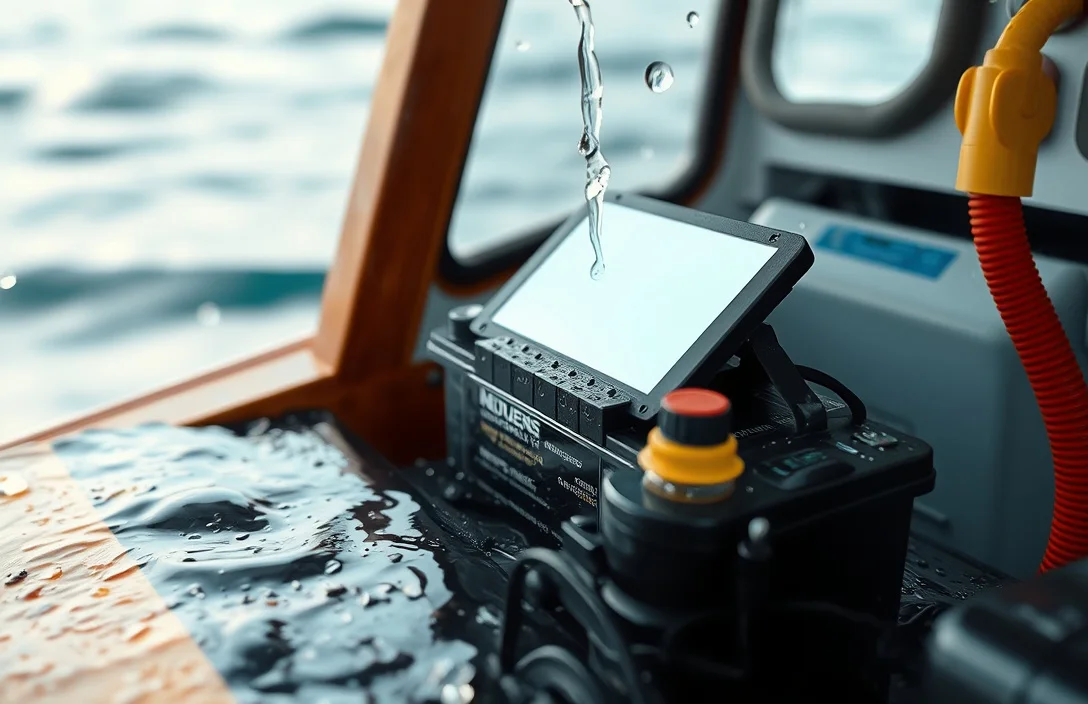
A good battery box is essential. Look for one that seals around the lid, allows venting for safety (some boxes vent to the exterior), and sits above potential bilge water levels. Mount the box on a dry surface and secure it so movement won’t expose the pack to splashes or submersion. Seal all cable entries and use gland fittings that maintain the enclosure’s integrity even when cables are connected or disconnected.
Beyond the box, the mounting and cabling layout are crucial. Keep batteries away from direct spray zones, run cables through sealed conduits, and minimize the length of exposed conductors. Use corrosion-resistant hardware and terminal protectors, especially in salt environments. Regularly inspect for white powdery corrosion around terminals, as this indicates moisture and salt are at work.
Evaluate your setup based on the environment. A marina dock with high humidity and occasional rain differs from an exposed bow on a windy day. For boats that frequently experience spray, consider additional moisture barriers like gasketed lids, moisture-absorbing desiccants inside the box, and secondary protective covers for the battery area. Each barrier reduces the chances of water reaching critical electrical joints during rough conditions.
Table: Battery Chemistries at a Glance for Water Exposure
| Flooded Lead-Acid | Immersion damages seals; electrolyte leaks possible | Not sealed by design; needs venting; subject to corrosion if water enters the vent pathsAGM (Absorbent Glass Mat) | Splash resistance; not submersible | Sealed chemistry; safer around splashes; still requires protection against full submersion |
|---|---|---|---|---|
| Gel | Sealed, vibration tolerant | Generally splash-safe; not meant for immersion; sealing is critical | ||
| LiFePO4 | Good safety profile; BMS protects against misuse | Not inherently waterproof; enclosure and wiring protection keyWhat to Do If a Battery Gets Wet |
If water exposure occurs, act quickly. First, power down the system and disconnect the negative terminal to prevent further shorting. Remove the battery from the wet area and place it in a dry, ventilated space. Do not attempt to recharge a wet battery until you’re sure every moisture path is sealed and the unit is completely dry. For saltwater exposure, rinse the exterior with fresh water if salt crust has formed, then dry thoroughly.
Next, check for signs of damage. Look for corrosion on terminals, swelling of the case, or electrolyte leakage from caps or seams. If you see swelling or leakage, treat the battery as damaged; do not reuse it, and dispose of it according to local hazardous-waste guidelines. For batteries showing only surface moisture on the exterior, dry the surface and dry-fit the terminals before re-energizing later, monitoring for any sign of heat or odor.
Finally, review the installation. Recheck sealing, box integrity, and cable protection. Ensure your bilge is dry before reinstalling the battery, and consider upgrading to a more protective housing if you’ve had water exposure in the past. If your environment is likely to produce frequent splashes or rain, adopt more protective measures before the next boating season.

Helpful pick
Interstate Batteries Marine/RV Battery 12V 100Ah 825CCA Dual Purpose Power Pure Lead AGM RV & Marine Starting Replacement Battery (Group Size 31M) Boats, RV’s (8-31MAGMDC / 31M-AGM-A)
This battery is designed to withstand harsh marine conditions, ensuring reliability even when exposed to moisture.
Maintenance, Inspection, and Best Practices
Regular care is key to protection. Inspect battery boxes and enclosures for cracks, loose lids, or degraded gaskets. Tighten terminal connections, clean away any corrosion, and reapply protective coatings designed for marine terminals. In saltwater environments, corrosion accelerants are always nearby; proactive cleaning and anti-corrosion treatments extend the life of electrical joints and cables.
Establish a moisture-control routine. Place desiccants inside battery boxes and replace them as needed. Keep the battery area ventilated to prevent gas buildup in flooded packs, especially if a lid isn’t fully sealed. Schedule seasonal inspections covering cable runs, fuse blocks, and any area where water could accumulate. A small leak today can become a major problem later if left unchecked.
With a sealed battery in a quality enclosure and regular maintenance, you can achieve years of service with minimal water-related downtime. If your usage involves frequent exposure to spray or rain, plan for more robust enclosure systems and easier maintenance access. Proper placement, protective casings, and regular checks distinguish a reliable marine power system from a recurrent maintenance headache.
Essential Gear for Protecting Marine Batteries

Newport 12V50Ah Deep Cycle Heavy-Duty Marine Battery, Lightweight & Sealed AGM, Trolling Motor Compatible
The Newport 12V50Ah Deep Cycle Marine Battery is sealed and designed to withstand wet conditions, ensuring reliable performance even in damp environments.

12V 100Ah LiFePO4 Lithium Battery, Group 31 Deep Cycle with Smart 100A BMS & Low Temp Cut-Off, 15000 Cycles 10-Year Life, Lightweight Replacement for RV, Solar, Marine, Home Backup, Off-Grid
The 12V 100Ah LiFePO4 Lithium Battery features a robust design that protects against moisture, making it ideal for marine applications where water exposure is a concern.
Choosing the Right System for Your Boat
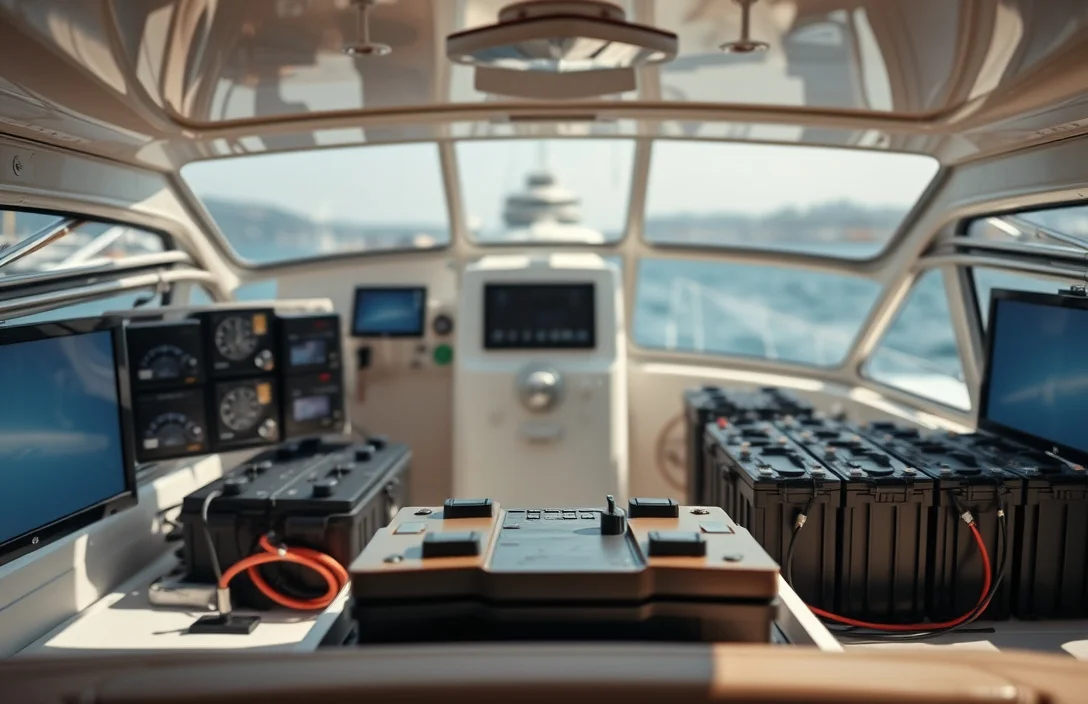
Your choice depends on risk tolerance, space, and budget. Sealed chemistries are more forgiving in wet environments but still require protective housing. Flooded packs are cheap but demand strict placement away from splash zones and consistent maintenance. Lithium options provide high performance and longer life but rely on a disciplined enclosure and battery-management system.
- For small boats frequently exposed to splash: AGM or LiFePO4 in a vented or sealed box with a robust enclosure balances safety and performance.
- For boats with tight space and minimal maintenance: LiFePO4 in a purpose-built waterproof box offers the best long-term reliability if you can invest upfront.
- For budget-focused builds: Flooded lead-acid can work if positioned away from water and housed in a high-quality battery box with proper venting; managing electrolyte safety and corrosion remains essential.
Best-practice plan: choose a sealed chemistry if your boat encounters regular waves, rain, or spray; pair it with a purpose-built waterproof, vented enclosure; maintain terminals and seals yearly; and treat any water exposure as a reason to inspect and, if necessary, replace compromised components.
| Option | Why it helps | Price | Link |
|---|---|---|---|
| OPTIMA® Batteries High Performance D34M BLUETOP® Dual Purpose Deep Cycle and Starting Sealed AGM Boat and RV Battery, 750 CCA, Dual Terminal, Maintenance Free, Versatile Mounting | This sealed AGM battery offers maintenance-free operation, ideal for wet environments on your boat. | Check price | View → |
| Interstate Batteries Marine/RV Battery 12V 70Ah 750CCA (24M-AGM) Dual Purpose Power Pure Lead AGM RV & Marine Starting Replacement Battery (Group Size 24) Boats, RV’s | A dual purpose AGM battery that performs well in marine settings, suitable for both starting and deep cycle needs. | Check price | View → |
Common Mistakes and Quick Checks
- Placing batteries in damp bilge zones. Move to a dry, ventilated space and install a proper box.
- Skipping terminal protection. Always use terminal caps or corrosion inhibitors to slow down salt-caused deterioration.
- Neglecting enclosure seals. If a lid or gasket looks worn, replace it to prevent water ingress during rain or spray.
- Forgetting to test after exposure. After a spill or splash, monitor voltage, temperature, and odor for several hours before re-energizing.
- Underestimating the need for ventilation. Flooded packs vent hydrogen; ensure a path for safe gas escape if your box is not fully sealed.
Water exposure is undesirable for any marine battery, but a properly chosen sealed chemistry in a rugged, dry enclosure can handle rain and spray without incident. Prioritize a waterproof, vented battery box, conduct regular inspections, and design a layout that minimizes water pathways to terminals.
With the right enclosure, periodic checks, and a preference for sealed chemistries in a water-smart layout, you can maintain reliable power on the water without inviting water-related failures.
FAQ
Can I leave a battery exposed to rain on a boat?
Yes, but only if it’s inside a weatherproof, gasketed enclosure with dry terminals. Direct exposure to rain without protection increases the risk of corrosion, shorting, and potential failure. Stronger protection lowers maintenance and extends life.
What should I do if a battery is submerged?
Disconnect power immediately, remove it from water, and dry it completely. Do not recharge until the device is fully dry and inspected for damage. If you see swelling or leakage, treat it as hazardous waste and replace it.
Do all marine battery types tolerate splashes equally?
No. Flooded lead-acid tolerates splash less than AGM or Gel, and none tolerate full submersion. LiFePO4 with a good BMS and a dry enclosure performs best under splash, not immersion.
How long does it take to dry a wet battery?
Drying times vary with humidity and enclosure design, but plan for at least 24 hours in a dry, warm, ventilated space. Do not apply heat directly; use desiccants and air flow to speed moisture removal.
Are there affordable ways to prevent water damage on deck?
Yes. Use a purpose-built waterproof battery box, install it in a dry area off deck, seal all cable entries, and regularly inspect seals and terminals for corrosion. These steps significantly reduce water-related failures without major cost.

- 10 Best Battery For Generator Battery Safety System 2026 - October 12, 2026
- 10 Best Battery For Generator Battery Safety Option 2026 - October 12, 2026
- 10 Best Battery For Generator Battery Safety 2026 - October 12, 2026