Can I Jump A Lawn Mower Battery With My Car?
Yes. You can jump a lawn mower battery with a car, but only if you know the battery type and follow strict safety steps. Most push and ride-on mowers use a 12V lead-acid battery that can accept a car’s power for a quick start. Avoid jumping lithium batteries, and stop immediately if you notice swelling or leaks.
12V lead-acid batteries can be jump-started with a car using proper cables, observing polarity, and keeping both engines off during the hookup. For lithium packs, skip the jump and charge according to the manufacturer’s instructions.
Key Takeaways
- Battery type matters. 12V lead-acid batteries are generally jump-friendly; lithium packs require different charging methods.
- Power down first. Turn off both engines and remove keys before connecting cables.
- Use proper cables. Use heavy-gauge jumper cables; connect red to positives first, then black to a metal ground away from the batteries.
- Limit crank time. Crank in short bursts of 10-15 seconds, pausing between attempts to prevent overheating.
- Watch for warning signs. Stop immediately if you smell gas, see smoke, or hear sizzling; disconnect and inspect.
- Know when to avoid. Do not jump lithium packs or batteries with a cracked case.
—
Understanding Battery Types and Safety
Recommended Products



Lead-acid lawn mower batteries are the most common. They come in flooded, sealed floodable, or AGM variants. If you have a true 12V lead-acid pack, a car can provide a quick boost, but you must respect polarity and ensure proper ventilation. Hydrogen gas can accumulate if a battery is overcharged or vented, so always keep the area well-ventilated and avoid sparks.
Lithium-based mower batteries are less forgiving. They rely on a Battery Management System (BMS) to control charging and protect against damage. A car’s alternator can push current in a way the BMS isn’t equipped to handle. If your mower uses a lithium pack, do not jump it with a car. Instead, use the dedicated charger or follow the manufacturer’s specific charging instructions. Lithium packs are best charged with their own charger or a portable jump starter designed for lithium chemistries.
Here’s a quick table to compare battery types:
| Battery type | Common voltage | Jump-start risk notes | Typical examples |
|---|---|---|---|
| Lead-acid (12V) | 12V | Generally safe with proper hookup; venting risk if misused | Flooded, AGM, and SLA cells |
| AGM lead-acid | 12V | Similar to flooded; maintenance-free, sealed | Modern push mowers, some ride-ons |
| Lithium-ion | varies (often 20V-60V) | Not recommended to jump; BMS and cell balance risks | Many cordless mower tools and newer mowers |
If you’re unsure of the battery type, check the label on the battery housing. A simple 12V label indicates a possible jump. If there’s no 12V label or the battery packaging looks unfamiliar, treat it as a no-jump situation and use the manufacturer-approved method.
—
Step-by-Step Jump Start with a Car
Recommended Products


Begin with two core rules: keep engines off and cables correctly connected. The goal is to provide enough current to crank the mower’s starter briefly, then remove power to avoid overdoing it. The following method uses the mower’s battery for a quick boost from the car.
Ensure the mower is upright and on a flat surface. Remove the key from both vehicles and check for fuel or oil leaks. Clear any loose clothing or jewelry, and tie back long hair. Maintain a clean, dry work area with good lighting, and avoid open flames or sparks. If you smell strong fumes, stop immediately.
1) Position the vehicles close enough for the cables to reach without tension.
2) Turn off both engines and remove the keys. Disable any accessories to avoid sparks.
3) Connect the red clamp to the positive terminal on the car battery, then to the mower’s positive terminal. Ensure a solid connection on both ends.
4) Connect the black clamp to a solid ground on the car chassis away from the battery, then to a non-painted metal surface on the mower or its engine block. Avoid connecting the black clamp directly to the mower’s negative terminal if a better ground is available.
5) Start the car and allow it to run for about 1-2 minutes, giving the mower’s battery time to accept current. If the mower starts, disconnect the clamps in reverse order: black ground, then red positive.
6) After the mower starts, let it run for 5-10 minutes to recharge a bit. If it doesn’t start, do not persist beyond a few attempts and diagnose the issue further.
The goal is a controlled, short boost rather than extended cranking. If the mower won’t respond after a couple of tries, there is likely a deeper issue such as a discharged starter, corroded terminal, or damaged battery. In that case, use a dedicated charger or seek service.
If using a portable jump starter designed for 12V lead-acid packs, the steps are similar. Follow the device’s instructions and ensure its battery type matches your mower’s battery.
—
Troubleshooting If It Still Won’t Start
Recommended Products


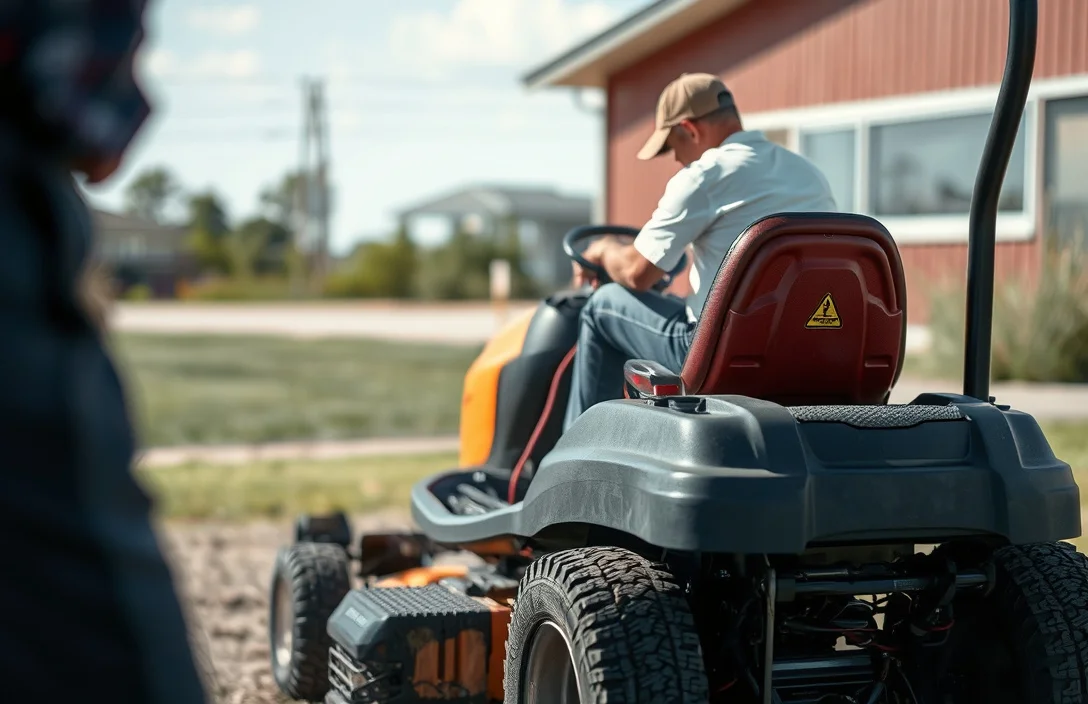
If the mower still won’t start after a controlled jump, perform a few practical checks. Inspect the battery terminals for corrosion or loose connections; corroded terminals can prevent current flow. Clean terminals with a baking soda solution and a wire brush if you have the tools, then reconnect and attempt another brief crank.
Check the fuel system and air intake. A fuel-starved engine or clogged air filter can mimic a dead battery. If you smell fuel or hear a hard crank without it turning over, the issue might be fuel delivery. Stale fuel can prevent starting even when the battery is fine. Many starting problems involve the ignition switch, safety interlocks, or a faulty starter motor rather than the battery itself.
If these checks don’t resolve the issue, don’t force it. A damaged battery, swollen case, or cracked terminal poses a safety risk. Have a technician inspect the battery and charging system. For battery-powered electric mowers, the problem might be the battery pack itself, which often requires replacement rather than jump-start repairs.
—
Safety Gear and Precautions
Recommended Products

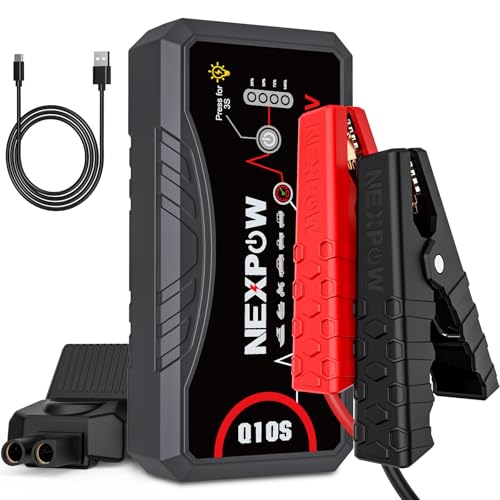
Protective gear is as crucial as the jump itself. Wear safety glasses to guard against sparks and gloves to protect your hands from sharp edges and clamps. Glasses are essential whenever working around a battery, especially with acid exposure risks. Keep a fire extinguisher rated for electrical fires nearby in case of emergencies, and never smoke or use an open flame near a charging setup.
Do not attempt to charge a damaged battery. If you see cracks, bulging, or leaking fluid, isolate the battery and avoid jumping. Damaged cells can vent dangerous gases and may ignite if sparked. If you accidentally connect the cables incorrectly, disconnect immediately and recheck polarity. A moment of care can prevent larger issues down the line.
—
Alternatives to Jumping
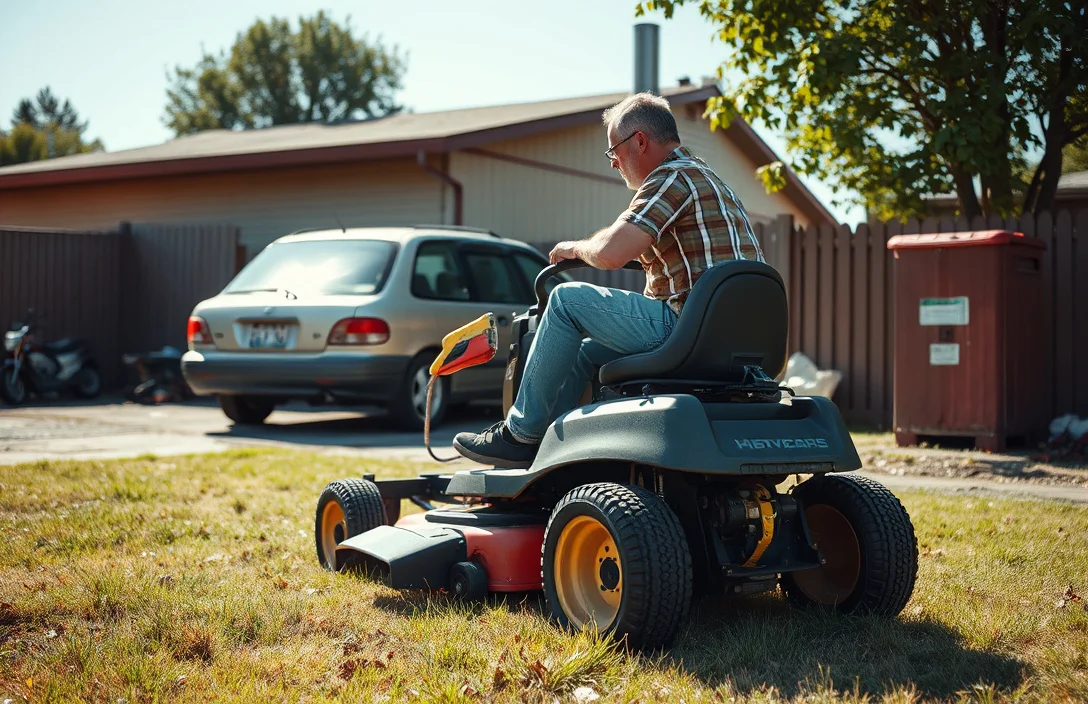
Using a dedicated 12V battery charger is safer and more reliable than a one-off jump start. If you frequently encounter a dead mower battery, a small smart charger is worth the investment. A portable jump starter designed for 12V lead-acid systems offers faster starts and built-in safety features.
If you have access to a neighbor’s vehicle or a second mower with a healthy battery, you can borrow a boost but treat it like a car-to-mower jump. For lithium-based packs, the recommended approach is direct charging with the manufacturer’s charger. Jump-starting a lithium pack with a car is not advised due to risks of BMS tripping or cell damage.
—
Maintenance to Avoid Future Jumps
Recommended Products


Regular maintenance reduces the odds of needing a jump. Check battery terminals for corrosion every few months and clean them as needed. Ensure the battery is fully seated and the cable clamps are tight to prevent voltage drops during starts. If you notice frequent sulfation on lead-acid packs, equalize the charge or replace the battery.
For sealed or AGM batteries, monitor the water level only if the battery isn’t maintenance-free; add distilled water if needed according to the manufacturer’s recommendations. For lithium packs, follow charging guidelines exactly, and never exceed high-current limits. A well-maintained battery is reliable and helps you avoid frustrating starts.
—
FAQ
Can I jump a lawn mower 12V lead-acid battery with my car?
Yes, for 12V lead-acid packs you can jump with a car, but use correct polarity, a solid ground away from the battery, and brief crank times. Do not attempt with lithium packs or damaged batteries.
Is it safe to jump a lawn mower with a lithium battery using a car?
Not generally safe. The lithium pack relies on a BMS, and a car’s current can bypass protections or over-stress the cells. Use the manufacturer’s charger or a compatible jump starter designed for lithium chemistries.
What are the exact steps to jump-start safely?
Turn off engines, connect red positive clamps to each positive terminal, then connect black negative clamps to a ground away from the batteries. Start the car, then try to start the mower in short bursts. Disconnect in reverse order after the mower runs.
How long should I crank after connecting?
Try 10-15 seconds, then pause for a minute before another attempt. Continuous cranking can overheat the starter and cause damage.
What should I do if the mower still won’t start after a jump?
Check terminals for corrosion, ensure connections are tight, verify the battery isn’t damaged, and inspect the fuel and air system. If issues persist, consult a technician or use a dedicated charger.
—
Jump-starting a lawn mower battery with a car is generally feasible for 12V lead-acid packs when done safely and cautiously. If you’re uncertain about the battery type or face damage or persistent failure, opt for a dedicated charger or a portable jump starter designed for that chemistry, and seek professional help. The safest approach is to identify the battery type first, then choose the right method for a reliable restart.

- 10 Best Battery For Generator Battery Safety System 2026 - October 12, 2026
- 10 Best Battery For Generator Battery Safety Option 2026 - October 12, 2026
- 10 Best Battery For Generator Battery Safety 2026 - October 12, 2026