Do Electric Screwdrivers Use Batteries Too?
Corded models run from a wall outlet and never have a battery. Cordless versions pack a rechargeable battery inside, making them portable but requiring charging and occasional maintenance. Do electric screwdrivers use batteries too? Yes, for cordless tools; no, for corded ones.
Cordless screwdrivers rely on internal rechargeable cells, while corded tools operate directly from mains power. The battery choice affects runtime, weight, and cost. Most cordless tools use Li-ion cells for a favorable balance of energy density and longevity, with charging circuits that protect against overcharge and overheating.
Key Takeaways
- Power source. Corded drivers need a plug; cordless rely on a built-in battery.
- Chemistries. Three common battery chemistries appear in cordless screwdrivers: NiCd, NiMH, Li-ion.
- Runtime reality. Higher capacity batteries mean longer usable time between charges.
- Charging behavior. Modern chargers protect against overcharge and extend battery life.
- Cost trade-off. Cordless kits cost more upfront but offer portability; expect battery replacement over time.
Corded vs. Cordless
Recommended Products

Corded screwdrivers provide continuous power as long as you’re near an outlet. They’re typically lighter because there’s no heavy battery to carry, and you don’t have to plan for charging downtime. This makes them ideal for long sessions in a workshop or when driving many screws in a single project.
Cordless screwdrivers, by contrast, trade a constant power supply for portability. You can work in tight spaces or outdoors without chasing a power outlet. The trade-off is battery life; expect to recharge between sessions and account for battery age, which reduces capacity over time. For many DIY users, convenience often tips the balance in favor of cordless tools.
Your decision usually hinges on where you intend to work most often. If outlets are plentiful and your project is stationary, a corded model is simple and reliable. If you move between rooms or need overhead access, a cordless tool wins.
Powering Cordless Screwdrivers
Recommended Products


All cordless screwdrivers house a battery pack inside the handle or under a small cover. Some designs feature removable packs you can swap, while others have fixed packs that must be replaced as a unit. This distinction affects storage and the convenience of keeping a spare battery ready.
The battery is paired with electronics that manage discharge and charging. Lithium-ion cells dominate new tool lines for their light weight and good energy density. Older designs may still use nickel cadmium or nickel metal hydride cells in budget models. A built-in battery management system prevents deep discharge and overheating, preserving battery life and protecting the tool’s electronics.
Two practical consequences arise from this setup. First, you gain true portability, allowing you to work away from outlets. Second, consider your charging habits and the need for battery replacements. An aged or poorly cared-for battery reduces runtime and can limit performance on larger projects.
Most users appreciate Li-ion-powered models for their higher energy density, lighter packs, and longer life with less memory effect than NiCd. The trade-off is cost: Li-ion packs and chargers are usually pricier, but they provide more power per gram and more charging cycles.
Battery Chemistries and Trade-Offs
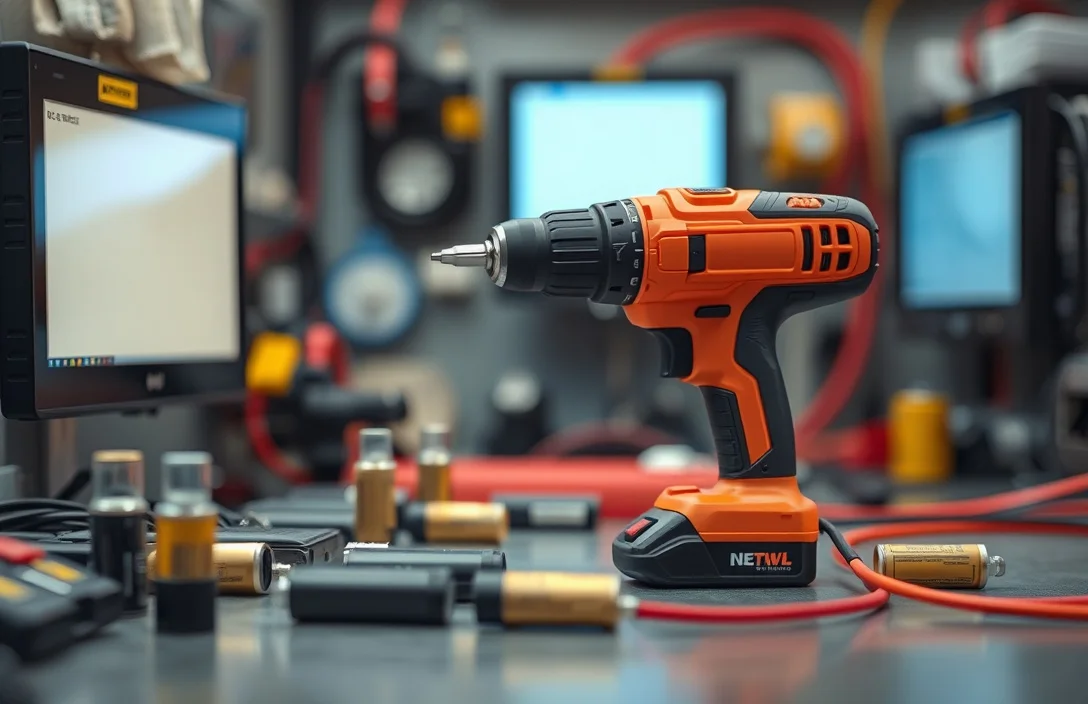
Three common battery chemistries appear in cordless screwdrivers: NiCd, NiMH, and Li-ion. NiCd cells are inexpensive and rugged but suffer from memory effects and lower energy density, making packs heavier. NiMH offers better capacity and fewer memory issues but can run hot under heavy use. Li-ion provides the best energy density, lighter packs, and longer cycle life, plus no memory effect, but generally comes at a higher upfront price and requires compatible chargers.
Li-ion is the standard in modern cordless tools because it minimizes weight while maximizing usable energy. NiMH remains a solid option for budget models. NiCd is rarely used today, mostly in very low-cost tools, and should be avoided for new purchases due to memory concerns and slower charging.
For a typical homeowner, Li-ion cordless screwdrivers offer the best mix of balance and reliability. When buying, check that the pack is Li-ion or that the brand lists it explicitly. Consider the voltage rating, battery capacity, and charger’s protection features. A higher voltage delivers more torque for tougher screws but isn’t the only factor in real-world performance.
Charging and Care
Charging behavior is as important as battery chemistry. Modern cordless screwdrivers come with smart chargers that stop charging when the pack reaches its safe limit. This prevents overcharge, reduces heat buildup, and extends battery life. Some chargers monitor temperature and adjust the charging rate to protect the cells.
Battery care includes avoiding complete deep cycles, storing batteries properly, and keeping contacts clean. If you won’t use the tool for extended periods, store the battery with a partial charge rather than fully drained. Most manufacturers provide guidance on storage levels; a practical rule is to keep the battery around mid-capacity if it won’t be used for weeks.
Table: Corded vs. Cordless at a Glance
- Power source: Corded uses mains power; cordless uses an internal battery.
- Runtime: Corded runs indefinitely; cordless depends on battery state.
- Weight: Corded can be lighter; cordless is heavier due to the battery.
- Portability: Corded is limited by outlets; cordless is portable anywhere.
- Maintenance: Corded needs little beyond cleaning; cordless requires battery care and replacement.
Choosing the Right Tool
For frequent DIYers who work around the house and want to minimize interruptions, a cordless screwdriver with Li-ion cells is often the best fit. You gain mobility, the ability to work on a scaffold or in a sparse shop, and quick access without hunting for a charger. If your tasks are concentrated at a workbench with reliable power, a corded option is simplest, cheapest, and most durable for long sessions.
Consider these questions to decide:
- Do you often work in spaces without outlets or on ladders? If yes, go cordless.
- Do you perform long sessions with continuous driving? If yes, consider a corded model or a high-capacity cordless with a spare battery.
- Are you okay with occasional battery replacements? If yes, cordless makes sense, but budget for packs.
- Will the tool be shared or stored in a garage or shed? A cordless kit with a spare battery helps here.
- Do you prioritize weight and balance? Li-ion cordless tools typically offer the best torque-to-weight ratio.
Practical Buying Checklist:
- Confirm the battery chemistry is Li-ion for best performance.
- Look for a tool with a quick, efficient charger and smart charging protection.
- Check whether the kit includes at least one spare battery or a swap-in pack.
- Compare voltage ratings in the 3-12 V range for light tasks; higher for heavier screwdriving.
- Ensure the grip feels comfortable and the chuck size matches your common screw types.
Maintenance and Safety Tips
Keep the tool clean and dry, and store it in a cool, dry place. When swapping batteries, handle packs with care and never force a damaged connector. Avoid exposing battery packs to extreme temperatures; they shorten cycle life. If the battery swells, smells odd, or shows sudden capacity loss, replace it and recycle the old pack properly.
Most failures stem from neglecting charging cycles and poor storage. Regularly cycle a spare battery through a full charge and discharge if the pack isn’t used for weeks. Clean the contacts and ensure the charger matches the battery chemistry. A little routine care pays off with longer performance and fewer breakdowns.
Practical Verdict and Next
If portability and versatility top your list, choose a cordless screwdriver with Li-ion cells and at least one spare battery. If you mostly work at a bench and want uninterrupted use, a corded model is your most economical, low-maintenance choice. Match the tool to your typical projects and budget for batteries or a spare pack as part of the total cost of ownership.
FAQ
Are cordless screwdrivers less powerful than corded ones?
Cordless screwdrivers can deliver torque comparable to affordable corded models, but high-end corded tools may surpass entry-level cordless options. A modern Li-ion cordless driver offers ample power for common household tasks, provided you choose a model with sufficient voltage and a good chuck.
Do cordless screwdrivers come with batteries?
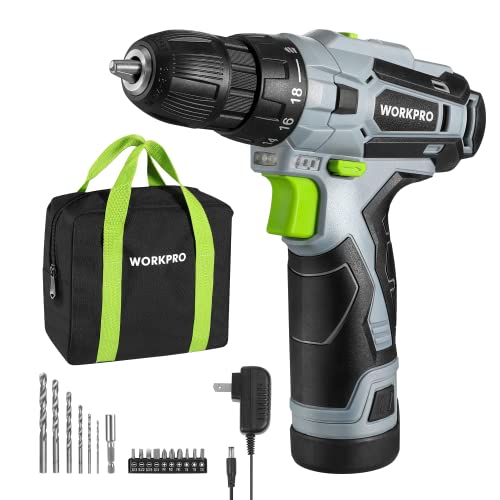
Most cordless screwdrivers include a battery pack and a charger, but some budget options sell empty shells or require separate purchases. Always verify what’s included before purchase, especially if you’re budgeting for a spare battery. Look for a kit that includes at least one spare pack for uninterrupted work.
How long does a cordless screwdriver battery last on a charge?
Runtime varies by battery capacity, tool efficiency, and the task. A typical home-use Li-ion pack provides several dozen minutes to a few hours of screw-driving per charge, depending on the screw size and how aggressively you drive screws. Expect shorter runtimes for larger screws and longer runs with lighter fasteners.
Can I replace a battery myself?
Yes, many cordless screwdrivers use swappable packs that you can replace or upgrade. Ensure you buy the correct chemistry and voltage for your model, and follow the manufacturer’s safety instructions. Use only manufacturer-approved batteries to avoid safety risks.
Are there safety risks with cordless screwdriver batteries?
All rechargeable packs carry some risk if damaged, overheated, or punctured. Avoid exposing packs to high heat, water, or crush forces. If you notice swelling, leakage, or unusual heat, stop using the tool and replace the pack. Handle damaged packs with care and recycle properly.

- 10 Best Battery For Generator Battery Safety System 2026 - October 12, 2026
- 10 Best Battery For Generator Battery Safety Option 2026 - October 12, 2026
- 10 Best Battery For Generator Battery Safety 2026 - October 12, 2026