Can You Put A Car Battery On Concrete?
Car batteries don’t lose charge just by sitting on concrete, but that old myth still circulates in garages and forums. The floor mainly affects heat and moisture, not as a charge sink. A battery on a dry, nonconductive base remains safer and more stable than one resting on a damp, conductive surface. This guide provides practical insights for storing, moving, and using batteries without second-guessing concrete.
A car battery on concrete is generally safe, but surface choice matters. Concrete itself won’t drain a charge under typical garage conditions. The real concerns are heat transfer, moisture exposure, and potential leaks from a damaged case. Use a nonconductive, dry surface to minimize corrosion risk and simplify maintenance.
Key Takeaways
- A car battery on concrete does not automatically discharge just from contact with the floor.
- Temperature and moisture are the primary factors impacting longevity and safety.
- Place batteries on a nonconductive surface like wood, plastic, or a rubber mat.
- A damaged or leaking battery should be isolated on a tray to protect the floor and catch acid.
- Store batteries in a cool, dry area away from heat sources and metal edges.
What Really Happens When a Battery Sits on the Floor
Recommended Products


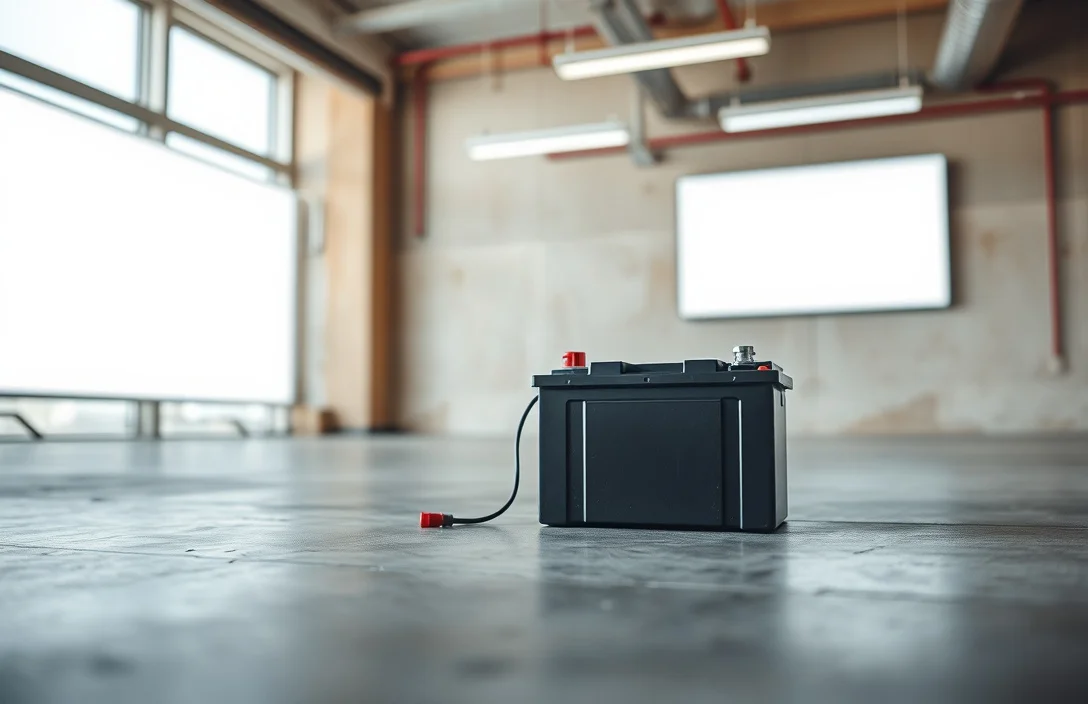
The myth that concrete drains a car battery likely stems from outdated lead-acid battery knowledge. Some older floors could be damp or chemically reactive, potentially allowing a battery case to absorb moisture over time. Modern batteries, whether standard flooded lead-acid, AGM, or LiFePO4, are sealed and designed to resist external moisture transfer. While the floor can feel like a different temperature or humidity environment, it doesn’t siphon away electrical charge.
In practice, you won’t notice measurable discharge simply from contact with a concrete slab. The key risks stem from external conditions around the battery. Batteries can age and self-discharge over time, and a weak or damaged case can leak corrosive electrolyte. Temperature swings and humidity are the culprits that affect performance or accelerate wear. The floor becomes problematic only if it forces the battery into heat, moisture, or corrosion-prone contact with metal or dirt.
For example, a cold concrete floor in winter can lower the battery’s surface temperature, slowing internal chemical reactions and temporarily reducing available capacity. In hot environments, concrete can act as a heat sink, potentially raising the case temperature if the battery is exposed to direct sunlight or placed near a heat source. Neither scenario guarantees failure; each merely shifts performance dynamics slightly.
In a garage, the floor also impacts ease of inspection and maintenance. Spills, dust, and moisture at floor level can migrate to terminals and vent caps if you’re not careful. A dry, clean surface prevents corrosion on terminals and helps you spot leaks quickly. Keep the area clean and dry, rather than worrying that concrete drains energy.
How the Floor Shape Can Influence Battery Life
Recommended Products


Temperature control matters more than the surface material. Batteries function best within a moderate temperature range; extreme cold or heat reduces performance and accelerates aging. A concrete floor near a heater, boiler, or sunlit doorway can create localized heat spikes that stress the battery’s plastic case and seals. In contrast, a cool, shaded spot on a wooden board or plastic tray minimizes rapid temperature swings.
Moisture is another significant influencer. If a battery leaks, electrolyte or corrosion byproducts can seep into concrete cracks, creating long-term floor issues. A nonconductive tray or thick mat prevents leaks from penetrating the slab and simplifies cleanup. In humid environments, condensation can form on metal terminals, especially in poorly ventilated spaces. Regular inspection helps avoid small problems becoming larger ones.
Three practical factors to monitor when a battery sits on concrete:
- Heat exposure: Direct sunlight, nearby appliances, or hot workshop areas increase deformation risk.
- Surface moisture: Damp floors invite corrosion at terminals and on tray edges.
- Vibration and movement: Repeated bumps on a hard concrete surface can loosen connections or damage a case.
The simplest solution is a dry, flat, nonconductive base. A wooden board, thick plywood, or rubber mat elevates the battery from moisture and reduces direct heat transfer. It also simplifies positioning a battery charger, jump-start cables, or a battery maintainer without sliding the unit around.
How to Store a Car Battery on Concrete (or Off It)
Recommended Products

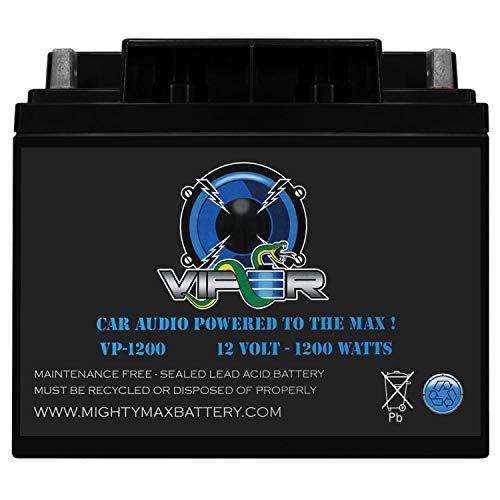
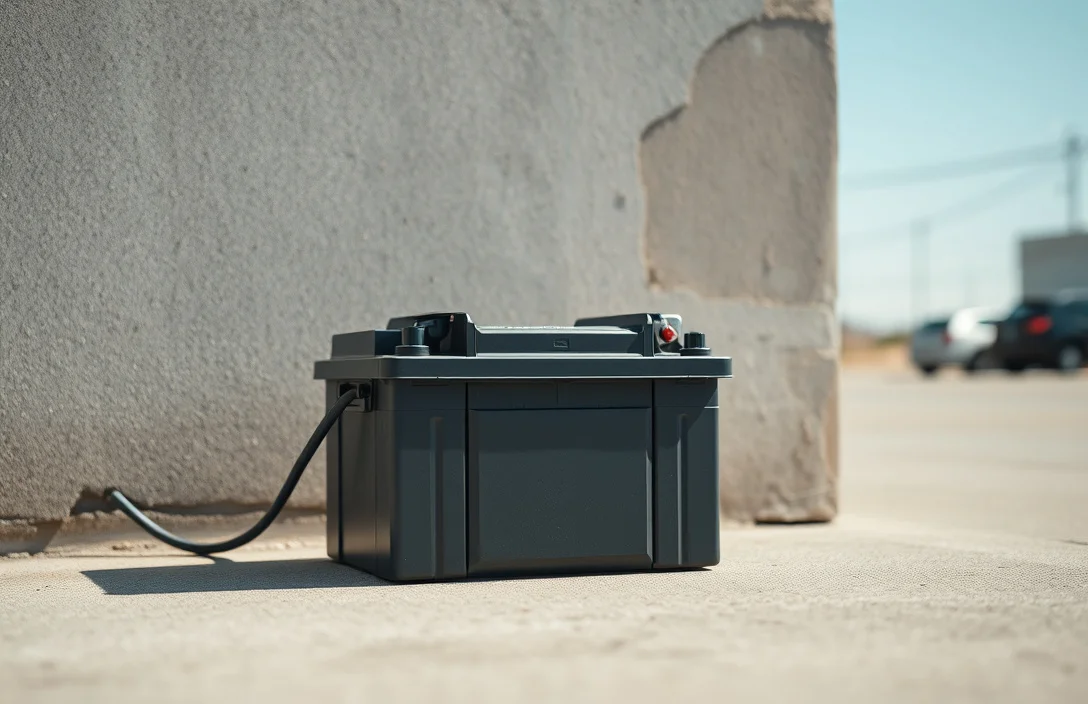
Proper storage starts with the surface, then considers the surrounding environment. Keep batteries in a cool, dry area with good ventilation and away from flammable materials. If you must place a battery on concrete, use a nonconductive tray or board that elevates the unit a few millimeters off the concrete, reducing moisture contact and easing cleanup if a leak occurs.
Follow this sequence: inspect the battery for cracks, leaks, or corrosion before placing it on any surface. Attach protective caps or vent plugs if applicable, ensuring they fit correctly. Position the battery on a tray or mat away from metal tools or equipment that could bridge terminals. Maintain a clean area around the battery, free of humidity traps like damp rags or standing water.
Here’s a practical checklist to keep handy:
- Surface choice: Nonconductive base (wood, plastic, or rubber mat) on top of concrete.
- Ventilation: Ensure airflow; avoid sealed corners.
- Temperature: Keep away from extreme heat sources and direct sunlight.
- Leaks: Store on a tray or spill-proof liner; never directly on concrete if the battery shows signs of leaking.
- Maintenance: Inspect terminals for corrosion weekly and clean with a mild solution if necessary.
- Handling: Wear eye protection and gloves when removing or installing batteries.
To help you compare options, see the storage setups table below, which highlights common choices and practical verdicts for home or shop settings.
| Setup | Heat Transfer Risk | Moisture Risk | Floor Protection | Practical Verdict |
|---|---|---|---|---|
| Concrete Directly | Moderate in warm rooms | Higher if floor damp | No protection | Not ideal for long-term storage |
| Wood Board | Low to moderate | Low | Good barrier from moisture | Prefer for stability |
| Rubber Mat | Low | Low | Excellent barrier; easy cleanup | Best overall portable option |
Avoid battery storage in unventilated closets or tightly enclosed spaces. Don’t stack batteries; keep them separated for easy inspection. If a battery is damaged or leaking, move it to a ventilated area away from metal, then clean the spill with baking soda to neutralize acid before disposal. Never ignore a crack or bulging case; replace the battery instead of trying to patch it up.
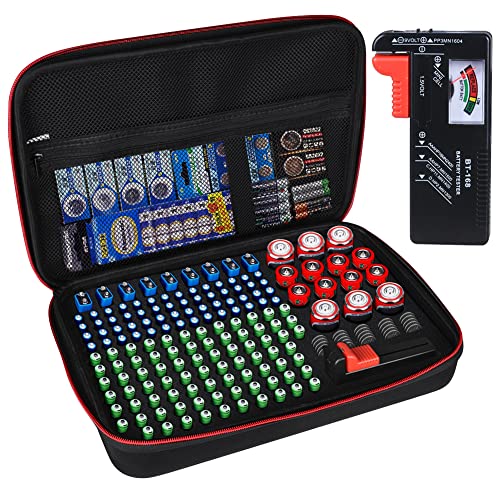
Helpful pick
Battery Organizer Storage Box with Tester, Battery Vault Case Fireproof Waterproof Explosionproof Holder Box with Tester BT-168 Checker Carrying Case Container Bag Fit for 200+ Batteries AA AAA C D 9V
This fireproof and waterproof battery organizer ensures safe storage while protecting against potential hazards.
Battery Chemistries and How They React to Concrete Storage
Lead-acid and AGM batteries have similar storage considerations. They’re robust, but corrosive gases can escape if the case vents due to overheating or damage. A sealed LiFePO4 battery behaves differently; it’s less prone to gas buildup but still requires a stable, cool storage environment and protection from sharp temperature swings. Regardless of chemistry, the main dangers on concrete are moisture exposure, physical damage from impacts, and improper charging or disconnection that creates spark risks.
When choosing a storage surface, consider each chemistry’s specific needs. Flooded lead-acid cells need more ventilation due to hydrogen gas during charging, so avoid closed cabinets. AGM and LiFePO4 cells perform best on nonconductive surfaces that resist corrosion and allow easy terminal inspection. Storage solutions should minimize thermal stress, especially in garages with variable weather.
You’ll notice the difference during charging and maintenance. A battery on a board or mat is easier to access, reducing the chance of accidentally loosening terminals. It also simplifies sliding a charger underneath or tilting the unit for maintenance without dragging it across a damp concrete surface. Chemistry dictates safe handling, but surface choice affects daily upkeep and longevity.
Essential Accessories for Safe Battery Storage

BTSKY 1 Pack Clear Acrylic Battery Storage Organizer for AA, AAA, 9V, C Batteries, 4-Drawer Storage Box Battery Holder Organizer for Common Types Batteries, Household Container(Batteries Not Included)
The BTSKY Battery Storage Organizer keeps batteries off concrete surfaces, preventing potential damage from cold temperatures and moisture that can affect battery performance.

Zeee Fireproof Explosionproof Large Capacity Battery Storage Guard Pouch for Lipo Charge & Storage (8.46 x 6.5 x 5.71 in)
The Zeee Fireproof Battery Storage Pouch provides a safe, insulated environment for batteries, protecting them from the negative effects of being placed directly on concrete.
What to Do and What to Avoid
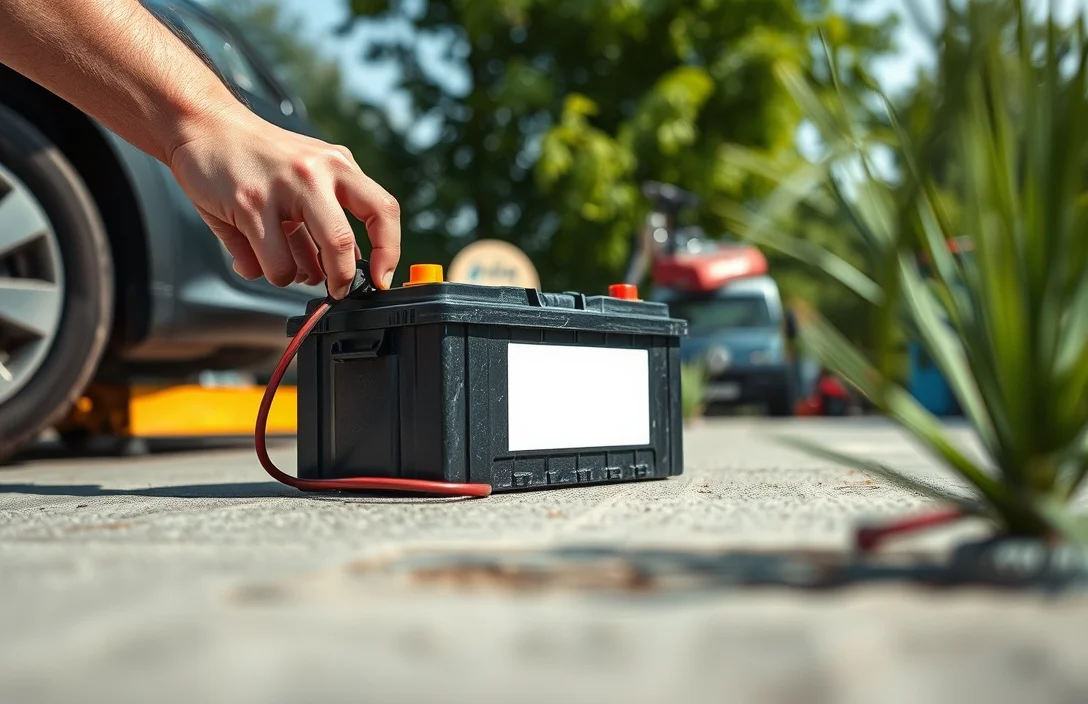
Handling a car battery on concrete requires awareness of weight, acid, and fumes. Batteries are heavy and can cause back injuries if lifted improperly. Always use proper lifting techniques or have a second person assist with heavier units. When positioned on a board or mat, weight distribution is more even, reducing the risk of cracks or leaks during movement.
Maintenance is straightforward but essential. Clean terminals with a wire brush or terminal cleaner if you notice corrosion. Corrosion is more likely if the surface is damp or if there’s leaking electrolyte. After cleaning, re-tighten clamps and check the battery’s voltage with a multimeter if available. If you see any signs of bulging, swelling, or cracks in the case, replace the battery immediately and dispose of it following local regulations.
Safety gear is crucial. Wear eye protection and gloves when handling batteries, especially if you suspect a leak. Work in a well-ventilated area to avoid inhaling gases released during charging. Keep a baking soda solution handy to neutralize acid spills on concrete or trays. Never store a damaged battery in a tight, floor-level space where fumes can accumulate.
What to Do if You’re Moving a Battery to a Concrete Workspace
- Inspect first. Look for cracks, bulges, or leaks. Any sign of damage means treat it as hazardous and replace it.
- Prepare the surface. Set the battery on a wooden board, plastic tray, or rubber mat to minimize direct contact with concrete.
- Clamp secure. Attach terminals carefully, ensuring cables or jump leads won’t snag or short against metal.
- Vent and monitor. Keep the area ventilated and regularly check for signs of corrosion or heat buildup during charging.
- Store safely. When not in use, keep the area dry and cool, and consider charging regularly to maintain charge.

Helpful pick
Amazon Basics Portable Battery Storage Case with Tester, Wall-Mounted Design, Carrying Handle, Holds 110 Batteries, 9.37 x 11.69 x 2.91 inches, Clear/Black
This portable battery storage case keeps your batteries organized and safe while you prepare your workspace.
FAQ
Q: Will concrete drain a car battery when parked in a garage?
A: No. The concrete floor itself doesn’t drain the charge. The bigger risks are moisture, heat exposure, and a damaged case that can leak. Store on a nonconductive surface and inspect regularly.
Q: Is it safe to leave a charged battery on concrete while I’m doing maintenance?
A: Yes, as long as you prevent sparks and keep the area well-ventilated. Use a nonconductive base, keep clamps away from metal, and avoid direct heat sources.
What surface is best for a battery you’re routinely charging?
A: A wooden board, plastic tray, or rubber mat on top of a dry concrete floor. These surfaces reduce heat transfer and corrosion risk, making maintenance easier.
| Option | Why it helps | Price | Link |
|---|---|---|---|
| GlossyEnd Set of 4 – Two AA and Two AAA Battery Storage Box, Battery Storage Case Holder with Tester, Clear. Each Case Stores 48 Batteries | Keep your batteries organized and protected while charging on a wooden board or mat. | Check price | View → |
| Ontel Battery Daddy Smart – Battery Organizer Storage Case with Tester, Stores & Protects Up to 150 Batteries, Clear Locking Lid, As Seen On TV, Smart – 150 Batteries (BADAS-MC4) | This organizer allows you to store and protect batteries safely, reducing maintenance hassle. | Check price | View → |
How should I dispose of a damaged battery that leaked on concrete?
A: Isolate the area, ventilate the space, neutralize any acid with baking soda, and follow local hazardous waste disposal rules. Do not dispose of it with regular household trash.
Q: Are there differences between lead-acid and LiFePO4 on concrete?
A: The fundamental advice is the same – avoid moisture and heat exposure, use a nonconductive surface, and maintain ventilation. LiFePO4 is more tolerant of some conditions due to a robust BMS, but safe handling remains essential.
Verdict and Next
If you’re storing or working with a car battery, treat concrete as a neutral backdrop rather than a threat. The real decisions involve managing heat, moisture, and leaks. Use a nonconductive surface, keep the area dry and ventilated, and inspect for damage regularly. Your setup should be straightforward: a board or mat on concrete, clean and dry surroundings, and a clear path for maintenance and charging. For an easy upgrade, consider a dedicated battery storage tray and a divider to prevent tools from accidentally contacting terminals.
With proper surface choice and routine checks, you can extend battery life and reduce safety risks without fuss. The concrete itself isn’t the enemy; mismanagement is. Start with a nonconductive base, keep the space dry, and you’re already ahead.

- 10 Best Battery For Generator Battery Safety System 2026 - October 12, 2026
- 10 Best Battery For Generator Battery Safety Option 2026 - October 12, 2026
- 10 Best Battery For Generator Battery Safety 2026 - October 12, 2026