Can Cold Drain A Car Battery? Explained Simply
Yes. Cold temperatures drain a car battery by slowing chemical reactions inside the cells and increasing the engine’s starting demands. In freezing weather, capacity falls and cranking power drops, especially if the battery is old or the car sits idle for long periods. Understanding the mechanics helps you decide when to replace, upgrade, or pre-warm.
Key Takeaways
- Cold reduces capacity. Freezing conditions can cut usable battery capacity by 20-60 percent, depending on age and charge.
- Engine cranking demand rises. Starting requires more current in the cold, stressing worn batteries.
- Older batteries fail sooner. The older the battery, the quicker voltage sags in subfreezing temps.
- Parasitic loads matter more. Accessories left on during cold starts drain additional power.
- Pre-warm improves reliability. A block heater or stored-in-a-garage approach significantly lowers start risk.
Can Cold Temperatures Drain a Car Battery?
Recommended Products


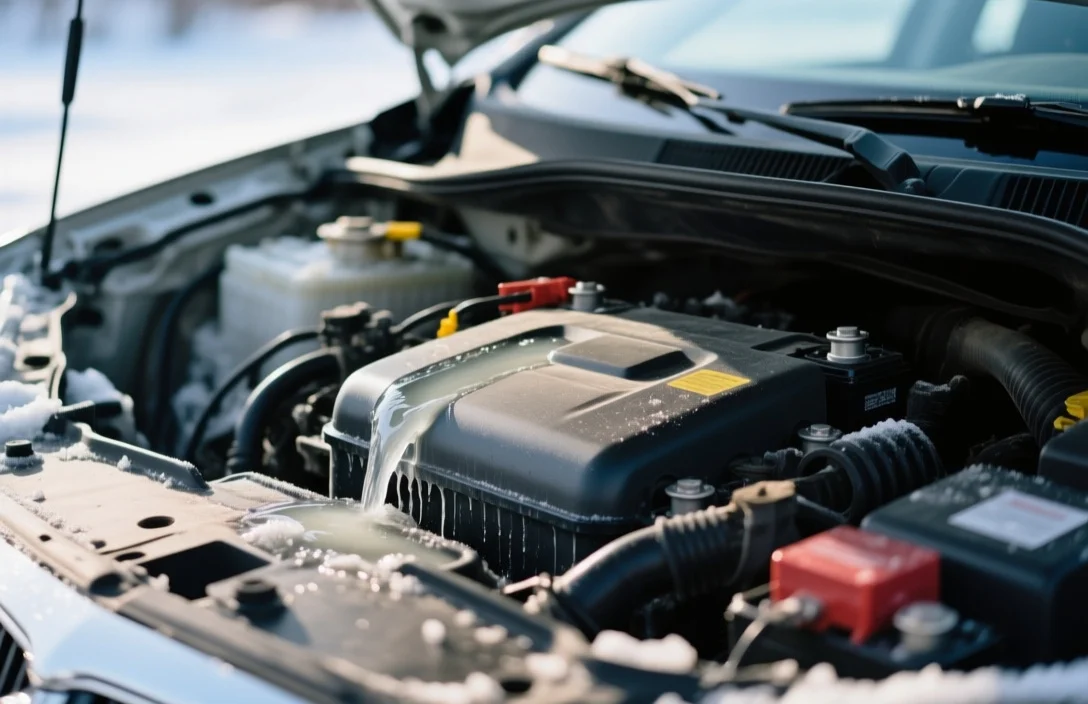
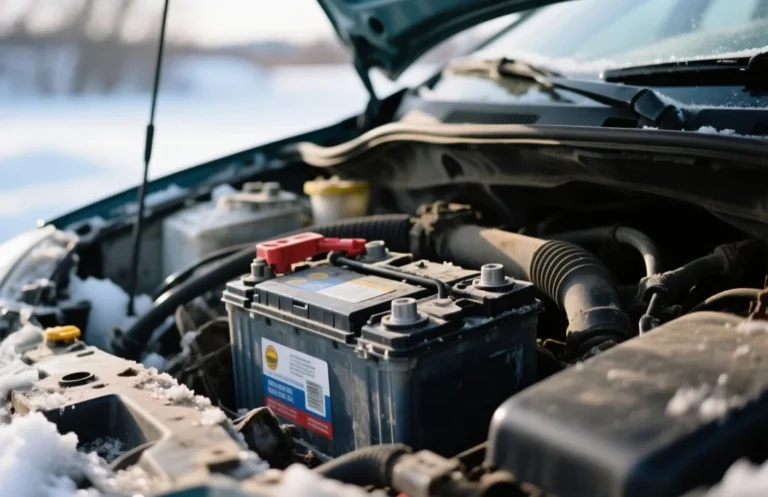
Cold drains a car battery because chemical reactions inside the cells slow as the temperature drops. That slowdown means less current is available when you crank the starter. In winter mornings, cranks can be longer and electrical performance weaker. Freezing weather can drain a battery anywhere from 30% to 60%, especially when the battery is older or near the end of its life. A battery that’s already weak will show startup trouble sooner than a fresh one.
Two forces collide: cold lowers capacity, and the engine demands more power to start, so the available current is spread thinner. If you park outside and let the car sit, the dual hit – low capacity plus higher startup draw – raises the risk of a no-start.
Winter is a test of battery health. A battery that tests well in warm months can falter in cold if it’s aged, sulfated, or has corroded connections. Winter readiness isn’t just about a charged battery; it’s about keeping the chemistry robust under stress.
If your battery is older than about three to five years, plan autumn checks and expect higher no-start risk in deep cold. A healthy battery in a well-warmed garage is far more reliable than a worn one left to fight the cold.
In short, cold drains a car battery, and age, parasitic loads, and winter storage habits magnify the effect. You can mitigate the risk with proactive maintenance, proper storage, and battery care that keeps the chemistry from buckling when you need it most.
Two practical consequences follow. First, prioritize a pre-winter battery health check, especially if the car sits idle or you routinely drive short trips. Second, if repeated freezes are common, consider a battery with better cold-weather performance or a thermal solution to keep the battery warmer longer.
For example, a near-dead battery can fail to turn over on a polar morning even if the alternator is healthy. A warm engine bay, a ready jumper pack, or a freshly charged battery designed for cold climates are the most reliable fixes. Those steps reduce the chance of getting stranded.
How Cold Weather Affects Battery Chemistry
Cold slows the chemical reactions inside a battery. That slowdown raises internal resistance, lowers available current, and reduces overall capacity. Lead-acid chemistries are especially sensitive because the electrolyte thickens as temperatures drop, impeding ion flow. AGM and lithium chemistries handle cold better, but they’re not magical shields; they still lose capacity and efficiency when the temperature dives.
A battery that looks fine at room temperature can underperform in winter. If the battery is older, sulfation worsens the drop in performance, increasing start times and stress on the system. The result is not just a sluggish start; there’s a higher risk of a dead battery after several very cold mornings or long idle periods in a cold garage.
Cold weather raises the starting current required for ignition while reducing the battery’s ability to deliver that current. Add in heated seats, defrosters, or cabin heaters, and you push the system to its failure threshold sooner. The chemistry is unforgiving once sulfation advances and internal resistance climbs.
Winter design choices come down to margin. A highway-driven car with a newer battery will likely pass the season with minimal trouble. A hatchback with a high parasitic load and an aging battery will show more symptoms and require more maintenance.
For most drivers, the takeaway is straightforward: protect the battery from deep cold when possible, monitor its health as winter approaches, and consider upgrading to a cold-climate battery if you routinely face subfreezing starts.
Early Signs of a Drained Battery in Winter
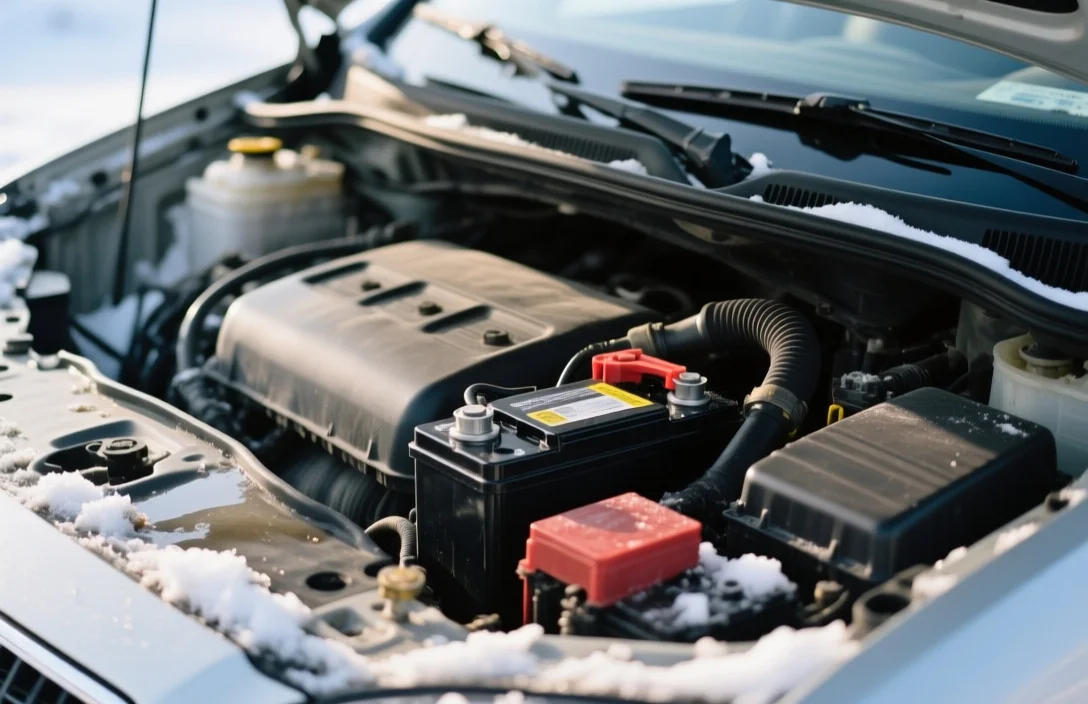
Slow engine cranks are the most common early signal. If the starter sounds labored or the engine turns over more slowly, the battery may be struggling. Dim headlights and interior lights are another cue, especially if they dim noticeably when you start. A battery warning light is a strong signal that the charging system is having trouble, and you should test the battery and alternator promptly.
Often, you’ll see a combination of signs before a no-start occurs. A dying battery tends to show repeated failures over several mornings, not just one. If you’ve left the car outside for a night or two and the ignition behaves oddly, test the battery. Older batteries typically show multiple symptoms as internal resistance rises.
When you see any of these signs, test the battery and charging system. A quick load test or a cold-cranking-load check reveals whether the battery can deliver the necessary current. If the test shows low capacity or high internal resistance, replace or upgrade before you’re left stranded.
For example, a car that starts fine in mild weather but struggles at 20 or 30 degrees can still signal a marginal battery. Early signs aren’t a verdict, but they forecast trouble. Addressing them early helps you avoid a no-start during a cold snap.
How to Prevent Battery Drain in Cold Weather
Two parts matter: keep the battery healthy and reduce the battery’s workload in cold weather. Start by ensuring clean, tight terminals and corrosion-free connections. Loose or corroded terminals raise resistance and hurt starting power in the cold. Keep the battery mounted securely to limit vibration that can loosen connections over time.
Thermal protections and charging strategies come next. If you can, store the car in a garage or use a battery warmer to keep the module above freezing when idle. A battery blanket provides a reliable temperature boost, especially for cars parked outside. A smart trickle charger keeps the battery topped up during extended cold spells and long periods of inactivity.
Regular testing is essential. Schedule a cold-weather health check before winter arrives and recheck during the season if temperatures stay below freezing. If the battery is aging, preemptive replacement is cheaper than a winter breakdown. Minimize parasitic drains by turning off accessories and unplugging nonessential electronics when the car is idle.
In practice, a six-year-old battery may read fine on a warm afternoon but fail during a polar morning. A simple combination of a trickle charger, garaged storage, and clean terminals can prevent this failure with minimal expense. The goal is steady reliability, not last-minute scrambling.
Checklist to prevent drain:
- Keep terminals clean and tight.
- Use a battery blanket or garage storage.
- Add a trickle charger during deep cold snaps.
- Disconnect nonessential electronics during long idle periods.
- Test battery health before winter and replace if aging.
Gear That Makes Can cold drain a car battery? Easier
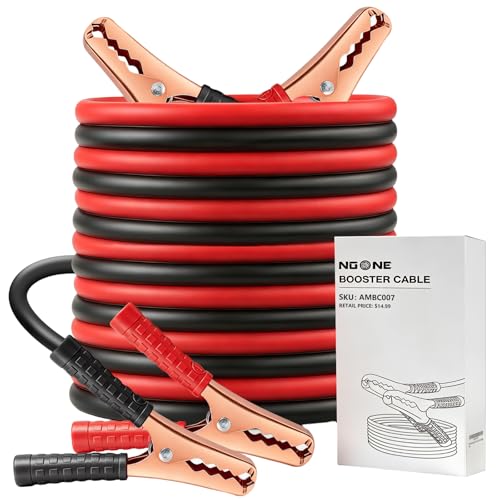
NOONE Jumper Cables for Car Battery, Heavy Duty Automotive Booster Cables for Jump Starting Dead or Weak Batteries (10-Feet)
These heavy-duty jumper cables let you jump-start a cold, drained battery quickly, reducing downtime caused by cold weather draining capacity.
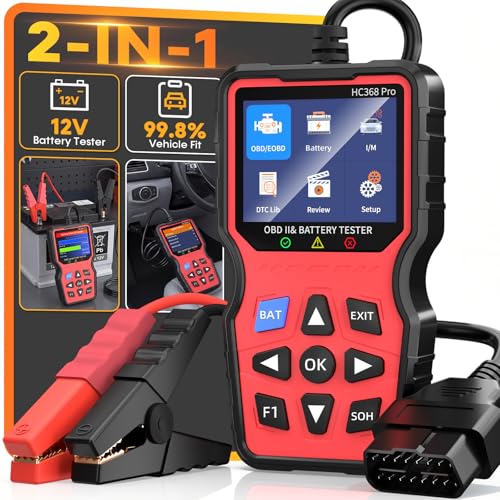
2-in-1 OBD2 Scanner with Battery Tester: 1S Read & Clear Check Engine Codes + Test Battery in 3 Mins – DIY Car Diagnostic Tool with Cold Cranking Amps for Pre-Trip Safety on 1996+ Vehicles
Its built-in battery tester and CCA readout help you assess a cold-weather battery before trips, preventing drain surprises and unsafe starts.
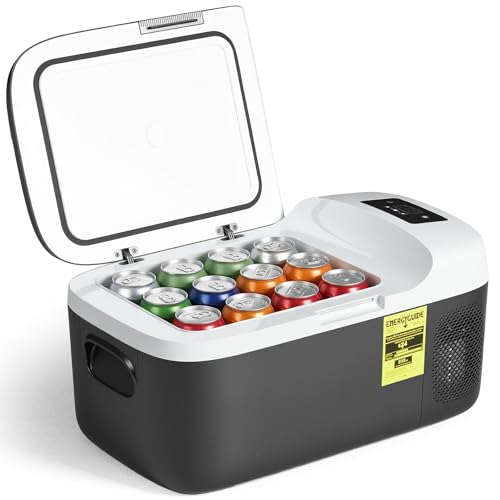
OLIXIS Portable Car Refrigerator, 17QT Single-Zone Electric Cooler for Vehicles, -4℉-68℉ Freezer Smart Control via Bluetooth with Car Battery Protection, Child Lock, 12/24V DC & 100-240V AC Powered
Its car battery protection prevents deep discharge while running, helping you keep cold food without excessively draining the battery on cold trips.
Battery Options for Cold Climates
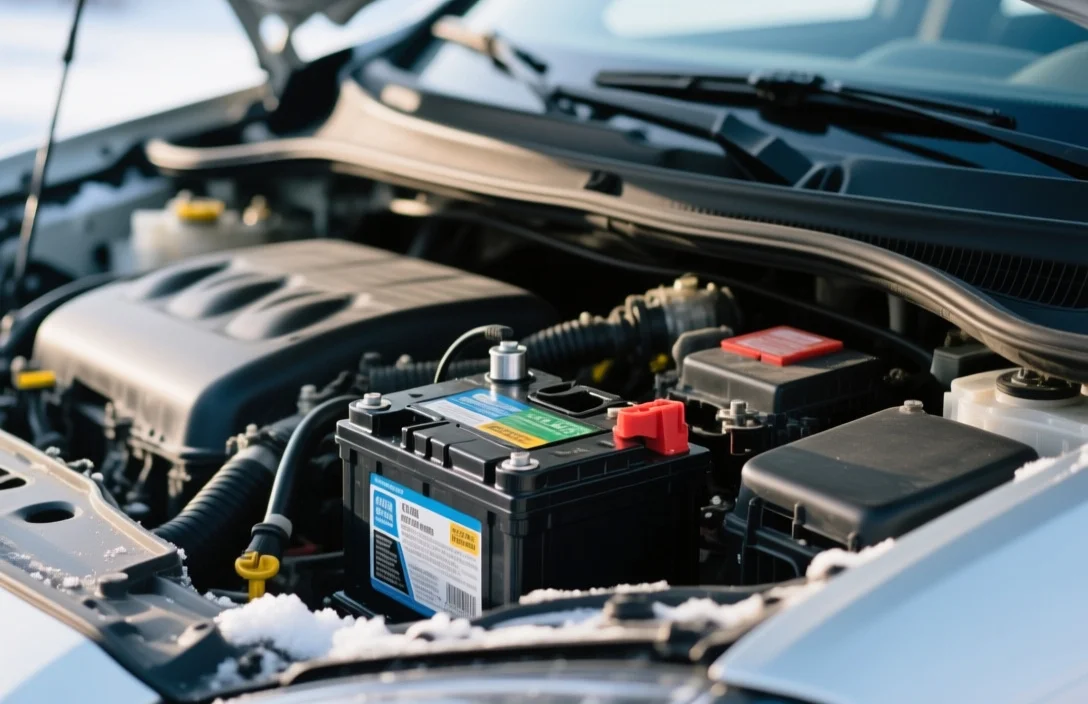
Choosing the right battery matters more in cold climates. AGM (Absorbent Glass Mat) batteries generally offer the best cold-weather performance among traditional lead-acid types. Lithium-ion batteries with a proper battery management system can also perform well in the cold, though they come at a higher upfront cost. Standard lead-acid batteries are the cheapest option but require more maintenance and attention in winter. Maintenance needs and upfront cost align with the performance you get in extreme temperatures.
The best overall choice for many drivers is AGM, because it combines strong cold-start performance with relatively low maintenance and moderate cost. Lithium options provide excellent cold-weather performance and longevity but can be cost-prohibitive for everyday drivers. Standard flooded lead-acid batteries work if you’re on a budget and you’re willing to replace more often in cold months.
Here’s a quick comparison to ground the decision:
| Battery Type | Cold Weather Performance | Maintenance | Typical Cost (relative) |
|---|---|---|---|
| Standard Lead-Acid | Fair | Moderate | Low |
| AGM | Excellent | Low | Moderate |
| Lithium-Ion (with BMS) | Good | Low | High |
In practice, the right pick depends on climate and driving pattern. If you live where winter temperatures routinely dip into deeply cold ranges and you drive short trips, AGM is a strong default. If you’re building a high-end winter-ready vehicle or run heavy electrical loads, a lithium option with proper BMS can deliver consistent performance for years. For budget-minded consumers, a well-maintained standard lead-acid battery can suffice, but you’ll want to budget for more frequent replacements in harsher winters.
In short, battery choice matters as much as battery condition. A cold-climate-friendly battery paired with smart charging and preventive care delivers the most reliable starts through the coldest days.
What to Do If Your Car Won’t Start in Cold Weather
Start with the simplest explanations and work up to more involved fixes. Check the battery first by attempting a jump start with a healthy donor car or a jump pack. If the car starts, run the engine for at least 20 minutes to recharge. If it won’t start, inspect the battery terminals for corrosion and tighten connections. Then check the alternator and belt for proper operation.
If a jump start fails or the car dies again after a brief run, the battery or alternator could be failing. Have the system tested at a shop. If the battery is old or shows high internal resistance on a load test, replacing it is the most reliable fix. For cold mornings, consider keeping a portable jump pack in the trunk for emergencies and plan a pre-winter battery health check.
This sequence buys you time and clarity. A jump start provides a window to diagnose, while a healthy battery can recover enough charge to sustain a longer drive home. If you’re stranded far from help, call roadside assistance rather than pushing the car in a way that risks damaging the battery or alternator.
FAQ
How much can cold weather reduce a car battery’s capacity?
Cold weather can reduce capacity by as much as 20-60 percent, depending on age and state of charge. Older batteries worsen the drop, and a marginal battery is more likely to fail on a cold start.
Do battery warmers or block heaters actually help?
Yes. A block heater or interior garage storage reduces the required current for a cold start and keeps the battery closer to its optimum operating temperature, improving reliability.
How often should I test my battery in winter?
Test it before winter and again during prolonged deep cold spells. If you drive short trips, test monthly to catch gradual degradation early.
Is it better to replace a battery before winter or wait until it fails?
If a battery struggles during cold starts or shows high resistance on a load test, replace it before winter. Waiting risks a no-start during the coldest mornings.
What should I do right now if my car won’t start in the cold?
Try a jump start with a healthy donor, then run the engine for 20 minutes to recharge. If it won’t start after multiple attempts, check terminals, test the alternator, and call roadside assistance if needed.
Verdict: cold is a real winter stressor for car batteries, especially in older packs. Prioritize a pre-winter health check, consider a battery with proven cold-weather performance (AGM or lithium with a good BMS), and pair that with a proper charging strategy. Your best next step is to schedule a battery health check and, if the battery is older than three to five years, plan a replacement ahead of the next cold snap.

- 10 Best Battery For Generator Battery Safety System 2026 - October 12, 2026
- 10 Best Battery For Generator Battery Safety Option 2026 - October 12, 2026
- 10 Best Battery For Generator Battery Safety 2026 - October 12, 2026