Can Double A Batteries Go In Checked Luggage?
AA batteries can go in checked luggage, but spare batteries should be in carry-on. Pack alkaline and NiMH AA cells with terminal protection in their original packaging or insulated to prevent short circuits. If carrying lithium-based AAs, treat them as lithium batteries and follow carry-on rules.
Alkaline and rechargeable AA batteries are generally acceptable in checked bags, but it’s safer to keep spares in your carry-on. Airlines and regulators view standard AA cells as routine power sources, yet practical risks like leakage or contact with metal objects can lead to damage in the cargo hold. If you’re traveling with numerous devices, minimize spares and ensure terminal protection.
Key Takeaways
- Carry-on rule: Spare AA batteries belong in carry-on luggage, not checked.
- Terminal protection: Keep terminals protected or wrapped to prevent short circuits.
- Count limit: Bring only 1-2 spare sets if you must travel with extras.
- Chemistry matters: Alkaline and NiMH AA cells are commonly allowed in checked baggage; lithium-based AAs require carry-on only.
- Pack safely: Use a plastic bag or wrap to contain leaks and keep batteries separate from metal items.
- Verify before you fly: Policies vary by airline; check both the carrier and the airport guidelines.
What AA Batteries Are Involved and Why Luggage Rules Exist
Recommended Products


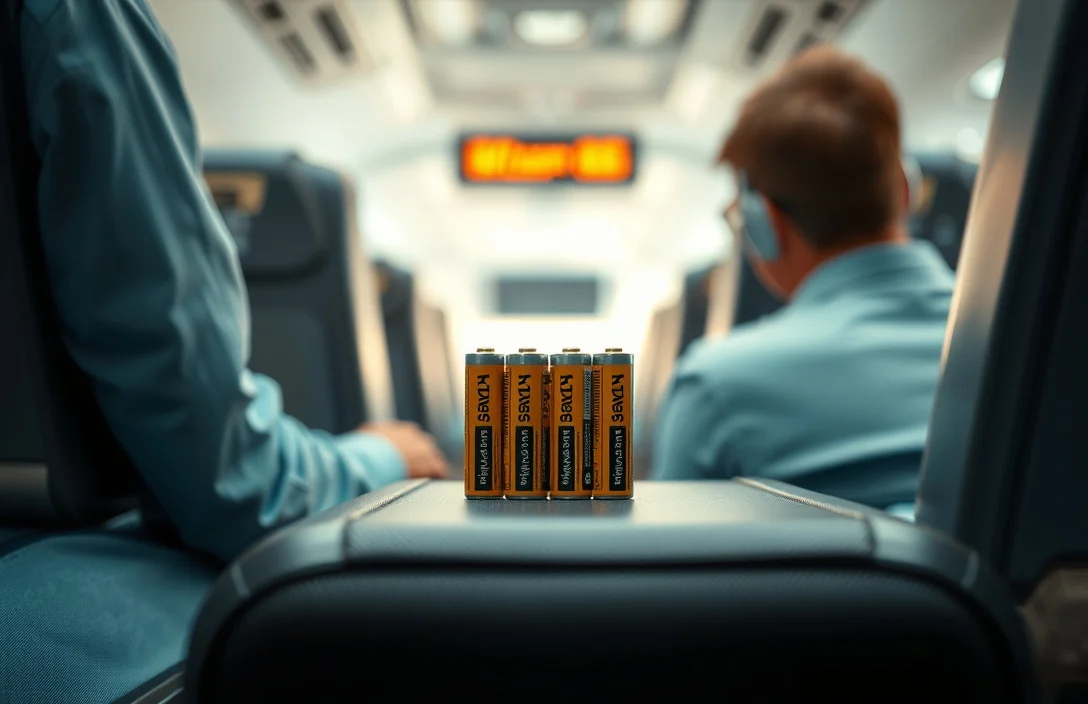
Two common AA chemistries matter for travelers: alkaline and NiMH rechargeable. Alkaline AA cells provide steady, affordable power for flashlights, remotes, and wireless devices. NiMH AA cells offer higher recharge cycles and capacity for frequent use. Lithium-based AA cells exist but are less common and have different rules due to their lithium content.
Baggage rules exist because batteries present two main risks in flight: short circuits from terminals touching or contacting metal objects, and leaks from damaged, overcharged, or overheated cells. Separate spares from devices, protect terminals, and avoid loose packs rattling around in a bag.
Most travelers can safely place alkaline and NiMH AA batteries in checked bags if they follow safe packing guidelines. However, many prefer to carry spares in cabin baggage for easier terminal protection and access during the flight.
For example, a traveler on weekend trips often carries one to two spare AA batteries per device in a carry-on, avoiding the risk of leakage in checked bags and simplifying battery swaps during travel.
Can AA Batteries Go in Checked Luggage? The Practical Answer?
Recommended Products


Yes, AA batteries can go in checked luggage, but spare batteries should stay in carry-on. This allows quick access to power during travel while minimizing the risk of leakage or short circuits in the cargo hold. Alkaline AA cells and NiMH rechargeables are generally acceptable in checked bags, provided they are not mixed with metal objects and their terminals are protected.
The guideline to keep spares in carry-on is important. If you have multiple spare batteries, carrying them in the cabin is safer. Airlines’ policies differ; some allow a reasonable number of spares in checked luggage while others recommend checking only what you need for the trip. The best practice is to treat spares as cabin items whenever possible.
If you must place AA batteries in checked luggage, use protective packaging. Insulate terminals, and contain batteries to prevent contact with metal items. Wrapping in non-conductive material or keeping batteries in their original packaging reduces the risk of short circuits or leakage.
For trips with multiple devices, consolidate spares into a single protected container. A small plastic case or a battery organizer helps keep terminals from touching and keeps your bag organized, reducing the chance of accidental contact with coins, keys, or other metal objects.
How to Pack AA Batteries for Checked Baggage
Recommended Products

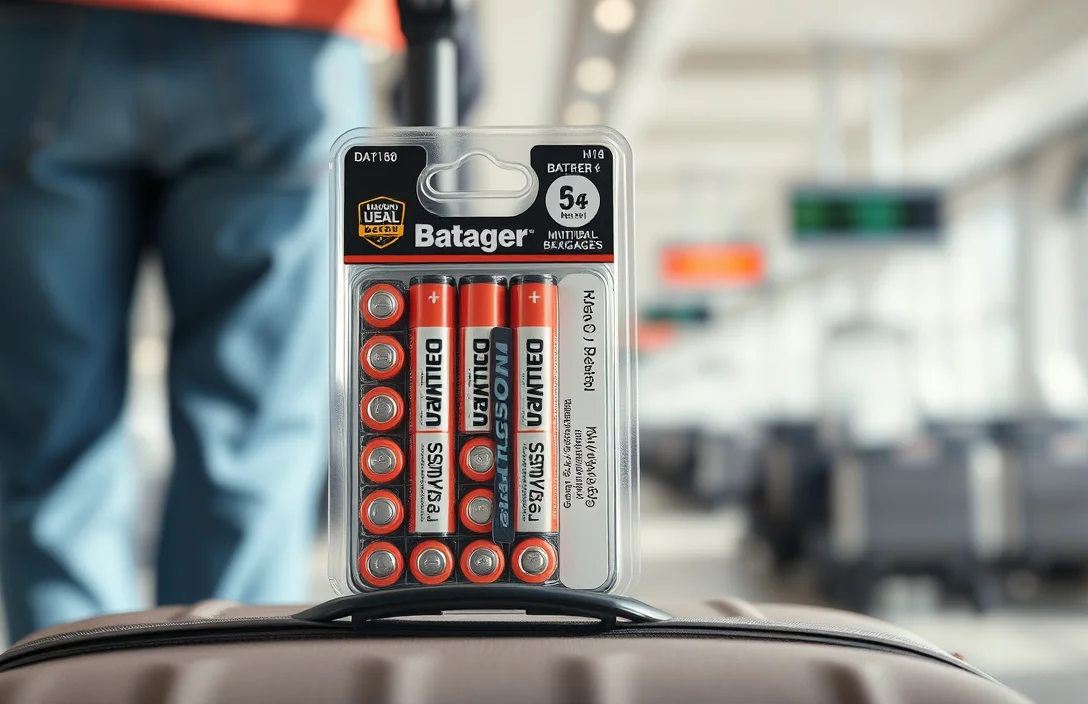
Remove batteries from devices that can run on corded power or replace devices with power adapters when feasible. This reduces the risk of damage from pressure or temperature changes in the cargo hold. Protect the terminals by placing batteries in protective sleeves or keeping alkaline and NiMH batteries in their original packaging.
Next, place batteries in a sturdy container or sealable plastic bag. This keeps potential leaks contained and prevents batteries from contacting other items in the bag. Pack the container toward the center of the suitcase, away from rigid items that could puncture the packaging.
Avoid loose, unprotected packs when checking batteries. Loose AA cells can contact metal zippers, coins, or other hard objects, increasing the risk of short circuits. The goal is to reduce risk through isolation and protection. If possible, check devices with integrated battery compartments designed to keep batteries secure.
If you travel with several devices, group their batteries in a single protective case. A compact battery case that fits inside your suitcase can hold 4-8 AA batteries with protective dividers, enhancing safety for you and baggage handling staff.
Airline and TSA Guidance in Practice
Recommended Products


TSA guidelines generally permit standard alkaline AA batteries in both carry-on and checked luggage, encouraging travelers to carry spare batteries in carry-on for quick access. The same applies to NiMH rechargeables. However, airlines can set specific rules regarding the number of spare batteries and how they must be packed. When in doubt, call the airline or check their website before you travel.
A practical rule of thumb is to keep spares in carry-on and only check what you truly need. If crossing international borders, verify that local aviation authorities align with TSA guidelines. The overarching principle is caution: protect terminals, prevent short circuits, and avoid leaks in cabin and cargo holds.
Most travelers carrying AA batteries find it easiest to keep spares in carry-on. Devices can be checked with batteries removed or left in the device if permitted in checked luggage. This approach reduces the chance of battery-related issues during security screening and the flight.
Types at a Glance: AA Alkaline, NiMH, and the Rare Lithium AAs

Here is a concise comparison to guide packing decisions. The table focuses on common consumer AA batteries you’ll encounter on a typical trip.
| Type | Common Uses | Nominal Voltage | Rechargeable | Packing Guidance | Short Summary |
|---|---|---|---|---|---|
| Alkaline AA | Remote controls, flashlights, low drain devices | 1.5 V | No | Can be checked; protect terminals; avoid loose contact with metal | Most travel-friendly regarding handling and leakage risk |
| NiMH AA | High-drain devices, powered tools, rechargeable devices | 1.2 V | Yes (rechargeable) | Prefer carry-on; if checked, protect terminals and use case | Reusable, with higher capacity for frequent use |
| Lithium AA (rare) | Specialty devices, some cameras | 3.0 V | No | Treat as lithium batteries; carry in cabin; check airline policy | Higher risk; cabin handling preferred |
The common consumer scenario typically involves alkaline or NiMH AA cells. If you encounter a device labeled as “AA lithium,” treat it as a lithium battery and follow lithium battery rules, which generally favor carry-on and proper insulation. This table is meant to guide decisions, not replace airline guidance.
Common Pitfalls and How to Avoid Them
Recommended Products


One common pitfall is assuming all batteries are treated equally. Lithium-based batteries, especially lithium metal types, require stricter handling and are often restricted to carry-on only or require battery pages in a device. Always identify whether your AA battery is a standard alkaline, a NiMH rechargeable, or a lithium variant.
Another risk is neglecting terminal protection. Loose batteries in a bag can short against zippers, coins, or metal items. Always wrap terminals or use original packaging. A small plastic bag with each battery individually wrapped serves as a reliable guard against short circuits.
If traveling with many devices, resist the urge to consolidate everything into one bag. Keep spares in a separate, clearly marked container to reduce accidental mix-ups during screening and airport handling.
Leakage is uncommon but not impossible. To minimize risk, avoid placing batteries in damp environments or in contact with liquids. Dry storage in a sealed bag keeps potential leaks contained and prevents cross-contamination with clothing or electronics.
Practical Takeaways and a Quick Decision
- Decide early: If bringing many spares, plan to carry them in carry-on. If you must check, protect terminals and isolate batteries.
- Pack smart: Use a small battery case or sealed bag for each battery; wrap terminals to prevent contact.
- Manage counts: Keep spare AA batteries to a minimum, ideally 1-2 spares per traveler, unless you have devices that require more.
- Know the chemistry: Alkaline and NiMH are typical for checked baggage; lithium-based AA cells require cabin handling and specific regulations.
- Confirm before you fly: Airline policies differ; when in doubt, ask customer service or check the airline’s travel guidelines.
AA batteries can travel in checked luggage, but avoid carrying spares in checked bags whenever possible. Keep spares in carry-on, protect terminals, and pack with purpose. If you must check, use a protected case and limit the number of spare batteries.
FAQ
Can I put spare AA batteries in my checked bag?
Spare AA batteries should be in carry-on luggage; if you must check spares, protect the terminals and pack them in a sealed container to minimize risk.
Are AA batteries allowed in checked luggage at all?
Yes, standard alkaline and NiMH AA cells are generally allowed in checked luggage, but you should still protect terminals and avoid loose contacts with metal objects.
How many AA batteries can I bring in carry-on?
There isn’t a universal cap across all airlines, but carrying 1-2 spare sets is a reasonable, practical limit for most trips. Always verify with your airline.
What happens if a battery leaks in checked luggage?
Leaking batteries can damage other items and be difficult to clean. Protect terminals, seal batteries, and place them in a sealed plastic bag or container to contain leaks.
Is there a difference if my AA batteries are lithium-based?
Yes. Lithium-based AA cells are typically restricted to carry-on luggage only and require adherence to stricter lithium battery rules. Check airline guidance before you travel.
If you’re packing for a trip, keep AA spares in your carry-on whenever possible. Use protective sleeves, keep them organized in a small case, and limit the number you carry. For any situation where you must check batteries, use a dedicated battery container, protect terminals, and verify airline policies in advance.

- 10 Best Battery For Generator Battery Safety System 2026 - October 12, 2026
- 10 Best Battery For Generator Battery Safety Option 2026 - October 12, 2026
- 10 Best Battery For Generator Battery Safety 2026 - October 12, 2026