Can You Put Batteries In The Refrigerator?
Can you put batteries in the refrigerator? No, not as a routine practice. Cold storage doesn’t reliably extend battery life and often introduces moisture, condensation, and temperature swings that can corrode terminals, degrade seals, and trigger protective shutdowns in modern cells. For most chemistries, stable, dry storage at room temperature around 50-70°F is the safer choice.
Refrigeration can reduce some self-discharge for specific chemistries, but the risks – condensation on contacts, voltage fluctuations when returning to ambient temperature, and accelerated aging – outweigh any potential benefits. Treat the fridge as a last-resort, temporary stopgap if you live in extreme heat and have no better cool, dry space.
Key Takeaways
- Store at room temperature. Keep batteries in a dry, stable environment around 50-70°F for best longevity.
- Condensation is the enemy. Moving from cold to warm triggers moisture on metal surfaces and inside packaging.
- Different chemistries, different rules. Alkaline, NiMH, Li-ion, and LiFePO4 all have unique storage sweet spots; refrigeration isn’t universally beneficial.
- Long-term storage matters. For months-long storage, balance temperature with humidity and avoid direct sunlight.
- Original packaging helps. Keep spare cells in their manufacturer packaging or a labeled case to prevent contact and accidental shorting.
why refrigerators aren’t a fix
Recommended Products


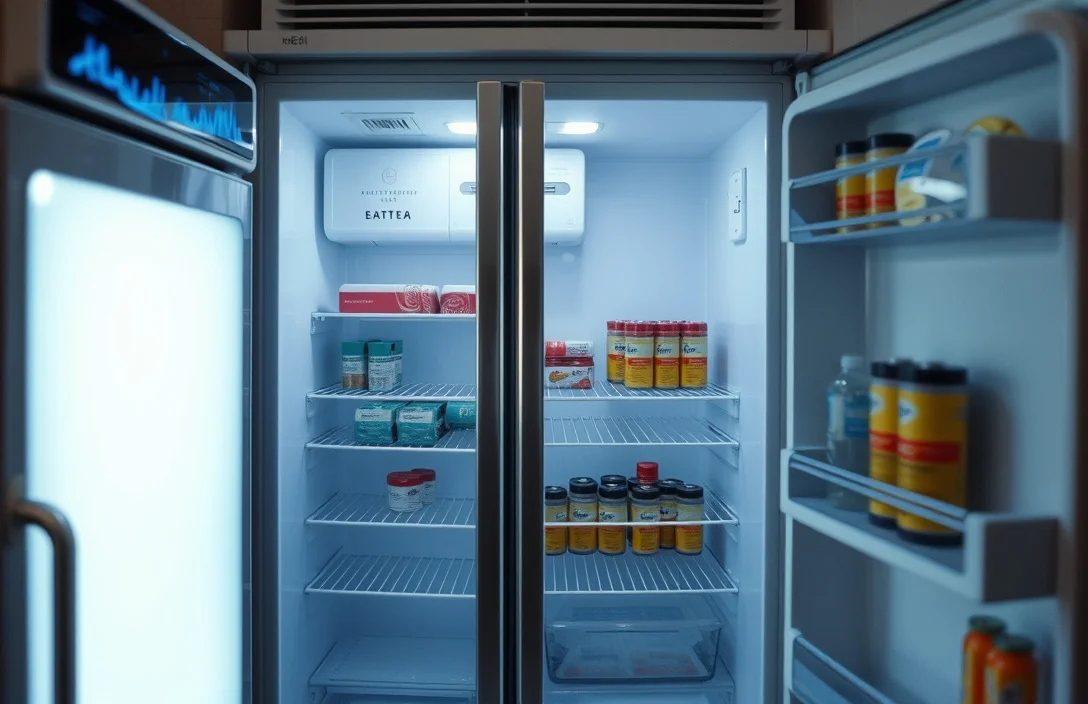
Refrigerators pull heat from the outside world and introduce humidity inside the cabinet. When you pull batteries back into a warm room, condensation can form on exposed terminals, contact springs, and metal cases. That moisture can corrode connectors, accelerate aging, and create unpredictable performance, especially if you mix used and unused cells. Rapid temperature shifts stress chemical reactions inside cells, shortening overall life. Because of these factors, refrigeration is rarely worth the trouble for everyday batteries.
For most people, the best home storage is a cool, dry closet or cabinet away from heat sources and sunlight. If you live in an ultra-hot environment, a climate-controlled space is preferable to a fridge. If you must move a batch from a hot car into air conditioning, allow a gradual return to ambient temperature before handling or loading devices. The goal is stability, not extremes.
Temperature, humidity, and aging in batteries
Temperature governs how quickly chemical reactions run inside a battery. High heat speeds aging, increases self-discharge, and can soften electrolyte in some chemistries. Cold storage can slow some reactions but introduces its own risks when you bring cells back to room temperature. Humidity matters too; moisture drives corrosion and, in sealed packs, can trap vapors that compromise seals over time. The goal is a stable, moderate environment and careful handling during transitions.
Store batteries where the ambient condition is steady. Avoid garages with seasonal swings, and stay away from spaces that routinely exceed 90°F in summer or dip below freezing in winter. If you notice swelling, leaks, or corrosion on any cell, remove it from service immediately. A single compromised cell can affect others in a pack or device.
Battery chemistries and storage needs
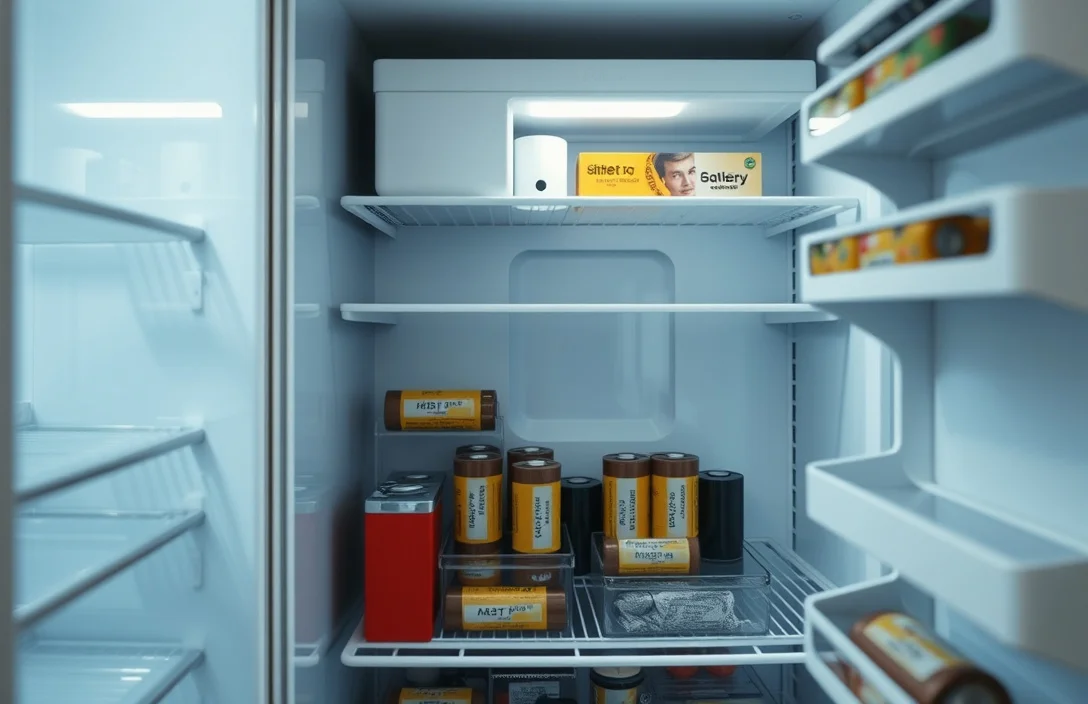
Different chemistries demand different storage practices. The guidance below reflects common, manufacturer-aligned recommendations that balance longevity and safety.
| Chemistry | Typical Storage Temperature | State of Charge (SOC) guidelines | Notes |
|---|---|---|---|
| Alkaline (non-rechargeable) | 20-25°C (68-77°F) | N/A | Keep in original packaging; avoid moisture; replace when near expiry. |
| NiMH rechargeable | 15-25°C (59-77°F) | About 40-60% where possible | Moderate SOC helps reduce self-discharge and memory effects. |
| Li-ion / Li-polymer | 20-25°C (68-77°F) | 40-60% for long-term storage | Avoid full charge or deep discharge; store in a cool, dry place with good airflow. |
| LiFePO4 | 20-25°C (68-77°F) | About 40-60% | Very stable chemistry; avoid high temperatures; periodic top-up helps longevity. |
| Lead-acid (sealed) | 20-25°C (68-77°F) | 60-80% | Avoid complete discharge; keep electrolyte topped up and recharge periodically. |
Keep most batteries at room temperature, with moderate SOC for rechargeable types, and in their original packaging when stored long term. If you must choose a single rule, it’s this: stability beats cold or heat every time.
Myths, missteps, and practical scenarios
Myth: refrigeration slows all aging equally and permanently.
Reality: refrigeration can slow some processes temporarily, but the moisture and condensation risks, plus the need to re-condition packs after cold exposure, often negate any perceived benefit.
In hot climates, avoid refrigeration as a solution for summer heat. Instead, improve overall storage conditions: relocate to a cooler room, use a dehumidified cabinet, or install a small climate-controlled storage area. If you must store in a cool space, ensure less-than-sudden transitions back to room temperature to minimize condensation risk.
For devices that sit unused for long periods, remove batteries and store them separately in a dry place. This reduces the chance of leakage or electrolyte migration damaging connectors inside the device.
If you encounter a mixed batch of batteries – spares and used cells – keep them in clearly labeled containers, separated by chemistry and SOC. Don’t mix old and new cells, and never store them loose where they might touch and short.
Essential Tools for Proper Battery Storage

GlossyEnd Set of 4 – Two AA and Two AAA Battery Storage Box, Battery Storage Case Holder with Tester, Clear. Each Case Stores 48 Batteries
The GlossyEnd Battery Storage Box keeps your batteries organized and easily accessible, ensuring you know which ones are ready to use, even if stored in the refrigerator.

Amazon Basics Portable Battery Storage Case with Tester, Wall-Mounted Design, Carrying Handle, Holds 110 Batteries, 9.37 x 11.69 x 2.91 inches, Clear/Black
With the Amazon Basics Portable Battery Storage Case, you can safely store batteries in your refrigerator while keeping track of their charge with the built-in tester.

Battery Daddy Storage & Organizer Case w/Tester, Stores & Protects Up to 180 Batteries, Double-Sided, Clear Locking Lid, Secure Latches & Portable Carrying Handle – Charcoal (Batteries Not Included)
Battery Daddy’s double-sided organizer allows you to store batteries in the refrigerator securely, preventing damage and ensuring you have a clear view of your battery inventory.
Safe home storage practices
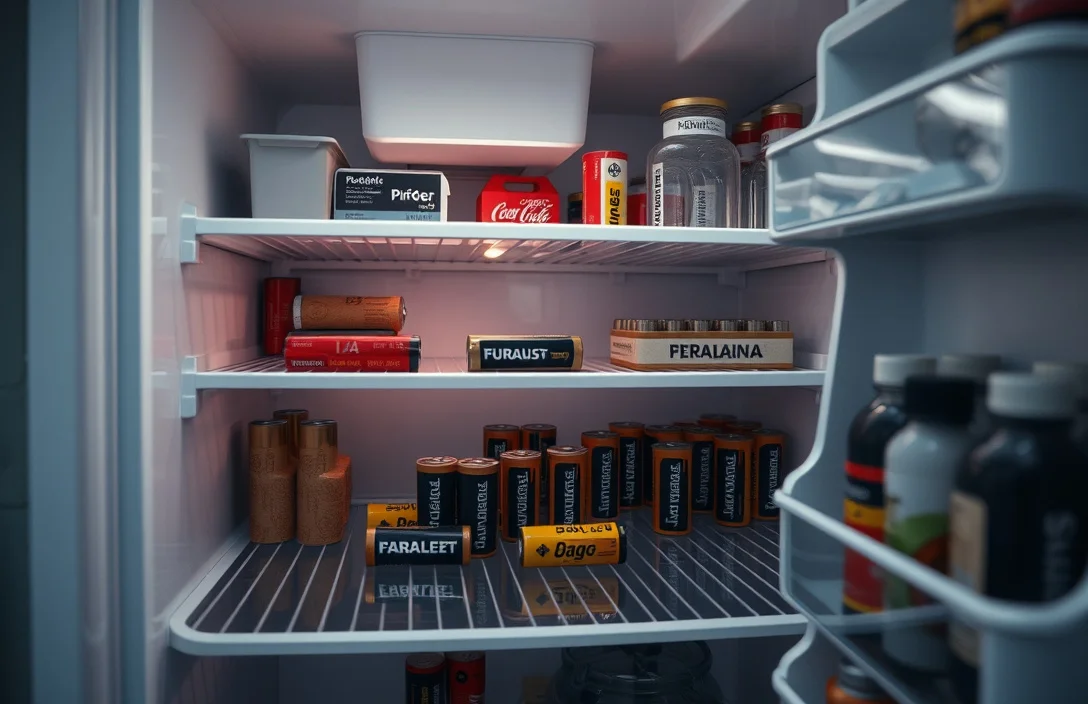
Two guiding principles keep batteries safer and longer lasting: separation and stable conditions.
- Separate by chemistry. Don’t mix Li-ion with NiMH or alkaline in the same storage container.
- Use original packaging or a dedicated case. Protection from contact with metal objects helps prevent short circuits.
- Keep in a cool, dry spot. Aim for a stable environment around 50-70°F and low humidity.
- Avoid temperature extremes. Don’t store in heat sources, stairwells, garages, or uninsulated spaces.
- Check periodically. Look for swelling, leaks, or corrosion and remove any suspect cells from service.
If you’re stocking up for emergencies, don’t overbuy. Rotate stock so older batteries are used first, and mark expiry dates where applicable. A simple label on the box helps you manage shelf life without handling each battery repeatedly.
| Option | Why it helps | Price | Link |
|---|---|---|---|
| Ontel Battery Daddy Smart – Battery Organizer Storage Case with Tester, Stores & Protects Up to 150 Batteries, Clear Locking Lid, As Seen On TV, Smart – 150 Batteries (BADAS-MC4) | This organizer can store up to 150 batteries, helping you keep different chemistries separated and organized. | Check price | View → |
| Ontel Battery Daddy Storage & Organizer Case w/Tester, Stores & Protects Up to 180 Batteries, Double-Sided, Clear Locking Lid, Secure Latches & Portable Carrying Handle – Red (Batteries Not Included) | With space for 180 batteries, this double-sided case ensures safe storage and easy access to various battery types. | Check price | View → |
When you must refrigerate temporarily
If your environment forces you to cool batteries temporarily, do it with care.
1) Use a sealed, moisture-resistant bag. Place a desiccant packet in the bag to mitigate humidity.
2) Keep the bag away from foods and liquids. Avoid cross-contamination and accidental contact with metal utensils.
3) Let batteries warm to room temperature before handling. Condensation forms quickly on cold surfaces when exposed to room air.
4) Do not store in the freezer. Freezing can cause electrolyte damage and irreversible capacity loss in some chemistries.
5) Reassess – return to a stable, cool, dry space as soon as possible. Don’t prolong cold storage beyond a practical short-term window.
In practice, refrigeration is a temporary workaround for extreme climates, not a recommended long-term strategy. The safest path remains stable room-temperature storage with careful handling and periodic checks.
Helpful pick
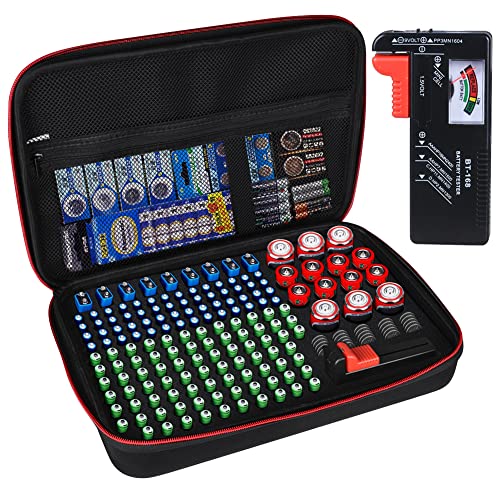
Battery Organizer Storage Box with Tester, Battery Vault Case Fireproof Waterproof Explosionproof Holder Box with Tester BT-168 Checker Carrying Case Container Bag Fit for 200+ Batteries AA AAA C D 9V
This battery organizer case is fireproof and waterproof, ensuring safe storage while refrigerating batteries temporarily.
Quick decision guide
- If your space stays under 60°F but above freezing year-round, you can store in that space without refrigeration.
- If you live in a climate with daily highs above 90°F and poor insulation, prioritize a climate-controlled cabinet over a fridge.
- For non-rechargeable alkaline cells, store at room temperature; refrigeration offers no meaningful benefit.
- For Li-ion and LiFePO4, store with 40-60% SOC at 20-25°C; avoid long-term cold exposure.
- If a cell shows any swelling, leakage, or corrosion, remove it from service immediately and dispose of it properly.
FAQ
Can refrigerating batteries extend their life?
No. Refrigeration introduces moisture and condensation risks, and most chemistries prefer stable, dry room temperature for longevity.
Should I store spare alkaline batteries in the fridge?
No. Alkaline cells do not benefit from cold storage; keep them in a dry, cool place at room temperature.
Is it safe to refrigerate Li-ion batteries if I have no other cool space?
Only as a temporary measure and with precautions. Seal them in a dry bag, avoid the freezer, and let them reach ambient temperature before use.
How long can I store batteries without using them?
Aging varies by chemistry: alkaline 5-10 years, NiMH 5-10 years, Li-ion 2-3 years under good storage; temperature and humidity drastically affect actual life.
What mistakes should I avoid when storing batteries at home?
Avoid mixing different chemistries, leaving batteries loose to contact metal, storing in heat or damp spaces, and keeping damaged cells in service.
Closing verdict: a practical approach
Batteries live best when kept in a stable, dry space at room temperature. Refrigeration offers little to no real benefit for everyday batteries and introduces moisture and condensation risks that can accelerate aging or cause shorting. If you’re in a hot climate, invest in a cool, dry storage area and keep cells separated by chemistry and SOC. When in doubt, follow manufacturer storage recommendations and keep your stock organized and visible. Your future self will thank you for it.

- 10 Best Battery For Generator Battery Safety System 2026 - October 12, 2026
- 10 Best Battery For Generator Battery Safety Option 2026 - October 12, 2026
- 10 Best Battery For Generator Battery Safety 2026 - October 12, 2026