Does Hyundai Warranty Cover Battery?
Yes. Hyundai covers the vehicle’s battery under its standard and model-specific warranties, but the exact protection depends on whether you’re driving a gas car, a hybrid, or an electric vehicle. The base New Vehicle Limited Warranty runs 5 years or 60,000 miles, and hybrids and EVs have extended, battery-focused terms. Exact figures can shift by model year and region.
Battery coverage for Hyundai vehicles is tiered: 12-volt batteries fall under the base bumper-to-bumper warranty, while high-voltage batteries in hybrids and EVs receive a longer term – typically 8 years or 100,000 miles, whichever comes first, with variations by model and year.
Key Takeaways
- Base warranty scope. The bumper-to-bumper coverage runs 5 years or 60,000 miles, covering most components.
- Hybrid and EV battery. High-voltage batteries typically have 8 years or 100,000 miles of coverage.
- 12V battery note. Coverage aligns with the basic warranty, but abuse or improper maintenance can void it.
- Year-by-year changes. Terms shift with new model years, so verify your exact dates.
- What to check. Look up your VIN in the Hyundai owner portal to confirm model-year specifics and any regional caveats.
—
Hyundai Battery Coverage Basics
Recommended Products


Hyundai’s basic warranty framework centers on the New Vehicle Limited Warranty, which covers most components for a defined period. For most gas-powered Hyundai models, the 12-volt auxiliary battery is included under that base coverage, assuming normal use and maintenance. The key point: the general protection lasts 5 years or 60,000 miles, whichever comes first. In practice, that means routine battery issues tied to normal wear-and-tear typically fall within the standard package, not a separate or extended battery plan.
For hybrids and electric vehicles, Hyundai separates the battery from the rest of the drivetrain for warranty purposes. The high-voltage battery – the core of the hybrid or EV propulsion system – receives a longer, model-specific warranty. In most current Hyundai lineups, you’ll see an 8-year or 100,000-mile protection window for the high-voltage battery. This extended coverage recognizes that battery health is central to the vehicle’s performance and value, and it reduces the out-of-pocket risk for owners dealing with battery degradation.
In practice, this means you should plan differently depending on your drivetrain. If you own a conventional Hyundai with a gas engine, the 12-volt battery is generally covered under the standard term. If you own a Hybrid or an Electric model, the heart of the warranty on your car is the high-voltage battery, and you should verify the exact term for your year and trim. Always check the owner’s manual and the Hyundai portal for your precise terms, because there can be year-to-year nuances.
For example, a 2023 Hyundai Elantra Hybrid follows the same overarching principle as other Hybrids: the high-voltage battery gets extended protection, while standard components fall under the bumper-to-bumper plan. The exact start dates, mileage thresholds, and any exclusions are tied to the model year, regional programs, and any recalls that might affect coverage. Practically, this means you’ll likely enjoy long-term peace of mind on battery health with a new-Hyundai hybrid or EV, but you still need to confirm the exact numbers for your car.
—
Battery Coverage by Vehicle Type
Recommended Products


Gasoline-powered Hyundais: the 12-volt auxiliary battery typically sits inside the scope of the base warranty. If it fails due to a normal wear-and-tear scenario within 5 years or 60,000 miles, Hyundai should cover it as part of the bumper-to-bumper plan. If the failure arises from improper maintenance or external damage, outcomes can vary, and a dealer will adjudicate based on the warranty terms and your service history.
Hybrid and Plug-in Hybrid Hyundais: these cars rely on a high-voltage battery for propulsion. The battery here carries a longer protection window – commonly 8 years or 100,000 miles – though exact numbers can differ by model year and region. In practice, the high-voltage battery is treated as a core, lasting component, with warranty coverage that reflects its importance to performance, efficiency, and safety. If you notice a measurable drop in capacity or visible signs of battery degradation within the term, you should have a solid claim path.
Electric Hyundais: fully electric models hinge on the same high-voltage battery logic as hybrids, but with even more focus on cell health and longevity. Most Hyundai BEVs carry the 8-year/100,000-mile benchmark for the battery, with the balance of the car covered under the standard bumper-to-bumper warranty as applicable. Regional differences can apply here as well, so check your exact terms in the owner portal.
Table: Battery coverage by vehicle type (typical terms; verify for your exact model and year)
| Vehicle Type | Battery Coverage | Typical Term |
|---|---|---|
| Gasoline (non-hybrid) | 12V battery under bumper-to-bumper | 5 years / 60,000 miles |
| Hybrid | High-voltage battery | 8 years / 100,000 miles |
| Plug-in Hybrid / Electric | High-voltage battery | 8 years / 100,000 miles |
In practice, the key distinction is clear: the 12V battery follows the standard coverage path, while high-voltage batteries for hybrids and EVs get the longer, battery-focused protection. If you have questions about your exact model, your dealer can pull the VIN-specific terms, which reflect the precise year, trim, and any regional program adjustments.
For example, a 2025 Hyundai Ioniq 5 owner will typically see the high-voltage battery protected for 8 years or 100,000 miles, with the rest of the vehicle covered by the base plan. A 2024 Hyundai Santa Fe Hybrid follows the same principle but can have minor term variations by state or dealership program. The important thing is to align your expectations with the model year and drivetrain type you own.
—
What Affects Battery Warranty Coverage
Recommended Products


Maintenance and service patterns influence warranty eligibility. Hyundai requires that scheduled maintenance be performed at authorized service centers and that records exist to verify the battery’s health and service history. If a claim arises due to neglect, improper charging practices, or alterations that impact the battery system, a claim may be denied or reduced. The practical takeaway: keep receipts, service notes, and a clear service history, especially for the high-voltage battery in hybrids and EVs.
In addition, there are rare situations where coverage can hinge on recalls or service bulletins. If Hyundai issues a recall that covers a battery component or a related subsystem, the remedy is provided under recall terms, which may not count toward standard mileage or time constraints. Even with recalls, the repairs or replacements are typically performed at no cost to the owner, so staying informed about recalls for your specific model year helps maximize warranty value. In practice, a buy-and-hold customer mindset – keeping up with service and responding quickly to battery-related alerts – often yields the best coverage outcomes.
For example, if you own a 2023 Hyundai Kona Electric and experience a battery issue within the 8-year window, you should expect a straightforward warranty claim, assuming service was performed at an authorized Hyundai facility and no disqualifying misuse occurred. If the vehicle has an aftermarket modification to the battery system, you could be dealing with a denial or a partial payout, so read the fine print and discuss with your service advisor before proceeding. The bottom line: maintenance discipline, proper service, and honest use are principal enablers of successful battery warranty claims.
—
How to File a Warranty Claim for Hyundai Battery Issues
Recommended Products


Start by contacting your nearest Hyundai dealer and scheduling a service visit. Bring the vehicle’s VIN, proof of ownership, and any service records related to the battery or charging system. The dealer will verify warranty eligibility, check the battery health using Hyundai’s diagnostic tools, and determine whether the issue falls under the base warranty or the high-voltage battery warranty.
Once on-site, expect a diagnostic assessment to determine the root cause. If the battery issue is covered, the dealer will arrange the repair or replacement under warranty terms. If a third-party battery is involved, or if the warranty terms require a specific charger or charging profile, the dealer will explain how that affects coverage. If a claim is denied, request a written explanation and consider escalation to Hyundai customer care or the regional distributor to review the decision.
For example, imagine a Hybrid owner notices a drop in high-voltage battery capacity within the 8-year window. The dealer runs a diagnostic, confirms battery degradation, and orders a replacement under warranty. The customer leaves with the new battery installed and the labor covered, provided the maintenance trail is complete and the vehicle has not exceeded the mileage threshold or undergone disqualifying modifications. The process emphasizes clear documentation and following dealer instructions.
Steps to file a warranty claim (quick checklist):
- Locate your VIN and confirm your warranty start date.
- Schedule service with an authorized Hyundai dealer.
- Bring proof of ownership and all battery-related service records.
- Allow the dealer to run the diagnostic tests required to verify coverage.
- If approved, authorize repairs or replacement under warranty terms.
—
Essential Tools for Managing Hyundai Battery Warranty
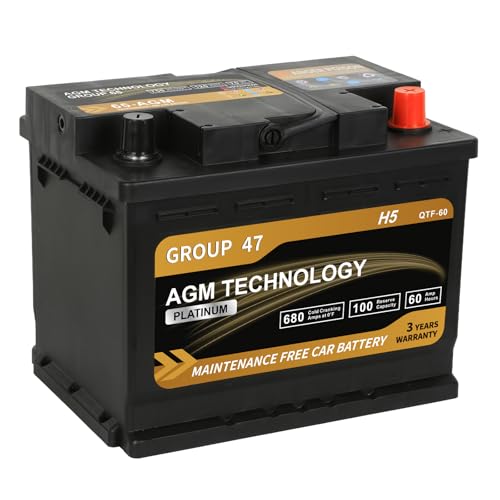
Daakmax Platinum AGM Car Battery Group Size 47 H5, 12V 60Ah, 680 CCA, 100 RC, Rechargeable Start-Stop Automotive Battery with 36-Month Warranty
The Daakmax Platinum AGM Car Battery comes with a 36-month warranty, providing peace of mind for Hyundai owners concerned about battery coverage.

Weize Platinum AGM Battery BCI Group 49-12v 95ah H8 Size 49 Automotive Battery, 160RC, 900CCA, 36 Months Warranty, Dimensions 13.9″ L x 6.89″ W x 7.48″ H
With a 36-month warranty, the Weize Platinum AGM Battery offers reliable performance and assurance for Hyundai drivers regarding battery replacement under warranty.

Autocessking Group Size 65 Start and Stop AGM Automotive Car Battery, 12V 70Ah, 750 CCA, 120 RC, 36 Months Warranty
The Autocessking Group Size 65 AGM Battery includes a 36-month warranty, helping Hyundai owners understand their battery’s coverage and reliability.
What Isn’t Covered and Common Pitfalls
Recommended Products


Warranty coverage has clear boundaries. Normal wear-and-tear, accidental damage, or improper maintenance can void or limit coverage. Always adhere to Hyundai’s recommended charging practices and service intervals. If a failure is due to external damage, misuse, or improper installation of after-market equipment, coverage can be denied or reduced. The safe bet is to treat the warranty as a serious consumer protection that requires normal care and proper use.
Additionally, the 12V battery’s coverage can be contingent on the overall vehicle condition and service history. If the 12V battery fails due to a fault in the starting or charging system that is linked to other covered components, it may still fall under the bumper-to-bumper plan. If the failure is clearly a battery self-discharge from improper charging practices, it could lead to denial. The practical approach is to maintain your charging habits in line with Hyundai guidelines and keep an organized service record.
For example, a certain model year may introduce a new version of the high-voltage battery with a slightly different warranty term. While the general framework remains the same, exact language matters for coverage boundaries. If you substitute non-OEM parts or attempt a DIY battery repair that deviates from the factory specifications, you risk voiding the warranty for that battery system. These cases highlight the importance of sticking with authorized service and documented maintenance.
—
Regional Variations and Model-Year Differences
Warranty terms do shift with different model years and regional programs. Hyundai frequently updates its warranty terms to reflect engineering improvements, safety updates, and regional market adjustments. The practical impact is simple: verify the exact terms for your particular car by checking the Hyundai owner portal or talking directly with your dealership. Don’t assume a blanket 8-year/100,000-mile term applies to every hybrid or EV in every state.
To avoid surprises, review the specific terms in your owner’s manual and certificate of warranty, and cross-check the VIN-specific terms in Hyundai’s online portal. If you bought a certified pre-owned Hyundai, the remaining portion of the original warranty might apply, sometimes with a proration or time-based extension. In practice, model-year differences can also affect the starting point of coverage or the list of excluded items, so confirm before you rely on the battery warranty as a guaranteed long-term protection.
For example, two identical Hyundais from adjacent model years can have slightly different battery warranty terms, depending on the battery chemistry updates or the regional warranty program in place at your time of purchase. This nuance is why it’s essential to review the exact language tied to your vehicle’s VIN and to maintain open lines of communication with your dealer as the car ages.
—
Practical Steps to Maximize Battery Warranty Value
Treat your Hyundai warranty as a living contract. Schedule regular maintenance with authorized service, follow Hyundai’s recommended charging protocols, and keep all service receipts organized. This habit reduces the chance of a denial and simplifies any future warranty claim for the high-voltage battery in hybrids and EVs.
Keep an eye on recalls and service bulletins related to battery components. If Hyundai issues a recall that touches the battery system, the remedy is provided under recall terms, often independent of the standard warranty clock. Staying proactive about recalls can protect your investment and minimize out-of-pocket expenses while preserving long-term battery health.
For example, setting up reminders for scheduled maintenance and battery health checks can catch issues before they become coverage disputes. If you use a home charging setup, ensure the charger is compatible with your Hyundai model and hasn’t contributed to any battery degradation. The best approach is to be proactive, document care, and confirm coverage with your dealer before any major battery work.
—
FAQ
How long does Hyundai cover the car battery under the basic warranty?
A: The basic bumper-to-bumper warranty runs for 5 years / 60,000 miles, covering most components including the 12V battery for typical use.
Q2: Does Hyundai warranty cover high-voltage batteries in hybrids or EVs?
A: Yes. High-voltage batteries in hybrids and EVs typically have a minimum of 8 years / 100,000 miles, with model-year variations possible.
Q3: Is the 12V battery always covered?
A: In most cases yes, under the base warranty; however, misuse, improper maintenance, or external damage can affect coverage for that particular battery.
What can void a Hyundai battery warranty?
A: Abusive use, improper charging practices, aftermarket modifications to the battery system, or collision damage can void or limit coverage.
How do I file a Hyundai battery warranty claim?
A: Contact an authorized Hyundai dealer, bring your VIN and service records, have the diagnostic check performed, and proceed with the dealer’s guidance for coverage determination.
—
Practical verdict: Hyundai’s battery coverage is solid for most buyers, with 5 years / 60,000 miles on the base warranty and 8 years / 100,000 miles for high-voltage batteries in hybrids and EVs. The real work is in staying current with maintenance, using authorized service, and verifying your exact terms for your model year and region. Next step: log into the Hyundai owner portal, confirm your VIN’s battery terms, and schedule a quick review with your local dealer to map out coverage for your specific setup.

- 10 Best Battery For Generator Battery Safety System 2026 - October 12, 2026
- 10 Best Battery For Generator Battery Safety Option 2026 - October 12, 2026
- 10 Best Battery For Generator Battery Safety 2026 - October 12, 2026