Can You Put A Battery On The Ground?
Yes, but it’s almost always a bad idea for safety and longevity. Ground moisture, temperature swings, and the risk of shorting or leaks make bare concrete a poor base. The right approach is to use a clean, dry, non-conductive surface, elevated slightly off the floor, with ventilation and stable mounting.
Battery placement on the ground should be avoided. A non-conductive base, such as a rubber mat or plastic tray, reduces shorting risk and helps prevent moisture-related corrosion; keep the base dry and raised by at least 1 inch off damp surfaces whenever possible.
- Direct ground contact increases corrosion risk; use a non-conductive mat.
- Damp concrete accelerates corrosion and gas venting in flooded lead-acid batteries.
- Place on a rubber mat or plastic tray; metal surfaces can short or corrode.
- Leave 2-3 inches of clearance around the battery for air movement.
- Elevate the battery at least 1 inch off the ground; 6 inches is preferable for spills.
- Never charge on damp flooring near flammables; use a tray.
Ground safety basics for any battery
Recommended Products


Ground placement affects safety and longevity. A battery sitting on the floor is more exposed to moisture, dust, and temperature fluctuations than one on a proper base. The surface you choose becomes part of the electrical path. Even dry concrete can wick moisture up into the base, especially in basements, garages, or rain-prone areas. A non-conductive base breaks that path and helps contain any leaks or spills.
The base you choose matters as much as the battery type. A rubber mat acts as an insulator and damper if the battery leaks, while a rigid plastic tray provides containment and easy cleaning. The surface should be dry, clean, and stable. Any movement can loosen terminals or create vibration-induced wear over time. If you must work near a wall, ensure there is still 2-3 inches of ventilation space around all sides to prevent heat buildup during charging or high-load use.
Two situations shape your base choice: the space you have and the chemistry inside the pack. Flooded lead-acid batteries vent hydrogen gas when charged or overcharged, so a spill-proof tray that contains moisture and acid splash is valuable. Lithium-ion packs rely on an internal BMS to manage charging, but a bad base can still promote heat accumulation and electrolyte creep at terminals, making a dry, raised, non-conductive surface worth the investment.
For example, in a small garage, a battery placed on a clean rubber mat on a workbench is safer than directly on concrete, where a spill could seep into the floor and spread. In a warehouse, a dedicated plastic tray with a lip and a shallow, ventilated rack provides both containment and airflow around the pack. The goal is to minimize moisture contact, reduce short circuits, and simplify safe handling if you need to move or service the battery.
Types of batteries and ground risk
Lead-acid and lithium-ion batteries pose different challenges when placed on the ground. Flooded lead-acid cells vent hydrogen gas when they overcharge, and the acid electrolyte can bubble out if the surface is not appropriate or if the charger runs too long on a dumb timer. Li-ion chemistries rely on the Battery Management System to limit charging and prevent thermal runaway, but a cheap or mismatched charger can still push a pack into unsafe conditions and generate heat at the surface.
Ground placement for a lead-acid pack should emphasize dry, raised, and contained bases. For Li-ion packs, focus on proper ventilation, secure mounting, and a base that keeps terminals clean and accessible for monitoring. Nickel-based chemistries and others behave similarly in terms of the need for a stable base, but the exact venting or thermal profiles differ. Compute the risk by chemistry, then pick a base that addresses moisture, shorting, and heat as top concerns.
How to decide where to place a battery in your space

Indoor spaces with high humidity, drips, or proximity to flammables demand stricter rules than dry, ventilated areas. In a workshop or garage, choose a base that contains leaks, resists oil and chemical spills, and stays dry even if the floor gets damp. Outdoors, a base that won’t wash away in rain or shift on uneven ground is essential. The decision comes down to three factors: moisture, access, and venting.
First, assess the floor quality. Concrete with a seal or epoxy coating is still a moisture path if there are cracks, so a non-conductive base remains critical. Second, consider proximity to heat sources or flammables. A clean floor can magnify heat buildup if a battery sits on a metal tray with limited airflow. Finally, plan for routine checks. A base that is easy to clean and inspect makes it practical to notice corrosion, leaks, or swollen cases early.
Common setups include a raised rack with a non-conductive tray beneath or a hard plastic docking tray with a rubber mat on top. Both keep terminals off the concrete, provide containment for leaks, and simplify regular inspection. If you cannot add a rack, a sturdy plastic tray with a lip and a separate rubber mat can substitute, but ensure dry, clean surfaces and adequate air around the battery.
Step-by-step: safe ground placement in 6 steps
Plan before positioning the battery. Decide on space, base material, and a path for cable routing. Verify the area is dry, ventilated, and free of flammable materials. Proceed with the following steps:
- Inspect the surface for cracks, moisture, oil, and dust. If the floor is damp or porous, you need a base that acts as a barrier.
- Pick a non-conductive base, such as a rubber mat, plastic tray, or small raised rack. The base should be at least 1 inch thick and non-porous.
- Check ventilation and clearance. Ensure at least 2-3 inches of air around the battery for heat dissipation and gas exchange.
- Position and secure the base on a stable surface and secure the battery to prevent sliding or tipping during handling.
- Connect power safely. Use a charger suited to the battery chemistry and place nothing on top of the battery while charging.
- Test and monitor. After placement, inspect terminals for corrosion and monitor temperature during initial charging cycles.
Surface options by battery type
We’ll compare common base options and their performance in real spaces.
| Surface option | Pros | Cons | Best use |
|---|---|---|---|
| Rubber mat | Non-conductive; damp protection | Wears with oils; may slide on dusty floors | Short-term indoor tasks |
| Plastic tray | Spill containment; easy to clean | Limited airflow | Garage or workshop floors |
| Elevation rack | Keeps venting space; easy inspection | Requires space and mounting | Long-term storage and charging |
| Wooden pallet | Inexpensive and insulating | Absorbs moisture; can harbor contaminants | Limited, temporary setups needing elevation |
Indoor vs outdoor considerations
Outdoor placements require weatherproof enclosures and raised platforms. Direct exposure to rain, sun, and temperature swings accelerates aging and increases the risk of leakage or swelling. If you must place a battery outdoors, use an IP-rated enclosure, a raised, non-conductive base, and a secure mounting system to resist wind and accidental contact.
Inside a garage or basement, moisture is the bigger hazard. Even small leaks from nearby fluids can create slippery, conductive surfaces that promote corrosion around terminal connections. Temperature swings matter too; batteries operate more efficiently in a stable environment. Keep the area within a climate-controlled zone and ensure a door or window provides ventilation without direct drafts across the battery.

Helpful pick
Battery Organizer Storage Box with Tester, Battery Vault Case Fireproof Waterproof Explosionproof Holder Box with Tester BT-168 Checker Carrying Case Container Bag Fit for 200+ Batteries AA AAA C D 9V
This fireproof and waterproof battery storage box ensures safety in high-risk environments, protecting batteries from leaks and spills.
Common mistakes to avoid
Mistakes cluster around moisture, improper bases, and poor cable management. Avoid placing a battery directly on damp concrete, never leave a charging battery on a bare floor, and don’t rely on the floor as a grounding system. Always ensure the base is dry, non-conductive, and adequately sized for the battery.
Another frequent misstep is neglecting ventilation. A tightly enclosed corner with little airflow can cause heat buildup and accelerate degradation during extended charging. Finally, do not ignore signs of damage. Swelling, cracks, or a sour odor around terminals mean you must reposition and inspect the pack immediately.
| Option | Why it helps | Price | Link |
|---|---|---|---|
| Ontel Battery Daddy Smart – Battery Organizer Storage Case with Tester, Stores & Protects Up to 150 Batteries, Clear Locking Lid, As Seen On TV, Smart – 150 Batteries (BADAS-MC4) | The Battery Daddy Smart organizer keeps your batteries stored safely, preventing moisture damage and ensuring proper management. | Check price | View → |
| Amazon Basics Portable Battery Storage Case with Tester, Wall-Mounted Design, Carrying Handle, Holds 110 Batteries, 9.37 x 11.69 x 2.91 inches, Clear/Black | Amazon Basics Portable Battery Storage Case helps avoid poor cable management with its wall-mounted design and organized storage. | Check price | View → |
Essential Accessories for Safe Battery Placement

Ontel Battery Daddy Storage & Organizer Case w/Tester, Stores & Protects Up to 180 Batteries, Double-Sided, Clear Locking Lid, Secure Latches & Portable Carrying Handle – Red (Batteries Not Included)
The Ontel Battery Daddy provides a secure storage solution that prevents batteries from touching the ground, reducing the risk of damage or accidental discharge.

Zeee Fireproof Explosionproof Large Capacity Battery Storage Guard Pouch for Lipo Charge & Storage (8.46 x 6.5 x 5.71 in)
Zeee’s fireproof pouch offers safe storage for batteries, keeping them off the ground and protected from potential hazards during charging or storage.
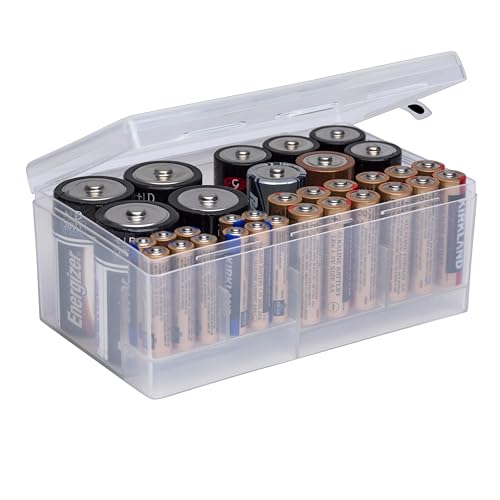
Dial Industries Battery Storage Organizer Case, 12 AAA, 12 AA, 6 C, 4 D
Dial Industries’ organizer case keeps batteries neatly stored and off the ground, ensuring easy access and preventing accidental contact with conductive surfaces.
FAQ
Can I place a battery directly on concrete without a base?
Direct contact is not recommended. A non-conductive base reduces shorting risk and protects against moisture wicking into terminals; use a rubber mat or plastic tray and ensure a dry surface.
Fact to remember: a non-conductive base is the practical minimum for any battery on the ground.
Is it safe to put a battery on concrete if I’m not charging it?
Even when not charging, damp concrete can accelerate corrosion around terminals and promote dirt buildup. A dry, raised base remains advisable to simplify maintenance and reduce accidental shorts.
Key point: keep the battery off damp surfaces whenever possible.
How long should a battery stay on the ground if I must move it?
If you must relocate it temporarily, keep the base intact, avoid dragging across rough floors, and cap loose cables. Move slowly, disconnect power before moving, and place on a stable base as soon as possible.
Action step: use a rolling cart or a temporary mat with non-slip backing for transport.
What signs show a hazardous battery on the ground?
Watch for swelling, cracking, or venting; a strong vinegar-like or rotten-egg odor around terminals; overheating; and corrosion around connections. If you see any of these, remove the battery from the ground and inspect immediately.
Warning flag: temperature rise and odor are non-negotiable red flags.
What are safer alternatives if I can’t raise the battery?
Use a dedicated battery tray or box with a lip, a raised rack, or a non-conductive elevated platform. Pair the base with proper ventilation and keep away from flammables. If you must place on the ground, ensure a dry, clean, non-conductive surface and secure mounting.
Practical alternative: raise the battery on a non-conductive rack or tray with a containment lip.

- 10 Best Battery For Generator Battery Safety System 2026 - October 12, 2026
- 10 Best Battery For Generator Battery Safety Option 2026 - October 12, 2026
- 10 Best Battery For Generator Battery Safety 2026 - October 12, 2026