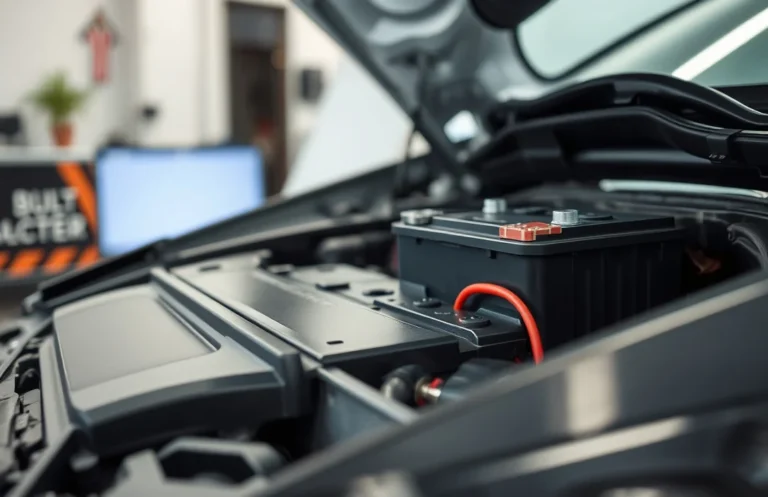
Can You Put A Car Battery On The Ground?
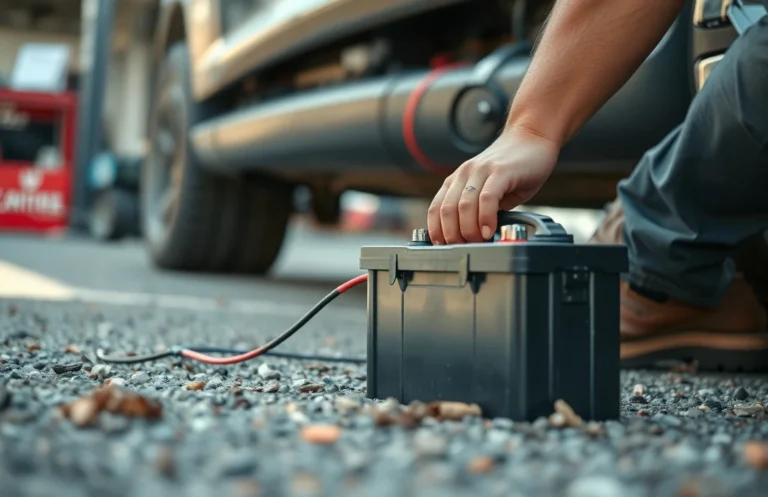
Putting a car battery on the ground invites short circuits and acid spills. A battery resting on bare concrete or dirt can shift, tip, or contact conductive surfaces, increasing the chance of a dangerous arcing event. Hydrogen gas may vent during charging, and spilled electrolyte can corrode nearby metal. The safer move is a non-conductive base in a stable, clean area.
No, you cannot put a car battery on the ground. The risk of shorting, corrosion, and electrolyte exposure is significant, especially if the battery shifts or lands on moisture or metal. Use a non-conductive base such as a rubber mat, plastic tray, or wooden board. Keep the area clear of tools, rags, and flammable liquids to protect your hands and the vehicle.
Key Takeaways
- Non-conductive base. Always place the battery on rubber, plastic, or wood to prevent shorts.
- Keep it dry. Moisture on the surface accelerates corrosion around terminals and connectors.
- Ventilation matters. Charging releases hydrogen gas; work in a well-ventilated area away from flames.
- Protective gear. Wear gloves and eye protection when handling or inspecting the battery.
- Contain and clean. If leaks occur, neutralize and clean following local guidelines.
Risks of Placing a Car Battery on the Ground
Recommended Products


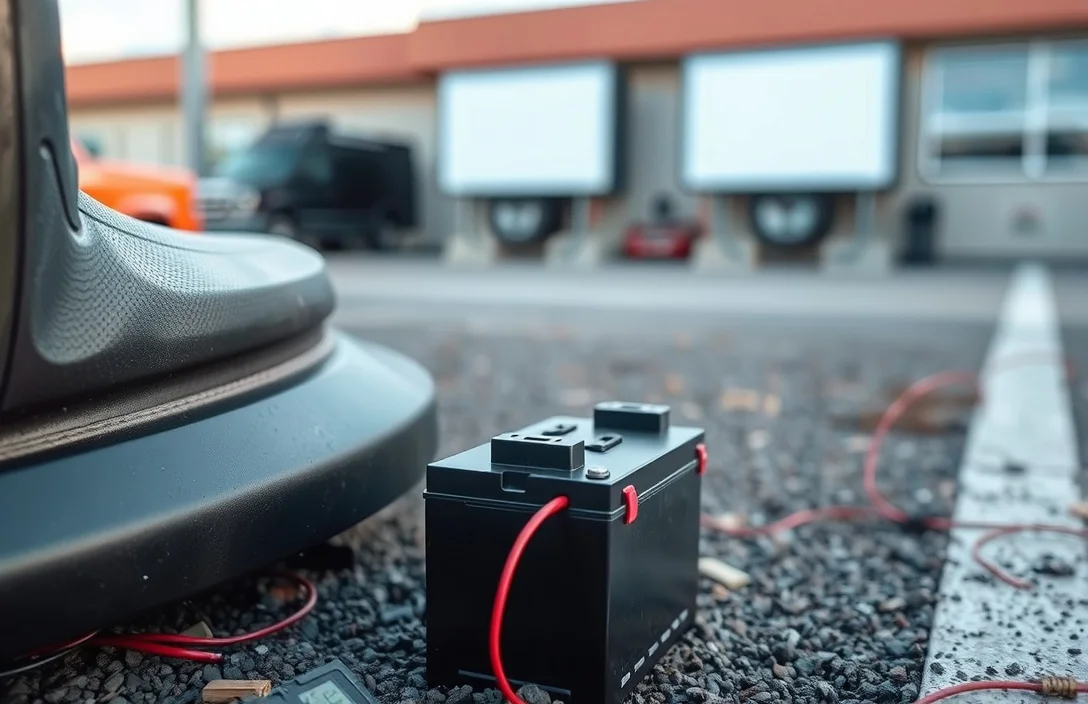
A car battery is heavy and top-heavy; a slight tilt can bring terminals into contact with metal surfaces or nearby tools. The metal case can spark if the positive terminal touches a conductive object, creating a short circuit. Electrolyte spills pose chemical burns and can damage floors, rags, or tools adjacent to the battery. Hydrogen gas, though diluted, can accumulate in enclosed spaces and ignite if an ignition source is present.
You often don’t notice the danger until something goes wrong. A damp workshop floor or a metal tool left nearby can create a perfect short path. A damaged case or cracked vent caps increases the risk of leaks, making even a quick maintenance step more hazardous. The best practice is to prevent movement and shield terminals from contact with any conductive surface.
For example, during a routine jump-start, a battery may need to sit briefly in an awkward spot. Always place it on a proper surface before connecting cables. Once you set the battery down, maintain a non-conductive barrier and organize the workspace to prevent anything from bridging the terminals. A small precaution now saves big trouble later.
Alternative Surfaces for Battery Placement
Recommended Products


A non-conductive base is essential. Rubber mats are ideal because they grip the floor and absorb minor movements without conducting electricity. Plastic battery trays keep the unit elevated and contained in case of a leak. A thick wooden board can work temporarily if it is clean, dry, and untreated to avoid chemical reactions with the electrolyte.
Two factors drive the choice: stability and isolation. The surface must not deform under the weight of the battery and should electrically isolate the case from the floor. Avoid metal surfaces or workbenches that can create a short if the battery tips or leaks. Temperature and moisture also matter; a dry, cool surface is best.
Surface options table
- Surface option: Rubber mat
Pros: Excellent grip, good vibration dampening, easy to clean.
Cons: Can degrade over time if exposed to oil or solvents.
Best use: Routine maintenance and charging in a garage or driveway.
- Surface option: Plastic battery tray
Pros: Contained spill, raised lip reduces leak spread, easy to move.
Cons: Hard to place on uneven floors.
Best use: Temporary setups during maintenance or mounting in vehicles.
- Surface option: Wooden board
Pros: Readily available, inexpensive, non-conductive when dry.
Cons: Can rot if exposed to leaks, may warp with moisture.
Best use: Short-term setups or untripped spaces with a dry floor.
- Surface option: Heavy-duty rubber pallet
Pros: Durable, high weight tolerance, excellent isolation.
Cons: Bulkier; may be less convenient for small spaces.
Best use: Permanent or semi-permanent shop setups.
- Surface option: Insulated plastic stand
Pros: Keeps battery level and dry, designed for battery use.
Cons: Higher upfront cost.
Best use: Frequent battery maintenance in a dedicated workspace.
Choose a base that stays in place, blocks spills, and isolates electricity from the floor. If you must move the battery often, select a tray or mat with a handle and a seal to catch potential leaks. Inspect the base for cracks or wear before each use, and replace worn items promptly.

Helpful pick
Automotive, Marine, Boat, RV Battery Tray – Group 27 Series with Strap, Battery Holder (27 Series)
This battery tray keeps the unit elevated and contained, preventing leaks and ensuring safety on non-conductive surfaces.
Temporary and Long-term Battery Placement
Recommended Products

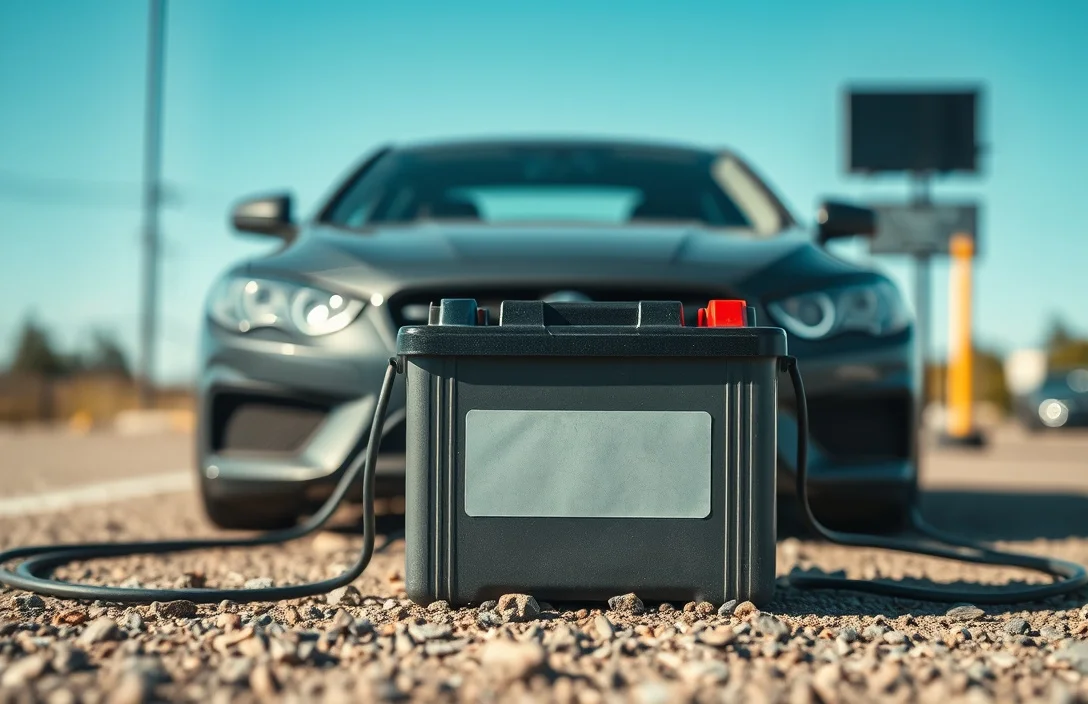
Temporary placements still require the same safety rules as long-term setups. When swapping batteries or performing diagnostics, keep the battery on a non-conductive base and away from metal edges. Treat any slight tilt as a tip hazard; re-seat the battery immediately on a stable base. Clearance around the terminals matters; arrange cables so they do not brush against the surface.
During maintenance sessions, avoid placing tools directly on the battery top or near the terminals. A dedicated tool tray or small organizer helps keep connections clean and minimizes accidental contact with metal. If you must set the battery on a floor, ensure the surface is dry, flat, and non-conductive, and that cables are arranged away from the battery to prevent short paths.
Plan the layout before starting. For instance, lay out a rubber mat, then position the battery with the terminals facing away from metal edges. Keep a spill kit within reach: baking soda, a brush, and disposable rags. A well-planned setup reduces risk and speeds up maintenance, making it safer and more efficient.
Safety Measures for Spills and Venting
If electrolyte leaks, act quickly but calmly. Wear gloves and eye protection, then contain the spill with paper towels or absorbent material. Neutralize the acid with baking soda, then wipe up the residue with a damp cloth. Dispose of contaminated material according to local guidelines and wash your hands afterward. Venting is common during charging, so ensure adequate ventilation and keep flames and sparks away.
Hydrogen venting can occur even with a healthy battery, so avoid enclosed spaces. If you detect a sulfuric smell or see white, chalky residue around the terminals, treat it as a spill risk. Remove the battery from the immediate area if necessary and isolate the space to prevent exposure to others. After cleanup, inspect the battery for cracks or bulges and test the terminals for corrosion or looseness.
Quick responses matter. Always have a plan and keep a charged portable fire extinguisher rated for electrical fires nearby. If unsure about containment steps, consult a local automotive shop or the battery manufacturer’s guidelines. A careful, documented process minimizes risk and preserves workplace safety.
Essential Accessories for Safe Battery Placement

Dorman 00097 Driver Side Battery Tray Replacement Compatible with Select Cadillac/Chevrolet/GMC Models
The Dorman 00097 Battery Tray provides a secure mounting solution, preventing damage to your car battery when placed on the ground.

Attwood USCG-Approved Group 27 Series Adjustable Hold-Down Marine Boat Battery Tray, Black, 9091-5
The Attwood Adjustable Hold-Down Battery Tray ensures your marine battery stays in place, protecting it from ground contact and potential corrosion.
Safe Transporting and Storing of Car Batteries
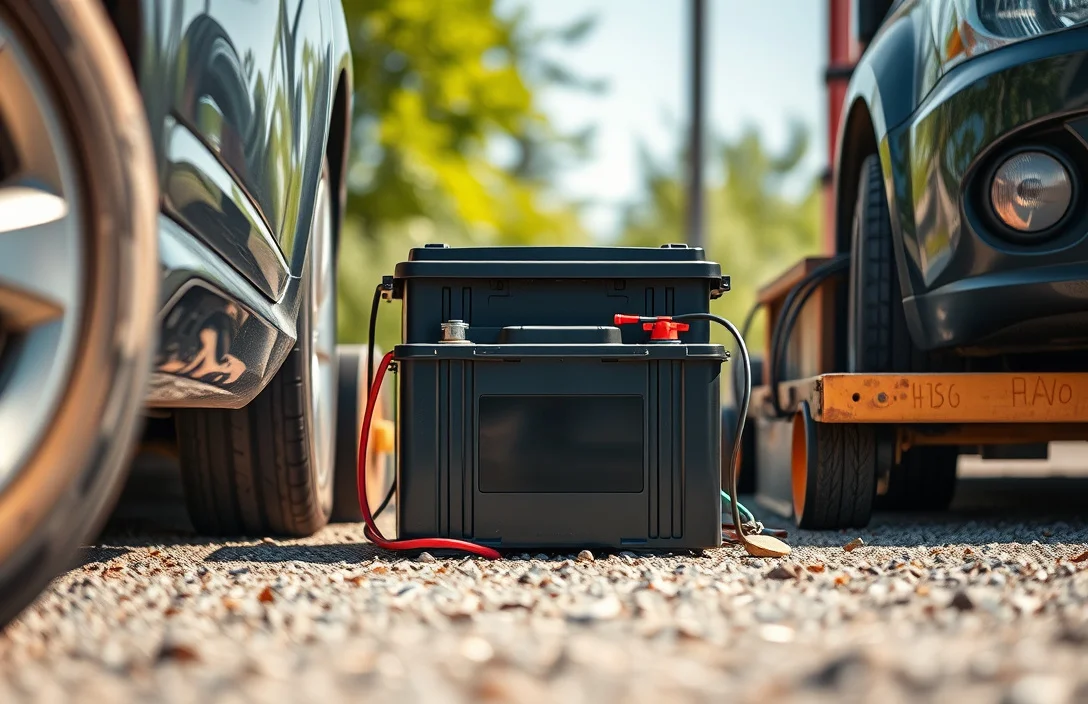
Transporting a car battery requires securing it to prevent movement during travel. Use a non-conductive base and strap or clamp to hold it in place. Keep the unit upright to minimize electrolyte leakage and avoid tipping that exposes terminals. Do not stack batteries or place them on metal surfaces during transport.
Storage should be in a cool, dry, well-ventilated area away from direct sunlight and heat sources. Keep terminals covered or protected to prevent accidental contact. A battery should not be stored in a charged state for long periods; maintain a trickle charge or store in a discharged but safe condition as per the manufacturer’s guidelines. Regular checks help catch leaks or corrosion early.
When moving a battery between locations, carry it with both hands and avoid carrying it by the terminals only. Clear a path, keep it away from flammables, and place it on a dedicated non-conductive surface upon arrival. A small, prioritized routine makes storage predictable and safer.
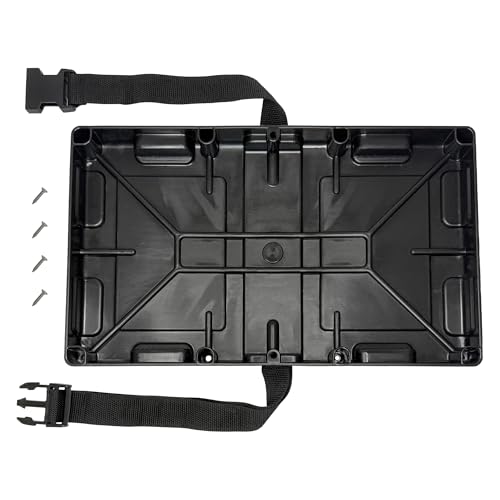
Helpful pick
Automotive, Marine, Boat, RV Battery Tray – Group 29/31 Series with Strap, Battery Holder (29/31 Series)
This battery tray securely holds your battery in place during transport, preventing movement and potential leaks.
Understanding Grounding Differences
Lead-acid batteries vent hydrogen during charging and discharging. The risk profile includes acid leaks and corrosion at terminals, making a non-conductive base essential. Lithium car batteries (including LiFePO4 varieties) rely more on a Battery Management System (BMS) to manage charging and safety, but a non-conductive surface still reduces short-circuit risk and protects the casing from moisture.
Charging approaches differ as well. Lead-acid packs require proper ventilation and a surface that won’t conduct electricity if a terminal becomes exposed. Lithium packs depend on BMS protection to prevent overcharging, but the ambient environment and surface still influence heat buildup and mechanical stability. In all cases, ground neutrality of the charging space and secure mounting help prevent accidents.
Respect the environment around the battery. Whether you have a lead-acid or a lithium pack, use a non-conductive base, maintain clean surroundings, and handle carefully to ensure safety and preserve battery life. The surface is not a minor detail; it is part of the safety system you rely on every time you work with a battery.
Choosing a Battery Tray, Mat, or Stand: A Buying Guide
Your choice should balance safety, practicality, and cost. A rubber mat is inexpensive, resilient, and easy to wipe down. A plastic tray contains spills and helps with leaks but may be less effective on uneven floors. A wooden board is accessible and inexpensive but can degrade with exposure to electrolyte. For frequent maintenance, a purpose-built battery stand or tray often pays back in durability and ease of use.
Consider a few decision criteria: Weight rating is important for the battery you have; ensure the base can bear the load. Material compatibility matters for chemical exposure; avoid porous wood if leaks are possible. Portability is also crucial if you move the battery around a workshop; choose items with handles or quick-release features. A well-chosen base reduces maintenance time and lowers the risk of accidents.
You don’t need the most expensive option to stay safe. A solid rubber mat or a purpose-built tray is sufficient for most garages. If you work with multiple vehicles or transport batteries often, invest in a stabilized stand with a lip to catch leaks. The right base makes routine maintenance safer and cleaner.
| Option | Why it helps | Price | Link |
|---|---|---|---|
| Dorman 00085 Passenger Side Battery Tray Replacement Compatible with Select Cadillac / Chevrolet / GMC Models | This battery tray replacement is ideal for ensuring a secure fit in your vehicle, enhancing safety and practicality. | Check price | View → |
| Battery Tray Compatible with 1995-2005 Chevy Blazer 1994-2004 S10 Pickup 1995-2001 GMC Jimmy 1994-2004 GMC S-15 Sonoma 1996-2001 Olds Bravada Replaces 15020434 00084 | Compatible with various models, this battery tray offers a reliable solution for containment and protection against leaks. | Check price | View → |
Routine Maintenance and Checks
Inspect the base before each use. Look for cracks, tears, or signs of wear that could allow movement or leaks. Wipe away any electrolyte residue from the base and surrounding area. Regularly check the battery terminals for corrosion and clean as needed with the proper solution and tools. A clean workspace minimizes the chance of accidental contact or short circuits.
Schedule a quick monthly review of your workspace setup. Confirm the base remains non-conductive and undamaged and ensure there is no moisture buildup under the battery. If you notice a leak, replace the base and container to prevent repeated exposure. Keeping the area dry and organized helps prevent long-term damage to floors, tools, and vehicles.
FAQ
Can I put a car battery on the ground inside a garage?
Yes, but only if the ground is dry, non-conductive, and the battery sits on a dedicated base such as a rubber mat or plastic tray. Do not place it directly on damp concrete or metal surfaces. Ensure good ventilation and clear space around the terminals.
How should I store a car battery when it’s not in use?
Store it on a non-conductive base in a cool, dry, well-ventilated area away from direct heat sources. Keep terminals covered to prevent accidental contact and check the battery periodically for signs of leakage or corrosion. If possible, maintain a small charge to extend its life.
What should I do if the battery leaks acid?
Wear gloves and eye protection, contain the spill with absorbent material, and neutralize with baking soda before cleanup. Wipe the area, dispose of contaminated material per local guidelines, and inspect the battery for further damage. Do not mix acids with reactive chemicals outside proper guidelines.
Is there a risk with lithium car batteries on the ground?
Lithium packs rely on the BMS for protection, but ground contact still risks short circuits and mechanical damage. Use a non-conductive surface and secure mounting to prevent movement. Ventilation and heat management remain crucial during charging.
What’s the best surface for frequent maintenance?
A rubber mat or plastic battery tray provides reliable insulation, grip, and containment. These surfaces minimize movement, reduce the chance of shorts, and simplify cleanup after maintenance or spills.
Are all bases equal for car batteries?
No. The safest base is non-conductive, stable, and easy to clean. The base should prevent terminal contact with any metal surface and resist chemical exposure. A durable option like a heavy-duty rubber mat or purpose-built tray is typically best for homes and shops.
Use a non-conductive base for any car battery you handle. Keep the area dry, organized, and well-ventilated, and inspect the surface and battery regularly. If setting up a dedicated workspace, invest in a sturdy tray or mat and label the area as a no-drift zone for tools and metal objects. This simple setup pays off in safety and longevity.

- 10 Best Battery For Generator Battery Safety Option 2026 - October 12, 2026
- 10 Best Battery For Generator Battery Safety 2026 - October 12, 2026
- 10 Best Battery For Generator Battery Rv Upgrade 2026 - October 12, 2026