Can You Take Milwaukee M12 Batteries On A Plane?
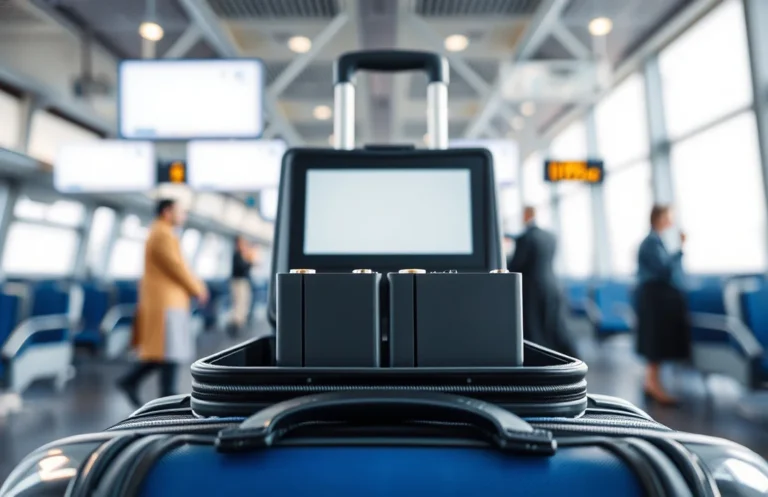
Yes. Milwaukee M12 batteries can be taken on a plane, but they must be kept in carry-on luggage as spare packs. Most M12 batteries range from about 18Wh to 72Wh, all below the 100Wh limit. Batteries installed in tools are treated differently, and terminals must be protected during transport.
Milwaukee M12 batteries under 100Wh each are allowed in carry-on luggage as spare packs, with a limit of two per person. Batteries installed in tools can travel in carry-on, but spare packs must remain separate and terminals protected. For packs over 100Wh, you need airline approval.
Key Takeaways
- Carry-on limits. Spare batteries up to 100Wh are allowed in carry-on; you may bring up to two spare packs per person.
- Battery size range. Milwaukee M12 packs range from 18Wh to 72Wh, all under the 100Wh limit for air travel.
- Terminal protection. Terminals must be protected to prevent short circuits, using original packaging or terminal covers.
- In-device usage. Batteries installed in devices are allowed in carry-on; spare packs must be carried separately.
- Checked-bag rule. Spare batteries cannot go in checked luggage.
What counts as a Milwaukee M12 battery on a plane
Recommended Products


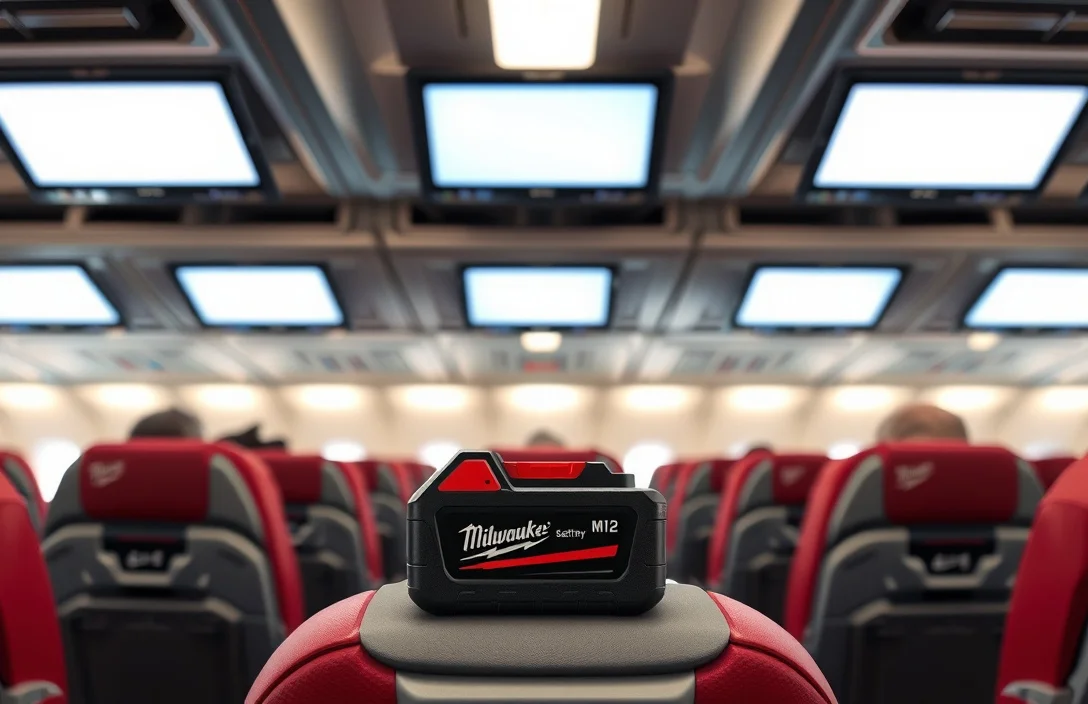
Milwaukee M12 packs come in several capacities, most commonly 1.5Ah, 2.0Ah, 3.0Ah, 4.0Ah, and 6.0Ah. At 12 volts nominal, that translates to roughly 18Wh, 24Wh, 36Wh, 48Wh, and 72Wh per pack, respectively. All of these values stay under the 100Wh threshold for spare lithium-ion batteries in most commercial travel policies. This means you can bring them as spare batteries in your carry-on, not in checked baggage, as long as you meet the other safety requirements.
Two important distinctions shape your plan. First, spare batteries must ride in carry-on only; you can’t put spares in checked luggage. Second, batteries installed in a tool or device are treated differently; they may ride in carry-on but should be packed securely and powered down. If a battery is installed in a device, airlines typically allow it in carry-on, but ensure the device is powered off and the battery terminals are protected.
The real-world constraint is not just chemistry but the combination of capacity, protection, and airline policy. A 72Wh M12 pack is comfortably below the 100Wh limit, while a pack over 100Wh would require prior approval. Since Milwaukee’s M12 lineup tops out well below that ceiling, most users will remain within the standard carry-on permissions as long as they keep spare packs properly protected and within the two-per-person guideline.
How the rule actually affects Milwaukee M12 users
Recommended Products

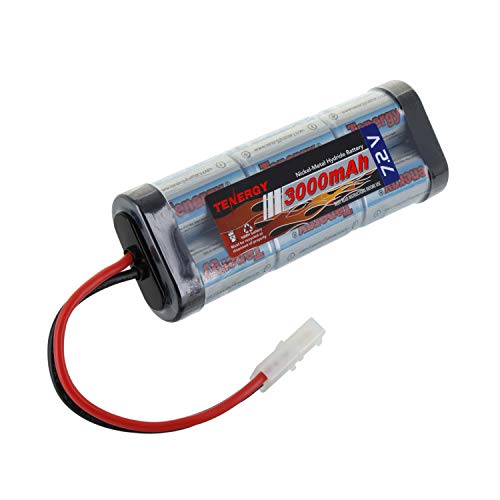
Carry-on rules exist to manage fire risk and accessibility during emergencies. For Milwaukee M12 users, the practical effect is clear: bring only spare batteries up to 100Wh, limit it to two spares per traveler, and avoid checked baggage for spares. If you need more than two spare packs or have a pack approaching 100Wh, contact the airline in advance to confirm any exceptions or additional screening steps.
When traveling with tools, the key distinction is whether the battery is a spare or installed. A tool with an installed battery is generally allowed in carry-on, but secure the battery and tool to prevent movement during turbulence. Spare packs must be carried separately and protected from short circuits. Carry proof of capacity in case security asks for it, though the numbers are typically straightforward to verify at a glance.
Plan to arrive at the security checkpoint with your batteries easily accessible. Use a small, clear bag or protective case that shows the terminals are covered. Keep the terminals from touching metal objects by using the original packaging or dedicated terminal covers. This simple step reduces the risk of rapid discharge or short circuits during screening.
Two parallel tracks shape the experience: capacity limits and safety packaging. Capacity limits are fixed by the 100Wh rule for spare batteries, while packaging is a safety protocol that helps screeners quickly understand that the batteries are not loose hazards. The Milwaukee M12 family fits within the capacity rule, so the packing strategy largely comes down to terminal protection and the two-per-person limit.
how to prepare
Recommended Products
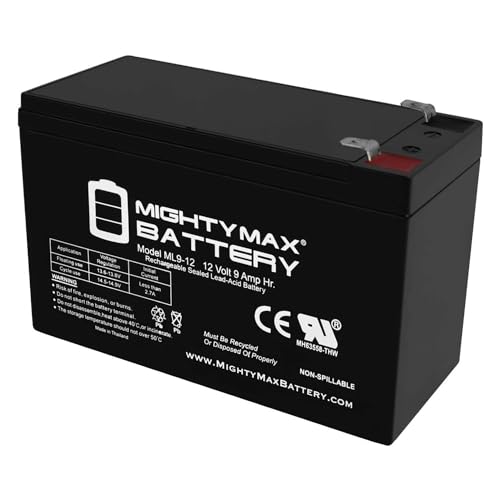

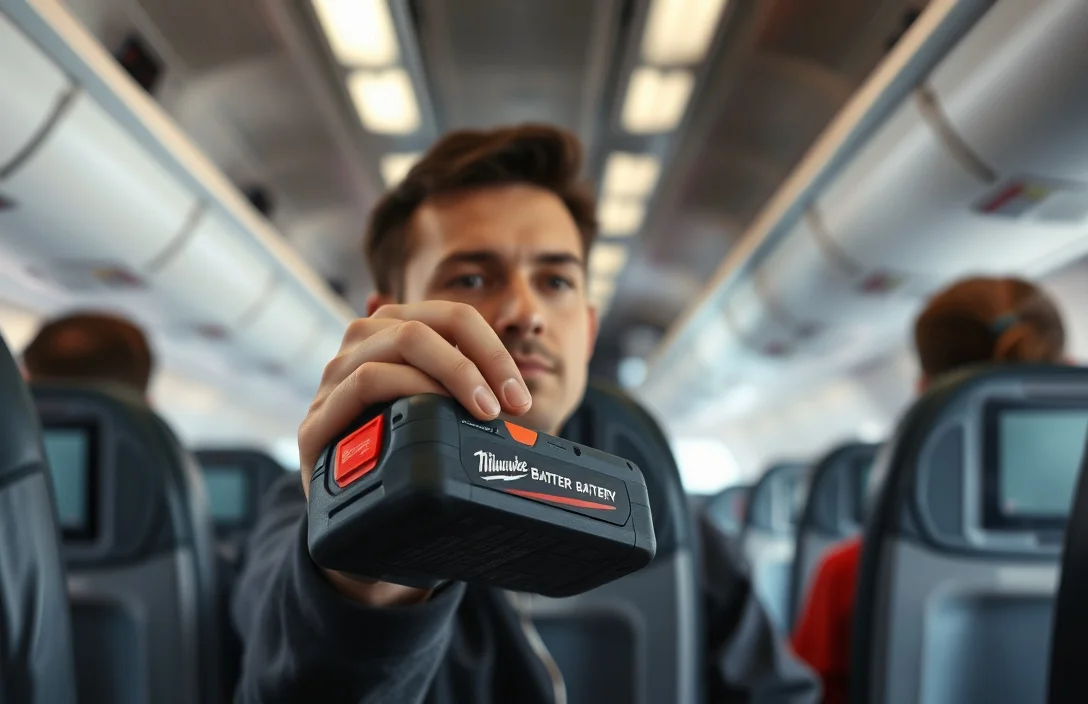
Pack your Milwaukee M12 spares to streamline the screening process. Place each spare in a protective sleeve or keep them in the original packaging. Shield the terminals with caps or nonconductive tape to prevent accidental shorting. If using a clear pouch, ensure nothing in the bag can press against the battery terminals.
Do not include spare batteries in checked bags. Spare lithium-ion packs are carry-on items only. If you need to transport more than two spares, coordinate with the airline for approval. If forwarding additional batteries via shipping, arrange it separately and consider timing to avoid delays at the airport.
For devices with installed batteries, ensure the device is powered off before packing. Place the device in a padded case to prevent movement. If you have multiple tools, carry them in a hard case, but do not mix loose spares with the tools or with metal items that could bridge terminals.
Table: Milwaukee M12 battery capacities and travel status
| Battery capacity (Ah) | Estimated energy (Wh) | Travel status (spare) | Notes |
|---|---|---|---|
| 1.5 Ah | 18 Wh | Allowed up to 100 Wh | Spare allowed; carry-on only |
| 2.0 Ah | 24 Wh | Allowed up to 100 Wh | Spare allowed; carry-on only |
| 3.0 Ah | 36 Wh | Allowed up to 100 Wh | Spare allowed; carry-on only |
| 4.0 Ah | 48 Wh | Allowed up to 100 Wh | Spare allowed; carry-on only |
| 6.0 Ah | 72 Wh | Allowed up to 100 Wh | Spare allowed; carry-on only |
This table serves as a quick reference. All listed packs stay below the 100Wh ceiling, so you won’t face the unusual case of needing airline approval for capacity. The usual caveats apply: two spares per passenger, terminal protection, and carry-on only.
Real-world scenarios you’ll actually encounter
Recommended Products


For example, if you’re a contractor taking two M12 packs (4.0Ah and 6.0Ah) and a spare 1.5Ah on a short domestic trip, both spare packs are under 100Wh. You can pack the two spares in carry-on with terminals covered. The tool you’re bringing has its own battery installed; power it off and secure it in a padded case. You’ll pass security smoothly if you keep the batteries in a readily accessible, clearly labeled bag.
If you plan to travel with three M12 packs: 2.0Ah, 3.0Ah, and 4.0Ah, plus a tool in a protective shell, the 24Wh, 36Wh, and 48Wh packs are all well under 100Wh. The key is to separate the spares from the tool and ensure terminal protection. If an agent questions the capacity, you can reference the 100Wh per spare battery ceiling and the two-per-person limit.
If you need more than two spare packs, you have solid options. First, ship the extra packs separately using a courier that accepts lithium-ion batteries. Second, carry the required number of spares and plan to purchase additional packs at your destination. In any scenario, contact the airline before flying to confirm exceptions or additional screening steps.
The simplest approach is to keep your spares down to two and protect them. If you regularly travel with multiple packs, develop a packing ritual: each spare in its own protective sleeve, terminals capped, and the whole bundle in a carry-on bag that stays with you. This routine reduces stress at security and speeds up the boarding process.
What to do if a pack is larger than 100Wh or you have special needs

Batteries that exceed 100Wh require airline approval before travel. Milwaukee M12 packs max out around 72Wh, so this is typically a non-issue. If you need a larger battery for a rare tool, obtain written approval from the airline and be prepared to provide details about the pack and its chemistry.
Airlines may interpret rules differently on the ground. Before traveling, verify that your specific airline’s rules align with general guidance. If traveling with oversized equipment, consider shipping ahead or checking a specialized battery case that meets the airline’s safety requirements. This avoids last-minute confusion at the airport and ensures safe transport.
The safest plan is to operate within the standard 100Wh spare limit and keep everything well protected. If you anticipate needing more power for a specific trip, proactive planning with the airline is wise. It saves time and reduces the risk of delays or confiscation at security.
The practical verdict and next
Recommended Products


Milwaukee M12 batteries can travel with you, not in checked luggage, and most packs are comfortably under the 100Wh spare limit. Keep spares in carry-on, protect the terminals, and stay within two spares per passenger. For larger or more numerous packs, contact the airline for approval or arrange alternative shipping.
Next step: audit your packing kit. List the Milwaukee M12 capacities you own, verify their Wh values, and map them to the two-spare limit. Gather terminal covers or use original packaging, and designate a carry-on bag just for spares. This simple routine makes air travel with power tools predictable and stress-free.
FAQ
How many Milwaukee M12 spare batteries can I bring in carry-on?
You can bring up to two spare batteries in carry-on if each is under 100Wh. Pack each spare with terminals protected and avoid placing spares in checked bags.
Can I carry a Milwaukee M12 tool with its battery installed in my carry-on?
Yes, tools with installed batteries are generally allowed in carry-on. Ensure the tool is powered off and the device is properly protected during transport.
Are 6Ah Milwaukee M12 packs allowed as spare batteries on a plane?
Yes. A 6Ah pack is about 72Wh, which is under the 100Wh limit, so it is allowed as a spare in carry-on when properly protected.
Can I check spare Milwaukee M12 batteries?
No. Spare batteries should travel in carry-on only; checked luggage is not permitted for spare lithium-ion packs.
What should I do if I need more than two spare batteries?
If you need more than two spares, contact the airline for approval or consider shipping the extra packs separately. You can also buy replacements at your destination in many cases.

- 10 Best Battery For Generator Battery Safety System 2026 - October 12, 2026
- 10 Best Battery For Generator Battery Safety Option 2026 - October 12, 2026
- 10 Best Battery For Generator Battery Safety 2026 - October 12, 2026