Can You Leave Lithium Batteries In The Cold?
Cold weather changes how lithium batteries behave, but you can manage them safely with simple rules. Subfreezing temperatures slow chemistry, raise internal resistance, and make charging riskier. Store and use lithium batteries in a controlled temperature range, and avoid long exposures to freezing temperatures. If you must endure cold, warming them before use is essential.
Lithium batteries should not be left in subfreezing environments for extended periods. If you must store them outside, keep the temperature above 0°C and target a state of charge (SOC) of roughly 30-60%. Do not charge when the pack is below 0°C; allow it to warm to room temperature first for safe operation and best performance.
Key Takeaways
- Avoid freezing temps. Subfreezing storage raises internal resistance and temporarily reduces available capacity.
- Moderate charge level. For long-term storage, aim for about 30-60% SOC to minimize capacity fade.
- Warm before charging. Do not start charging until the pack is above 0°C to reduce plating risk.
- Chemistry matters. LiFePO4 tolerates cold better than many Li-ion chemistries but still shouldn’t be stored or charged at subzero temps.
- Gradual temperature shifts. Move from cold storage to use slowly to reduce thermal stress on cells.
- Check manufacturer guidance. Use data sheets or device instructions for exact storage and charging temperatures.
How cold affects lithium batteries
Recommended Products


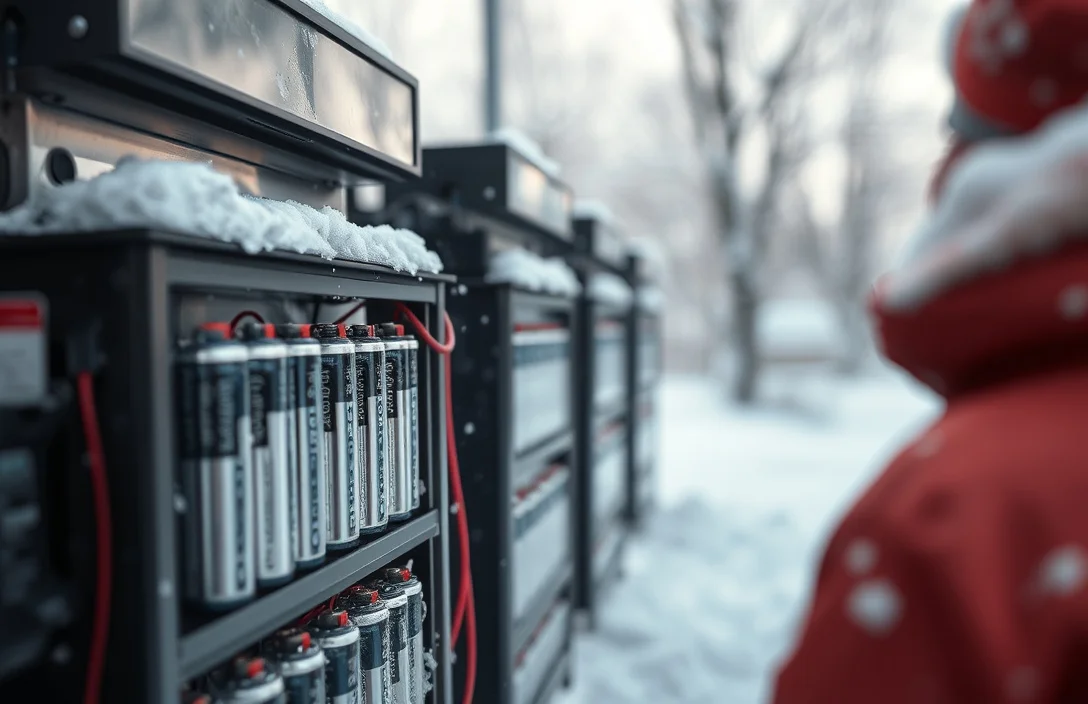
Low temperatures slow the electrochemical reactions inside lithium batteries. Capacity drops temporarily, and the energy available at a cold cell is less than at room temperature. The result is shorter runtimes and quicker voltage sag under load. Devices may feel “weaker” or die sooner in freezing weather.
Warming a pack can restore some performance, but repeated exposure to cold and rapid warming stresses the cells. Charging in the cold compounds the risk: ions don’t move easily, and lithium plating can occur if a charger pushes current into a cold cell. Modern battery management systems (BMS) help, but they aren’t a license to ignore cold. A safe rule is to avoid charging until the battery is comfortably above 0°C, then bring it to normal operating temperature gradually.
This matters most for devices stored or used outdoors in winter, such as cameras, drones, electric bikes, or smartphones left in unheated spaces. Cold degrades short-term performance, and persistent stress from repeated cycles can shorten long-term life. When you move a cold pack to a warm room, you’ll notice a rapid voltage rebound as resistance falls and chemistry re-accelerates. That rebound is normal but doesn’t erase prior stress.
Should you leave lithium batteries in the cold?
Recommended Products


Short stints in a cold car or exposure to chilly weather aren’t catastrophic for most consumer packs, but long durations are risky. The biggest danger is charging at subzero temperatures, which invites plating and potential damage to the electrode surface. If you have packs that live in freezing environments – like camera batteries in a winter-producing job – planning storage with a climate-controlled approach is essential.
If you can avoid it, don’t leave lithium batteries in the cold for days. If you can’t avoid it, insulate the pack and limit exposure. A simple insulated pouch or a small thermal bag can slow temperature drops, allowing the battery to stay just above freezing for safe use. Regular checks and a plan to bring them inside before charging dramatically reduce risk.
The safest path is to treat cold as a temporary condition, not a storage strategy. A pack in a heated space will respond predictably, avoiding the combination of low voltage, high internal resistance, and charging hazards that cold imposes. The key is to avoid prolonged exposure to subzero temperatures and respect the minimum charging temperature.
Storage guidelines by chemistry
Recommended Products


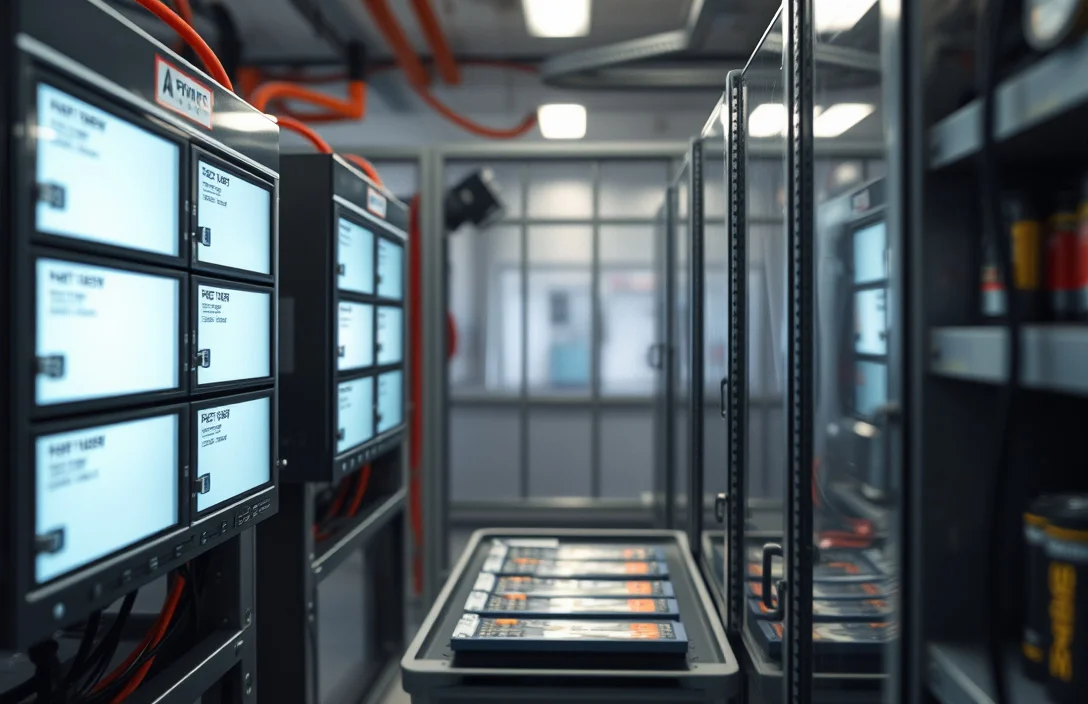
Different lithium chemistries react to cold in distinct ways. Li-ion packs (including common NMC and LCO chemistries) perform well at typical room temperatures but lose capacity and power as the temperature drops. LiFePO4 chemistries resist high current demands and tolerate heat better, but they still don’t like being charged or stored below freezing. Li-polymer behaves like Li-ion variants, with cold sensitivity that shows up as reduced capacity and slower charging.
The table below gives a practical snapshot for planning storage and charging across common lithium chemistries.
| Chemistry | Operating temp range | Storage temp range | Minimum charging temp | Notes |
|---|---|---|---|---|
| Li-ion (typical) | 0°C to 45°C | 0°C to 25°C | Do not charge below 0°C | Temperature materially affects capacity and cycle life; use a BMS. |
| LiFePO4 | -20°C to 60°C | 0°C to 25°C | Do not charge below 0°C | More tolerant to cold than Li-ion, but still best kept above freezing for charging. |
| Li-polymer | 0°C to 45°C | 0°C to 25°C | Do not charge below 0°C | Similar constraints to Li-ion; avoid cold charging. |
Handling devices left in the cold
Recommended Products


When a device or battery pack spends time outside, treat it like a cold-soaked instrument. Allow a slow, safe warm-up before attempting to recharge. If a device is cold, remove it from the cold environment and let it warm to room temperature before charging. A 10-15 minute warm-up in a sheltered space is usually enough for casual use; longer warm-up may be necessary for larger packs.
If you routinely operate in cold environments, consider strategies that minimize exposure. Keep devices in insulated compartments, avoid direct contact with metal, and store them in a climate-controlled place when not in use. For home storage, a small cabinet or drawer in a heated room is typically sufficient. The goal is simple: reduce the temperature difference between ambient conditions and battery temperature to keep chemistry stable.
Essential Gear for Protecting Lithium Batteries in Cold Weather

Zeee Fireproof Explosionproof Large Capacity Battery Storage Guard Pouch for Lipo Charge & Storage (8.46 x 6.5 x 5.71 in)
The Zeee Fireproof Explosionproof Large Capacity Battery Storage Guard Pouch protects lithium batteries from extreme temperatures, ensuring safe storage even in cold conditions.

Zeee Lipo Battery Bag Fireproof Explosionproof Safe Bag Extra Large Capacity Lipo Battery Storage Guard Safe Pouch for Charge & Storage(14.17 * 7.87 * 9.84in) – Large Size
The Zeee Lipo Battery Bag offers extra-large capacity and fireproof protection, making it ideal for safely storing lithium batteries in cold environments.

OVONIC Lipo Safe Bag Fireproof Explosionproof Bag, Large Medium and Small Capacity for Lipo Batteries Storage
OVONIC’s Lipo Safe Bag provides versatile size options and fireproof features, helping you securely store lithium batteries while minimizing risks associated with cold temperatures.
Practical steps to store lithium batteries safely in cold weather
Recommended Products


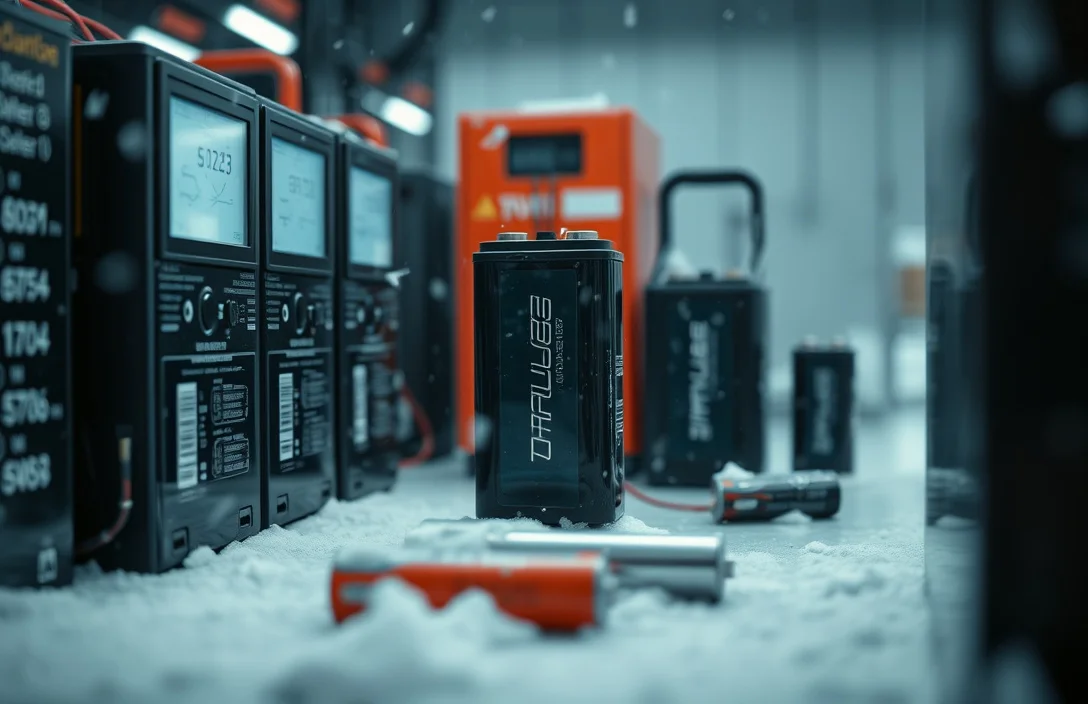
Before you store anything, ensure you have a plan. Temperature stability matters more than you might think, especially for long-term storage. Here are concrete steps you can follow.
- Choose a temperature-controlled storage area. A closet, cabinet, or shelf inside a heated space is ideal.
- Charge to roughly 30-60% SOC. This level minimizes aging while keeping the pack ready for use.
- Use a protective sleeve or pouch. Protect against moisture and physical damage while the battery sits in cold conditions.
- Keep away from moisture and direct cold sources. Avoid damp basements or uninsulated outdoor corners.
- Avoid rapid temperature shifts. Don’t move from cold to heat and back repeatedly in short time frames.
- Check SOC every few months and recharge as needed when temperatures rise. Regular checks prevent surprise drops in stored capacity.
For example, if you’re storing spare smartphone or camera batteries for winter travel, set the storage area to 5-15°C in a dry, insulated container with the SOC at 40-60%. Recheck after a few weeks and adjust as needed. For longer-term winter storage, consider a small climate-controlled box to maintain steady conditions.

Helpful pick
VLITEX Lithium Battery Storage Box XL (Extra Large) | Engineered in Germany | Fireproof E-Fiberglass & Silicone Fabric | Certified Lipo Safe Bag Container
This fireproof storage box is ideal for safely keeping lithium batteries in a temperature-controlled environment.
Common mistakes to avoid
Mistakes multiply when cold is involved. The most common are simple to fix and have outsized effects on battery health.
- Storing in direct cold or freezing environments for extended periods. Move packs inside when possible.
- Charging in the cold. Always warm the battery first, then charge to avoid plating.
- Ignoring SOC targets for storage. Leaving packs fully charged or nearly empty accelerates degradation in cold storage.
- Using damaged or swollen packs in cold weather. Do not use or store packs with visible damage; replace them.
Two more points worth noting: cheap, low-quality chargers can misbehave in cold weather. If you’re charging outside or in a poorly insulated space, a charger that lacks proper temperature sensing or multi-stage balancing can push current into a cold cell, which is exactly what you want to avoid.
Quick decision guide by use case
- Home storage in winter: keep lithium batteries above 0°C, 30-60% SOC, and in a climate-controlled cabinet.
- Outdoor devices (camera, drone) in winter: use insulated storage, avoid charging until inside and warm, and check the SOC monthly.
- Travel with batteries: carry in insulated sleeves, keep in carry-on if possible, and avoid extreme cold exposure or long layovers in freezing conditions.
| EV or large packs: rely on onboard thermal management, maintain a stable ambient temperature in the storage area, and follow the manufacturer’s cold-weather guidance. | Use case | Storage temp | Charge temp | SOC target | Key note |
|---|---|---|---|---|---|
| Home winter storage | 0-25°C | Do not charge below 0°C | 30-60% | Keep in a heated space; monitor periodically | |
| Outdoor devices | 0-15°C preferred | Avoid charging in cold | 40-60% | Insulated storage helps; warm before recharge | |
| Travel with packs | 5-15°C when possible | Warm before charging | 40-60% | Use protective sleeves; minimize exposure | |
| Large packs (EV) | 0-25°C ambient | Use thermal management | 30-80% | Manufacturer guidelines override general advice |
| Option | Why it helps | Price | Link |
|---|---|---|---|
| SunnyLith 12V 200Ah LiFePO4 Lithium Battery Fireproof Safe Bag, Large Capacity Explosion-proof Lipo Battery Bag for Charging and Storage, Waterproof Box for Documents and Valuables – 22×9×9.5in | This fireproof safe bag is ideal for storing lithium batteries safely during winter months. | Check price | View → |
| FLASLD Large Fireproof Lipo Bag for 100Ah Lithium Battery Storage and Charging, 14 x 7.8 x 9.5in Waterproof Box for Documents and Valuables | Use this waterproof box to protect your lithium batteries and valuables from cold weather conditions. | Check price | View → |
FAQ
What is the safe storage temperature for lithium batteries at home?
Keep storage between 0°C and 25°C and avoid freezing for extended periods; if you must stock at colder temps, insulate and bring them to a warmer space before charging.
Can I charge lithium batteries in the cold?
Do not charge below 0°C; let the pack warm to above freezing first, then charge in a controlled environment to reduce plating risk.
How does cold affect battery capacity and performance?
Cold reduces apparent capacity and power delivery, especially at 0°C; warming returns performance, but repeated cold exposure accelerates aging.
Are LiFePO4 batteries better in the cold than other lithium chemistries?
LiFePO4 tolerates cold somewhat better than many Li-ion chemistries, but charging below 0°C is still not recommended, and storage should stay near 0-25°C.
What’s the best winter routine for batteries I need to use soon?
Warm, inspect, and charge only when above 0°C; store at roughly 30-60% SOC in a climate-controlled space, and check SOC every few months.
Practical verdict and next
Keep lithium batteries out of prolonged subfreezing environments and avoid charging them when they’re cold. Use a climate-controlled storage space, maintain a 30-60% SOC for long-term storage, and warm packs to room temperature before charging. If you’re routinely dealing with winter, invest in a small insulated storage solution and a simple SOC monitoring habit. That combination is the difference between reliable performance and preventable wear.

- 10 Best Battery For Generator Battery Safety System 2026 - October 12, 2026
- 10 Best Battery For Generator Battery Safety Option 2026 - October 12, 2026
- 10 Best Battery For Generator Battery Safety 2026 - October 12, 2026