Can A Bad Alternator Ruin Your Battery? Key Effects And Solutions
A healthy charging system keeps the battery around 13.8 to 14.4 volts, so when the alternator fails the numbers matter. A common mistake is swapping batteries without testing the alternator first. The first thing to check is the charging voltage at the battery terminals with the engine running and accessories off.
A bad alternator can ruin a battery, yes. Sustained overvoltage above about 15 volts or chronic undercharge below about 12.4 volts causes electrolyte loss, sulfation, and repeated deep cycling, and can noticeably shorten battery life within weeks to months if unaddressed.
Can a Bad Alternator Ruin a Battery?
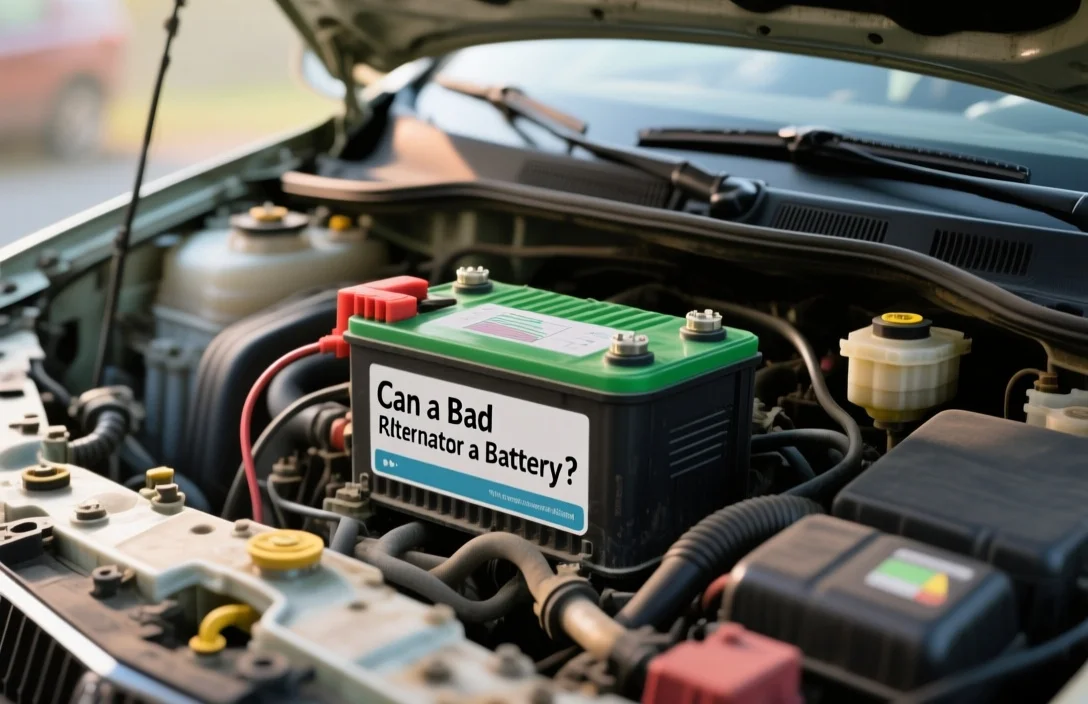
Yes, a bad alternator can permanently damage a battery if it overcharges, chronically undercharges, or injects AC ripple into the battery, but a single alternator failure does not always cause immediate permanent ruin. Damage is a function of fault type, duration, battery chemistry, and the battery’s age or state of health.
A car battery is an energy storage device that provides high current to start the engine and buffers the vehicle electrical system when loads exceed what the alternator supplies. It also acts as a voltage stabilizer for short pulses and accessories when the engine is off, so its health depends on regular correct charging.
An alternator is a generator that converts engine mechanical energy to DC charging current via a rectifier, while a voltage regulator keeps charging voltage within a safe window for the battery chemistry. When the regulator or diodes fail, the alternator can push too much voltage, too little voltage, or produce AC ripple, each of which stresses the battery differently.
Suggested visual: a cause, arrow, effect diagram showing alternator fault types on the left (overvoltage, undervoltage, diode AC ripple, intermittent output) and battery outcomes on the right (electrolyte loss, sulfation, internal heating, reduced capacity). That visual makes fault-to-failure links obvious for decision making.
Safety note: if the alternator or regulator is suspected faulty, disconnecting or replacing the alternator and checking battery voltage and state of health is safer than continuing to drive, because high charging voltages can cause heat and venting.
Symptoms to Watch For
A malfunctioning alternator can lead to several symptoms that indicate potential harm to the vehicle’s battery. Pay attention to warning lights and electrical issues, as they may signal that the alternator is not charging the battery correctly, resulting in premature battery failure.
| Symptom | Possible Cause |
|---|---|
| Dashboard warning lights | Alternator not charging properly |
| Dim lights | Inconsistent power supply |
| Starting problems | Insufficient battery charge |
| Frequent jump-starts | Battery not maintaining charge |
| Unexpected drain | Alternator failure |
| Physical damage | Overheating from poor charging |
By monitoring these symptoms, you can identify potential issues with the alternator before they damage the battery. If you notice several of these signs, it is advisable to have your charging system inspected to prevent further damage.
How Alternator Damages Occur
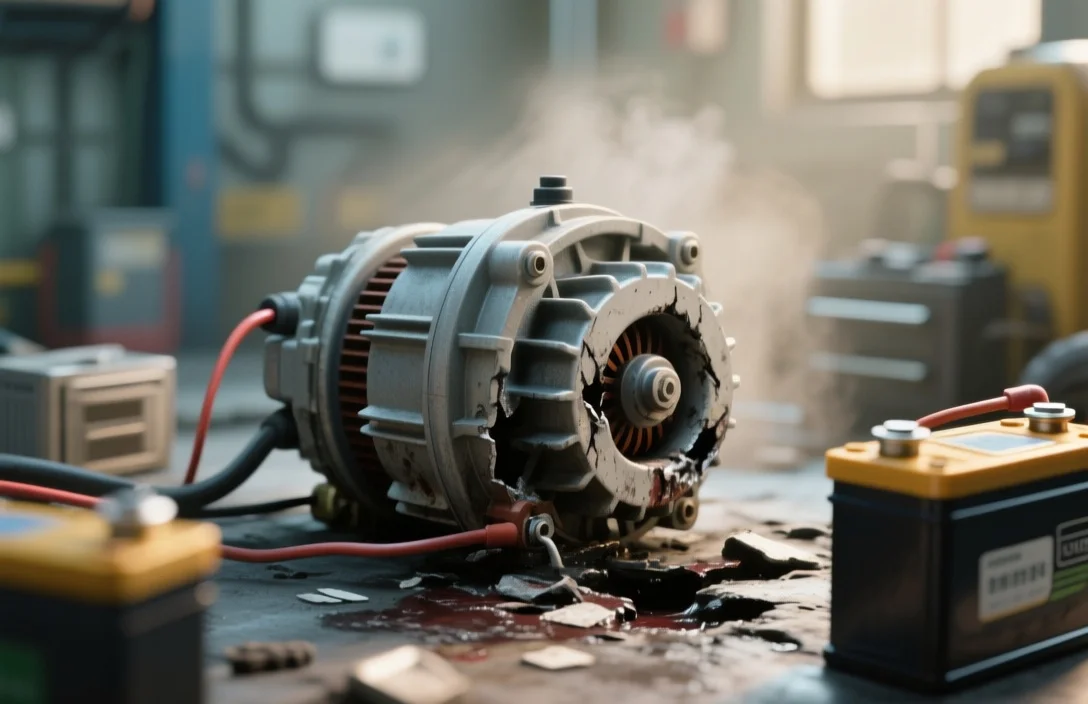
A failing alternator can and often will ruin a battery because improper charging damages the battery’s chemistry and plates faster than normal use, producing permanent capacity loss or catastrophic failure. Overvoltage, chronic undercharging, high ripple from diode failure, fast voltage spikes, and repeated intermittent charging each attack a battery in different mechanical and chemical ways.
For example, a regulator stuck at 15.8 volts will make a lead-acid battery vent and lose water within hours of driving, while a diode short that produces 1 volt peak-to-peak ripple will noticeably speed up capacity loss over months. Typical healthy charging voltage is roughly 13.6 to 14.4 volts, so sustained deviation beyond that range predicts damage.
| Pattern | Typical voltage/ripple | Primary damage |
|---|---|---|
| Steady overvoltage | >15 V | Gassing, water loss, plate warping |
| Chronic low voltage | <13 V | Sulfation, capacity loss |
| High ripple | AC ripple present (mV-V) | Heat, corrosion, accelerated aging |
| Spikes/intermittent | Short-duration pulses | Separator stress, BMS trips, shorts |
Safety warning: if a battery is hot, bulging, leaking, or producing gas, stop charging and ventilate the area, and replace the battery or alternator as appropriate. Replacing a faulty alternator promptly usually costs less over time than repeatedly swapping ruined batteries, and it prevents hazardous failures while driving.
Hands-On Testing Steps
A failing alternator can ruin a battery by undercharging, overcharging, or producing high AC ripple that heats cells and forces repeated deep cycling. The tests below let you separate a weak battery from an alternator that is actively harming the battery, and give concrete pass/fail thresholds to act on.
For example, if a car dies overnight, you measure 12.5V resting, the battery fails a load test, running voltage is 14.0V, and ripple is low, the alternator likely did not cause the failure and the battery should be replaced. Conversely, if resting voltage is 12.6V, load test passes, but running voltage is 12.8V and AC ripple reads 0.3V, the alternator is harming the battery and needs further alternator/diode checks.
| Measurement | Good | Fail | Action |
|---|---|---|---|
| Rest voltage | ≥12.6V | <12.2V | Charge, retest, load test |
| Load test | ≥9.6V under load | <9.6V | Replace or recondition battery |
| Charging voltage | 13.7 – 14.7V | <13.2V or >15.0V | Charge regulator/alternator diagnosis |
| AC ripple | <0.1V AC RMS | >0.1 – 0.3V AC RMS | Check diodes/rectifier |
| Parasitic draw | <50 mA | >100 mA | Isolate circuit, test alternator diodes |
Safety reminder: high charging voltage and heavy AC ripple can heat and warp battery plates, and overcharging can vent or cause thermal issues. If readings indicate overcharge or significant ripple, stop driving and get professional alternator testing before further use.
Repair, Replace, Decide
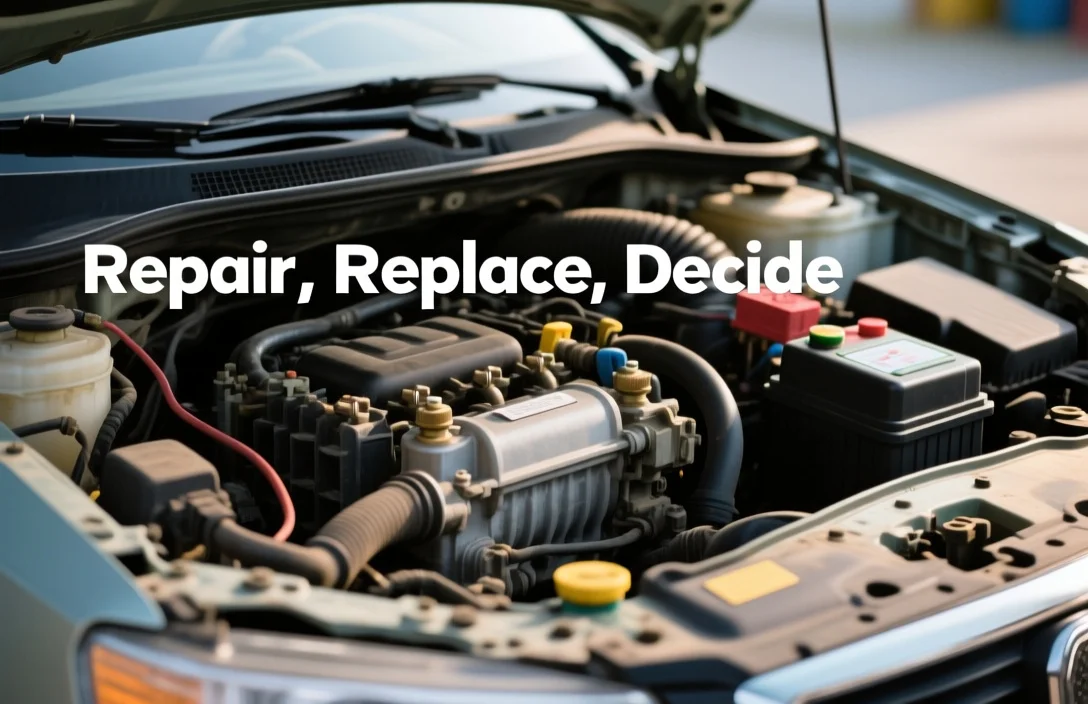
A bad alternator can ruin a battery by consistently undercharging, overcharging, or introducing AC ripple and heat, all of which accelerate sulfation, plate corrosion, and electrolyte loss. If the alternator cannot hold charging voltage in the 13.8 to 14.6 volt window, or it produces significant AC ripple, it must be repaired or replaced before you install a fresh battery.
When to repair or replace the alternator: replace the alternator if voltage regulators fail, diodes short or leak AC into the DC output, or the unit cannot maintain charge under electrical load. Typical signs are fluctuating dash lights, a charging voltage below 13 volts at idle, charging above 15 volts, or a charging system test that shows high ripple. Replacing the alternator is usually the right choice if diode or regulator repair is not economical or if mechanical wear (bearing noise) is present.
When to replace the battery: replace if the battery is swollen, leaking, or emits persistent heat, since those are irreversible safety failures. Replace if the measured cold cranking amps (CCA) fall significantly below the battery label rating, or if a proper load test causes the voltage to collapse well below 9.6 volts for a 12 volt battery. Also replace if reconditioning attempts fail to restore capacity or the battery repeatedly fails to accept charge after the alternator was fixed.
Reconditioning versus replacement: reconditioning (desulfation, equalization charging, electrolyte topping on flooded cells) can recover capacity in mildly sulfated flooded batteries and save money. However, reconditioning cannot fix physically damaged, swollen, or internally shorted batteries, and it rarely recovers batteries with permanently low CCA or failed plates. Choose replacement when safety, expected lifespan, or reliable starting is required.
| Type | Pros | Cons |
|---|---|---|
| AGM | Better charge acceptance, low self-discharge, fits tighter spaces | Higher cost, sensitive to overcharge voltage |
| Flooded | Lower cost, serviceable cells, tolerant of equalization | Requires maintenance, vents gases, sensitive to deep discharge |
Prevention and Maintenance
Yes, a bad alternator can ruin a battery by either undercharging it, which causes sulfation and permanent capacity loss, or by overcharging it, which causes heat, water loss, and plate damage. Preventive maintenance and correct charging after alternator service are the best ways to avoid shortened battery life.
Keep a simple routine of mechanical and electrical checks to stop alternator problems from cascading into battery failure. Tight belts, clean terminals, and correct charging voltages prevent the two components from damaging each other.
After alternator repair or replacement, verify charging behavior before trusting the battery. With the engine running you should see roughly 13.8 to 14.6 volts at the battery; readings over 15 volts signal an overcharge condition that can immediately damage the battery.
Monitor regularly: Check battery resting voltage monthly, and schedule a professional load test or conduct one annually if you drive a lot of short trips. Early detection of undercharge or overvoltage prevents permanent battery damage.
Real-World Case Studies
Yes, a failing alternator can damage and eventually ruin a battery, by overcharging, undercharging, or leaking current back into the electrical system. Overvoltage can boil off electrolyte and warp plates in weeks, while intermittent or low charging causes sulfation and slow capacity loss over months, and diode faults produce parasitic draw and repeated no-starts.
For example,
What these cases teach about diagnosis, short fixes, and prevention:
Suggested visual, example readings (before / after):
| Case | Resting V (example) | Charging V (engine) | Capacity before → after (approx) |
|---|---|---|---|
| Case 1 | 12.6 V | 15.8 V | 90% → 20% in 2 – 3 weeks |
| Case 2 | 12.4 V | 13.2 – 13.8 V | 85% → 50 – 65% over months |
| Case 3 | 12.6 V | 14.2 V (1.0 VAC ripple) | 80% → 50% after repeated deep discharges |
Bottom line, a bad alternator can and does ruin batteries via excess voltage, poor charging, or parasitic currents; quick voltage checks, ripple testing, and repairing or replacing the alternator are the most effective fixes to protect battery life. Regular charging system checks prevent most of these failures and can save you from repeated battery replacements.
Quick Summary
Yes, a failing alternator can damage or shorten battery life by undercharging or overcharging, and it should be diagnosed promptly.
Frequently Asked Questions
Can a bad alternator ruin a battery by overcharging it?
You can damage a lead-acid battery if the alternator regulator fails and raises charging voltage above normal; typical charging is 13.8 to 14.4 V, and sustained voltages above 15 V can boil off electrolyte and shorten battery life.
Can a bad alternator ruin a battery by leaving it undercharged and causing sulfation?
You can cause permanent capacity loss if the alternator consistently undercharges the battery so it rests below 12.4 V, since prolonged low charge promotes sulfation over weeks to months.
Can a bad alternator ruin a battery and create a safety or heat hazard?
You can create hazardous conditions when overcharging produces venting and hydrogen gas, especially if charging voltage exceeds 14.8 V, so ventilate the area and avoid sparks while diagnosing charging faults.
Can a bad alternator ruin a battery quickly, how fast will the battery fail?
You can see severe damage from sustained overvoltage in as little as a few hours at voltages above 15 V, while undercharging will usually degrade capacity over a period of weeks to months.
Can a bad alternator ruin a new battery and is it a common buying mistake to replace the battery instead of fixing the alternator?
You can avoid wasting money by measuring voltages first: a resting battery should be about 12.6 V, and with the engine running you should see 13.8 to 14.4 V; if those numbers are off, fix the alternator before buying a replacement battery.