Can A Bad Battery Damage Your Alternator? Here’s What To Know
Car alternators are usually rated 60 to 150 amps, so they are built to deliver heavy current. A weak or sulfated battery forces the alternator to work harder to keep the electrical system alive, and that extra workload can wear the alternator’s voltage regulator, rectifier diodes, or bearings over time. Ignore a failing battery and you may end up replacing both parts.
Bad battery: a single failed battery usually will not immediately kill an alternator, but if the alternator must continuously recharge it and supply sustained high current, such as 30 amps or more for several hours, internal parts like the voltage regulator or rectifier diodes can overheat and fail.
Battery and Alternator Defined
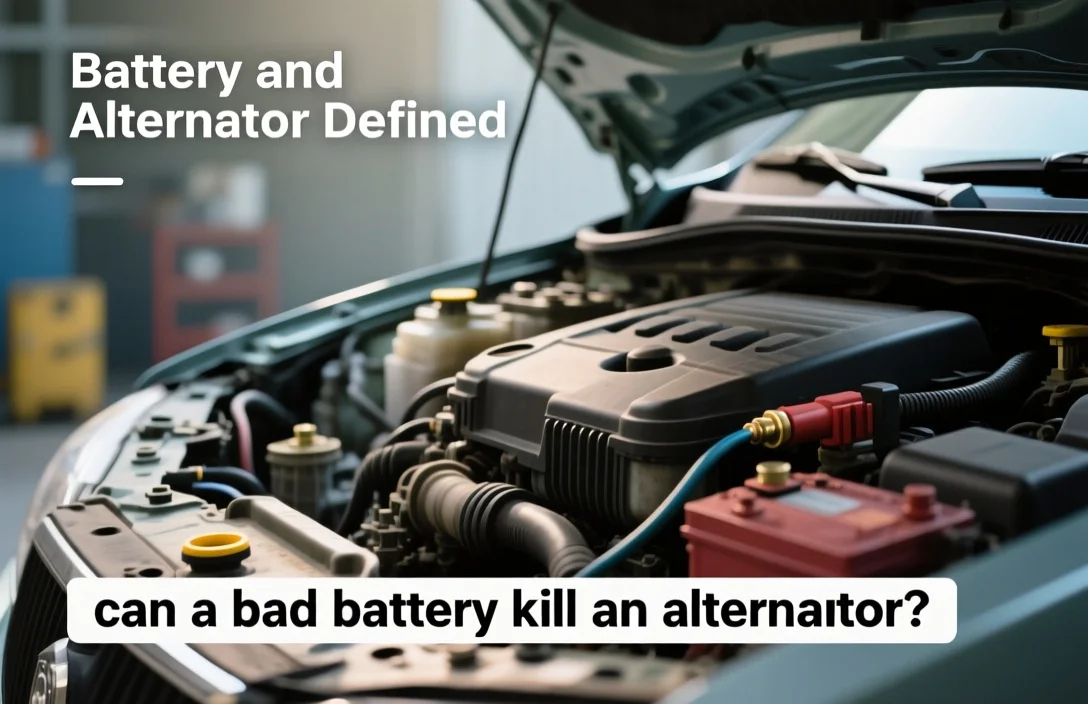
A bad battery can indeed damage an alternator. When a battery fails, it can create excessive strain on the alternator as it struggles to compensate for the insufficient power supply. This can lead to overheating, reduced efficiency, and eventual alternator failure.
The battery is primarily responsible for starting the engine and supplying power to the vehicle’s electrical systems when the engine is off. It stores energy in chemical form and releases it as electrical energy when needed. Conversely, the alternator generates electricity while the engine runs, recharging the battery and powering the vehicle’s electrical components.
When the battery is weak or failing, it can lead to several issues:
Recognizing signs of a bad battery or alternator can help prevent damage:
Signs of a bad battery: Slow engine crank, dim headlights, or warning lights on the dashboard.
Symptoms of alternator failure: Flickering lights, unusual noises from the alternator, or dashboard warning lights.
To prevent battery-related alternator damage:
By maintaining both the battery and alternator, vehicle owners can ensure a reliable electrical system and reduce the risk of component failure.
How Battery Health Affects Charging
A bad battery can adversely affect an alternator, potentially leading to its failure. If a battery is unable to hold a charge or is frequently discharging, it can cause the alternator to work harder to compensate, leading to overheating and damage over time.
Battery discharge effects can manifest in several ways. When a battery is weak or failing, the alternator must produce more voltage to maintain the vehicle’s electrical system. This increased workload can strain the alternator, resulting in:
Voltage regulation issues arise when a bad battery disrupts the normal charging cycle. An alternator is designed to maintain a specific voltage level, typically around 13.5 to 14.5 volts. If the battery cannot hold this voltage due to degradation, the alternator may experience:
“A consistently underperforming battery can lead to premature alternator failure due to the added stress placed on it.”
For instance, a driver with a faulty battery may notice flickering lights or difficulty starting the vehicle. These symptoms can indicate that the alternator is compensating for a weak battery, which may result in the alternator eventually failing due to excessive strain.
To prevent alternator damage, it is crucial to regularly check battery health, including voltage levels and overall condition. Here are some tips for maintaining both the battery and alternator:
Replacing a bad battery can save the alternator from unnecessary strain, ensuring a longer life for both components. Always consult a professional if unsure about battery or alternator health to avoid costly repairs down the line.
Signs of a Bad Battery
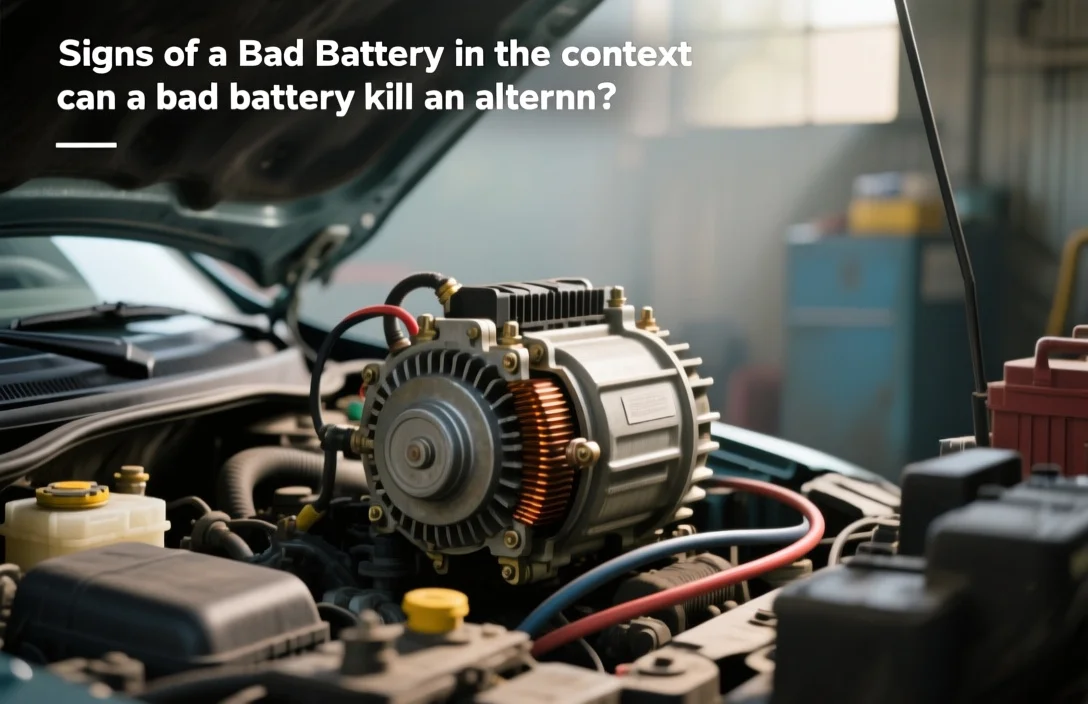
A failing battery can exhibit several signs that indicate it may be affecting the alternator’s performance. Symptoms such as slow engine cranking and dashboard warning lights can suggest that the battery is not providing the necessary power, potentially leading to increased strain on the alternator.
For instance, if a battery is nearing the end of its life and cannot hold a charge, the alternator may overcompensate by increasing its output. This can generate excessive heat, leading to damage over time.
Regular checks of the battery’s condition can prevent severe issues with the alternator. If signs of battery failure are present, addressing them promptly is crucial to maintain the health of both components.
Symptoms of Alternator Failure
A bad battery can indirectly lead to alternator failure by placing excessive strain on the alternator, which is not designed to compensate for a failing battery. When the alternator is forced to work harder than normal, it can exhibit various symptoms indicating potential damage or failure.
Dimming lights are one of the most noticeable symptoms of alternator failure. When the alternator struggles to maintain the required voltage due to a bad battery, electrical components such as headlights and dashboard lights may flicker or dim. This occurs because the alternator is unable to provide a consistent power supply, leading to fluctuations in brightness.
Strange noises can also indicate alternator issues. If the alternator is overworked, it may produce unusual sounds, such as whining or grinding. These noises can signal that the bearings are wearing out or that the alternator is under excessive load. If you hear these sounds, it is essential to investigate the battery and alternator condition promptly.
“A failing alternator can lead to a dead battery, but the reverse is also true; a bad battery can cause the alternator to fail prematurely.”
When examining the symptoms, consider the impact of a malfunctioning battery. If the battery cannot hold a charge effectively, the alternator compensates by working overtime, which can shorten its lifespan. Regular maintenance and testing of both the battery and alternator can help identify issues before they escalate.
To prevent alternator failure due to a bad battery, perform the following checks:
Troubleshooting Battery and Alternator Issues
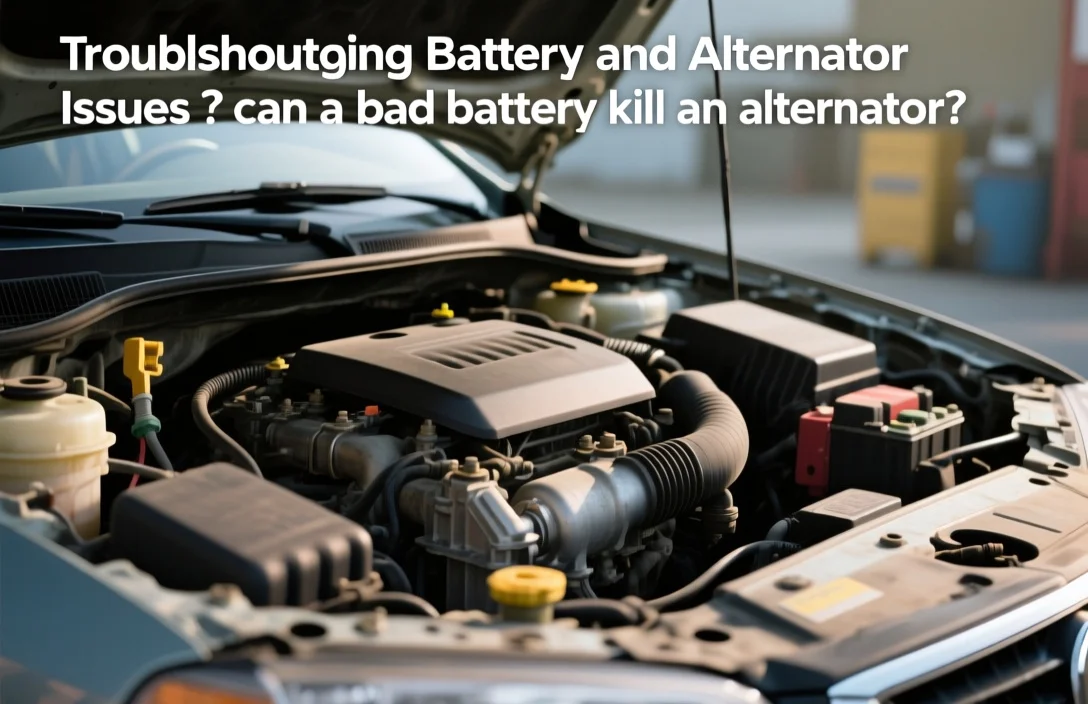
Yes, a badly failing battery can kill an alternator over time, but it usually takes a severe battery fault such as an internal short, continuous deep discharge, or very high internal resistance that forces the alternator to run at excessive current or produce high ripple. Replacing a weak or damaged battery promptly reduces the chance the alternator will overheat, fail diodes, or have its voltage regulator ruined.
Mechanically, a healthy alternator charges a battery by supplying current at a controlled voltage. If the battery presents a near-short or very low state of charge that never recovers, the alternator can spend long periods at high output, which raises heat and stress on diodes and the regulator.
Preventive Maintenance Tips
A weak or failing battery makes the alternator work harder to maintain charging voltage, which can overheat the alternator, stress its diodes and bearings, and shorten its service life. Regular inspections and clean, tight connections are the simplest and most effective ways to stop a bad battery from damaging the charging system.
Regular inspections should include visual checks of the battery case for swelling, cracks, or leakage, and confirmation that hold-downs and vent caps are secure. Check battery labeling for manufacture or service dates, and note rapid capacity loss or frequent need for jump starts as red flags.
Cleaning connections prevents high resistance that forces the alternator to produce extra current and heat, a common wear mechanism. Always remove the negative terminal first, clean with a wire brush or terminal cleaner, neutralize acid residue with a baking soda solution, rinse, dry, and reattach tight and snug, positive terminal last.
| Interval | Action |
|---|---|
| Monthly | Visual case and terminals, belt condition, battery secure |
| Quarterly | Resting voltage check, note parasitic draws, top up electrolyte if applicable |
| Annually | Load/capacity test, alternator output check while running, replace aged battery |
Safety: always wear eye protection and gloves when working on batteries; avoid sparks near vents. Replace batteries that bulge, leak, or fail capacity checks, because continuing to use them increases risk to the alternator and to vehicle electrical systems.
When to Replace Battery or Alternator?
A bad battery can indeed lead to premature alternator failure. When the battery is weak or faulty, it forces the alternator to work harder to maintain voltage, potentially causing it to overheat and fail.
To prevent alternator damage, replace a failing battery promptly. Regular maintenance and checks can help ensure both your battery and alternator function effectively, minimizing the risk of failure.
Consulting a Professional Mechanic?
Yes, a bad battery can indirectly damage an alternator by forcing it to supply excessive current, run hotter, or operate with poor voltage regulation, which shortens alternator life. If you see repeated alternator failures, burned wiring, or persistent charging-country faults after a battery problem, take the vehicle to a professional for proper diagnosis and repair.
Complex Issues
When multiple systems fail after a battery problem, the cause can be beyond simple part replacement. Internal battery shorts, intermittent high-current draws, alternator diode failure, or a failing voltage regulator can interact in ways that need specialized tools and experience to separate.
For example, a weak battery with an internal short can create ripple or heavy current demand that damages rectifier diodes inside the alternator. Diagnosing diode ripple, regulator faults, or parasitic drains often needs a bench test, an oscilloscope, or controlled load tests that most DIYers do not have.
| Situation | OK to DIY | Call Professional |
|---|---|---|
| Corroded terminals, loose belt | Yes | No |
| Repeated alternator failure after battery work | No | Yes |
| Signs of overheating, burning, or melted parts | No | Yes |
If battery problems precede alternator failure more than once, get a mechanic to run ripple and regulator tests and to document results for possible warranty claims.
Warranty Considerations
Warranties on batteries and alternators vary, and improper DIY replacement or installation can void labor or parts coverage. Keep the original receipts, any diagnostic reports, and the replaced component if the supplier requires return for inspection.
Before claiming warranty, check the fine print: some warranties require installation by an authorized shop, or they cover only pro-rated replacements after a short free period. Ask the seller to perform a bench test and provide a written failure code or test sheet, that paperwork makes warranty claims far easier.
Quick Summary
Yes, a bad car battery can damage or shorten an alternator’s life by forcing extra load and overheating under certain conditions.
Frequently Asked Questions
Can a bad battery kill an alternator?
You can overwork the alternator if the battery is failing, because the alternator will supply extra current and heat, which can accelerate failure; alternators typically produce between 50 and 200 amps. You can check with a multimeter, a healthy resting battery is about 12.6 V and normal charging voltage is about 13.8 to 14.6 V.
Can using the wrong type or capacity battery kill an alternator?
You can cause extra alternator stress by fitting a battery with the wrong voltage or much lower cold cranking amps, since the charging system will compensate; match the battery voltage and a CCA within about 20% of the OEM recommendation. Always check your owner’s manual or the battery label before replacing the battery.
Can a swollen or overheating battery damage the alternator?
You can create shorts or excessive charging demand if the battery is swollen or overheating, which puts extra load on the alternator; replace any battery that is visibly swollen or that exceeds its manufacturer max operating temperature, commonly around 50 degrees C. If you see physical distortion or persistent high temperature, stop using the vehicle and have the battery tested.
Will a weak battery make my alternator run constantly and shorten its life?
You can shorten alternator life if the battery stays discharged and forces the alternator to run continuously to maintain charge, increasing run hours and heat; if resting voltage is under 12.4 V the battery is partially discharged and should be tested or recharged. If the alternator is charging for long periods at idle, have both the battery and alternator tested.
How soon should I replace a battery to avoid killing the alternator, and can buying a cheap battery cause issues?
You can reduce alternator wear by replacing typical lead-acid car batteries around 3 to 5 years, or sooner if capacity drops; replace if capacity falls below about 80% of the rated CCA. Buying a low-quality battery that fails early can force the alternator to work harder and shorten its life, so check warranty and CCA ratings when you buy.