Can A New Car Battery Be Bad?
Yes, a new car battery can be bad, and the safest immediate decision is to stop using the vehicle until you confirm the issue. The spec that matters most is Cold Cranking Amps, check that CCA and group size match your owner’s manual. First, read the top label for the manufacture date and CCA, then verify the resting voltage.
Can a new car battery be bad? Yes, new 12 V batteries can arrive defective or discharged; common signs include slow cranking, dashboard warnings, or voltage below spec. If suspected, test resting voltage and perform a load or starter test within 30 days, then request replacement under the seller’s warranty.
Can a new battery be bad?
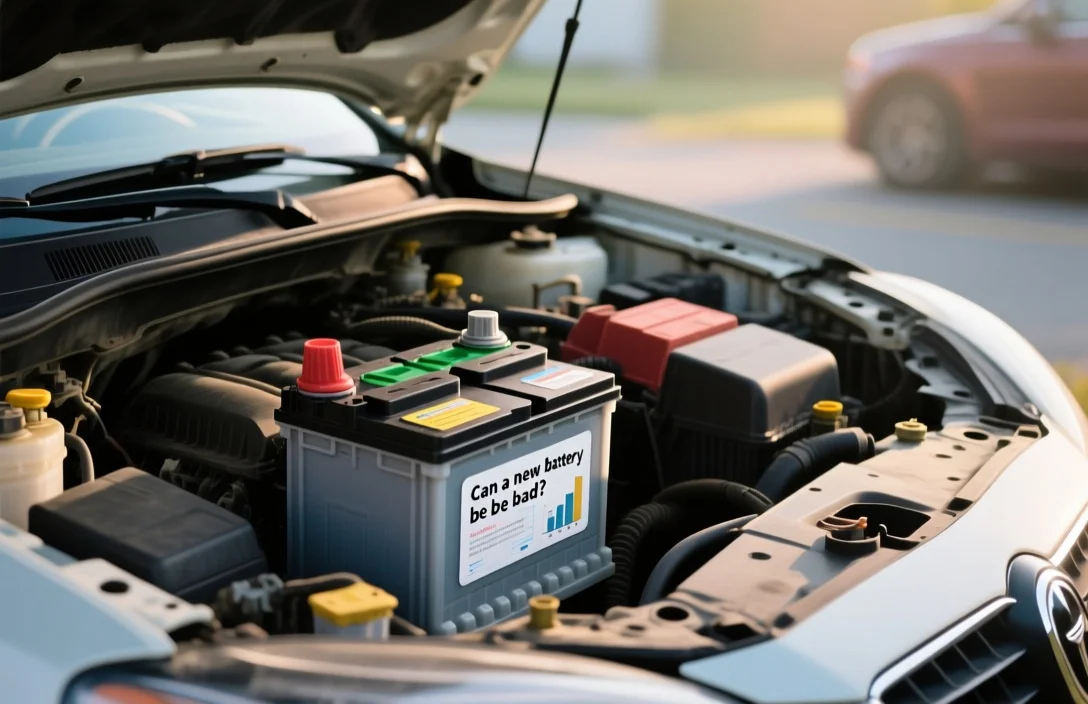
Yes. New car batteries can be defective or arrive discharged, though outright failures are relatively uncommon. Most problems come from manufacturing faults, damage in storage or shipping, or loss of charge before use.
Out-of-box failures happen in a few typical ways: a cell short, a damaged terminal, incorrect electrolyte fill, or a battery that sat too long and self-discharged. Retailers sometimes call these DOA, dead on arrival, and they are usually discovered within days of installation.
Early-life failures are different from later failures. Early problems usually trace to production defects, shipping shock, incorrect charging after installation, or old stock that lost charge. Later failures are usually wear-related, from many charge cycles, repeated deep discharge, or charging-system faults in the vehicle.
How common is it? Rates vary by brand, seller, and how the battery was stored, but most buyers will never see a DOA unit; return rates are low but nonzero. When failures do occur, they often come in small batches tied to a factory run, a distributor’s storage issue, or rough handling during transport.
Symptoms of a bad new battery
A bad new battery usually makes itself obvious quickly: you will see electrical problems like slow or no crank, warning lights, rapid voltage collapse under load, physical damage such as swelling or leaking, and odd accessory or ECU behavior. If any of those appear within hours or days of installation, treat the battery as suspect and get it checked before driving long distances.
Below is a prioritized checklist of common, observable signs to recognize a faulty new battery fast. The order places immediate safety and starting failure first, then electrical stability and electronic glitches.
Quick prioritized checks you can do without specialized tools:
Why new batteries fail
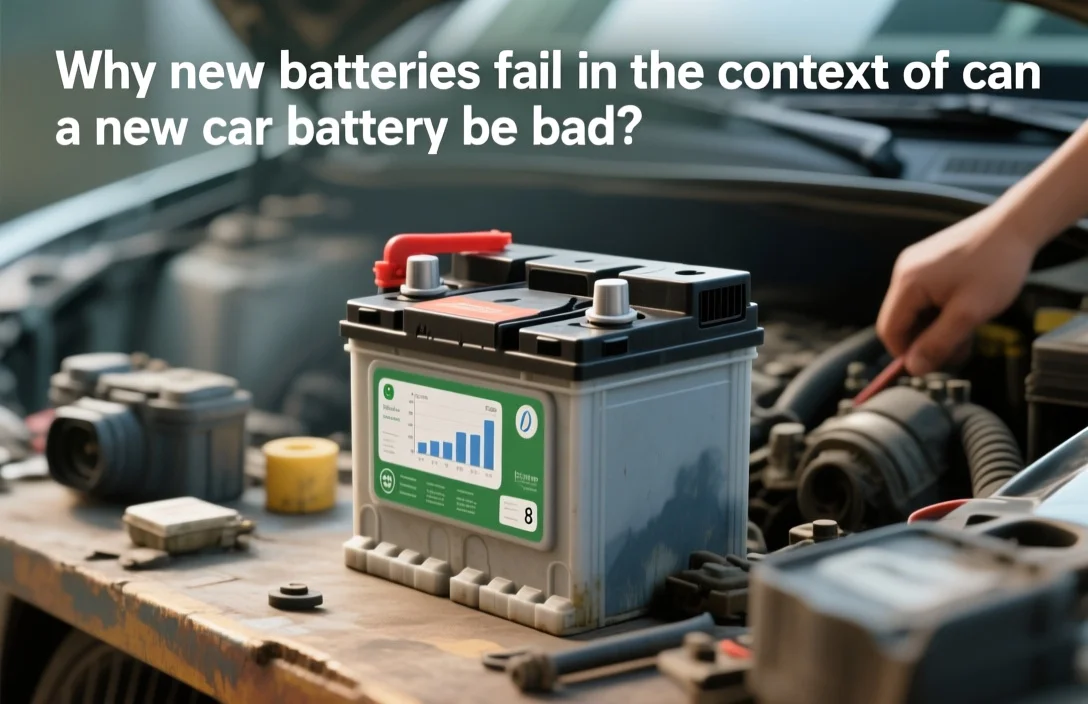
Yes, new car batteries can be bad. Typical root causes are manufacturing or assembly defects, damage in transit, capacity loss during long storage, wrong specification or fit, and mistakes during installation that leave the battery discharged or damaged.
Warranties vary by manufacturer and retailer, with many offering a free-replacement window plus a pro-rated period. Keep the purchase receipt, note the date code, and ask the seller to test and document the failure before disposal or return.
Safety note: do not attempt to open or disassemble sealed batteries, and avoid charging or load-testing visibly damaged or swollen units. For prevention, insist on fresh date-coded stock, store batteries upright and charged, tighten and protect terminals at install, and verify the vehicle charging system when fitting a new battery.
Buying and pre-install checks
Yes, a new car battery can be bad out of the box, so never assume “new” means ready to install. Inspect, measure, and confirm the seller’s return policy at point of sale to catch shipping damage, long storage discharge, or label errors before installation voids options.
Verify physical fit and electrical specs first. Confirm the vehicle’s required group size, terminal orientation, and minimum cold-cranking amps or cold-start rating match the battery label, and check that the battery voltage equals the nominal system voltage on your vehicle.
Read date codes and storage information on the label and case. If the date code is hard to find or you cannot verify when it left the factory, ask how long it has been on the shelf and whether it was kept charged during storage.
Do a visual inspection before you accept it. Check for cracked or bulging case, wet or crusty terminals, missing vent caps, leaking electrolyte, sticky residues, or signs of freezing damage. If you see swelling, wetness, or active leakage, refuse the battery and document it with photos.
Ask the seller before purchase: “Will you accept returns after I install the battery, what is the coverage period, and can you perform a signed voltage or conductance test now?”
| Item | What to check | Fail sign | Action |
|---|---|---|---|
| Group size / terminals | Match vehicle manual and clamps | Wrong size or flipped terminals | Reject or exchange |
| Label / date | Clear manufacture/serial | Missing code or unclear date | Ask for proof of recent manufacture/storage |
| Physical condition | Case, terminals, vent caps | Cracks, leaks, corrosion | Refuse, photograph, document |
| Voltage / test | Multimeter or signed load test | Low reading or failed load test | Request replacement or full refund |
| Return / warranty | Written policy, timeframe | No returns, short warranty, hidden restock fees | Take your business elsewhere |
Seller red flags include refusing to let you test the battery, selling without a receipt that lists the serial number, pressure to install before you verify, or an unclear return policy. If you suspect problems after leaving, return promptly and present your recorded measurements and photos.
Diagnosing a new battery
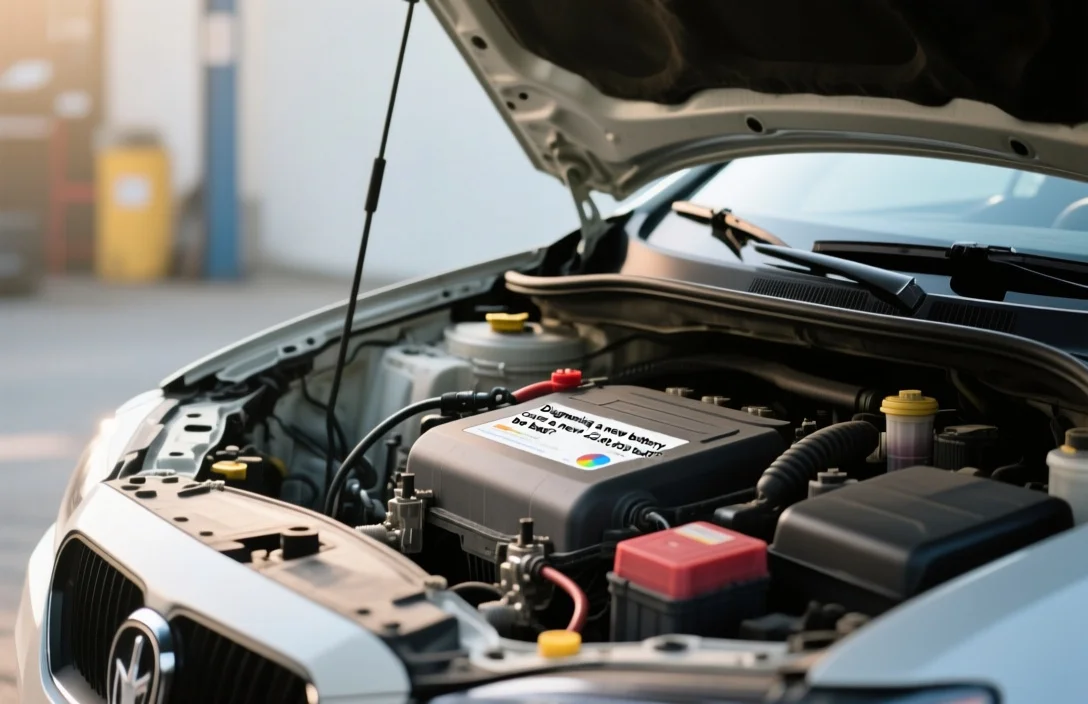
A new car battery can indeed be defective, which may lead to starting issues or electrical system failures. Symptoms include dimming lights, slow engine cranking, or intermittent electrical problems. Performing a thorough diagnosis can help identify whether the battery is faulty or if there are other underlying issues.
Keep in mind that many new batteries come with warranties. If you determine that the battery is indeed faulty, contact the retailer or manufacturer for support regarding replacement or warranty claims. Regular maintenance, such as ensuring clean terminals and checking connections, can help prolong battery life and prevent future issues.
Charging, compatibility, safety
Yes, a new car battery can be bad: manufacturing defects, shipping damage, or months of improper storage can leave cells dead, internally shorted, or vented. Before relying on a new battery, verify charger compatibility, watch for thermal or leakage signs, and remove the battery immediately if it smokes, bulges, or leaks acid.
Match the charger to the battery chemistry and nominal voltage printed on the battery label. Common shop and consumer chargers have modes for 12 volt lead acid, AGM, and sometimes lithium; using the wrong mode can cause excessive gassing, permanent capacity loss, or a safety event.
| Charger type | How it charges | When to use | Safety notes |
|---|---|---|---|
| Basic/manual | Constant voltage or current, no auto shutoff | Only when you can monitor closely | Risk of overcharge if left connected |
| Smart/automatic | Multi-stage charging, auto float and taper | Best for new or stored batteries | Use correct chemistry setting |
| Alternator/engine | Bulk charging while running, variable output | Normal driving to top up charge | Does not replace a long, controlled charge |
| Jump starter/booster | High current short bursts to start engine | Emergency starts only | Do not use repeatedly to “charge” a bad battery |
Avoiding overcharge and undercharge depends on following the battery and charger manuals, not rough rules. Check the battery label for recommended charge profile or current and set the charger accordingly; smart chargers will finish with a float stage to prevent overvoltage.
Undercharging leaves sulfation possible on lead acid batteries and will reduce life, while sustained overvoltage can boil electrolyte, warp plates, or open pressure relief valves. If your charger does not indicate chemistry, voltage, or float behavior, do not use it on a new battery.
Immediate removal triggers: smoke, strong sulfur smell, hissing, visible acid leak, bulging case, extreme heat at the case or terminals, or rapid voltage collapse. If any occur, move people away, disconnect with insulated tools if safe, and get professional handling.
Warranty and returns
Yes, a new car battery can be bad: manufacturing defects, shipping or storage discharge, incorrect specifications for your vehicle, or damage during installation can leave a fresh battery failing to hold charge or to start the engine. Most dealers and battery makers offer short-term return windows plus a longer warranty that covers defective cells and premature capacity loss, though exact remedies depend on the seller and the warranty terms.
What warranties usually cover and what they usually do not cover vary, but common coverage items are defects in materials and workmanship, failure to meet rated capacity under normal use, and internal shorting. Warranties usually exclude damage from improper installation, vehicle-side charging faults, misuse, freezing when the battery is deeply discharged, or external physical damage after purchase.
| Remedy type | Typical use case | What you may pay |
|---|---|---|
| Full replacement | Early failure within seller’s return window or clear manufacturing defect | No charge for the battery, possible labor charge if specified |
| Prorated replacement | Failure after the initial free window but within manufacturer warranty | Partial cost based on age and remaining warranty period |
When filing a claim move fast, document everything, and avoid installing or modifying the battery yourself before a warranty inspection if the seller requests to see it in original condition. If safety is an issue, prioritize safe handling and disposal over keeping the battery for a claim.
Quick Summary
Yes, a new car battery can be bad, but quick checks and a professional load test will confirm if you should return it.
Frequently Asked Questions
Can a new car battery be defective?
Yes, a new car battery can be defective. In fact, about 5% to 10% of batteries may have manufacturing defects that can lead to failure shortly after purchase.
How do I know if my new car battery is compatible with my vehicle?
To ensure compatibility, check the group size and specifications in your vehicle’s owner manual. Using the wrong size can lead to poor performance or damage.
What should I do if my new car battery overheats?
If your new car battery overheats, immediately stop using the vehicle and check for issues like poor connections or overcharging from the alternator. Overheating can cause permanent damage or even a fire risk.
How often should I replace my car battery?
Generally, car batteries should be replaced every 3 to 5 years, but this can vary based on usage and climate. Regular testing can help determine if your battery is still performing well.
What common mistakes should I avoid when buying a new car battery?
A common mistake is not checking the date code on the battery. Buying a battery that has been sitting on the shelf for too long can mean you’re getting a product that’s already nearing the end of its life.