Can An Alternator Damage Your Battery? Signs And Prevention Tips
An alternator can hurt or even kill a battery, but not in the way most people expect. The charging voltage is the spec that matters most, the common mistake is blaming the battery without checking the charging system, and the first thing to check is the battery terminal voltage with a multimeter or the vehicle voltage readout.
An alternator can kill a battery if it overcharges or leaks current; sustained charging above about 15 volts or a failed diode causing continuous drain can ruin a 12 volt lead-acid battery in hours to weeks, depending on severity and battery age.
Alternator and Battery Basics
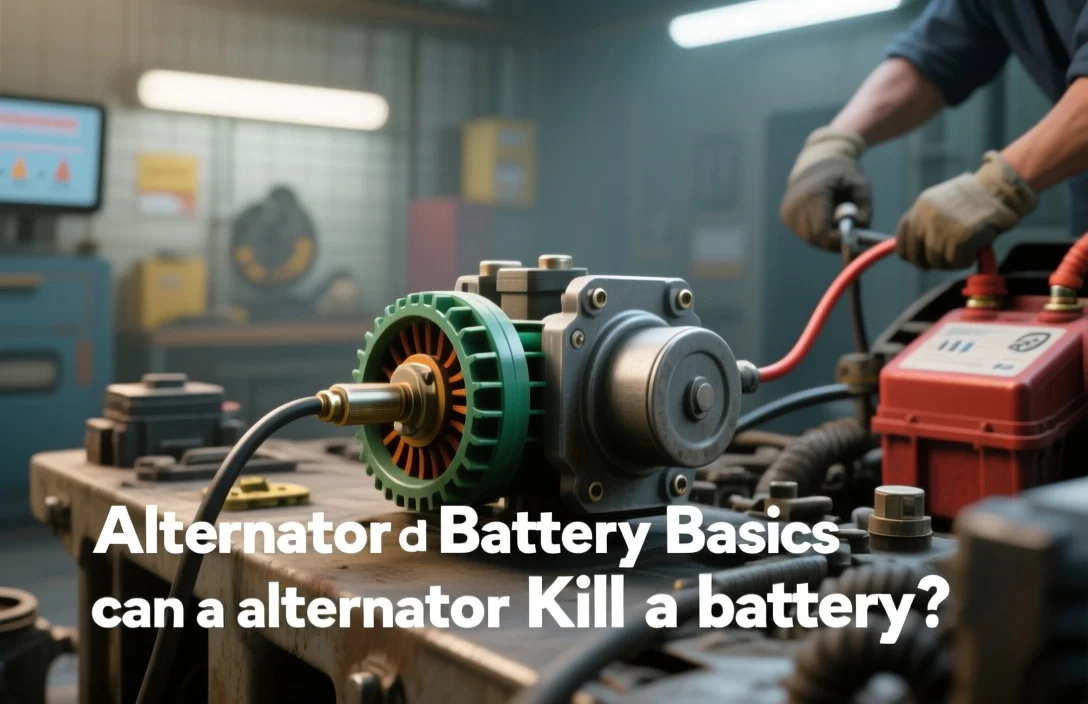
An alternator can indeed kill a battery, primarily through overcharging or inadequate voltage regulation. If an alternator malfunctions, it might output too much voltage, leading to excessive charging that can damage the battery’s internal components and shorten its lifespan.
The alternator’s primary role in a vehicle’s electrical system is to convert mechanical energy from the engine into electrical energy, which powers the electrical systems and recharges the battery. A properly functioning alternator maintains a consistent voltage, typically between 13.5 to 14.5 volts, ensuring the battery remains charged without overloading it.
On the other hand, the battery serves as the energy storage unit, providing power to start the engine and supply electricity to the vehicle’s electrical systems when the engine is off. It is designed to deliver short bursts of high current, which is necessary for starting the engine, and also stabilize voltage levels in the electrical system.
When an alternator fails or operates outside its intended parameters, it can lead to several issues that negatively impact the battery:
Preventative measures can help avoid alternator-related battery issues:
“A well-maintained charging system is vital for battery longevity. Regular checks can help catch issues before they escalate.”
In summary, while an alternator is crucial for a vehicle’s electrical health, its malfunction can indeed lead to battery damage, underscoring the importance of regular system maintenance and checks.
How Charging Systems Interact?
An alternator can damage a battery if it fails to regulate voltage properly or if it continuously overcharges the battery. This can lead to overheating, swelling, or even failure of the battery, particularly in lead-acid and lithium-ion chemistries.
The charging mechanism of an alternator involves generating electricity through the rotation of a magnetic field. This electricity is then converted to a suitable voltage for charging the battery. The alternator typically outputs between 13.5 and 14.5 volts, which is adequate for charging a fully depleted battery. However, if the voltage exceeds this range due to a faulty regulator, it can cause significant harm.
In practice, voltage regulation is crucial to prevent alternator-induced damage. Most modern vehicles use a voltage regulator to control the output from the alternator, ensuring it remains within safe limits. If the regulator malfunctions, it may allow too high a voltage to reach the battery.
Signs of alternator-related battery issues include:
“Monitoring your battery’s health and the alternator’s output voltage is key to ensuring longevity and preventing damage.”
To avoid alternator-induced battery damage, consider the following preventative measures:
By understanding how the alternator interacts with the battery, you can take proactive steps to maintain the health of your battery and avoid premature failures.
Conditions Leading to Battery Damage
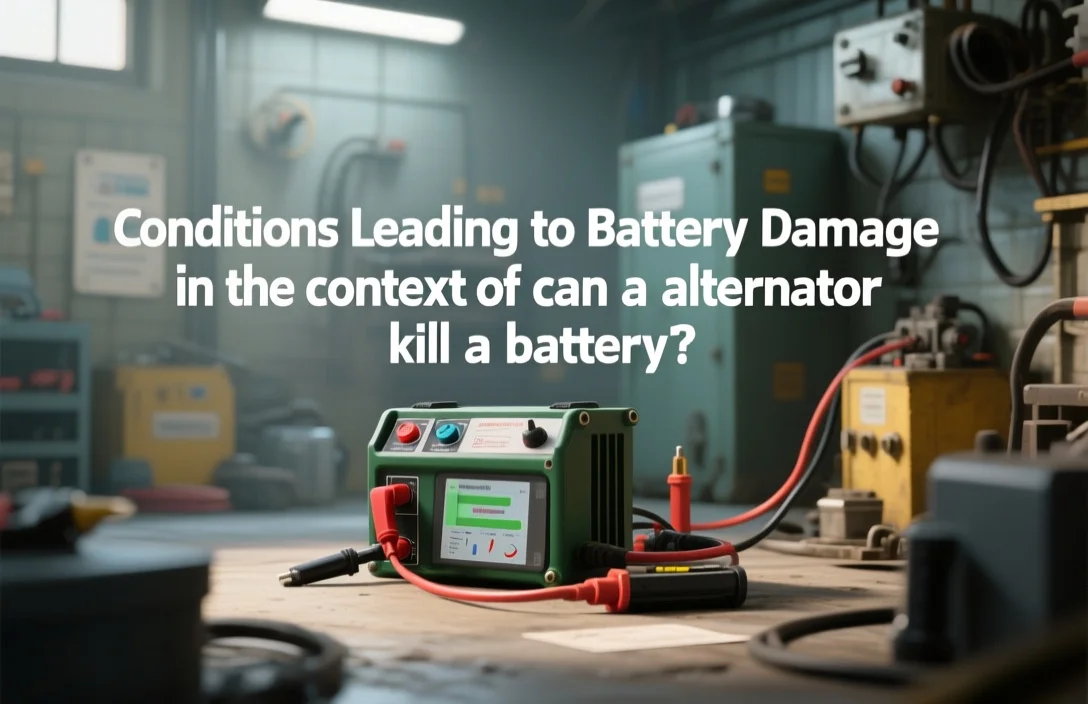
An alternator can kill a battery when it supplies the wrong voltage, sustained excessive current, or a noisy charge waveform; these faults accelerate electrolyte loss, plate corrosion, or internal damage. Most damage comes from prolonged problems, not a single normal charging event, so a bad regulator or rectifier is usually the culprit.
Practical steps reduce risk: check charging voltage under typical engine speed, verify low AC ripple with diagnostic tools, and confirm the vehicle manual’s recommended voltage range for your battery type. If you see overheating, bulging, or persistent high voltage readings, disconnect and inspect before further use, because heat and venting are safety hazards.
Signs of Battery Failure
A failing alternator can kill a battery, and the battery will usually give visible or functional warnings before it fails completely. The most common alternator-related signs are dim lights, difficulty starting, and physical swelling of the battery case.
When an alternator is not charging correctly, the battery either stays chronically undercharged or gets overcharged, and each path produces its own symptoms. Watch actual behavior, not just dashboard lights; symptoms under load, at idle, and after driving tell a lot about whether the alternator or the battery is at fault.
For example, if the alternator voltage regulator fails and allows sustained high voltage into the battery, the battery can heat, vent, and swell; after that, capacity falls and the battery may no longer accept or hold charge. Conversely, an alternator that fails intermittently can leave the battery sulfated from repeated undercharging, showing the slow-crank symptom.
Safety note: If you observe swelling or overheating, stop charging and driving the vehicle until the battery and charging system are inspected. Have the alternator and battery tested together, because replacing the battery without fixing an alternator fault will quickly lead to the same failure repeating.
Maintenance Tips for Longevity
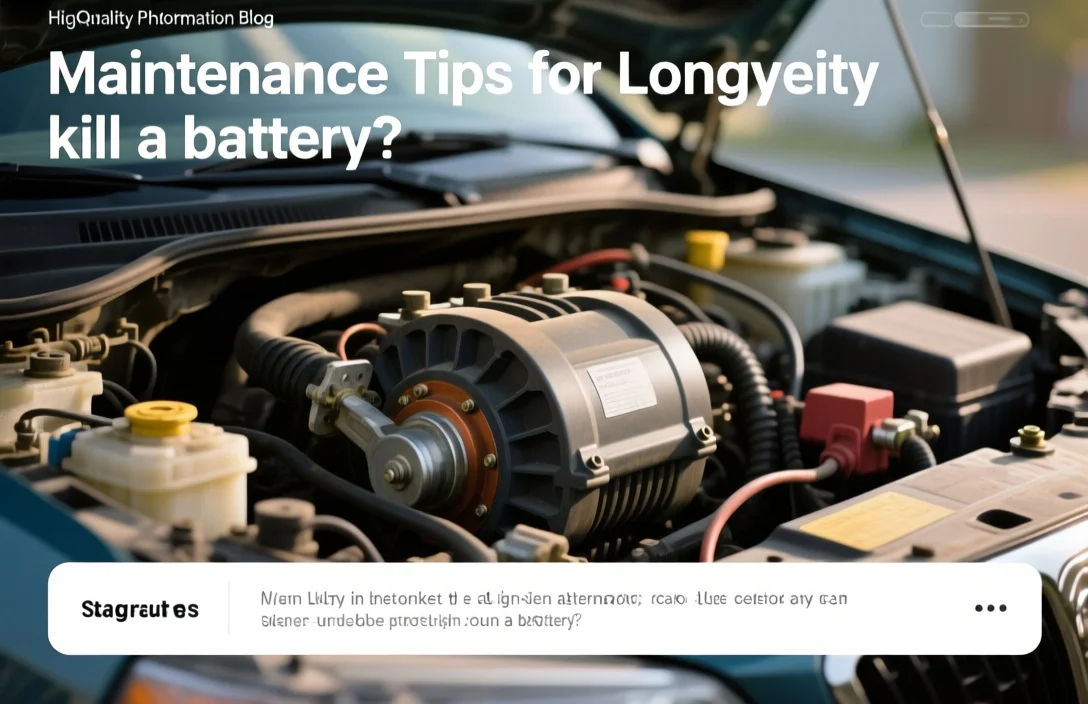
Yes, an alternator can kill a battery, usually by overcharging, chronic undercharging, or letting current flow the wrong way when it fails; damage builds up over days to months, not instantly. Regular inspections and routine battery testing catch small faults before they permanently reduce capacity.
Regular Inspections
Inspect the charging system visually at least once a month for obvious problems: loose or corroded battery terminals, frayed or heated wiring insulation, a glazed or slipping drive belt, and signs of oil or coolant contamination on the alternator. Tight, clean connections are essential because high-resistance joints create heat and intermittent charging that shortens battery life.
For example, a belt that slips will keep the alternator from reaching proper speed, producing a lower average charging voltage that leads to sulfation in lead-acid batteries. Small leaks or a slightly overheated alternator housing are maintenance flags that should be addressed before replacing a battery.
| Item | Frequency | Action/Trigger |
|---|---|---|
| Battery terminals | Monthly | Clean if light corrosion, retorque clamps, replace severely corroded terminals |
| Drive belt & pulley | Every 6 months | Replace if glazing, cracking, or slack is visible |
| Alternator wiring | Every 6 months | Repair frayed insulation or loose connectors |
| Electrolyte level (flooded batteries) | Monthly | Top with distilled water if low, never overfill |
Simple rule: fix charging-system faults first, then replace the battery. Replacing a battery without correcting an alternator fault wastes money and leaves the new battery at risk.
Battery Testing
Schedule formal battery tests every 6 to 12 months and after any charging-system work. Use an open-circuit voltage check, a conductance or load test, and for flooded cells a specific-gravity check; compare results to the battery maker’s spec sheet rather than a single universal number.
Stepwise check sequence you can do or ask a shop to do:
Safety warning: Replace any battery that is bulging, leaking, or becomes very hot while charging. Those are failure conditions that can lead to fire or chemical exposure and must be handled immediately by a professional.
Troubleshooting Alternator Issues
A failing alternator can kill a battery by overcharging it, leaving it chronically undercharged, or allowing diode leakage and ripple that heat and damage cells. Typical outcomes are rapid loss of capacity, bulging or boiling of electrolyte, and batteries that die soon after a jump start.
Using a Multimeter
Use a digital multimeter set to DC volts for the basic tests, and AC volts for the ripple check. Measure voltage at the battery posts with the vehicle off, then measure again with the engine running at idle and at about 2,000 RPM, watching for stable charging behavior that matches the vehicle manual.
For ripple, place the meter in low AC volts and read at the battery while running; any steady AC component above a few tenths of a volt indicates diode problems. If you have access to an oscilloscope, a visual waveform showing high ripple confirms rectifier failure, which can cook the battery over time.
Checking Connections
Start at the battery terminals, removing corrosion and ensuring clamps are tight enough that they do not move by hand, but do not overtighten stamped lead terminals. Trace the alternator B+ cable to its lug and any fusible link or connector, looking for melted insulation, stretched wires, or aftermarket add-ons that bypass proper fusing.
Ground straps between engine and chassis must be intact and clean at both ends, since a poor ground forces higher charging currents and heating through unintended paths. If any cable or connector is damaged, replace it with correct gauge wire and proper crimped terminals, because a bad connection will keep a good alternator from protecting the battery.
When to Replace Components?
An alternator can damage a battery if it fails to regulate voltage properly, leading to overcharging or undercharging scenarios. If a battery experiences consistent overvoltage, it can swell, leak, or lose capacity, necessitating immediate replacement.
Age and wear of both the alternator and battery are critical indicators for replacement. Regularly inspect your battery and charging system, especially if they are over three to five years old. Common signs that might suggest a failing alternator include:
Performance decline is another significant factor. If your vehicle struggles to start or the electrical components function erratically, it may indicate an issue with the alternator or battery.
For instance, if the battery voltage consistently measures below the recommended 12.6 volts while the engine is off, and below 14.4 volts when running, it suggests that the alternator is not adequately charging the battery.
To prevent damage, consider the following measures:
“Regular maintenance and vigilance can significantly extend the life of both the alternator and battery, preventing costly replacements and ensuring reliable vehicle performance.”
By monitoring these signs and taking proactive measures, you can avoid the potential for an alternator to damage a battery and maintain a healthy electrical system in your vehicle.
Quick Summary
Yes, an alternator can potentially damage a battery if it malfunctions or produces excessive voltage.
Frequently Asked Questions
Can an alternator kill a battery by overcharging it?
You can get battery damage if the alternator’s voltage regulator fails and the charging voltage stays too high, because sustained high voltage can boil off electrolyte and warp plates, so check your charging spec; most vehicles charge at about 13.8 to 14.8 V.
How quickly can a bad alternator kill my battery if it stops charging?
You can drain a battery in a matter of hours to days depending on electrical loads, because a healthy 12 V lead acid battery reads about 12.6 V at rest when fully charged, and anything significantly below that after sitting indicates the alternator is not replenishing the charge.
Can heat from the alternator or charging process shorten battery life?
You can accelerate battery aging with high temperatures, because prolonged exposure above about 30°C increases corrosion and water loss in lead acid cells, so keep batteries cool and shaded when possible.
How do I test whether my alternator is killing my battery?
You can do two quick checks: measure the battery at rest (> 12.6 V is full), then start the engine and check charging voltage, which should be about 13.8 to 14.8 V; if you see sustained voltage below 13 V or spikes above 15 V you have a problem.
If an alternator damages a battery, do I always need to replace the battery and what buying mistake should I avoid?
You should replace batteries that are physically damaged, lose significant capacity, or are older than about 3 to 4 years, and avoid the common mistake of buying the wrong size or too-low cold cranking amps, so verify group size and CCA before purchase.