Can An Alternator Drain Your Battery?
Yes, an alternator can drain your battery if it is damaged or miswired. The single spec that matters most is charging voltage, typically 13.8 to 14.4 V for automotive lead-acid systems. A common mistake is assuming a running engine always charges, so first check battery voltage at the terminals with a multimeter set to DC volts.
An alternator can drain your battery if it has a bad diode, failed regulator, or wiring fault that lets current flow backward; a healthy alternator charges at about 13.8 to 14.4 V, so any persistent voltage under 13.5 V or over 15 V while running indicates trouble.
How Does an Alternator Work?
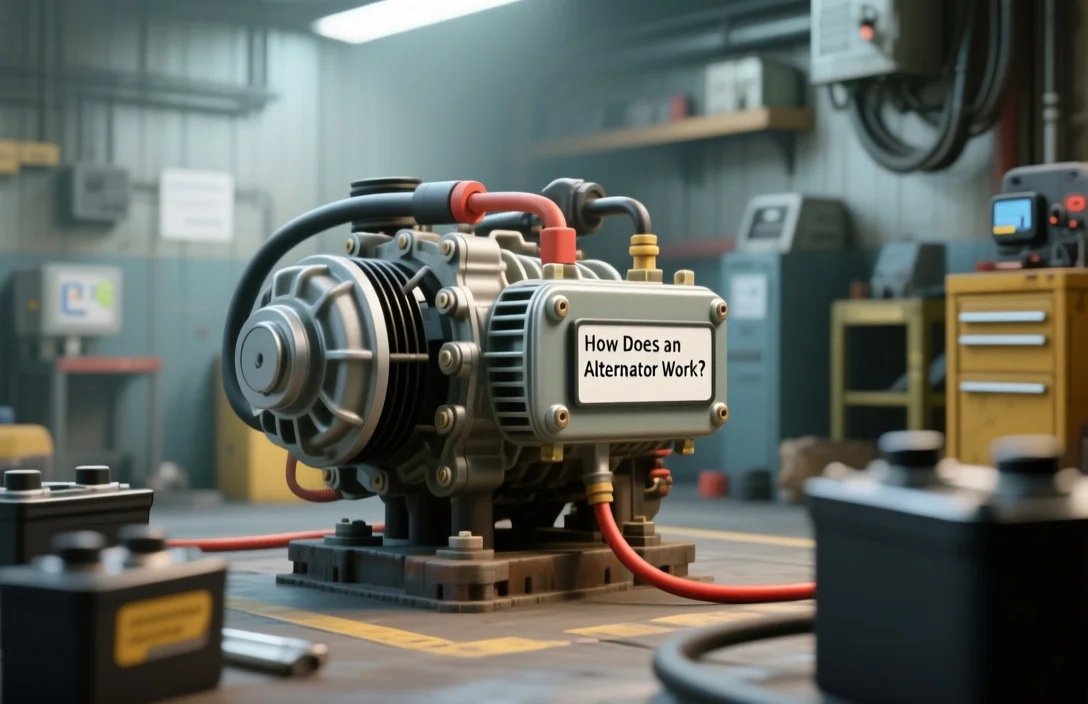
An alternator is a belt-driven electrical generator that converts engine mechanical energy into electric current to keep the battery charged and to run the vehicle electrical system. It produces alternating current in a stator, rectifies it to direct current with diodes, and the voltage regulator holds charging voltage in a safe window for the battery.
The alternator has four main parts and each can affect charging performance:
Normal operation means the alternator output tracks vehicle electrical demand and keeps battery resting voltage near its expected value when the engine is off. Typical on-car voltage ranges show the system moving above battery resting voltage once the engine runs, allowing the battery to accept charge and supply peak loads when needed.
| Condition | Typical Voltage |
|---|---|
| Engine off, healthy battery | about 12.4 to 12.8 V |
| Engine idling, charging | about 13.5 to 14.2 V |
| Engine revving, heavy load | about 13.8 to 14.6 V |
There are several mechanical or electrical failures in the alternator that can cause it to draw current when the engine is off or to mischarge the battery. Common internal faults include failed diodes that allow current to leak back into the alternator, worn brushes or bearings that cause poor excitation, and a defective regulator that does not stop supplying field current.
For example, a shorted diode can form a low resistance path to ground when the ignition is off, letting current flow from the battery into the alternator windings and draining charge. A faulty regulator can also overheat and either overcharge, which damages the battery over time, or undercharge, leaving the battery weak after running accessories.
Watch for these symptoms that suggest alternator-related charging problems:
Basic troubleshooting steps you can perform before replacing parts:
Safety note: disconnect the negative battery terminal before doing any wiring work and use insulated tools. High currents and short circuits can cause sparks, burns, and battery damage.
Repair trade-offs are practical: replacing a faulty regulator can be cheaper but on many vehicles the regulator is integral to the alternator and full replacement is simpler and more reliable. Regular visual checks, clean connections, and keeping the battery healthy reduce the chance that alternator faults will leave you stranded.
Can an Alternator Drain a Battery?
Yes, an alternator can cause a battery to drain, but usually indirectly. Typical failure modes are diode leakage or regulator and wiring faults that allow current to flow back into the alternator when the engine is off, or they prevent proper charging while the vehicle is running so the battery gets exhausted by normal loads.
There are two distinct ways the alternator is involved: it can be the path that lets the battery leak current when the ignition is off, or it can fail to supply charging current while driving so the battery runs down over time. Both produce the same end result, a dead battery, but they require different fixes.
For example, a rectifier diode inside the alternator that is shorting will let small currents leak from the battery through the alternator coil and to ground when the car is parked, slowly discharging the battery overnight. Alternatively, a failing voltage regulator or loose connection can drop charging output while driving, leaving the battery undercharged and unable to meet starting loads.
| Symptom | Likely alternator-related cause | Quick check |
|---|---|---|
| Slow overnight drain | Diode leakage or backfeed | Parasitic draw test with alternator connected |
| No charge while driving | Failed regulator, worn brushes, loose belt | Measure charging voltage at battery with engine running |
| Dash battery light with rough idle | Intermittent alternator output | Load test and check wiring connections |
Safety: disconnect the negative battery terminal before probing the alternator or removing wires, avoid contact with moving belts, and replace damaged components rather than jury-rigging. Faulty charging systems can cause overheating and battery damage.
Common Causes of Battery Drain
Most alternator-related battery drains come from four failure modes: failed diodes that allow reverse current when the engine is off, a defective voltage regulator that undercharges or overcharges, wiring or ground faults that create parasitic paths through charging circuits, and mechanical problems like a slipping or broken belt that leave the battery uncharged. Each of these faults either prevents the battery from receiving a full charge while running, or actively draws current back from the battery when the engine and charging system are shut down.
| Symptom | Likely alternator-related cause | Quick test / first fix |
|---|---|---|
| Battery dies after sitting overnight | Bad diode or parasitic drain through charging circuit | Parasitic draw test with ammeter, inspect diodes for AC ripple |
| Battery low after long drive | Slipping belt or failing regulator under load | Check belt tension and charging voltage while revving |
| Battery overheating, frequent water loss | Overcharging due to regulator fault | Measure charging voltage and replace regulator or alternator |
For example, a vehicle with a new battery that still drains overnight often has a diode or parasitic wiring fault rather than a weak battery. Run the simple draw and ripple checks before buying a replacement battery.
Safety note: if a battery is swollen, very hot, or smells of sulfur, stop testing and get professional help; those are signs of severe overheating or failure.
Symptoms of Battery Drain Issues
An alternator can fail to charge the battery or, in certain failures, draw current and cause the battery to lose charge while the engine is running or after shutoff. Watch for electrical behavior that changes between engine-on and engine-off conditions, since patterns point to alternator trouble rather than just an old battery.
For example, you may see the charge light flicker while driving, notice headlights dim at idle, and then find the car struggles to start after an hour away; that pattern points to the charging system rather than only a weak battery.
These symptoms overlap between a failing alternator, regulator, diodes, wiring, and a weak battery, so they are signals to stop driving if you detect overheating or venting, and to get a proper charging-system test before replacing parts. Prioritize safety signs such as heat, swelling, or burning smells, and schedule diagnostic testing when the symptoms repeat.
Step-by-Step Troubleshooting Guide
Yes, a faulty alternator can drain a battery by failing to supply charging current while running or by leaking current back through damaged diodes or the regulator when the engine is off. Before replacing the battery, confirm whether the alternator is undercharging, overcharging, or allowing reverse current so you avoid unneeded parts swaps.
For example, if your battery rests low but the alternator shows a normal voltage under light load, yet an AC ripple measurement is high, the diode pack is likely leaking and will drain the battery when the engine is off.
Preventive Measures for Battery Health
To prevent an alternator from draining your battery, regular maintenance and awareness of your vehicle’s electrical systems are essential. Keeping the alternator and related components in good condition can help avoid potential battery drain issues.
By implementing these preventive measures, you can significantly reduce the risk of battery drain related to your alternator. This proactive approach not only prolongs the life of your battery but also ensures that your vehicle’s electrical system operates efficiently.
Battery Maintenance Best Practices
Yes, an alternator can cause a battery to drain when it fails to charge properly or creates a current leak back into the battery, but a correctly functioning alternator charges the battery while the engine runs. Typical failure causes are a faulty voltage regulator, shorted diodes, bad ground or loose connections, and parasitic loads tied to the alternator circuit.
The alternator is a belt-driven generator that converts mechanical energy into electrical current, charging the battery and powering on-board electronics while the engine runs. It uses diodes to produce DC, and a voltage regulator to keep system voltage within a narrow range for 12 V systems; if those parts fail the battery can be undercharged or be fed reverse current when the engine is off.
Common scenarios where the alternator can drain a battery include several specific failure modes:
Symptoms that point to alternator-related battery drain are distinct but sometimes overlap with battery failure. Look for dimming lights while running, a battery warning lamp on the dash, frequent dead starts after short drives, or an alternator that is hot to the touch after driving.
| Symptom | Probable cause | Immediate action |
|---|---|---|
| Battery dies after short trips | Undercharging due to loose belt, poor connections, or weak regulator | Check belt tension and terminals, measure charging voltage with engine running |
| Battery warning light on while driving | Charging system fault, regulator or alternator failure | Measure system voltage, avoid heavy loads, seek diagnostic test |
| Battery drains when parked | Diode leak or parasitic current on alternator circuit | Perform parasitic draw test, disconnect alternator output to isolate |
Follow these troubleshooting steps in order to narrow the fault and avoid unnecessary replacement:
Routine maintenance limits alternator-related battery problems: clean and tighten terminals quarterly, check belt tension and condition during oil changes, test charging system annually, and replace corroded connectors rather than patching them. Verify charging voltage and current specs against your vehicle manual before ordering parts.
Warning: measuring charging voltage and parasitic draw requires working on live circuits. Disconnecting the battery or working with engine components can be dangerous; if you are unsure, have a qualified technician perform the tests.
Replace the alternator or regulator when tests show abnormal voltage, hot alternator temperature, repeated diode shorts, or when parasitic current isolates to the alternator. If the battery shows permanent capacity loss after proper charging is restored, replace the battery, since repeated undercharging shortens cycle life. Schedule charging-system checks proactively, since catching regulator or diode faults early prevents chronic battery damage.
Quick Summary
An alternator can drain your battery if it is malfunctioning or not charging correctly.
Frequently Asked Questions
Can an alternator drain your battery when the engine is off?
Yes, an alternator can drain your battery if there is a fault, such as a short circuit. When the engine is off, the alternator should not draw power, but a malfunction can lead to battery drain.
How long does it take for an alternator to drain a battery?
The time it takes for an alternator to drain a battery depends on the severity of the fault. A significant short circuit can drain a fully charged battery in just a few hours.
Is it safe to drive with a faulty alternator?
No, driving with a faulty alternator can be unsafe as it may lead to sudden battery failure. If the alternator is malfunctioning, you can risk losing power to critical systems like headlights and power steering.
What are common mistakes when diagnosing a battery drain issue?
A common mistake is to assume the battery is the only issue without checking the alternator. You should check the alternator’s output voltage; it should typically be between 13.8 to 14.4 volts when the engine is running.
When should I replace my alternator to prevent battery drain?
You should consider replacing your alternator if it shows signs of wear or if it fails to maintain the proper voltage. If your alternator is more than 7 years old, it may be time for a replacement to prevent potential battery issues.