Can An Alternator Damage Your Battery? Here’s What You Need To Know
A working alternator keeps a car battery charged near 13.8 to 14.5 volts, so small voltage shifts matter. A failed alternator or a bad voltage regulator can overcharge, undercharge, or create electrical ripple that shortens battery life. First check the charging voltage at the battery posts with the engine running and the multimeter set to DC volts.
An alternator can kill a battery if it overcharges or lets it chronically undercharge, for example sustaining roughly above 15 volts for hours or allowing deep discharge; both conditions can destroy plates and electrolyte, so measure charging voltage while the engine runs before assuming the battery is the problem.
How Alternators Work
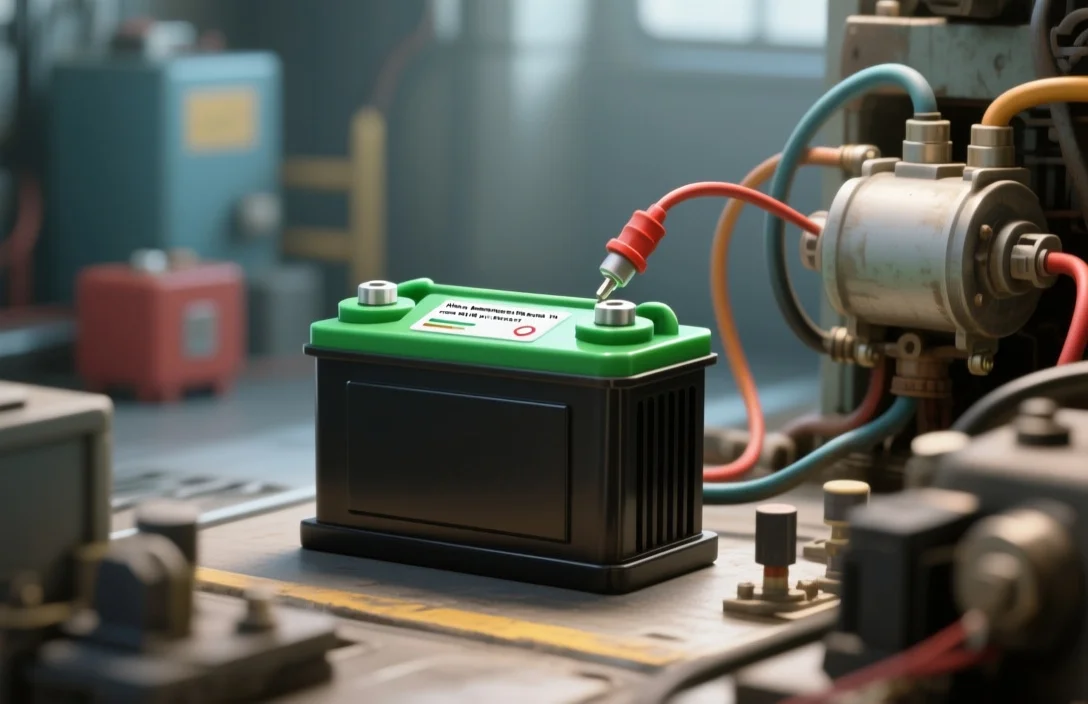
An alternator provides electrical current to run lights, ignition, charging accessories, and it replenishes the vehicle battery while the engine runs. If the alternator or its voltage regulator fails, it can either undercharge the battery and cause sulfation, or overcharge and cause heat, gassing, and permanent capacity loss.
Basic Operation
The alternator is a belt-driven generator with a rotating magnetic field and a stationary coil, which produces alternating current that is converted to direct current by diodes. A separate voltage regulator controls the field strength to keep the output voltage within a target range for the vehicle electrical system.
Inside the alternator, three elements matter: the rotor and stator that make AC, the rectifier that turns AC into DC, and the regulator that sets charging voltage. If any of these parts fail, the alternator can deliver incorrect voltage or ripple, both of which stress a battery.
Role in Charging
The battery is a buffer, absorbing charge when the alternator provides excess current and supplying current when demand exceeds alternator output. The alternator is not a simple on off charger, it adjusts output with engine speed and electrical load so that the system voltage stays within a range that charges the battery without cooking it.
Problems that can lead an alternator to kill a battery include a failed regulator that allows sustained high voltage, blown diodes that create AC ripple and heat, or a weak alternator that continually undercharges the battery and forces repeated deep discharge cycles. Heat combined with overcharging accelerates water loss in flooded batteries and can permanently reduce capacity in sealed designs.
| State | Typical Voltage (12V system) | What it implies |
|---|---|---|
| Resting battery | about 12.4 to 12.8 V (typical) | Battery near full when within range, verify with manual |
| Engine running | about 13.8 to 14.8 V (typical) | Alternator charging normally if stable in range |
| Above normal | greater than typical charging range | Possible overcharge, inspect regulator |
| Below normal | below charging range | Undercharging, battery can sulfate |
Short answer, yes: a faulty alternator or regulator can kill a battery by sustained overvoltage, heavy ripple, or chronic undercharging that leads to repeated deep discharge.
Safety warning: do not touch alternator terminals or belts while the engine is running, and verify voltage specs in your vehicle manual before deciding that the alternator is at fault.
Battery Basics
Yes, an alternator can kill a vehicle battery if it delivers sustained incorrect charging conditions, most commonly sustained overvoltage, excessive AC ripple, or repeated high-temperature charging. Whether the battery dies fast or slowly depends on the battery chemistry, the presence of a battery management system, and how long the bad condition persists.
Lead-acid and lithium are the two battery families you will see in cars and light trucks, and they tolerate charging faults differently. Lead-acid (flooded, AGM, gel) loses life when it is habitually overcharged because water is lost, plates corrode, and capacity falls; repeated undercharging also sulfates plates and reduces capacity.
Lithium (LiFePO4 and other automotive lithium types) has higher usable depth of discharge and is less tolerant of high voltage or heat spikes, because those conditions can trip the battery management system or, if the BMS is absent or fails, cause cell damage or swelling. Lithium cells usually need a reliable cutoff and slightly different charge profiles than lead-acid.
| Characteristic | Lead-Acid | Lithium |
|---|---|---|
| Typical system use | Starter, accessory supply, older vehicles | Start/aux battery, EVs, aftermarket deep-cycle replacements |
| Failure mode from bad charging | Gassing, water loss, plate corrosion, reduced capacity | BMS trip, cell imbalance, swelling, permanent capacity loss if over-voltage is severe |
| Protection normally present | No internal BMS, relies on external regulator | Often has internal BMS or pack-level protection |
Safety note: if the battery is hot or swollen, disconnect the negative cable and do not try to revive it with fast charging; this can make the hazard worse.
Alternator-Battery Relationship
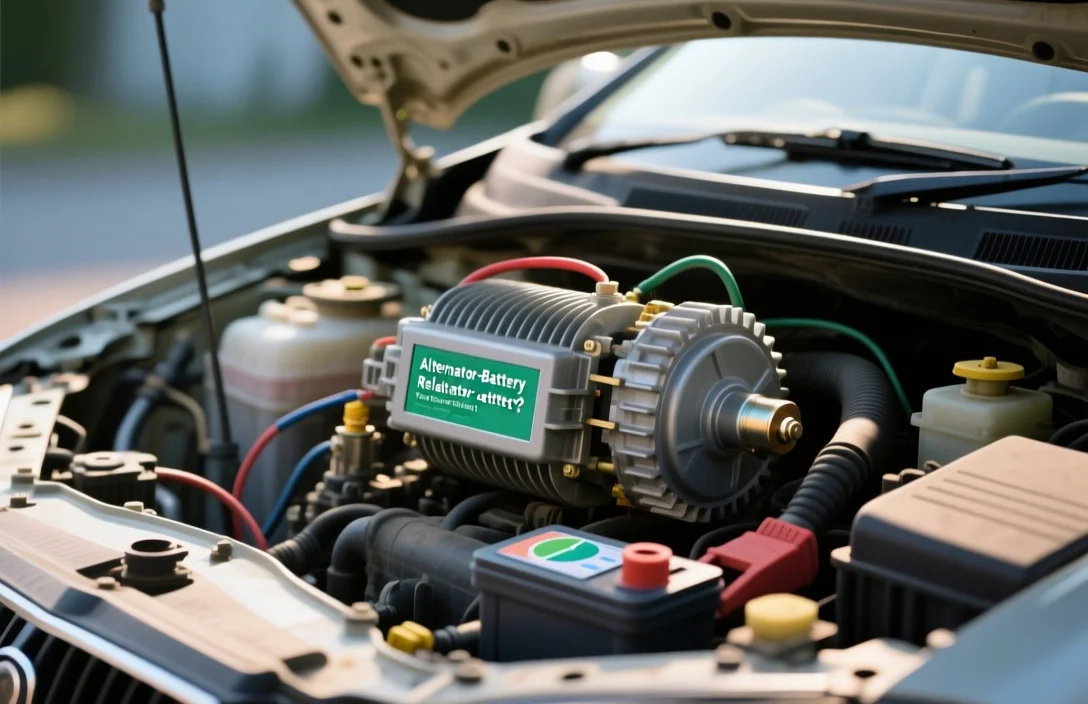
Yes, an alternator can kill a battery when it delivers the wrong voltage or current for prolonged periods, or when it produces excessive AC ripple or heat that the battery cannot tolerate. Under normal operation the alternator charges the battery and powers electrical loads, but faults in the regulator, diodes, wiring, or mismatched charging systems are the typical causes of alternator-related battery failure.
The charging process begins when the engine spins the alternator rotor, which creates AC that is rectified to DC and controlled by a voltage regulator. The regulator holds the charging voltage above the battery’s resting voltage to push current into the cells while preventing runaway voltage; the alternator itself supplies the current, but the regulator decides how much voltage the battery sees. Charging current drops naturally as the battery approaches full state of charge, unless a regulator or wiring fault prevents that tapering.
For example, a failed voltage regulator that allows sustained high output will cause a lead-acid battery to boil electrolyte, lose capacity, and warp plates, and it can cause lithium cells to heat, swell, or trigger the battery management system to disconnect. Excessive AC ripple from bad diodes can heat battery internals and accelerate sulfation or plate fatigue because the battery sees alternating components instead of steady DC.
Power distribution in a vehicle places the battery and alternator in parallel when the engine runs, so the battery buffers transients and supplies surge current for cranking and peak loads. If the alternator output is insufficient, the battery supplies the deficit and can be driven into deep discharge, which shortens life. If alternator output is too high or unregulated, the battery absorbs damaging overcharge energy.
Preventive steps are simple and effective: follow the vehicle manual for charging specs, keep connections clean and tight, replace worn belts, and test both battery and alternator when symptoms appear. When in doubt, have the charging system bench-tested rather than guessing, because fixing a regulator or bad diode is typically cheaper than replacing a destroyed battery.
Can Alternators Overcharge Batteries?
Yes. An alternator can overcharge and permanently damage a battery when the charging voltage is higher than the battery maker allows for a sustained period, or when the alternator’s voltage regulator fails. Faulty wiring, an incorrect replacement regulator, or a failed voltage regulator module are typical ways the alternator can force excessive voltage into the battery.
Common signs that an alternator is overcharging a battery include visible and measurable changes that you can check quickly.
Overcharging produces several specific failure modes depending on battery chemistry and construction, and the damage can be rapid if the fault is severe.
| Chemistry | Likely damage from overcharge | Typical visible sign |
|---|---|---|
| Flooded lead-acid | Water loss, plate corrosion, and reduced capacity from repeated gassing. | Low electrolyte level, boiling sounds, or leaked acid. |
| AGM/VRLA | Permanent capacity loss and sealed venting that reduces life. | Hard swelling or venting with a noticeable loss of capacity. |
| Lithium iron phosphate or Li-ion | BMS intervention, thermal stress, or in worst cases swelling and safety shutdown. | Battery will often cut out, overheat, or physically swell if stressed. |
Safety note: If you detect overheating, strong odor, swelling, or leaking, stop using the vehicle and remove the battery if it can be done safely. Continued charging under those conditions can cause fire, acid burns, or toxic gas exposure.
Symptoms of Battery Damage
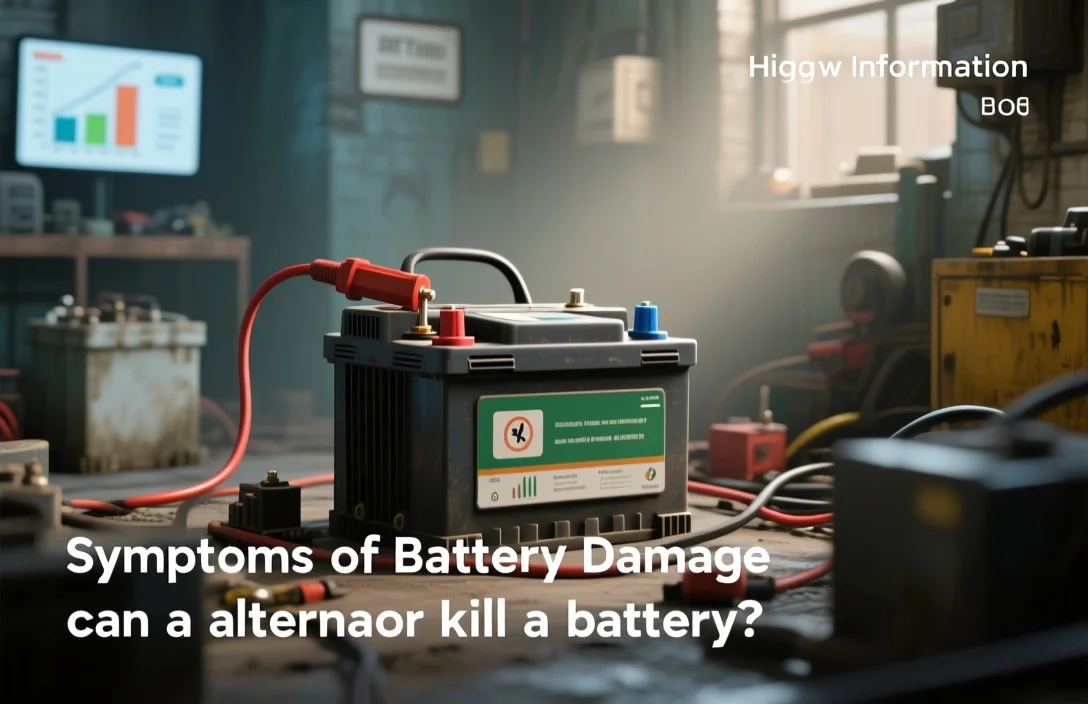
Alternator-related problems most often show up as physical damage like swelling or leakage, and as performance failures such as weak cranking, dim lights, or intermittent charging warnings. Discovering any of these signs means the battery may be compromised and should be inspected promptly to avoid unsafe conditions or a sudden failure.
For example, if headlights dim at stoplights, the battery warning lamp is on, and the case feels hot after a short drive, those combined signs point to charging instability that is stressing the battery. In that situation, keep driving to a safe inspection point and avoid long trips until a professional checks the charging system and battery.
If you see any of these symptoms, stop relying on the battery for critical trips and have the battery and alternator tested. Continued use risks corrosive damage, fire, or being stranded, so treat physical damage and persistent electrical symptoms as urgent problems.
Preventative Maintenance Tips
Yes, an alternator can kill a battery if it overcharges, allows a continuous drain, or heats the cell through poor connections; regulator failures, diode faults, and wiring problems are common causes. Regular inspections and simple battery care prevent most alternator-related failures.
The alternator supplies charging current while the engine runs, and the voltage regulator controls the charging level to match the battery type and state of charge. When any part of that system is out of spec, the battery can be driven into chronic undercharge, overcharge, or frequent deep cycling, each of which shortens life.
Perform basic visual checks monthly and timed checks before long trips. Look for cracked or swollen battery cases, loose or corroded terminals, frayed wiring, belt wear, and any sign of acid leakage or excessive heat at connectors.
Battery maintenance depends on chemistry, so follow the battery label and manual. For flooded lead acid cells, keep electrolyte above the plates using distilled water; sealed batteries should only be cleaned and load-tested. Avoid deep discharges when possible and store batteries with a float charger if the vehicle is unused for long periods.
| Item | What to check | Frequency | Action if abnormal |
|---|---|---|---|
| Terminals | Corrosion, tightness | Monthly | Clean, tighten, replace clamps |
| Belt & wiring | Wear, fraying, secure routing | Every 3-6 months | Replace belt, repair wiring |
| Battery health | Capacity, visible damage | Annually or before trips | Load test, consider replacement |
Safety: If the battery is hot, swollen, leaking, or emits a strong odor, stop using it and get professional service immediately, do not try to charge or drain it yourself.
Trade-offs: testing and replacing an aging battery before it fails costs money, but it prevents the alternator from working harder and potentially failing. If you suspect charging faults, schedule a charging-system check rather than running on hope; preventive maintenance is cheaper than replacing both alternator and battery.
Troubleshooting Alternator Issues
Yes, a faulty alternator can kill a battery by overcharging it, failing to keep it charged, or allowing reverse discharge through bad diodes. The most common measurable signs are abnormal charging voltage at the battery and excessive AC ripple when the engine is running.
Start with basic electrical checks before replacing parts, because doubt about alternator-caused battery failure is usually resolved with a multimeter and a few targeted tests. If you see voltages well outside the vehicle maker’s specified charging range, stop driving and address the charging system, since prolonged overcharge or deep discharging will shorten battery life.
For example, if you measure 14.4 volts with the engine at idle but see the voltage climb above 15 volts within a few minutes, that is a practical sign the regulator is allowing overcharge and the battery will be stressed by heat and accelerated capacity loss.
Quick Summary
Yes, an alternator can damage or kill a battery if it overcharges, undercharges, or causes repeated electrical faults over time.
Frequently Asked Questions
Can a faulty alternator actually kill a car battery?
You can damage a battery if the alternator regulator fails and overcharges it, because normal charging is about 13.8 to 14.5 volts, and sustained higher voltage stresses the cells.
Can alternator-related heat make a battery fail prematurely?
You can accelerate battery aging when charging components run hot, since elevated temperatures increase chemical degradation, especially above about 40°C (104°F) where self-discharge and capacity loss speed up.
How quickly can a bad alternator ruin a battery?
You can see damage in a short time if the alternator is overvolting, with sustained voltages above 15 V for hours capable of boiling electrolyte and reducing life, while severe faults with high ripple or shorting can cause failure in minutes.
Is it safe to jump-start if I suspect the alternator is killing the battery?
You can jump-start to move the vehicle, but first check the charging output with a multimeter at the battery: a healthy system should read about 13.8 to 14.5 V with engine running, otherwise avoid driving until the alternator is inspected to prevent further damage.
Should I replace the battery or the alternator to stop repeated battery failures?
You can avoid repeated failures by testing both: replace the battery if it is old or holds less than about 50% of its rated capacity or is over 3 to 5 years old, and replace or repair the alternator if it does not hold the charging voltage in the normal 13.8 to 14.5 V range.